
Tagged: culture
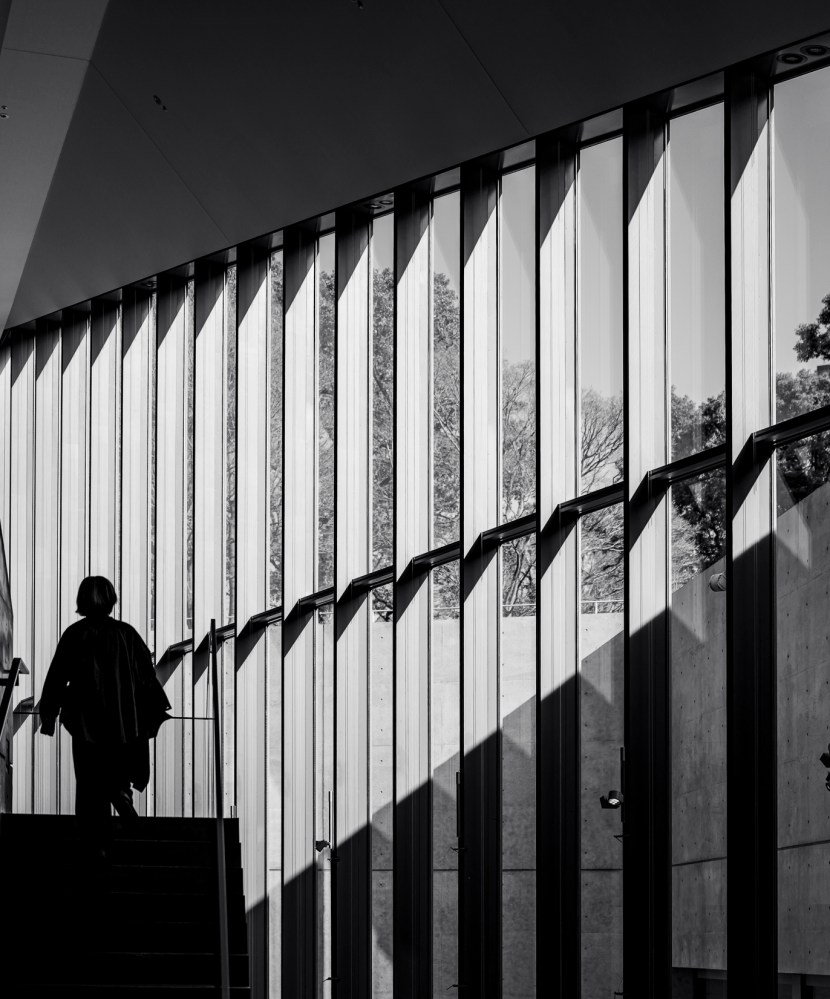
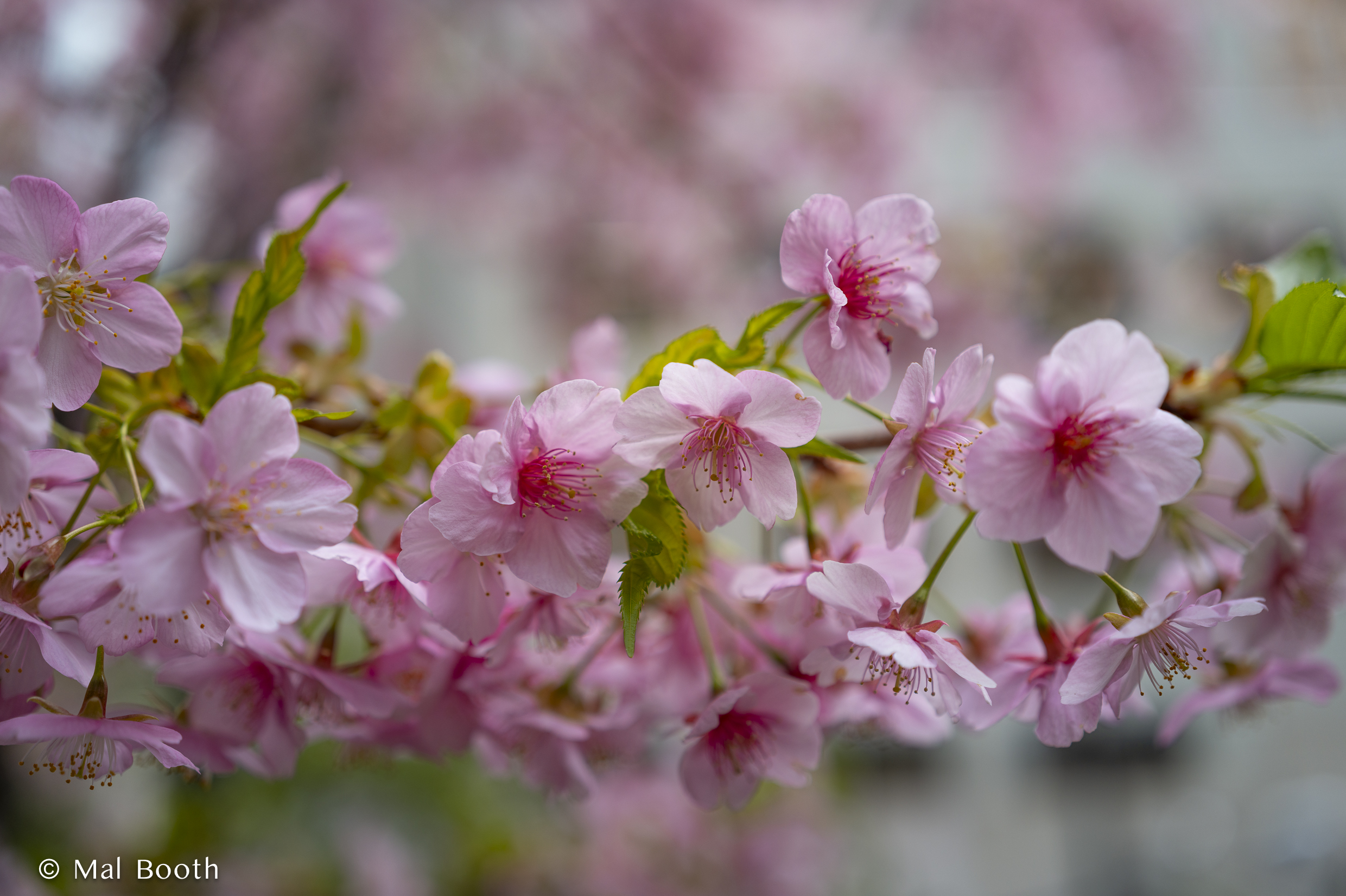
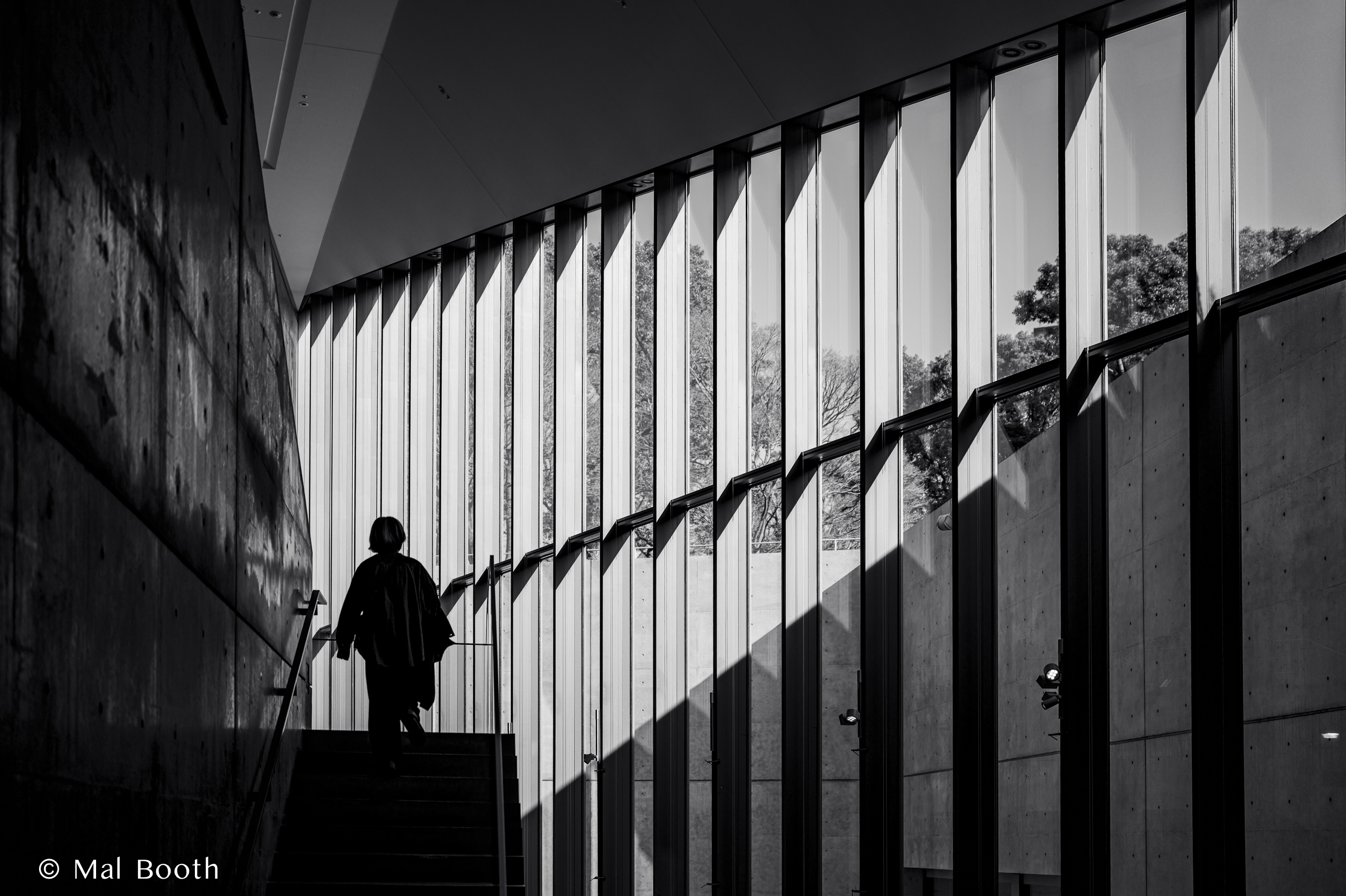
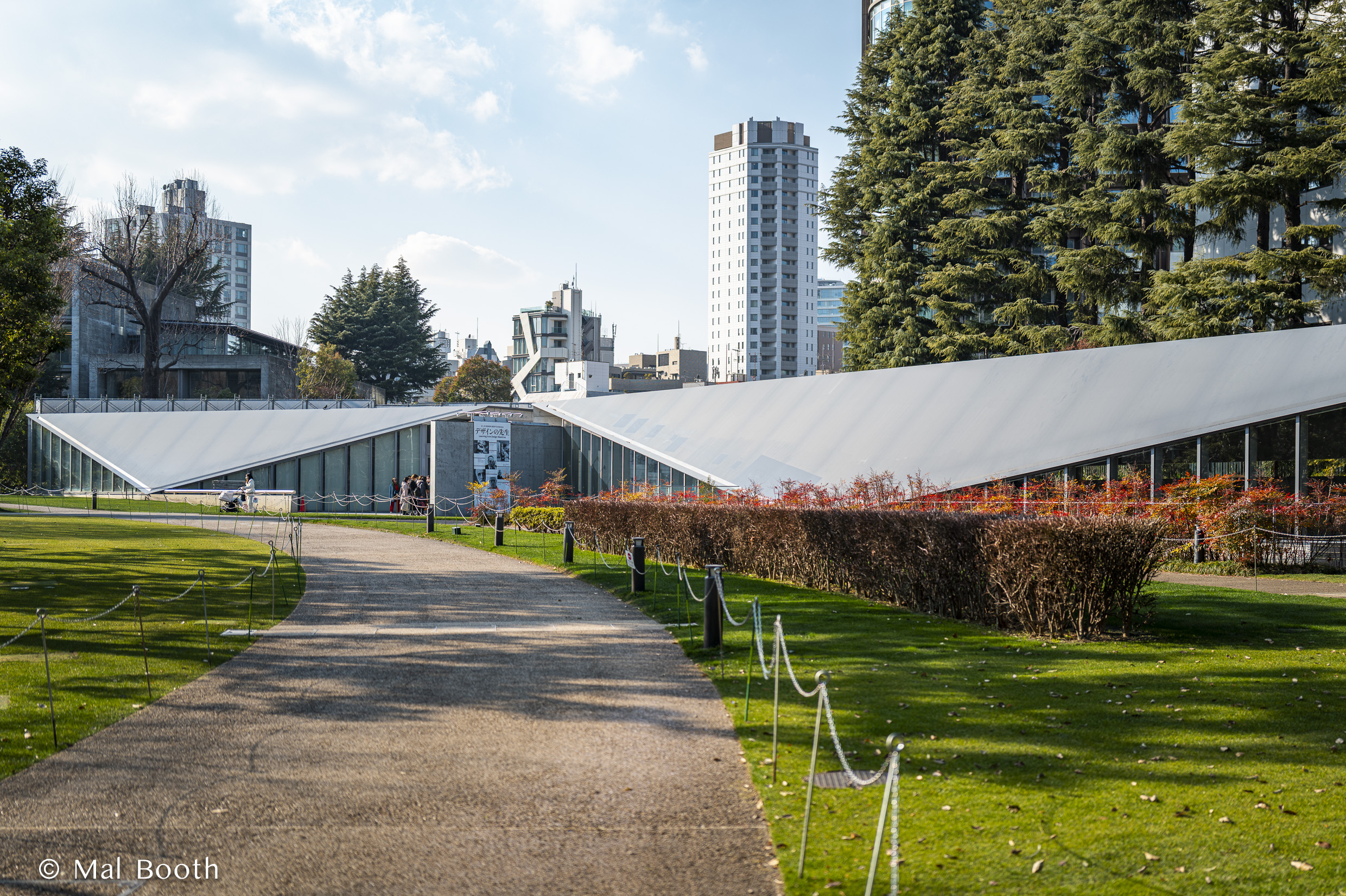
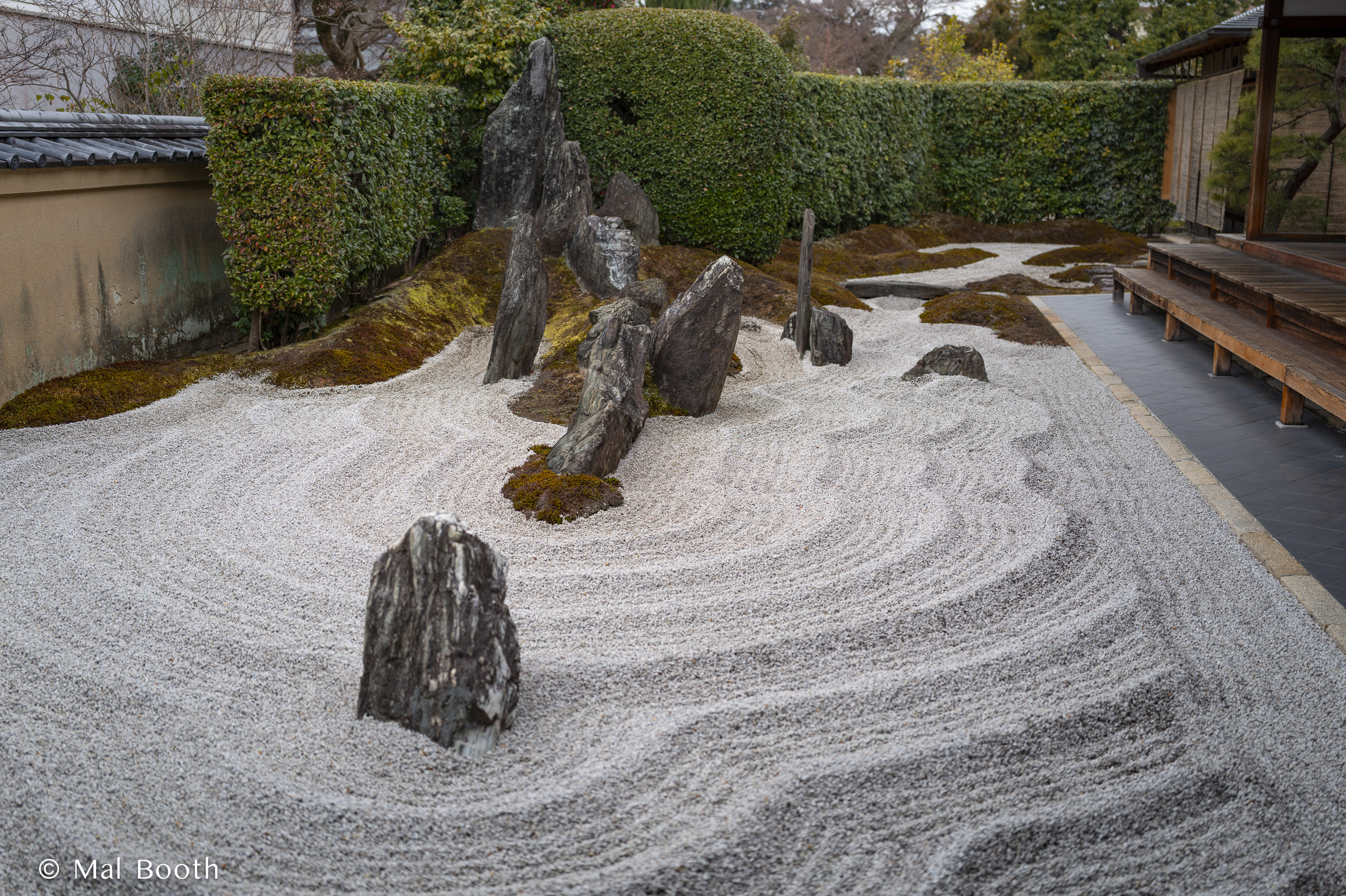
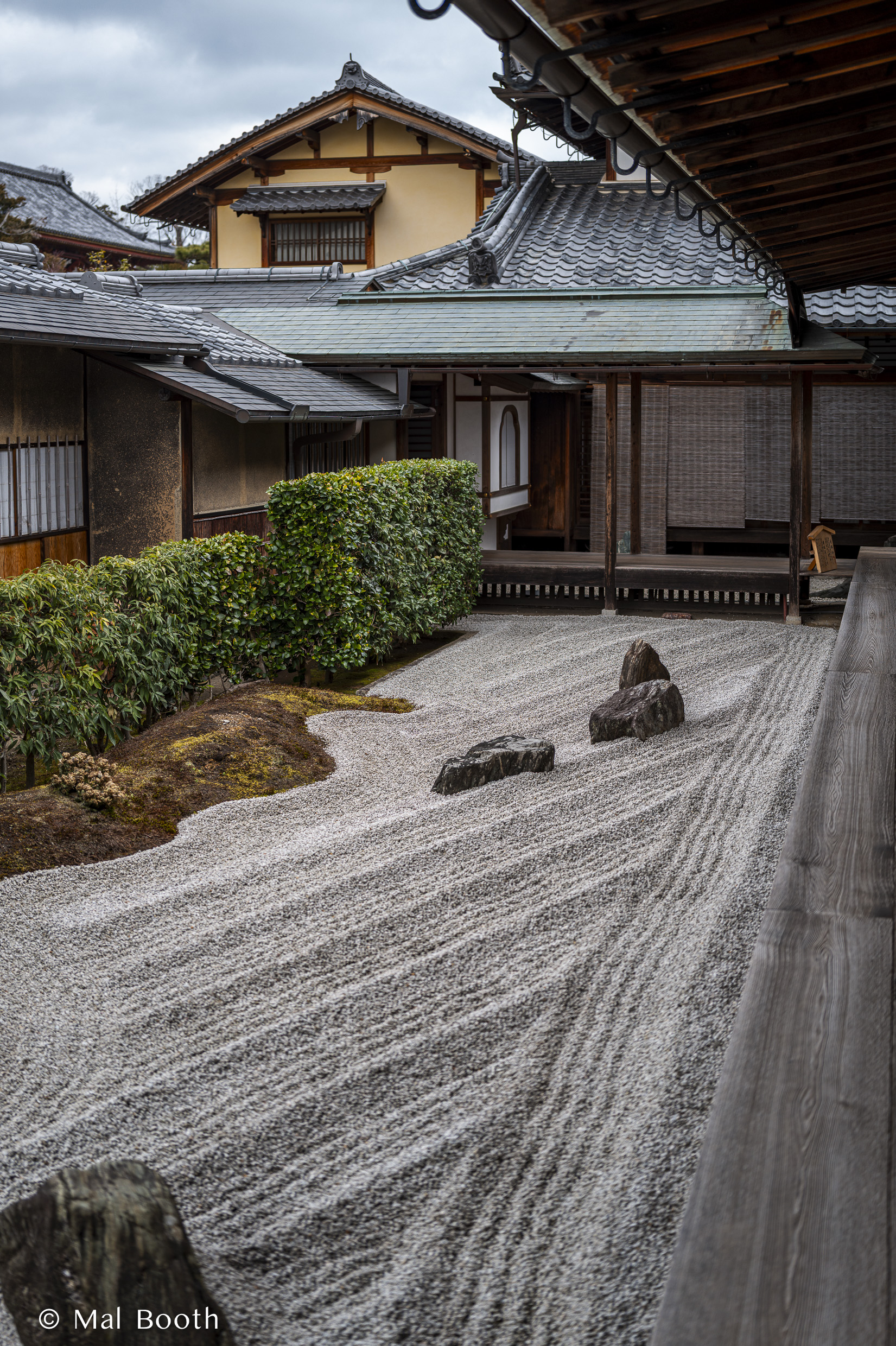
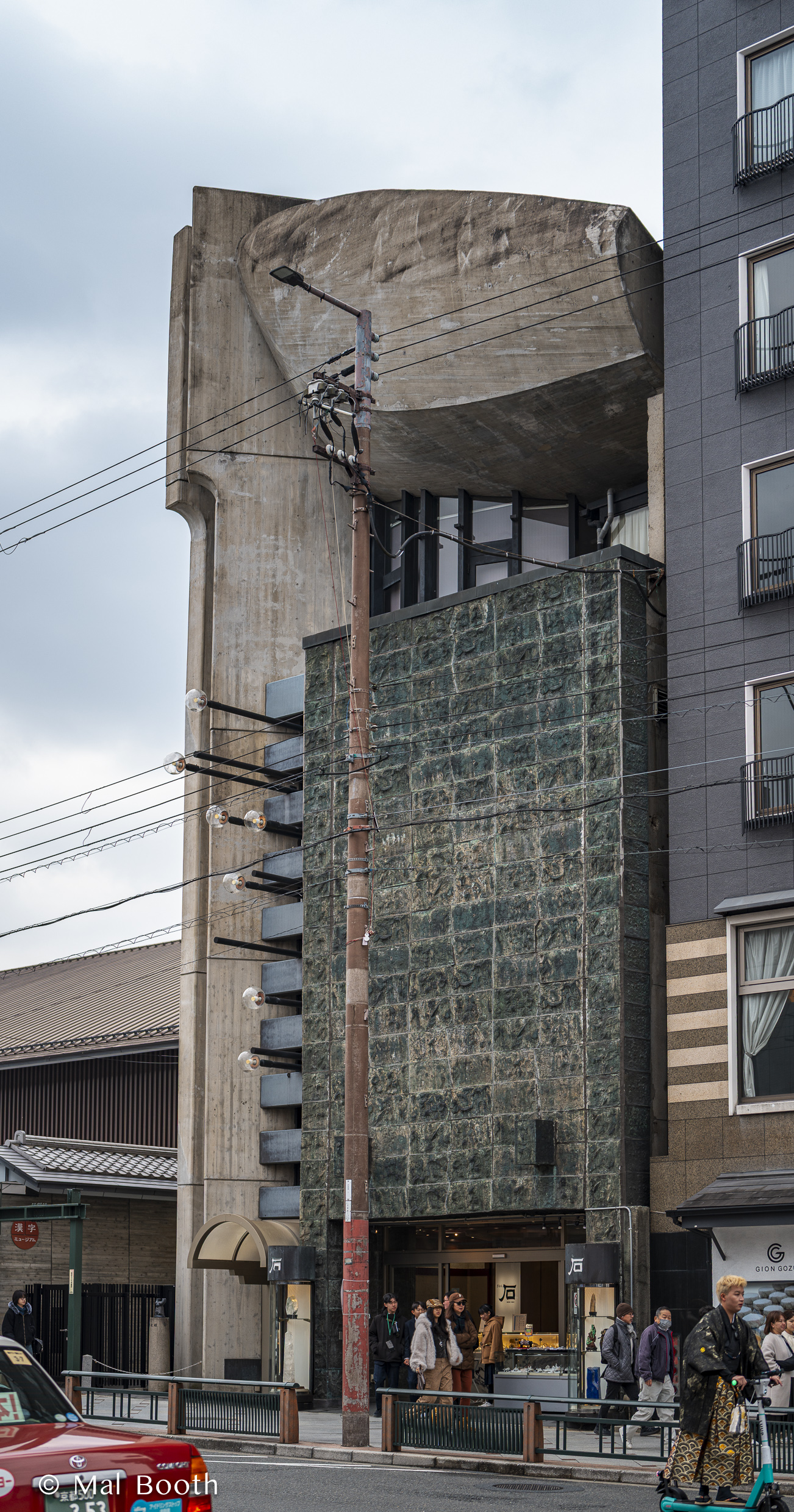
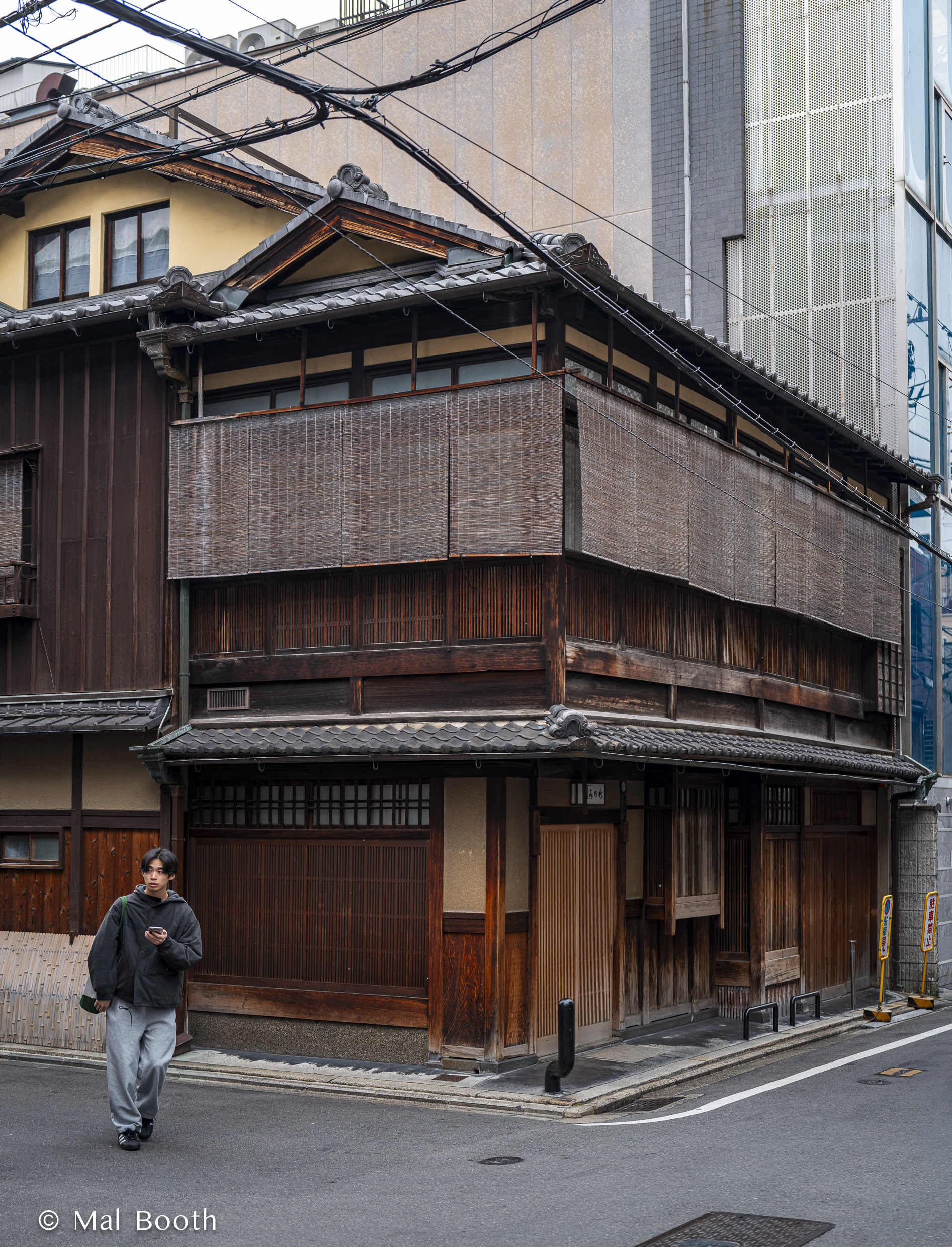
Images from Tokyo 2026
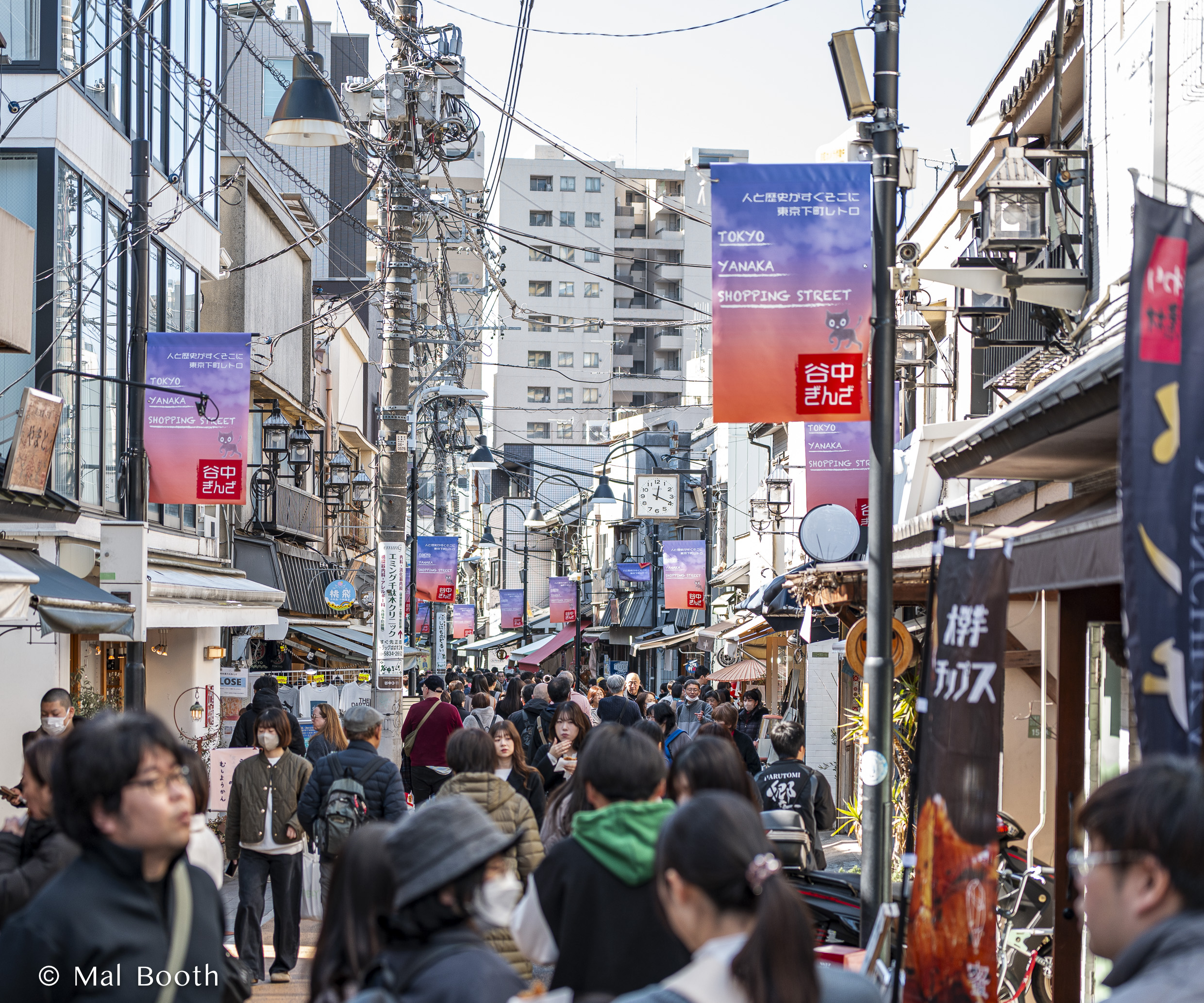
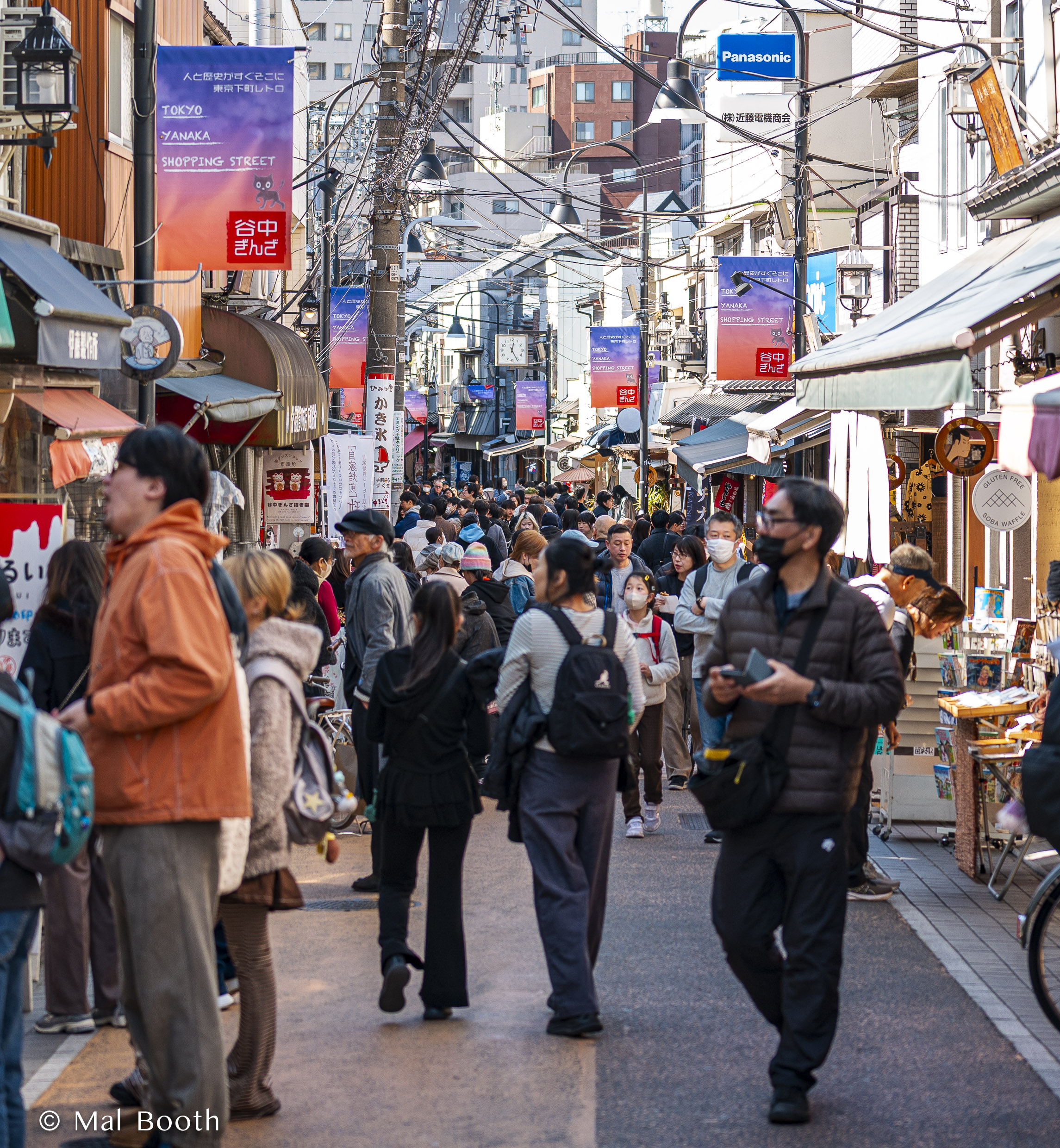
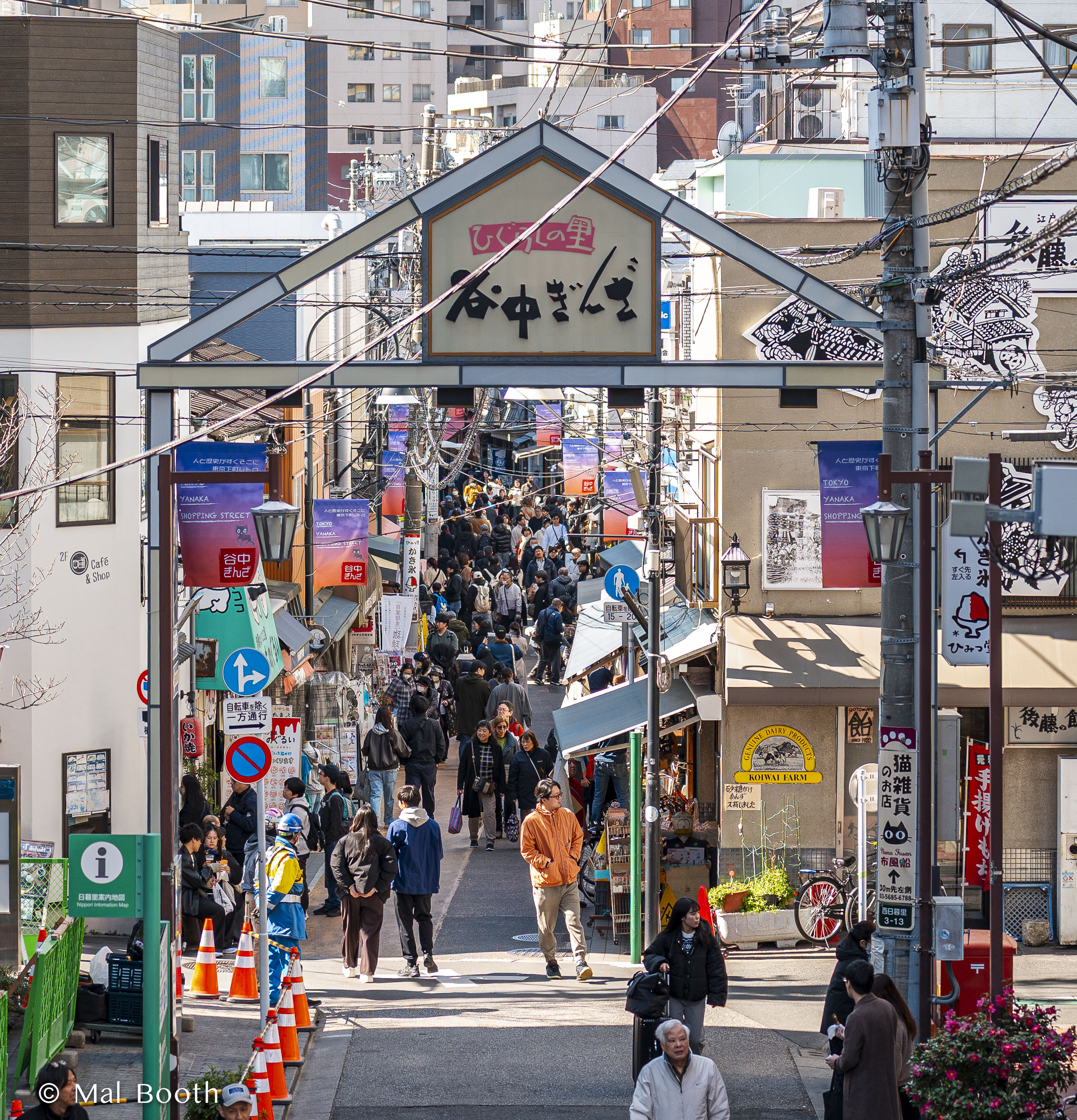

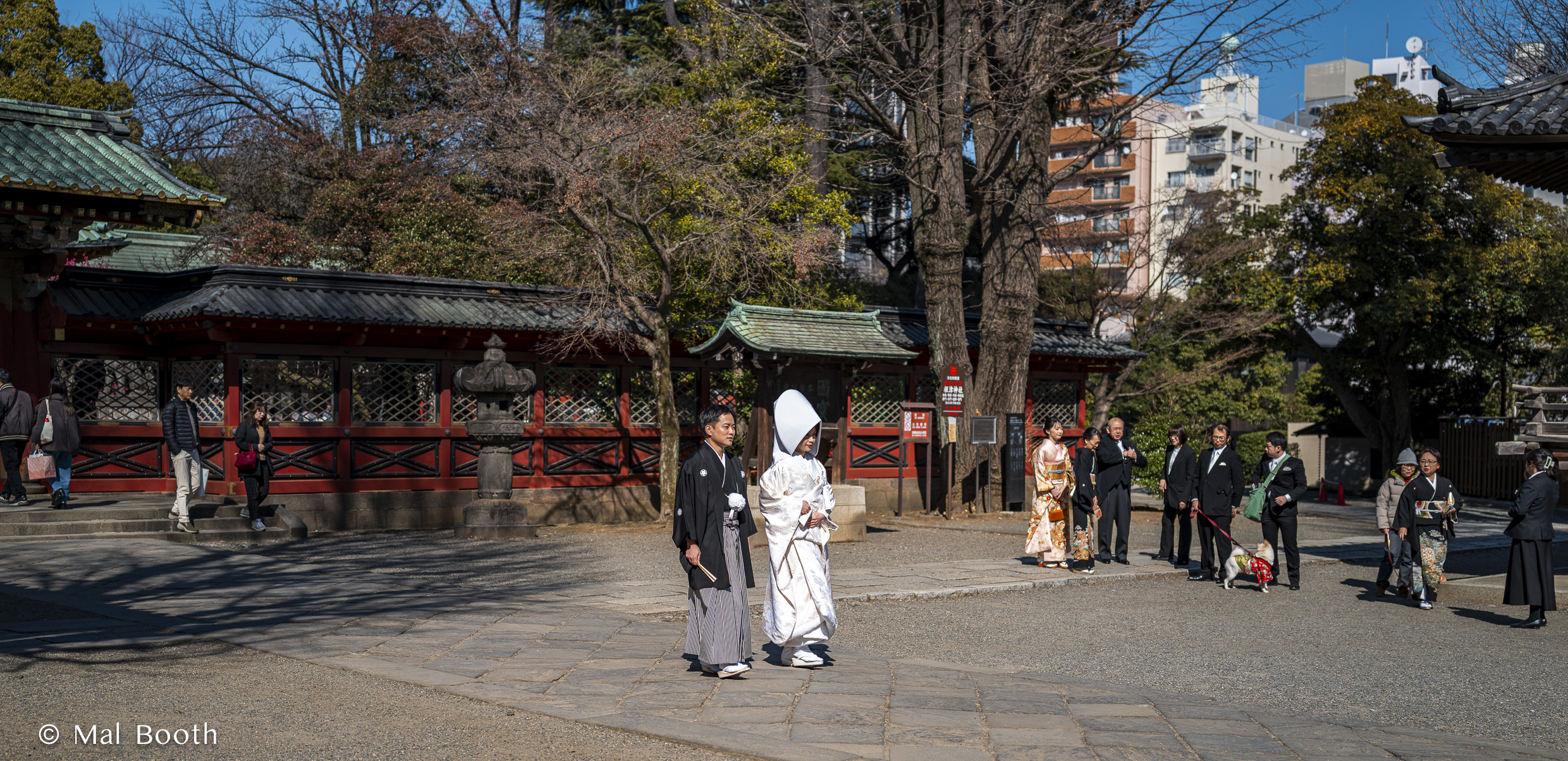

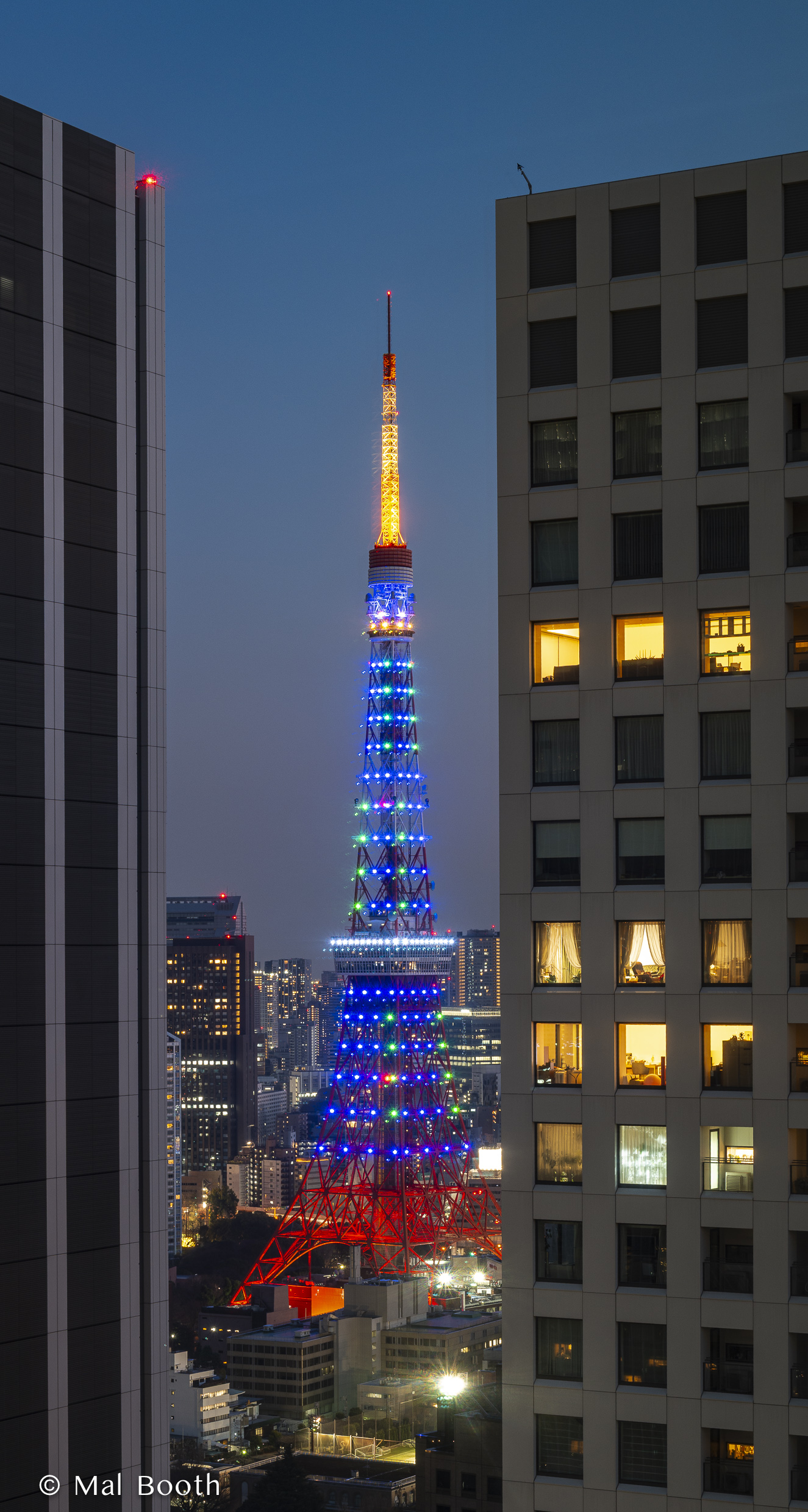

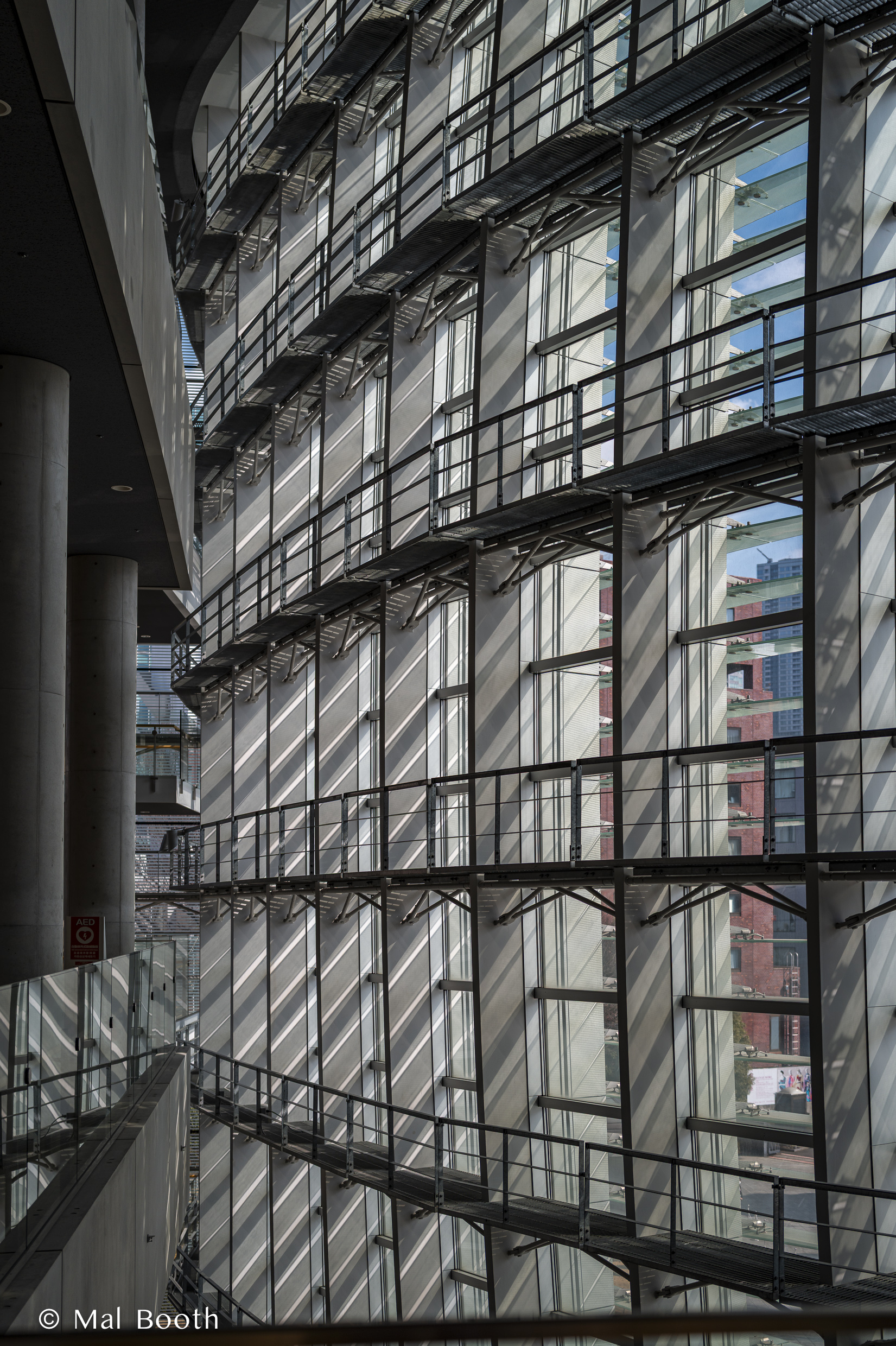
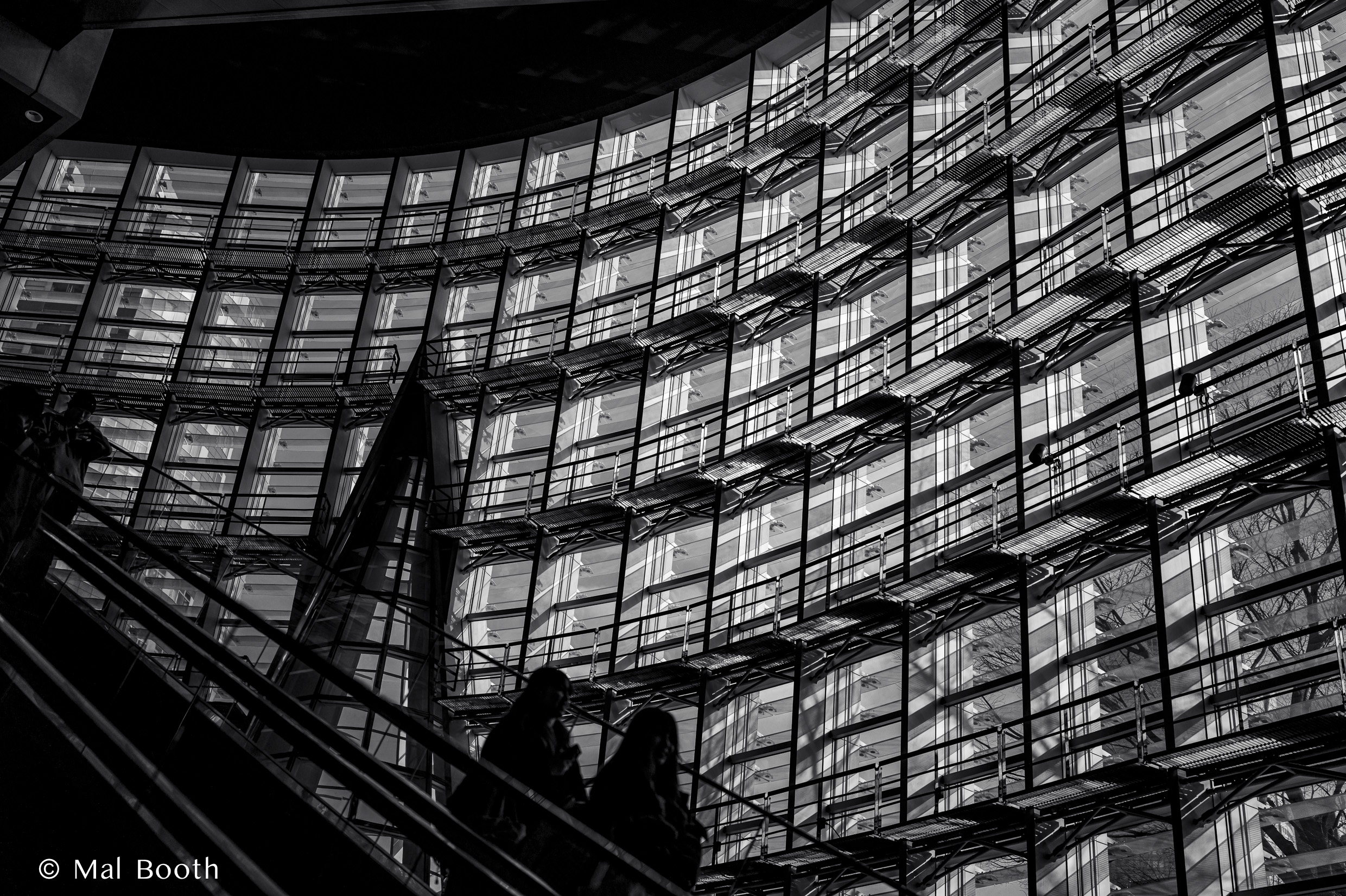
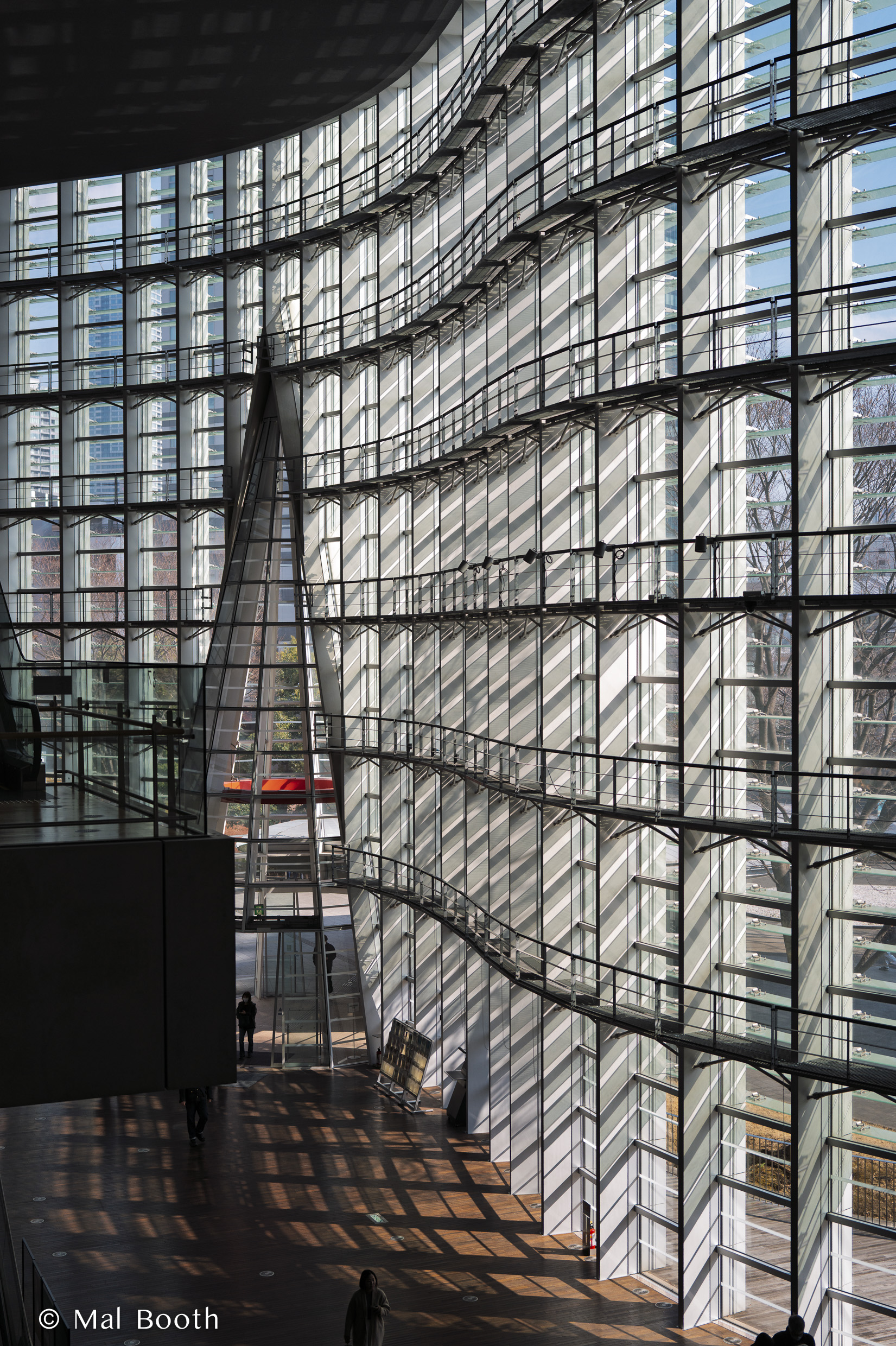
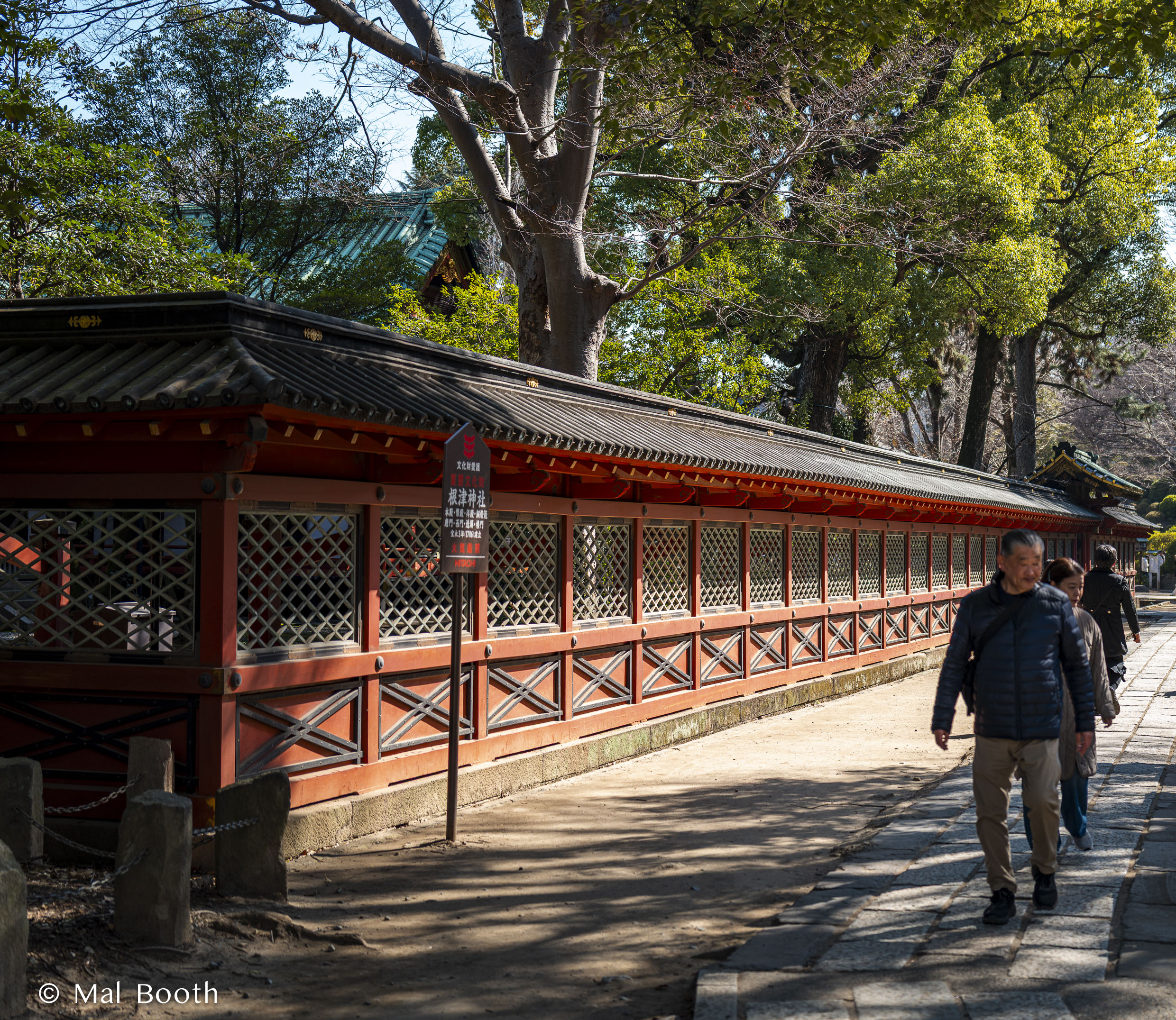
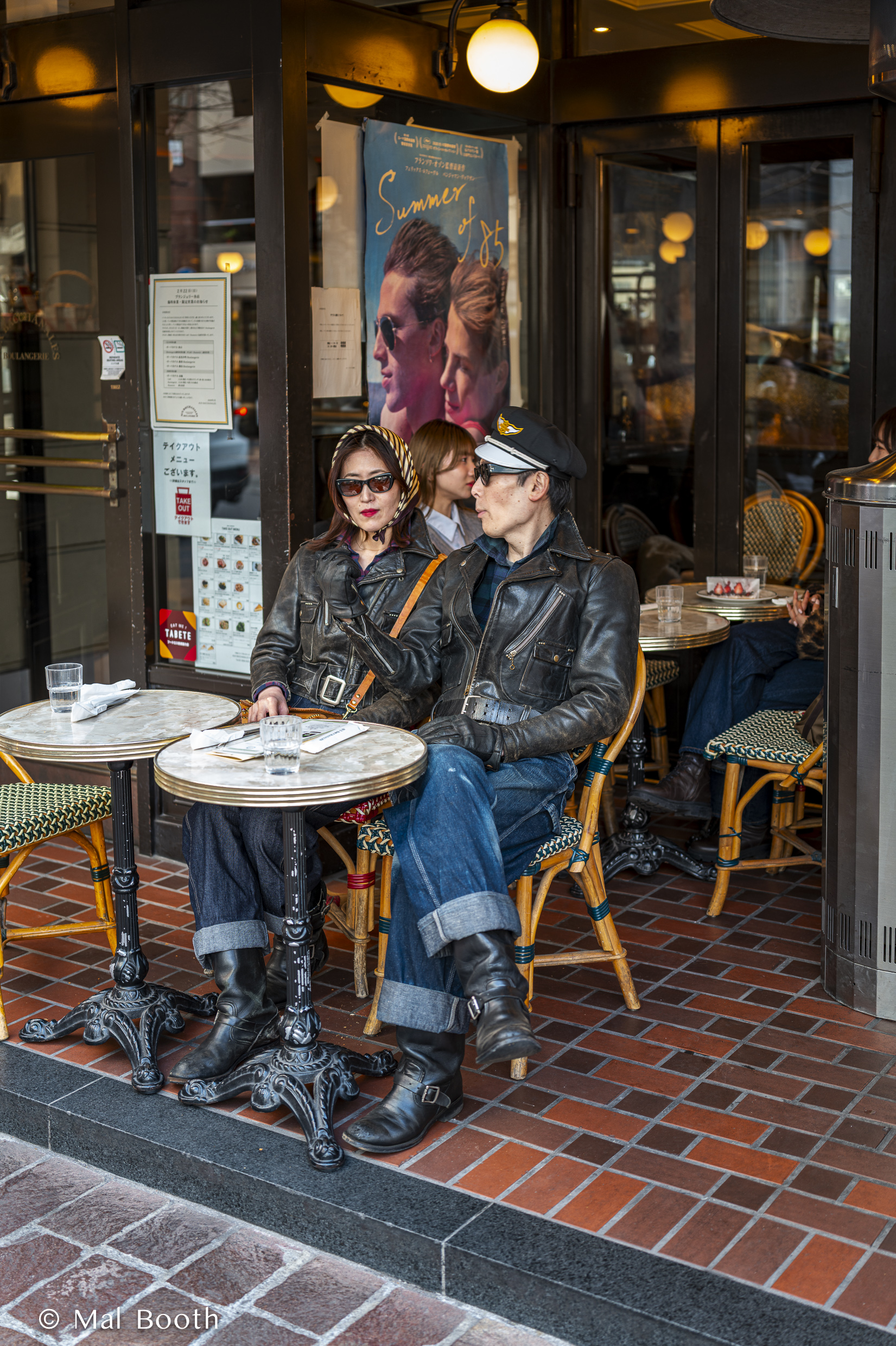
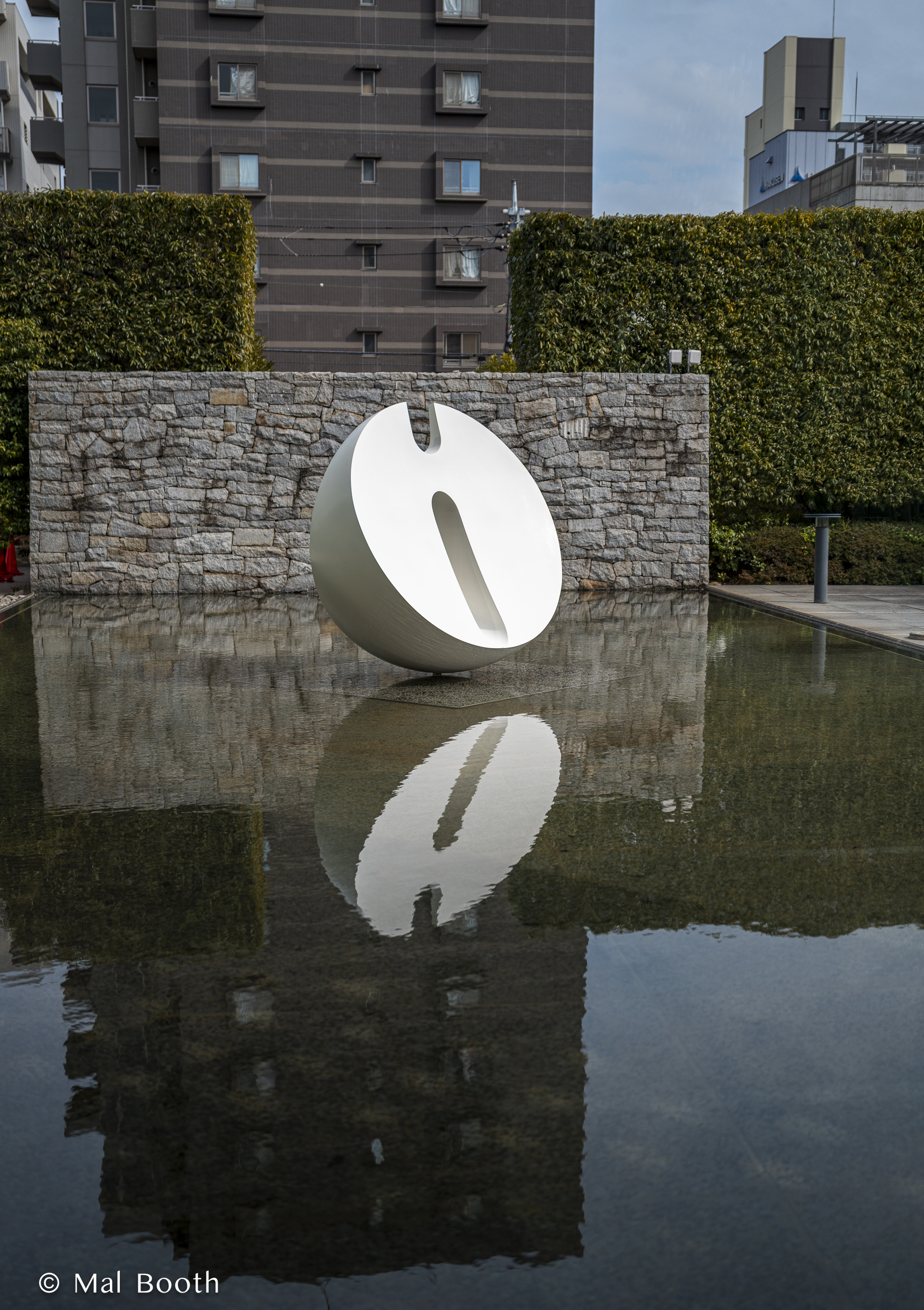
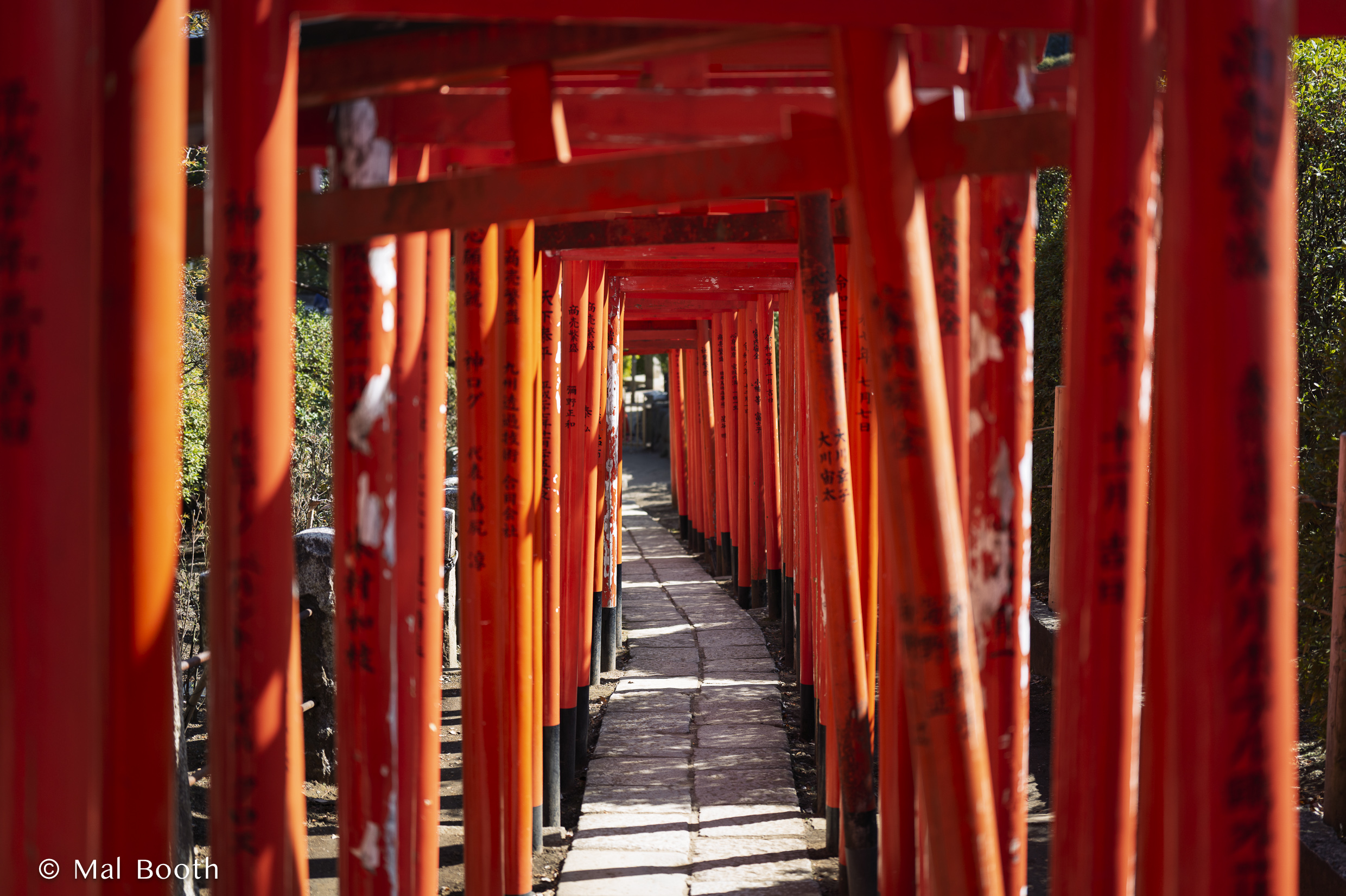
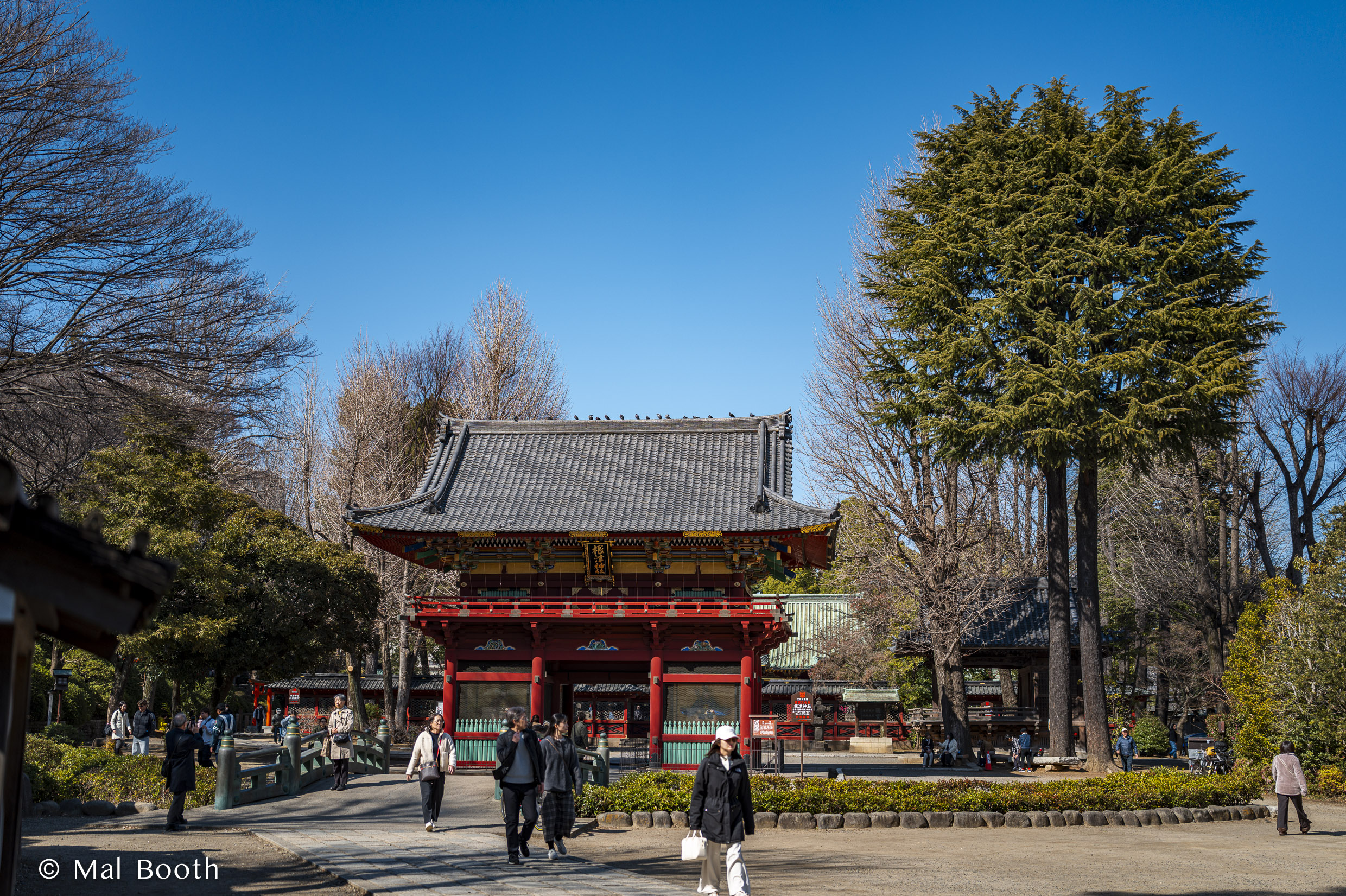

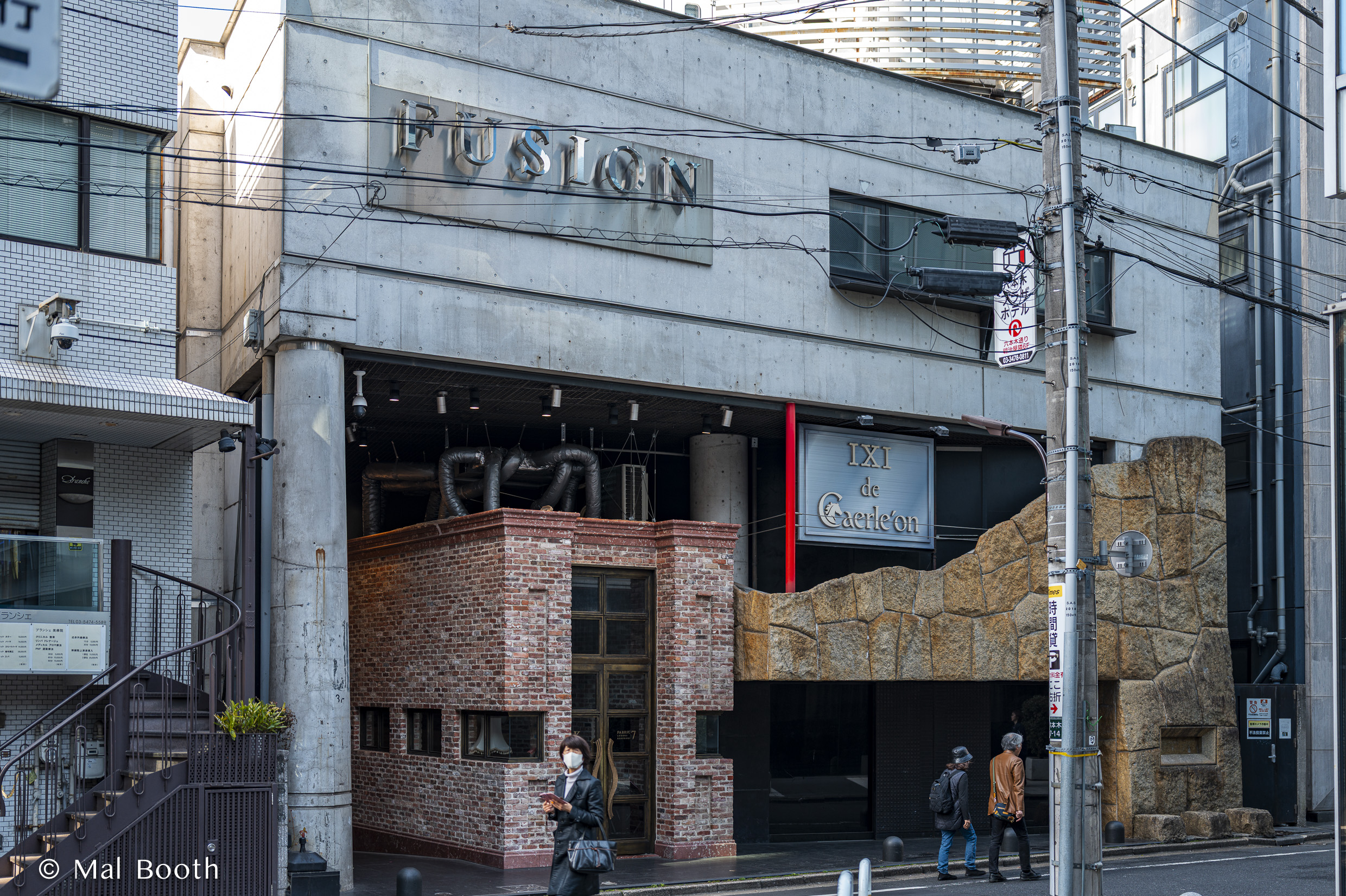

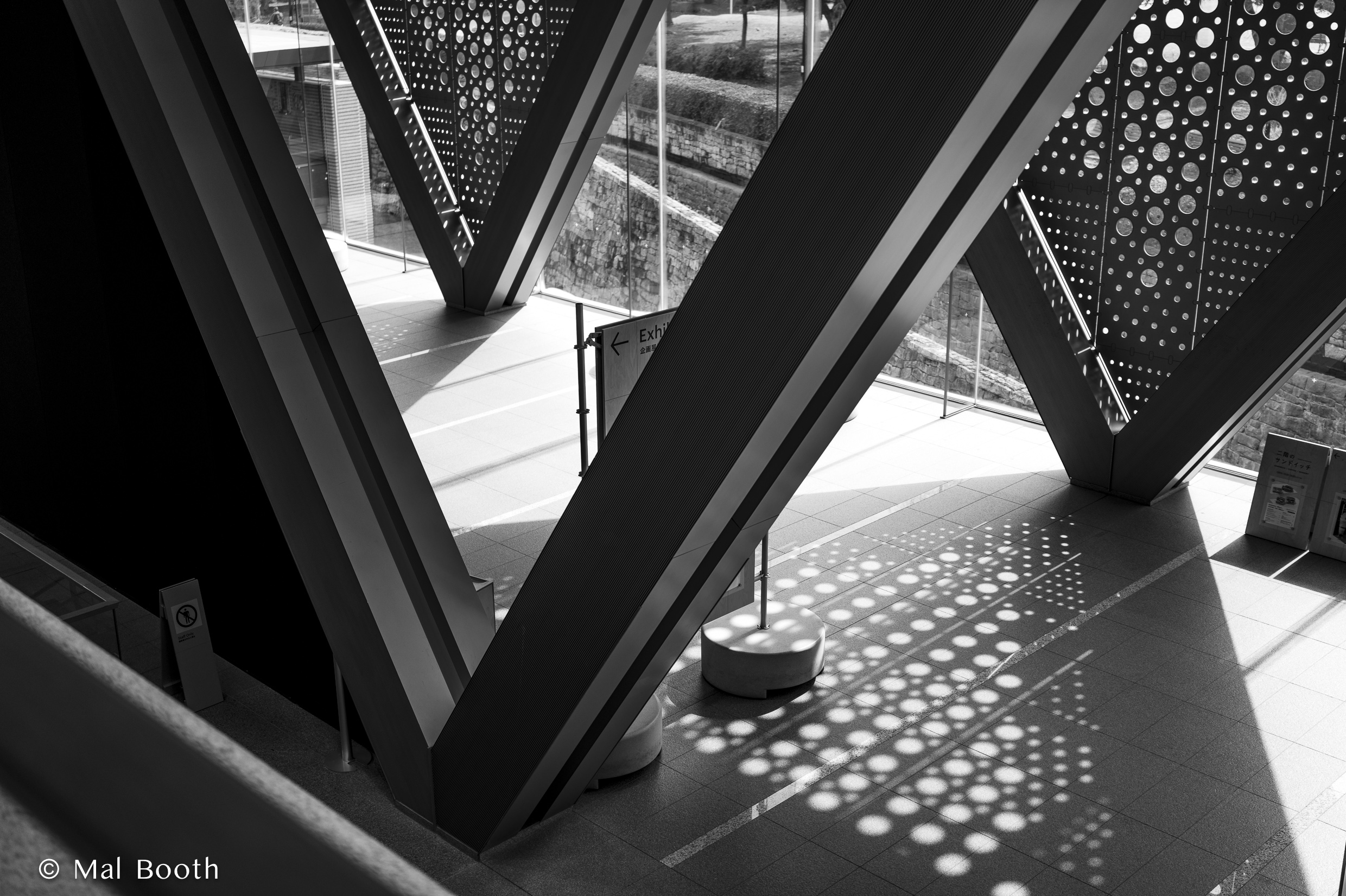
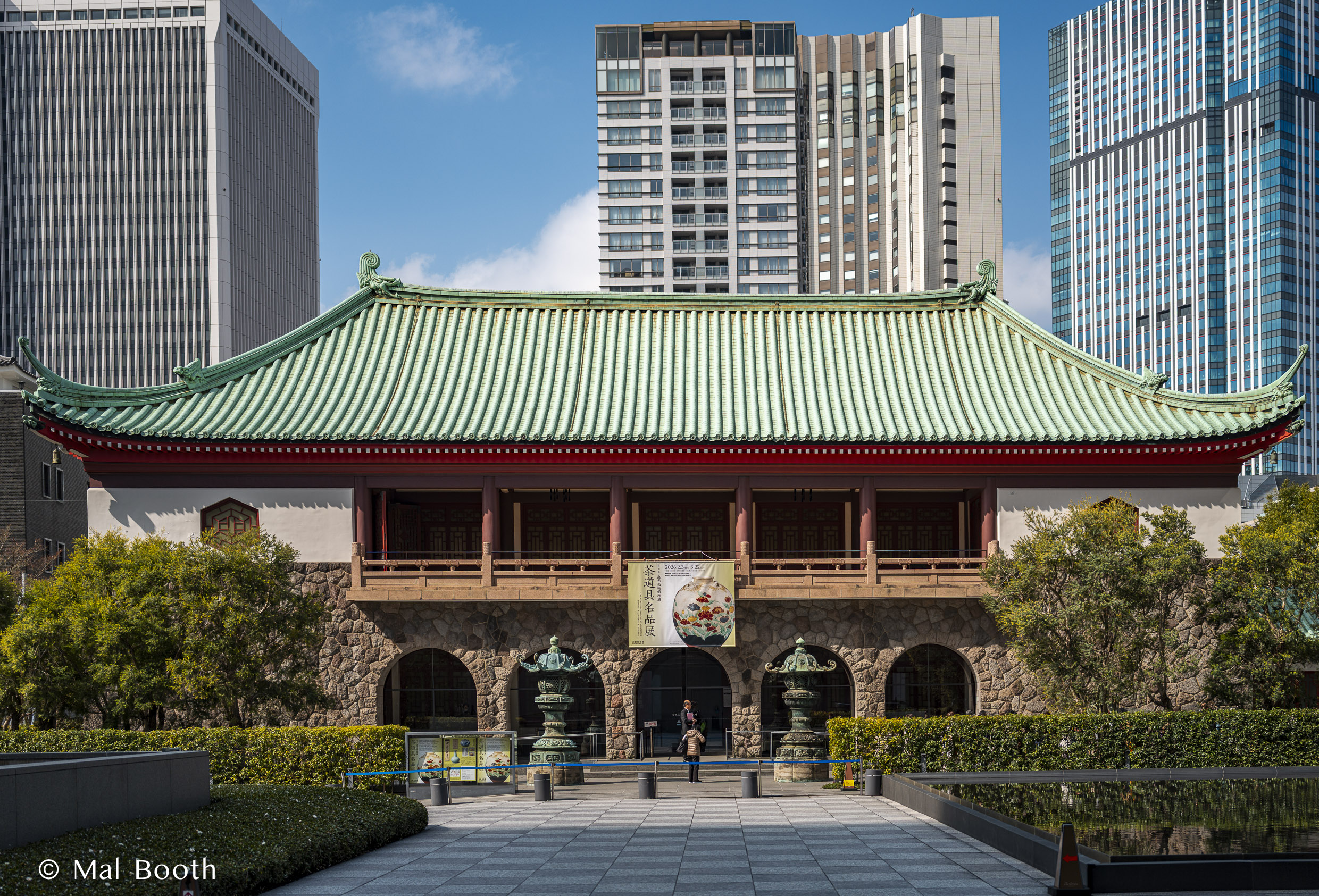

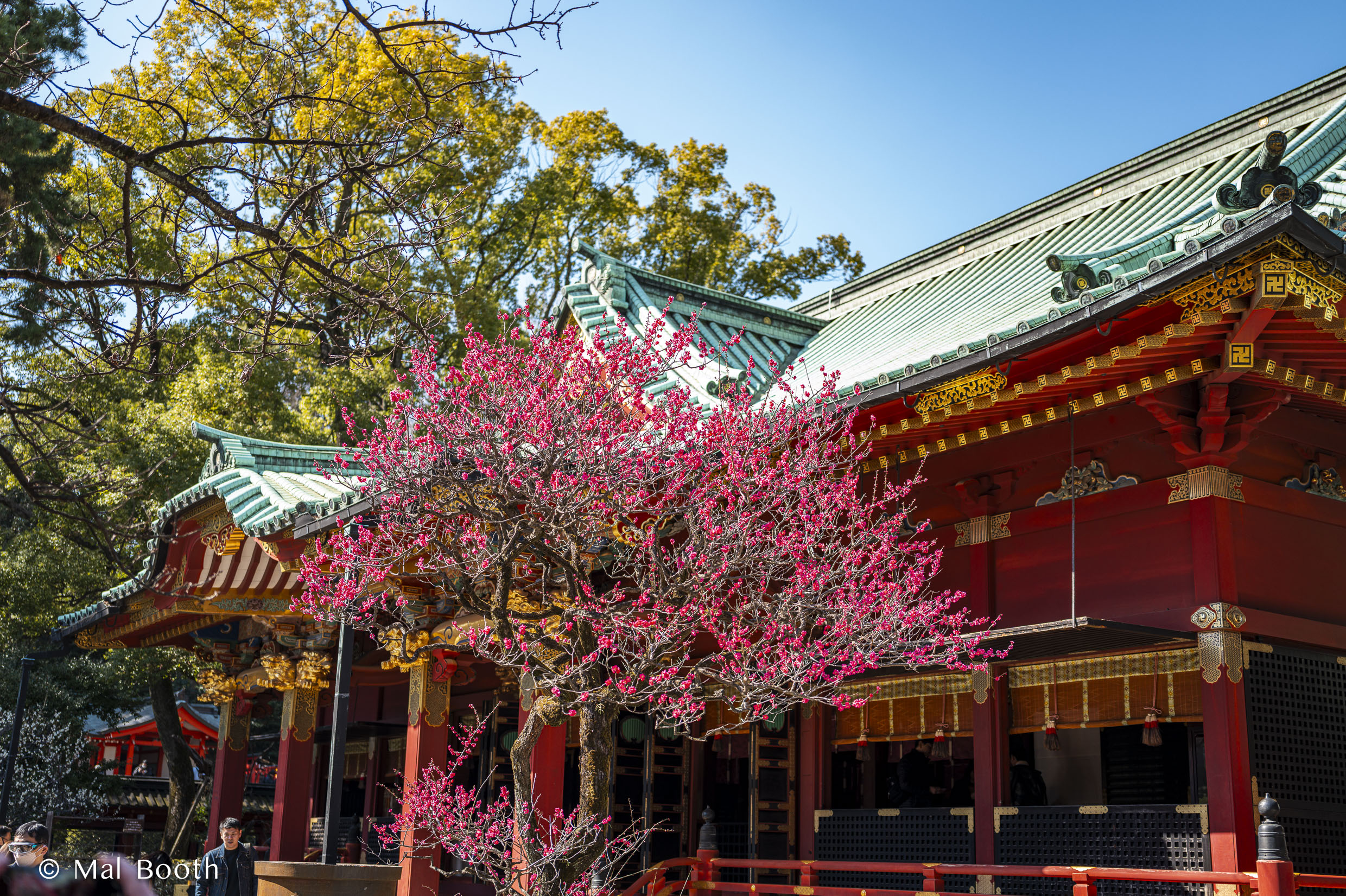

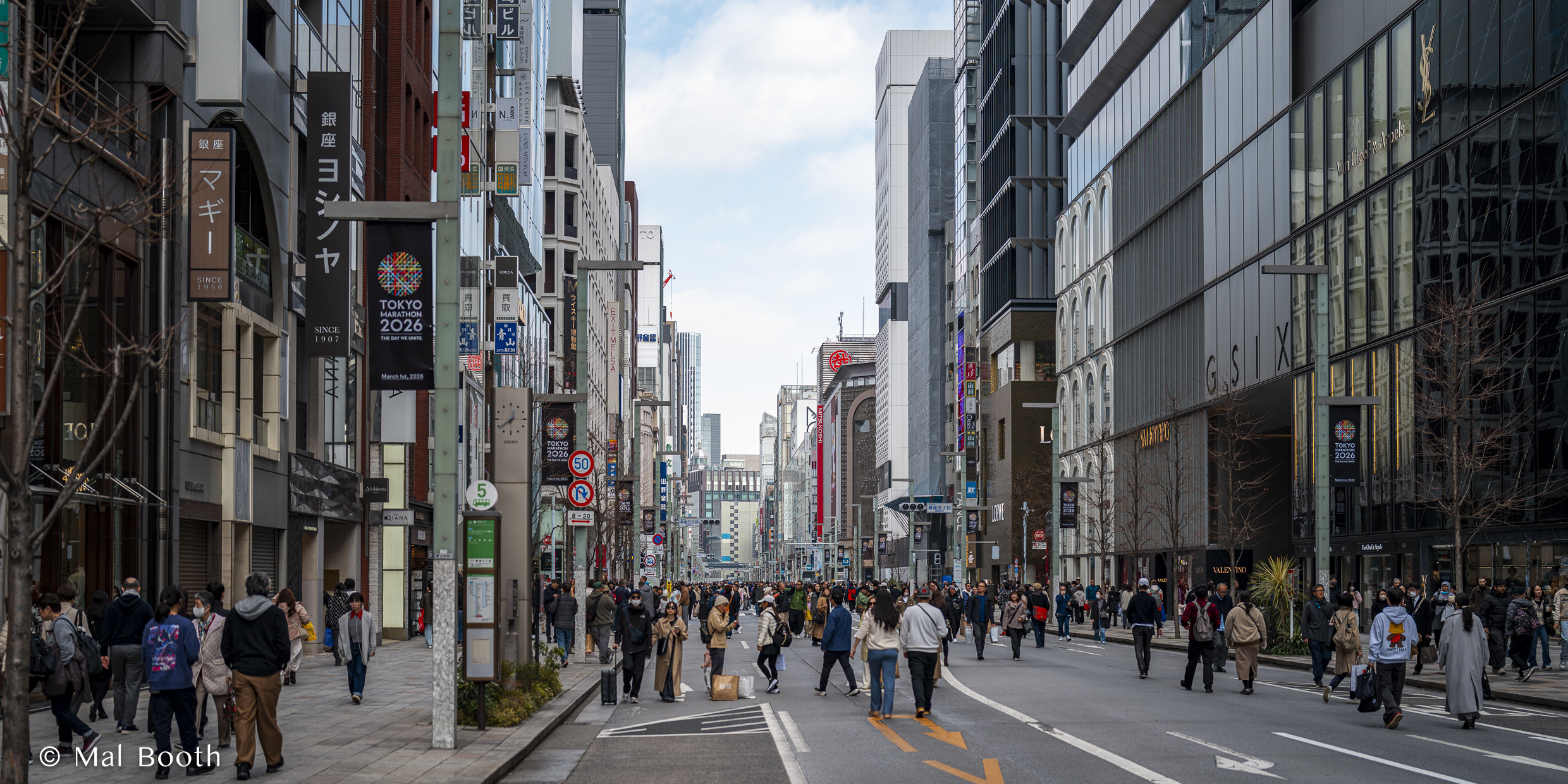
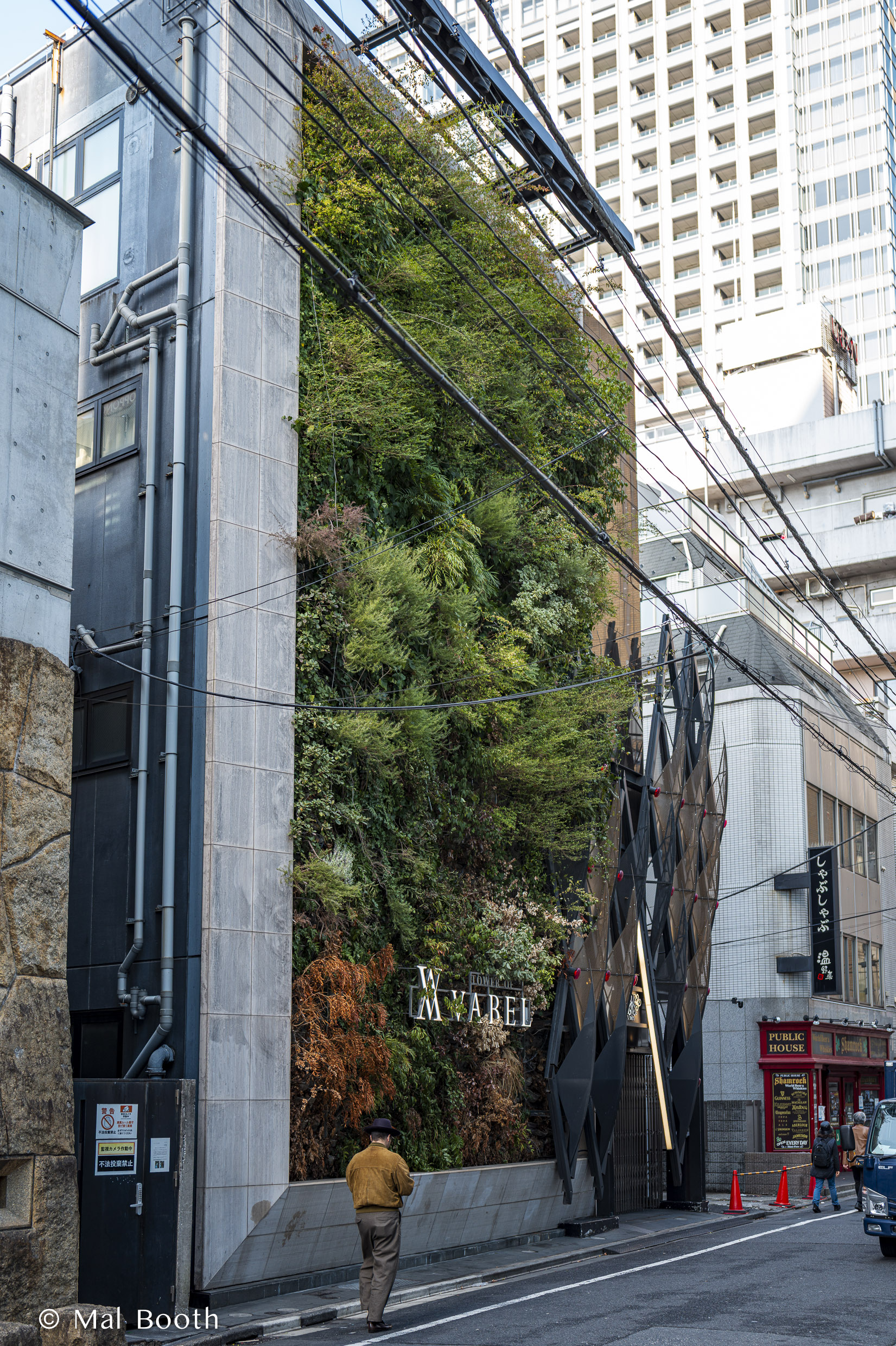

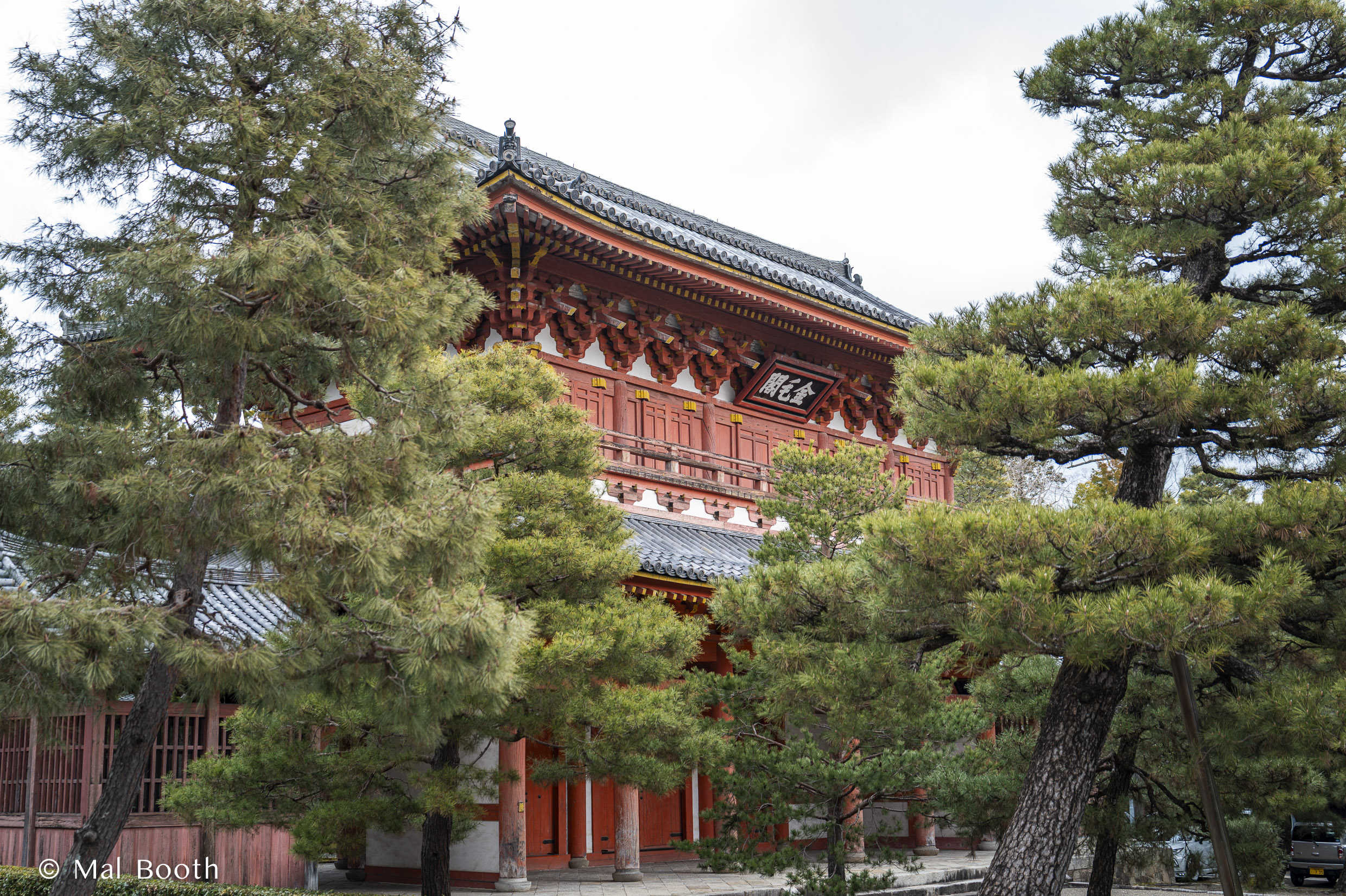
Images from Kyoto 2026










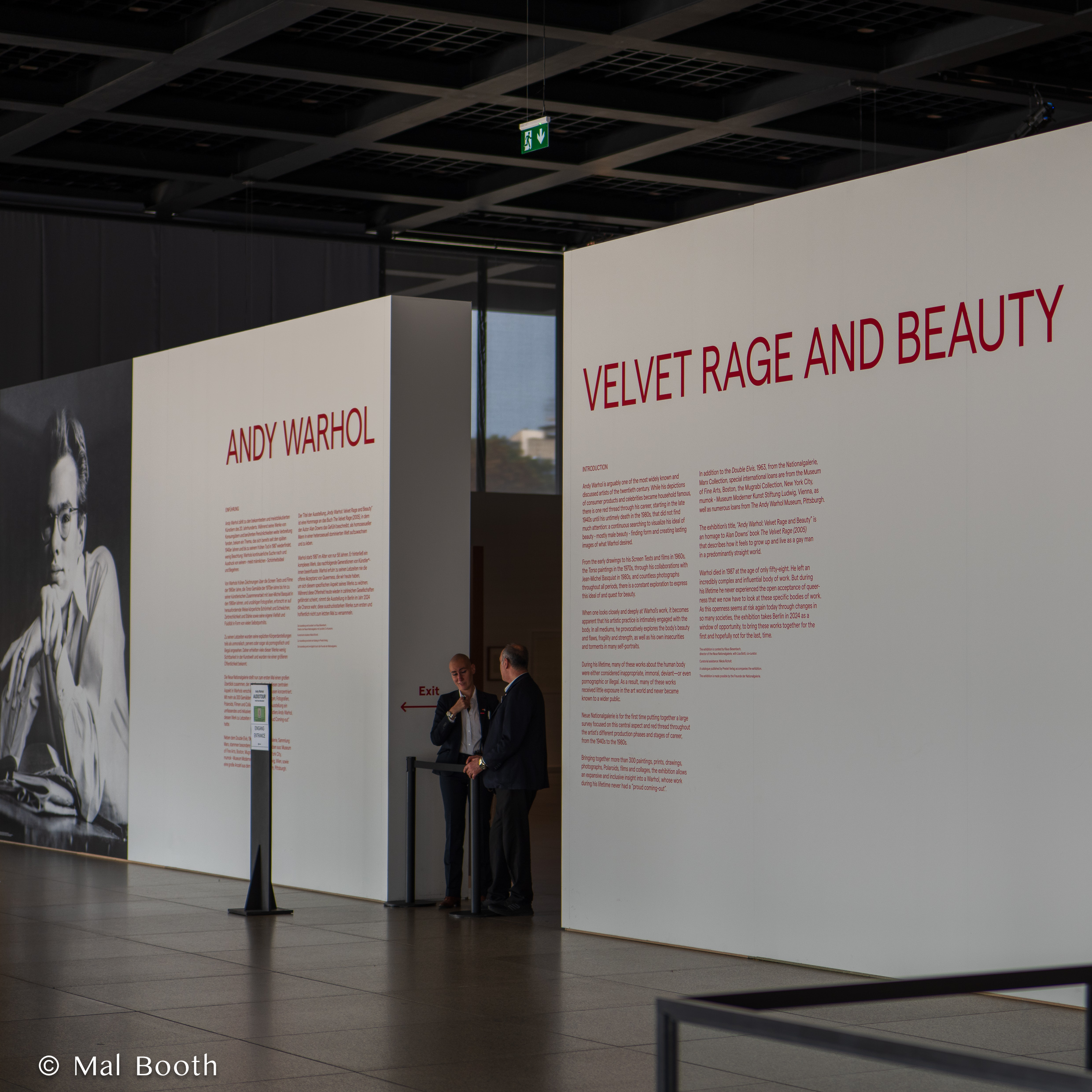
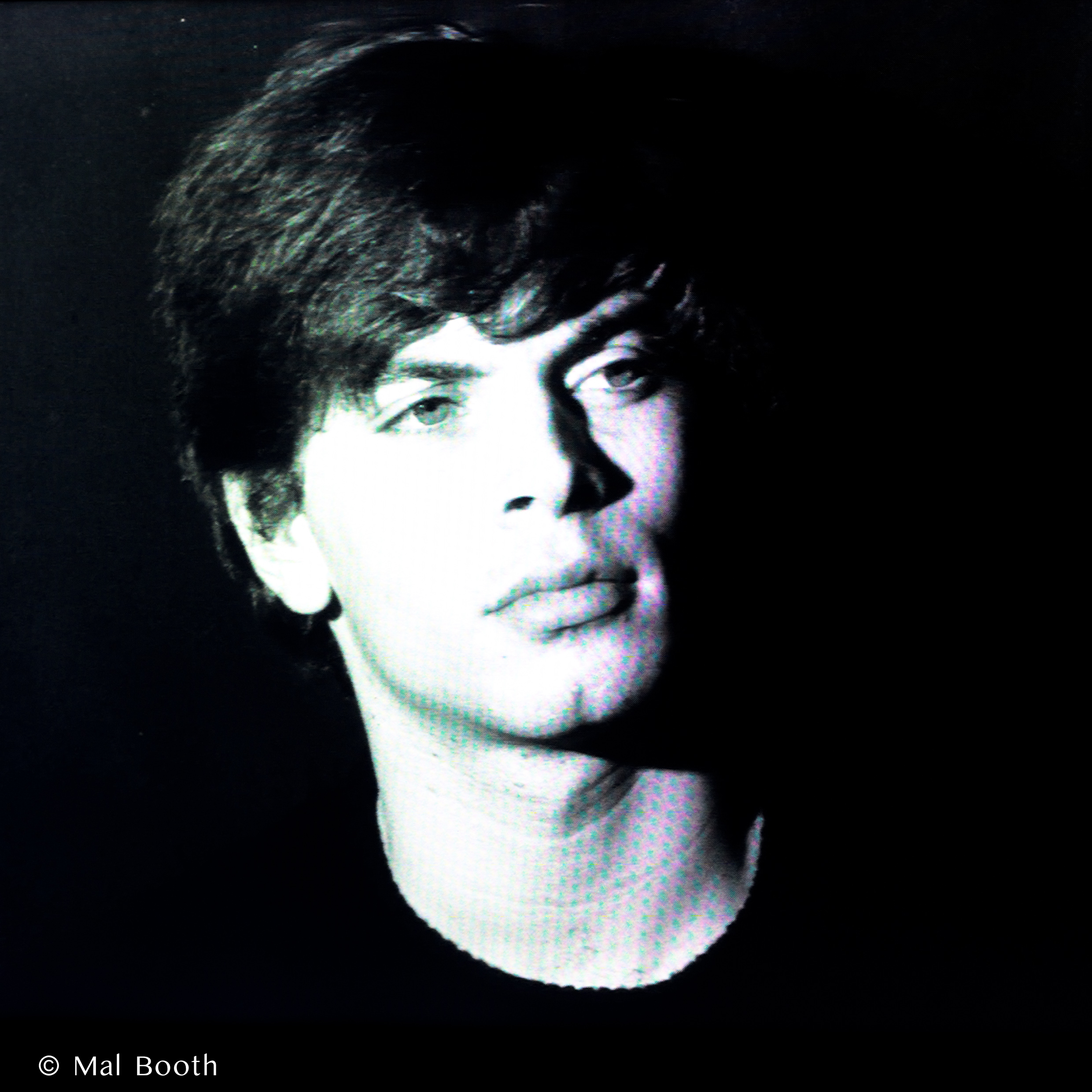
Andy Warhol: Velvet Rage and Beauty in Berlin
This post was taken down on Instagram because nudity (even in a globally significant art exhibition apparently) violates their “community guidelines”. Thanks so much for keeping us safe Meta. You have to be joking!
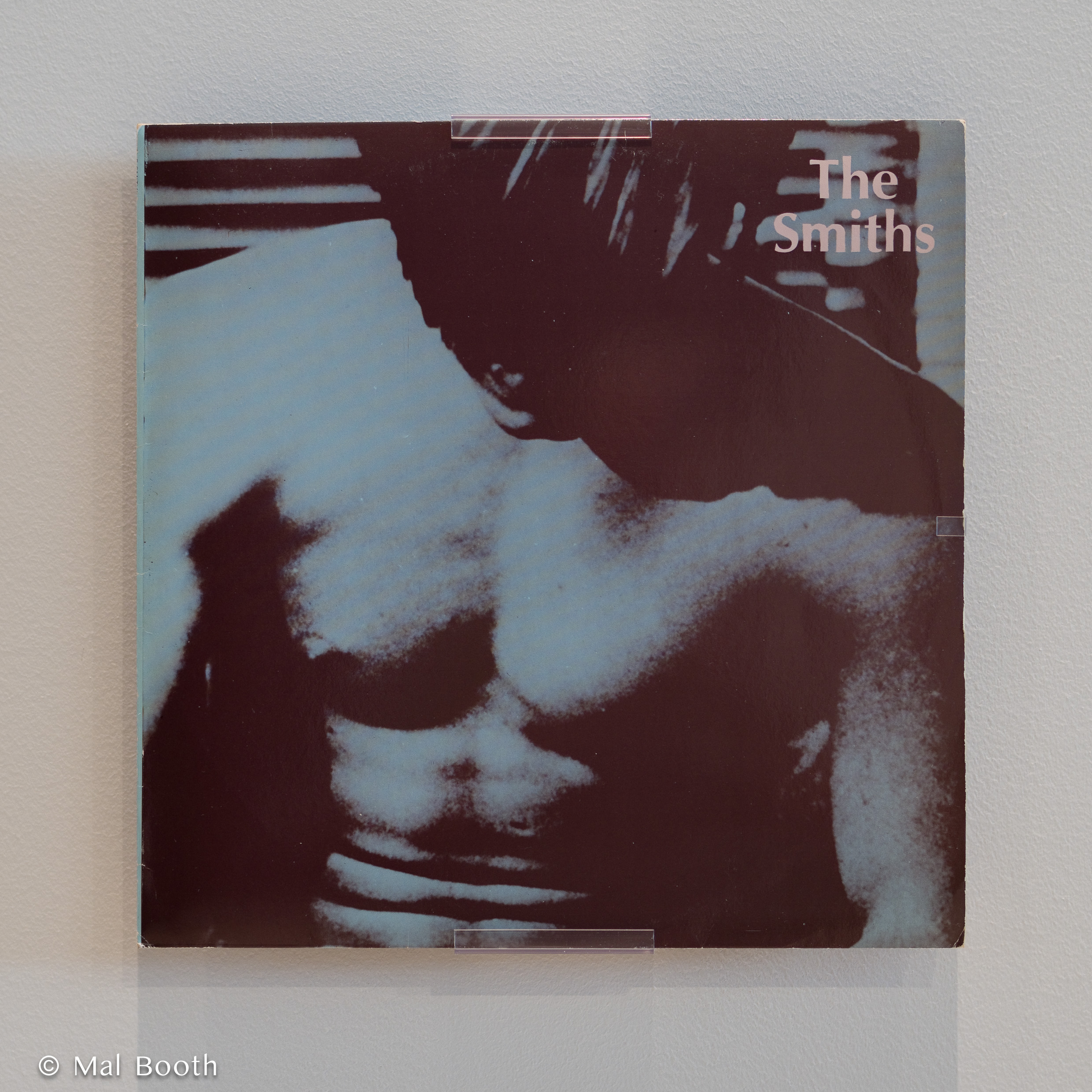
Anyway … while I was in Berlin in September 2024, I was fortunate to see Andy Warhol: Velvet Rage and Beauty at the Neue Nationalgalerie (one of my favourite museums and buildings). It is a huge exhibition including films, paintings, prints, records covers, photographs and drawings. I thought it was beautifully curated and very significant in terms of modern art.
So here are some photos that I took at the exhibition:





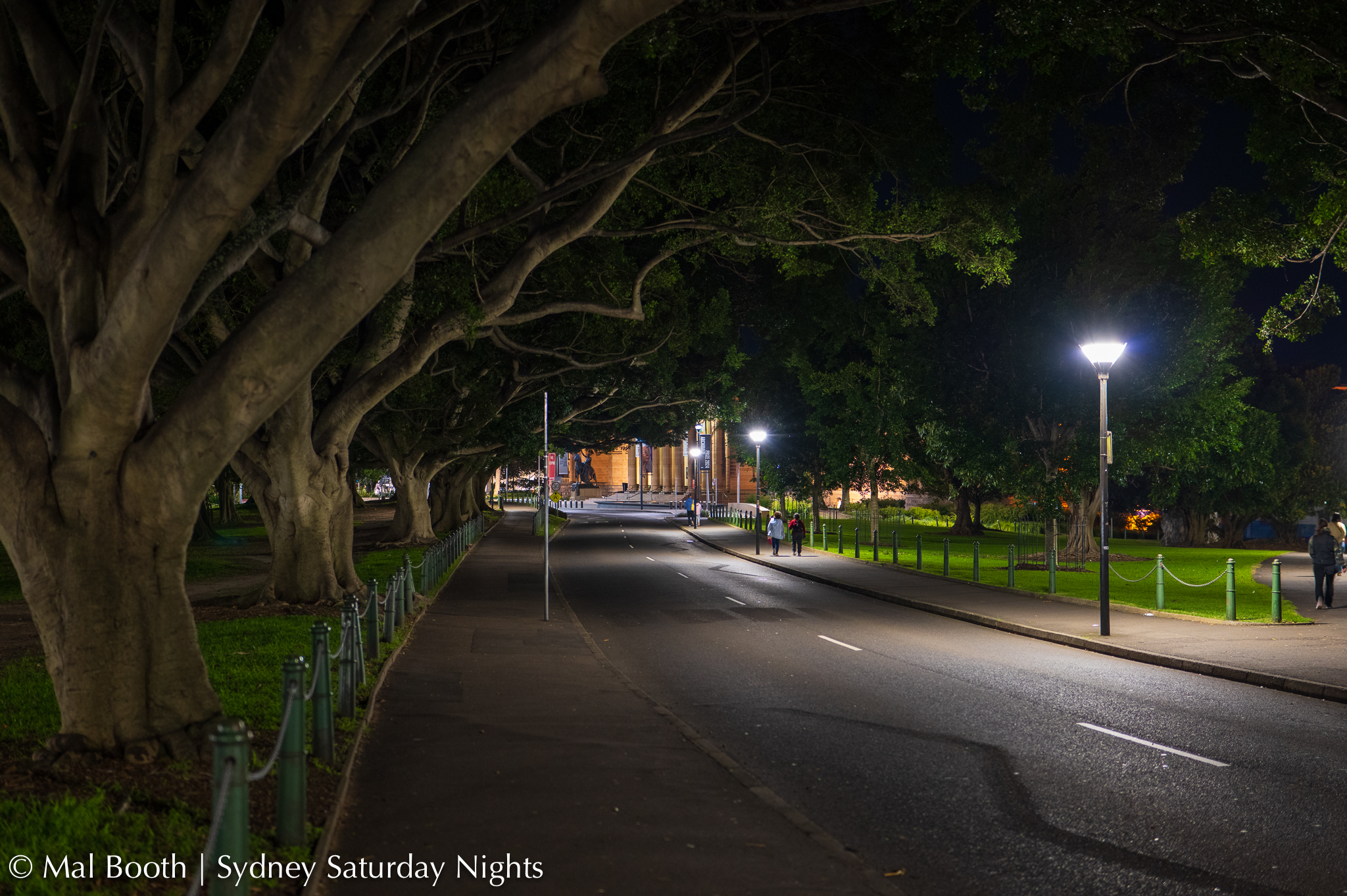
Some Recent Saturday Nights in Sydney
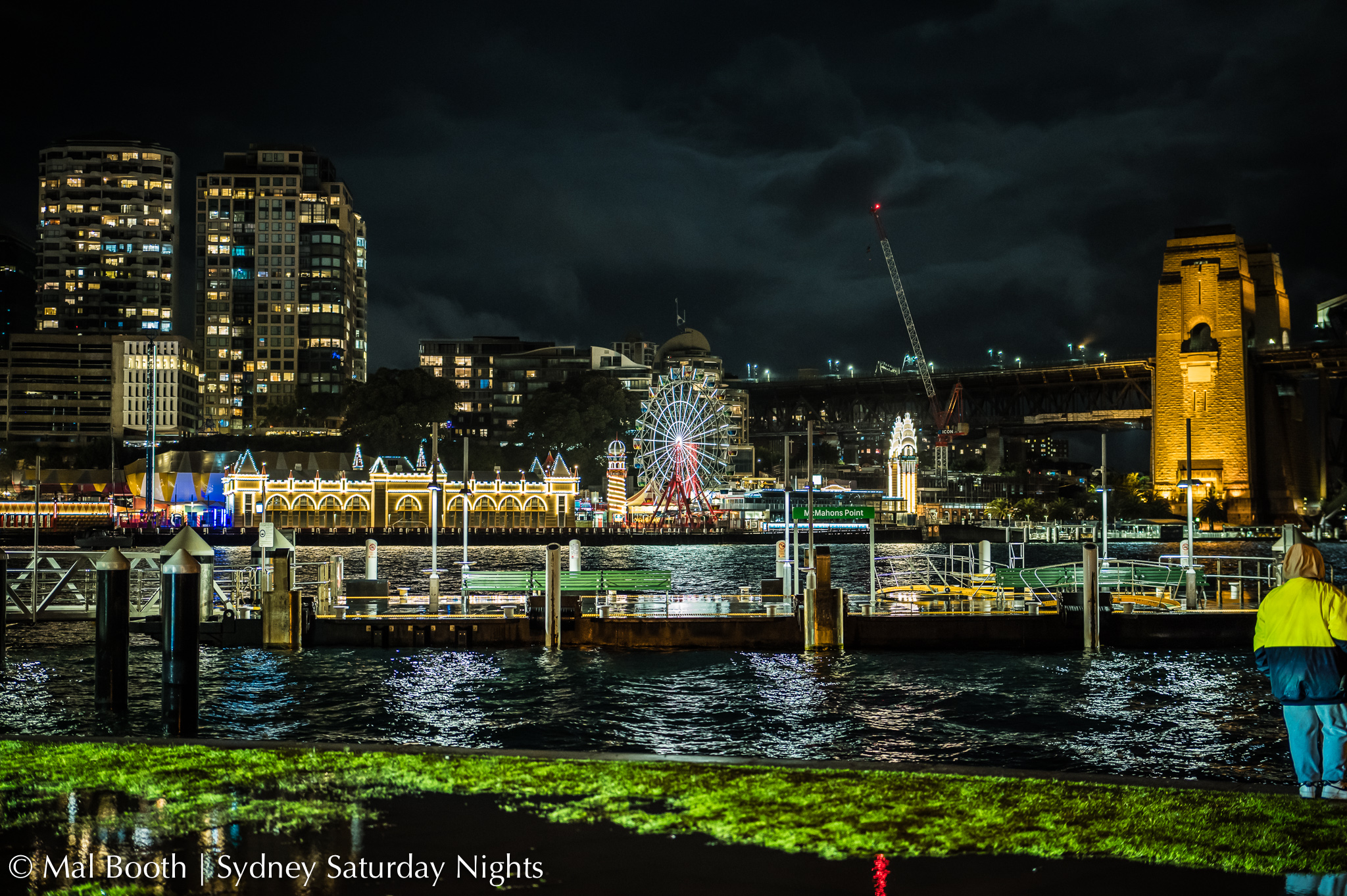
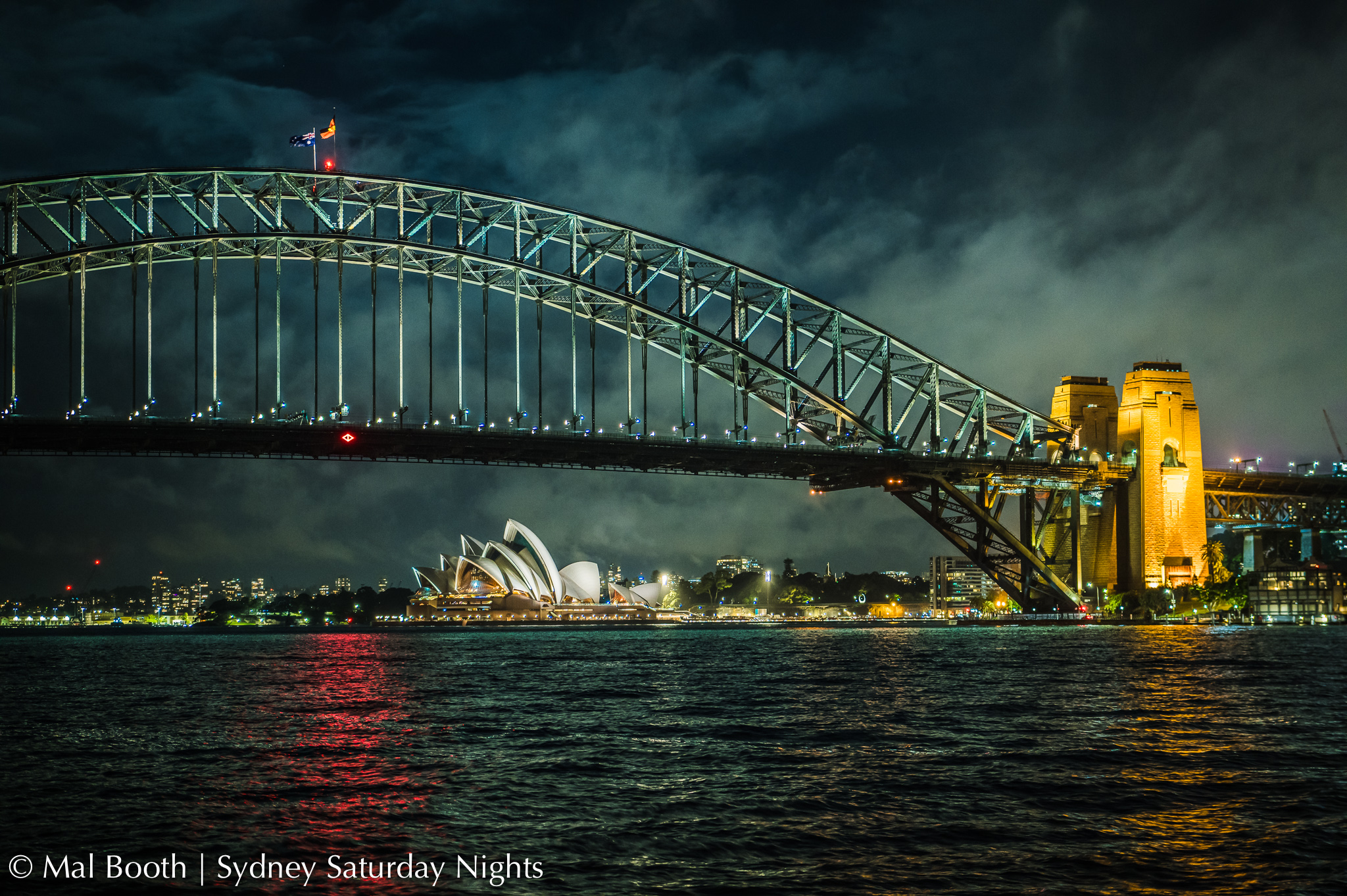
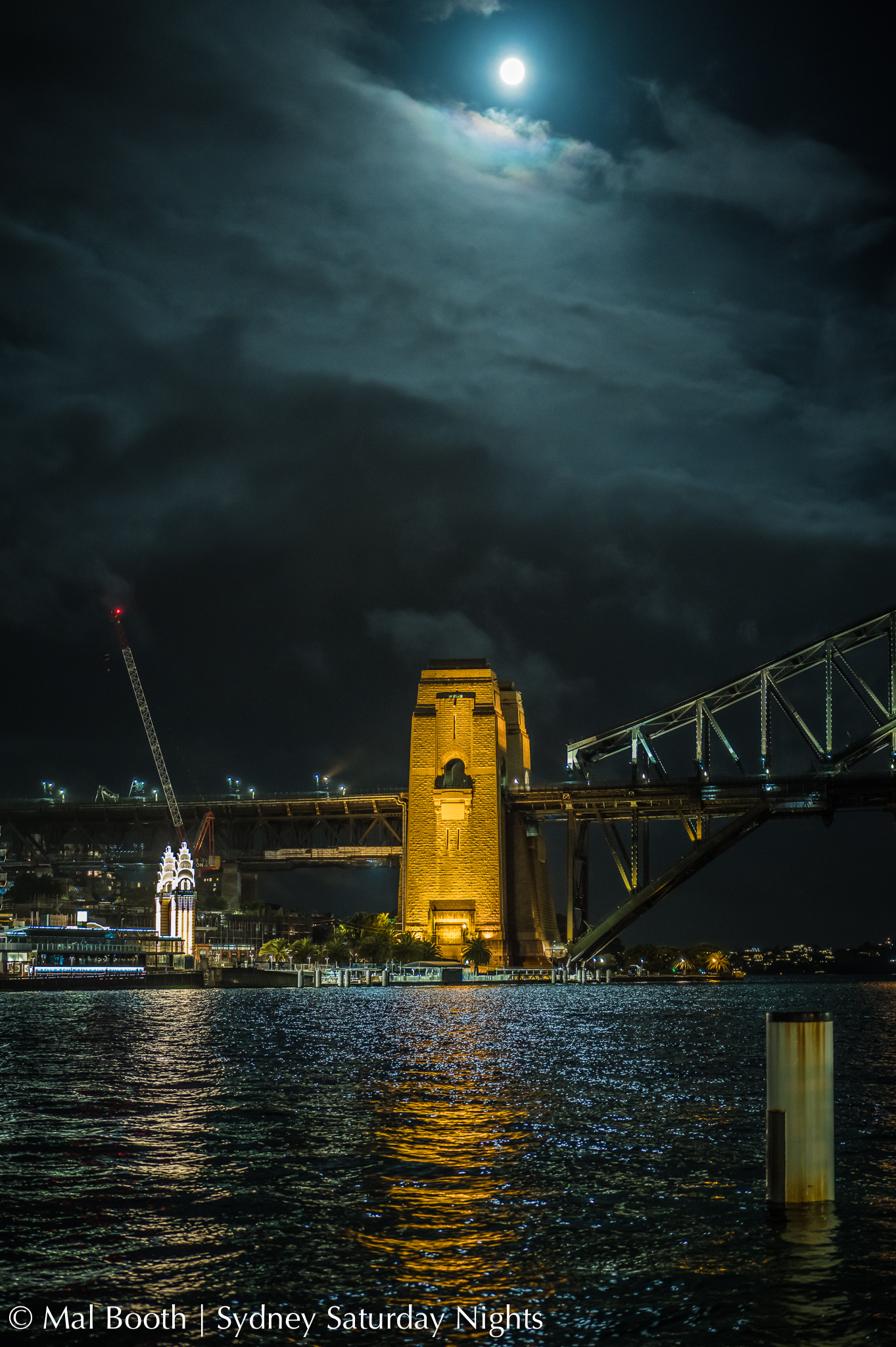
Just a little photo essay on some recent Saturday nights in Sydney.






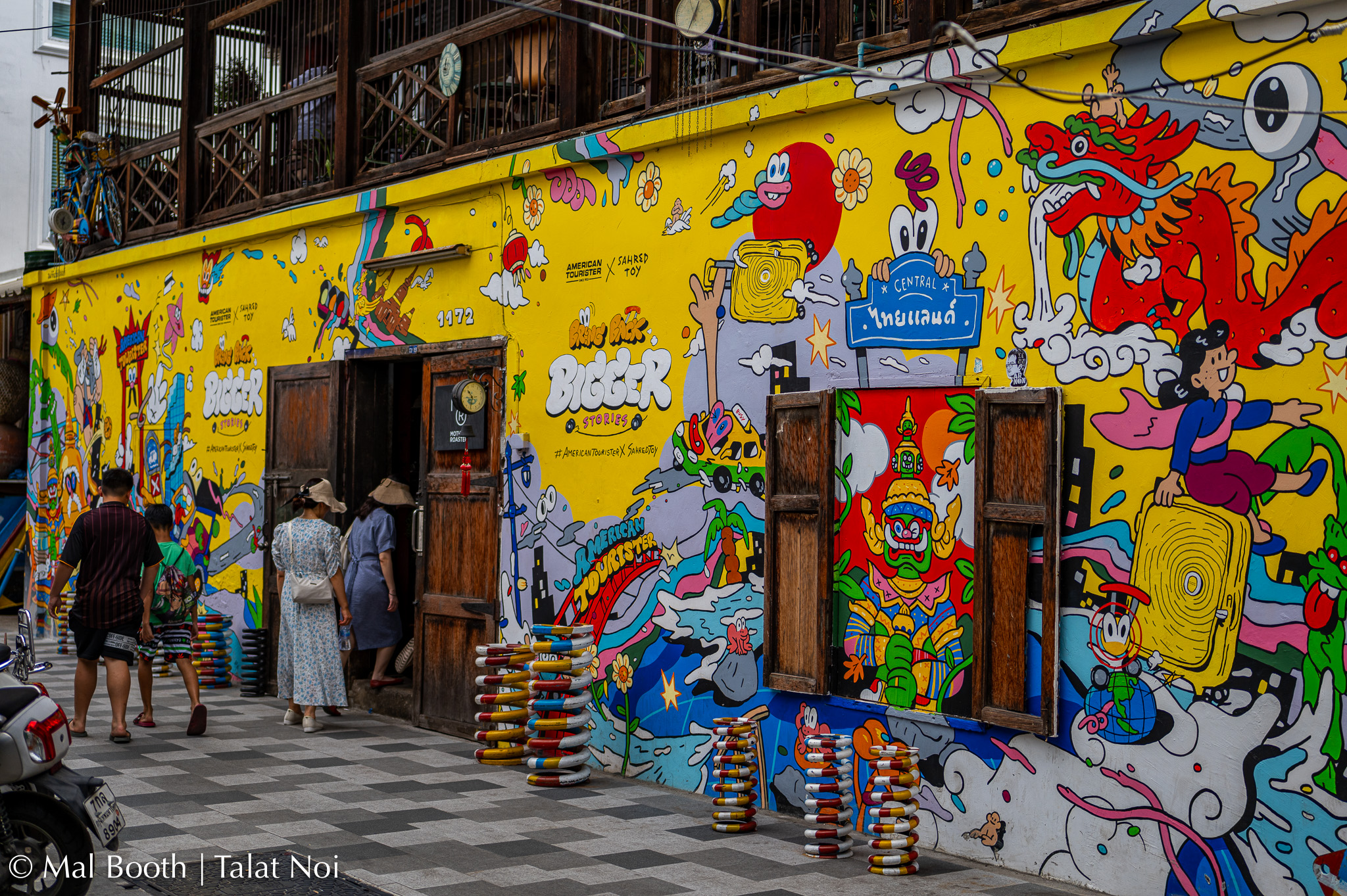
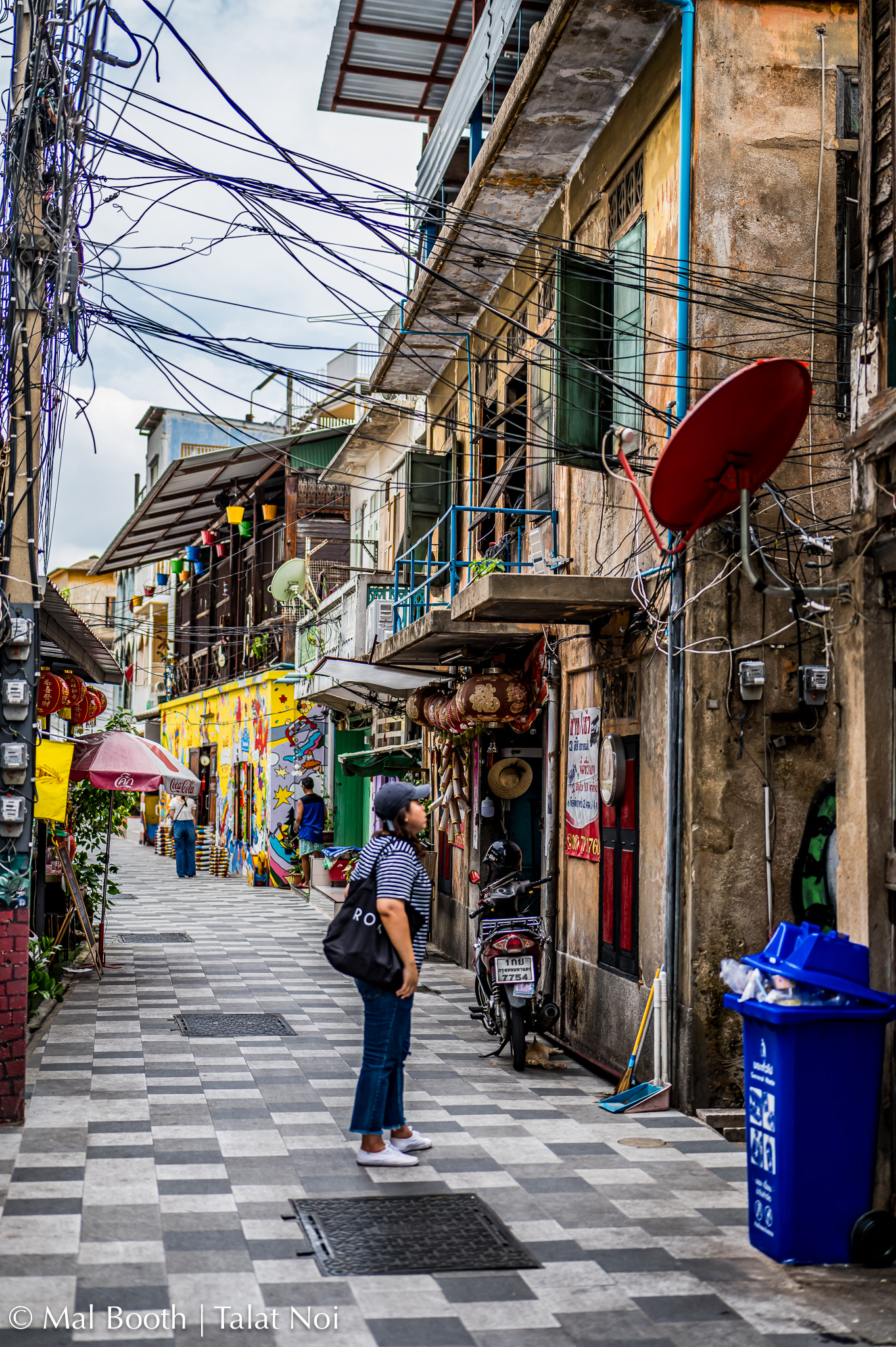
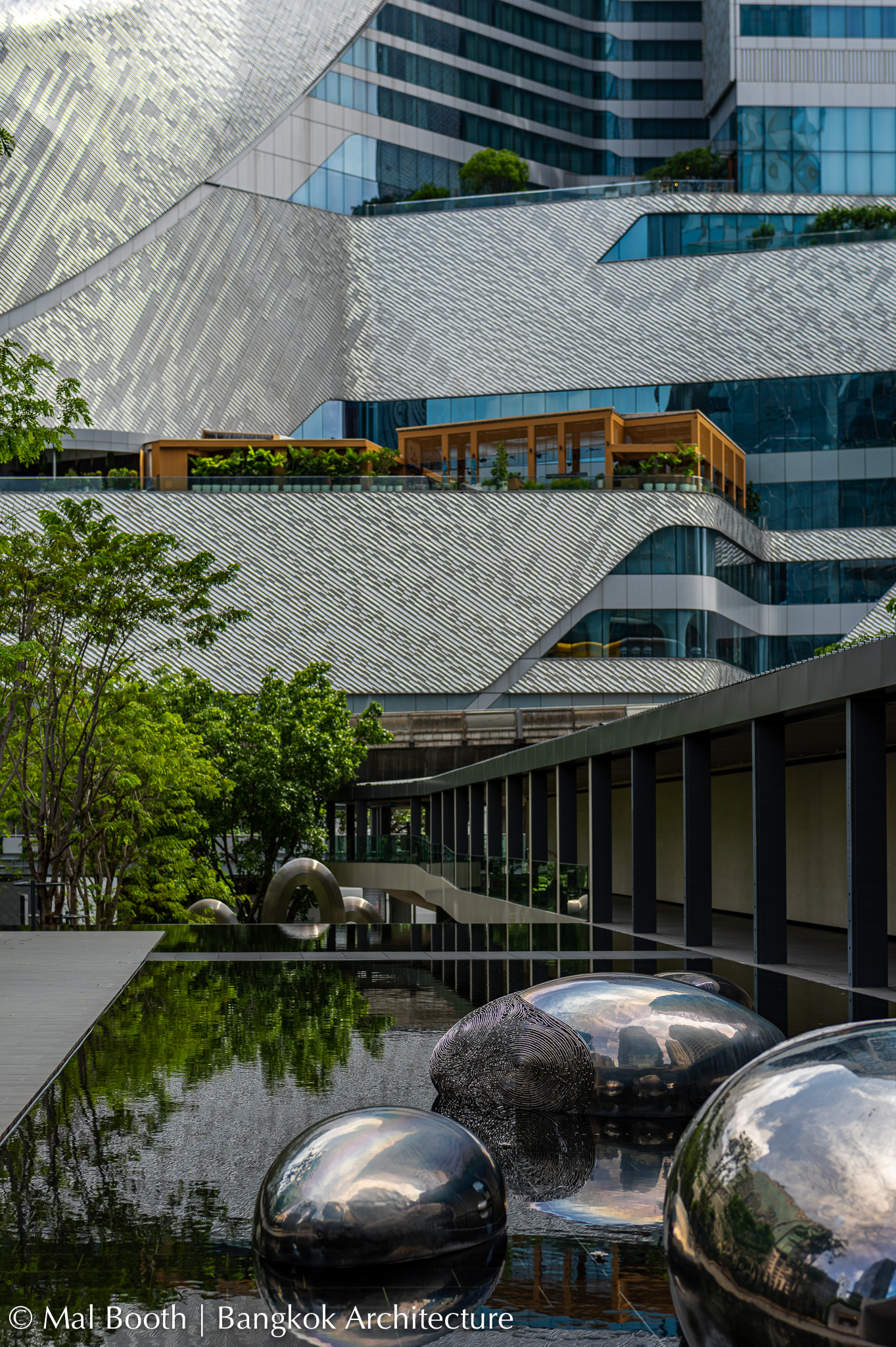
Images From a Week in Bangkok, 2024






What is Inevitable about UTS Library (Pt 3 of 3)
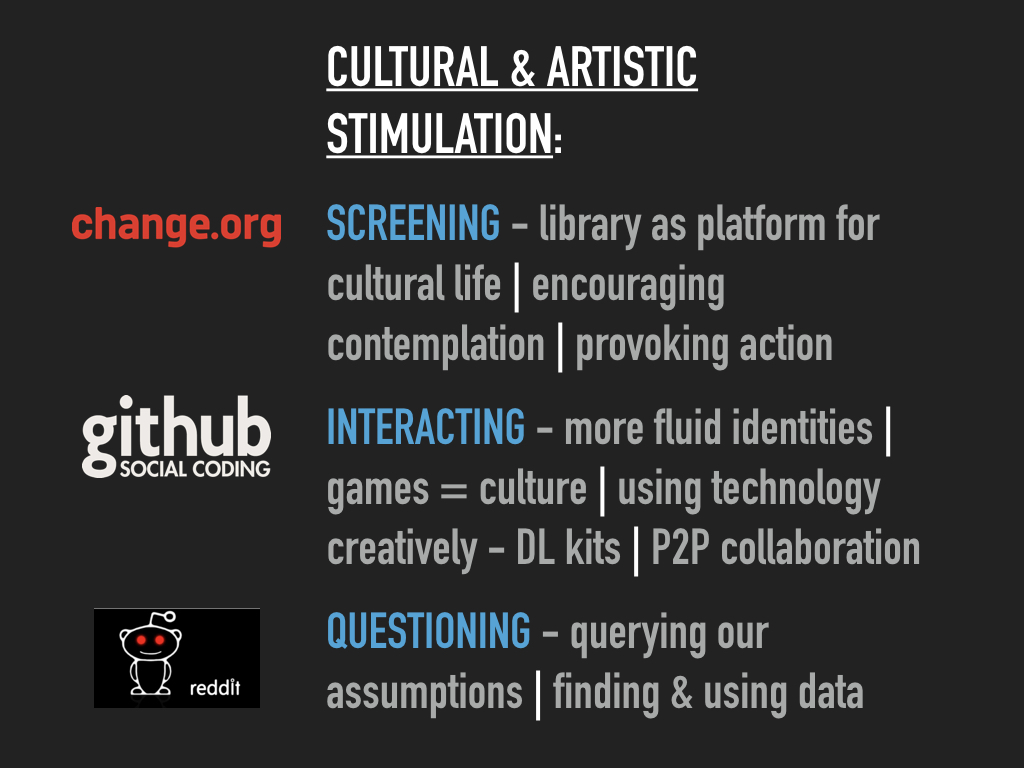
In The Inevitable, Kevin Kelly discusses every surface becoming a screen in the Screening chapter, but this technological force isn’t just about converting surfaces into screens. He also discusses the possibility for libraries to become platforms for cultural life within their communities and he writes of the importance of encouraging contemplation and how online activities can provoke action. I think we’ve done some of this with our Artist-in-Residence and Curations programs. They’ve both led to ongoing actions and we think they inspire contemplation and further thought with at least some of our users. These programs have certainly had Interactive elements, with the current Artist Timo Rissanen actually creating his work in the central library stairwell over several weeks. Our Artists have asked questions of us and what we do that we’d not have asked of ourselves. This has enabled some reflection on our part and led to improved services, including with our search and discovery platform and our way finding signage.

http://www.lib.uts.edu.au/about-us/artist-residence-program/shelf-life-exhibition
At UTS Library the influence of Chris Gaul (our first Artist) cannot be overstated. He has had a significant impact on how we view our collections and this has led to ongoing improvements to discovery as well as search interfaces. His pioneering Spectogram has been recognised and reflected upon by several of our subsequent artists. He played a significant part in establishing a design-led visual identity for UTS Library.
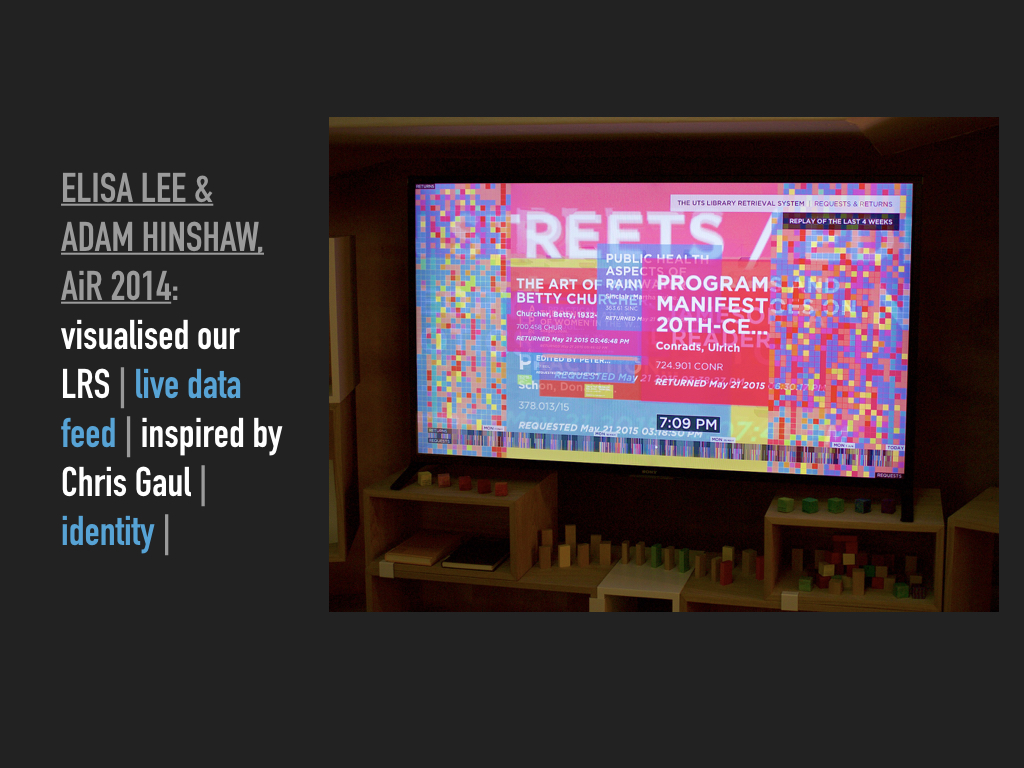
Elisa Lee and Adam Hinshaw were asked to artistically interpret the use of our new Library Retrieval System in 2014. This ambitious project resulted in a truly amazing live data visualisation of the requests and returns to this huge robotically served underground storage system. Their work was inspirational and playful. It also added an important dimension to our identity as experts in data at a time when UTS was focussing itself on the importance of data and data analysis.
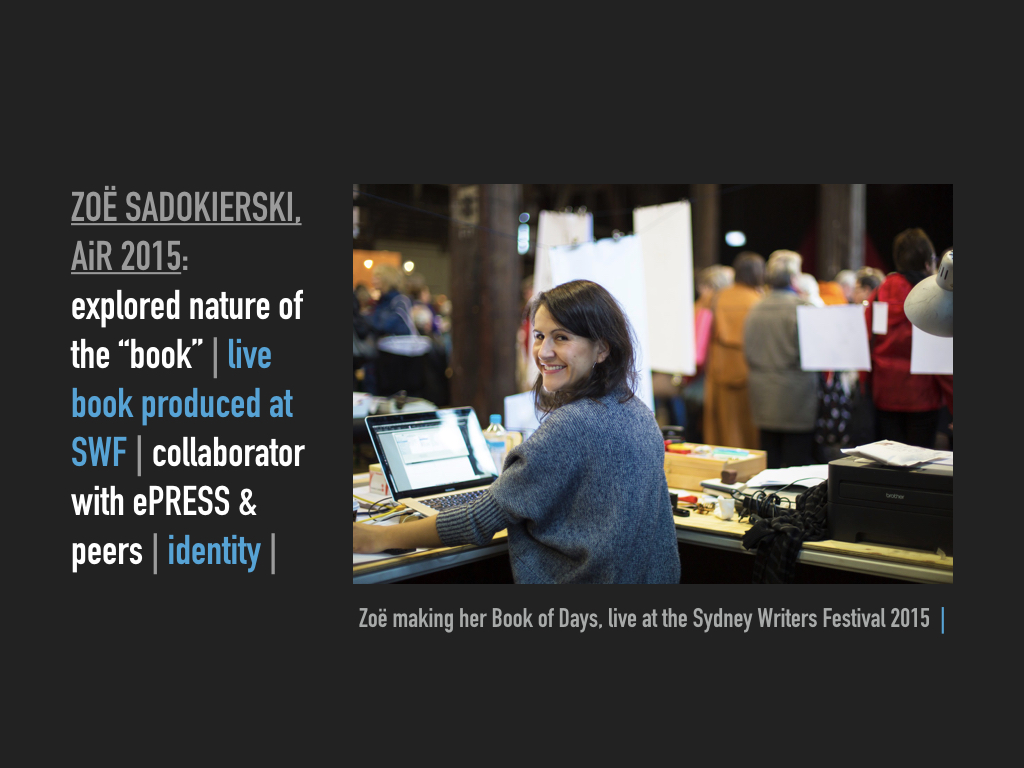
http://cargocollective.com/thebookis
Zoë Sadokierski followed Elisa and Adam in 2015. She has been a long time collaborator with the Library through her design work on various experimental formats for ePRESS, in her artistic installations within the Library and by sharing her research on the intersection of print and screen technology (as opposed to the myth that circulates about these two being competitors). Her Residency explored the very nature of the book through research and by producing artist’s books. She also conducted a very interactive and collaborative production of a book live at the 2015 Sydney Writer’s Festival. Like previous artists her work has had a very significant impact on our visual and physical identity as a library.

Starting in late 2016, we added digital literacy kits to our collection. Including low cost technology like Sphero, Makey-Makey and basic VR, these kits have been incorporated into both our own staff development and our educational programs for academics and students. They represent a playful way to introduce technology literacies, expanding on our traditional role in developing information literacy skills.

What is Inevitable about UTS Library (Pt 1 of 3)
This is the guts of a presentation I gave at EduTECHAU on 9 June 2017. It’ll be a bunch of images, text to explain those images and a few links.
Thanks to my colleague Dr Belinda Tiffen for her assistance with this presentation: she is much smarter than me.

Last year I read Kevin Kelly’s book The Inevitable and I was struck by the way he described the 12 technological forces that he thinks will shape our future. The forces are named in the image above, but they’re not all that easy to understand. I’ve thought more about them and believe that at UTS Library we are actually making progress in all these areas, not always exactly as he describes, so I’ll outline what some of our initiatives are in the following images and text. For the sake of brevity, the only force I won’t be illustrating is Tracking, but rest assured that we are already doing some of that too and in fact you can see it in some of the examples I am using.
I am concentrating on three major areas: discovery and search; open access; and cultural and artistic stimulation.
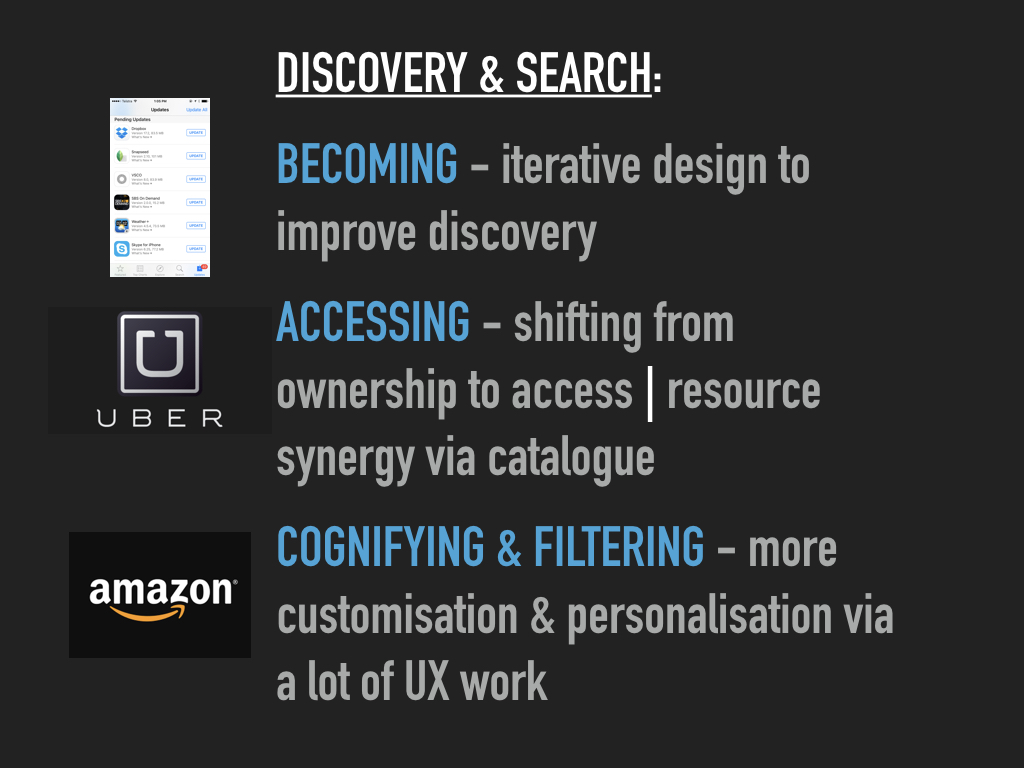
For Discovery & Search I see our efforts are consistent with the four forces and examples illustrated above: Becoming; Accessing; Cognifying; and Filtering. We are in the process of completely redesigning our discovery interface on the basis of some in-depth UX research that we conducted ourselves. We have long taken an iterative approach to website and digital services development, and our latest work builds on that. In our UX work we have recognised that there is a spectrum of user needs and behaviours from search to discovery, so we are adding new features to aid and enhance discovery, but they are designed in a way that will not distract or delay those searching for known items and wanting to get out of there fast. Our collection development has seen major improvements with regard to collaborative borrowing arrangements and these options needed to be carefully included and distinguished in the search/discovery catalogue in order to increase the options available to our users, while not confusing them with respect to immediate availability. Finally as others like Amazon, Uber and Netflix have done we are introducing features that allow for a more personalised and tailored search and discovery experience, should the users opt in.

In response to our research insights and user feedback, the following slides outline the initial user interface concepts for UTS Library’s new search and discovery system. These solutions have been designed from the responses and feedback gathered from our previous wireframe prototypes.
The following design concepts will be developed into a working prototype where the new search engine can undergo further user testing in conjunction with the user interface.

Overall search page results in our catalogue. From left to right you see columns arranged to show search filter options; search results list and a new contextual discovery panel.
The addition of a contextual discovery side panel to provide the user with results that are personalized to the individual. This feature will assist the user in the discovery of information that the system believes will be helpful to them. Information will be displayed based on their search request and will provide related content matched to a logged in users profile.
Article results intergration: A common request amongst users of our current system is for the ability to combine Article results in a search with Books and Journals.
Using the default ‘All’ search, the new system will combine the top 3 Article results alongside Books and Journals.
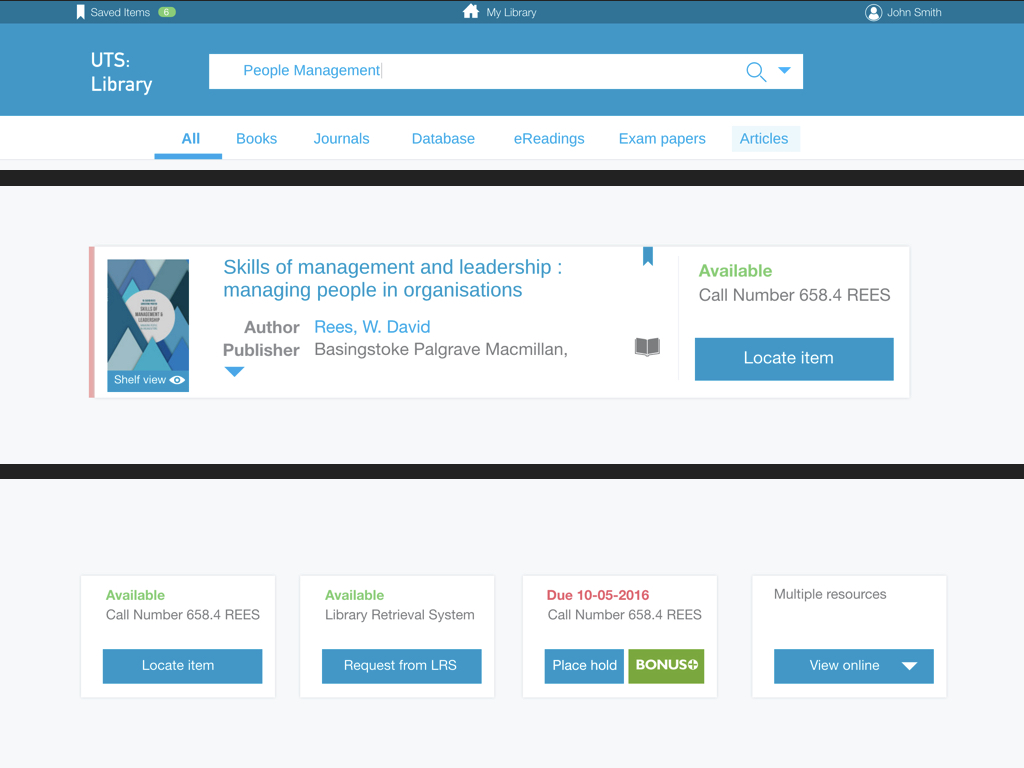
This slide shows a few new features related to the item display within search results:
- Ribbon colour display: (LHS of record) Integrating the colour ribbon into the catalogue items establishes the direct link between the two. For users, this creates a better understanding of the search functionality the ribbon has. It also more directly displays the relationship between the search results and the items physical location within the library
- Shelf view: Shelf view button is located under the book cover display; this better suggests shelf views functionality to the user.
- Save item: Save item button enables a logged in user to quickly save an item of interest to a list.
- Item status: Improving the clarity of an items status means a user can quickly see an item’s availability and its location.
- Locate item: Simple and clear call to action buttons has been added to each item. This button describes the necessary action to preform in order to get the item.
- Call to action buttons (options are shown in the lower image above) The description on the call to action button indicates to the user where that item is located. For example, an item on the shelf will indicate where to “Locate item” or if an item is in the LRS it will indicate to “Request from LRS”. If an item is unavailable the call to action button describes to the user what further options are available to receive that item. When multiple resources are available for one item the button will display a drop down menu. This drop down will display the available recourse types to choose from.

Discovery of related items: The contextual discovery panel (“You may also like …” on RHS of full item page) will have the flexibility to provide related content to a particular item. On the Item page, the discovery panel can suggest related books by the same author or display items other people have viewed or borrowed.

It is of course fully responsive design, meaning the experience is fully optimised for mobile devices.
End of Part 1. Part 2 is here. Go there now. Do it. You know you want to.
Goldstone – review #sydfilmfest
I saw this at the wonderful State Theatre where the sound system, screen and setting highlighted the brilliance of the multi-talented Director Ivan Sen’s cinematography and music. This mystery and thriller follows on from his previous feature Mystery Road, also staring Aaron Pedersen as the hero, Indigenous detective Jay Swan.
The film starts brilliantly just with some of Ivan’s music and some well selected glass plate negative images from various state libraries and archives. They looked brilliant on the big screen and I was reminded of the same technique being used in Ken Burns’ Civil War series.
The two leads and twin heroes of the film are Aaron as Jay and Alex Russell as Josh the local policeman. Alex takes us on a personal discovery of his true character and Aaron learns more of his past. Almost stealing the first part of the film with a very dignified and mystic screen presence is David Gulpilil as Jimmy, a local elder. One of the film’s highlights for me was the bark canoe journey that Jimmy takes Jay on through what looks to be a sacred local gorge. He seemed to me to be singing the local history to Jay through their journey in that gorge. Gorges like this always look like natural cathedrals to me.
Apart from that gorge, the rest of the scenery is almost all desolate – barren, rocky and dusty, but Ivan arranges some beautiful overhead shots that are perfectly framed to highlight the natural colours. These are almost like one of Fred Williams’ later paintings from a similar perspective.
The film reminds us of the choices we make in life and the costs and consequences they have on others and our environment.
The two key creepy baddies in the film are played by Jacki Weaver and David Wenham. Both seem to almost be reprising corrupt creepy bad character roles from previous films. Jacki is a convincingly strong-willed greedy evil manipulator, but I think it is too close to her matriarch role from Animal Kingdom. And David needs to develop a new creepy look that doesn’t involve an awful hair style, some 1980s glasses and clothes from the era of the safari suit. My only other small gripe is that I think we could have seen and heard more of Aaron’s Jay. Jay seemed to have a much stronger presence in Mystery Road.
Both Aaron and Ivan made brief appearances on stage before the film started and answered a couple of questions. The SFF do this kind of thing very well.
My Bruce McAvaney Specialness Rating*: 4/5 (Most people would think this to be special.)
Some thoughts about academic libraries
These are the slides I used in a Skype presentation that I did recently for SCU Library. Just some random thoughts and observations about academic libraries from my perspective at UTS.
Some thoughts on Public Library Design
These are the slides I used for a talk I did for UTS undergraduate architecture students who were working on a public library project.
Public Library Design

