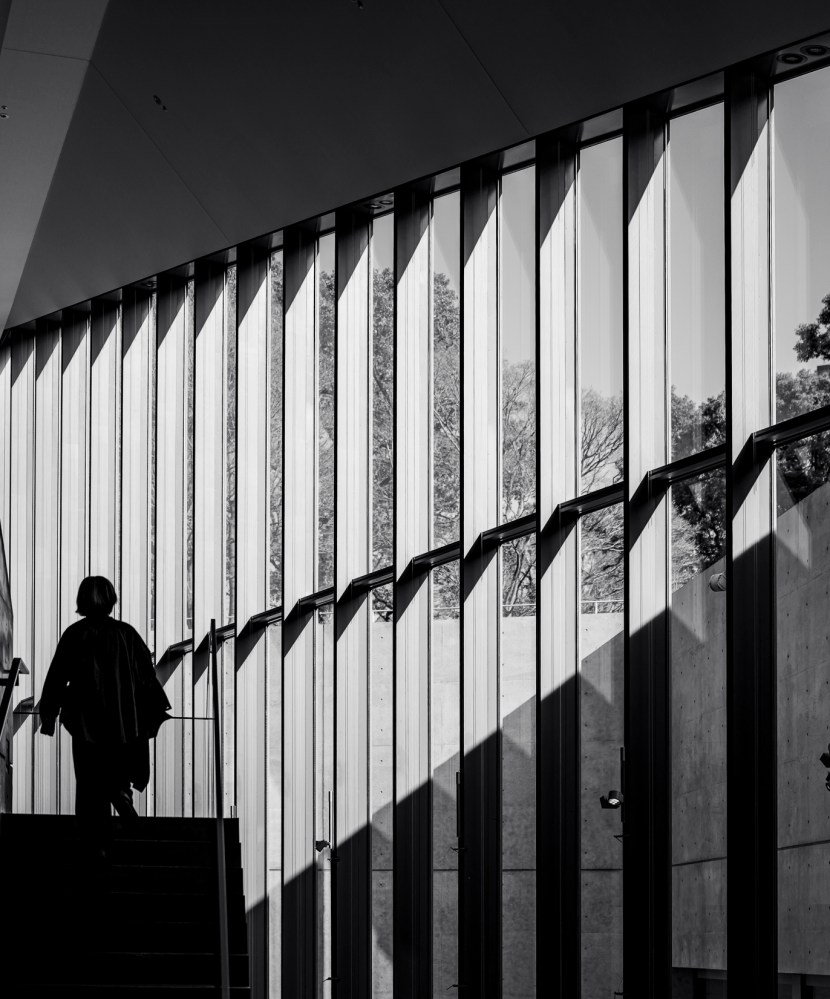
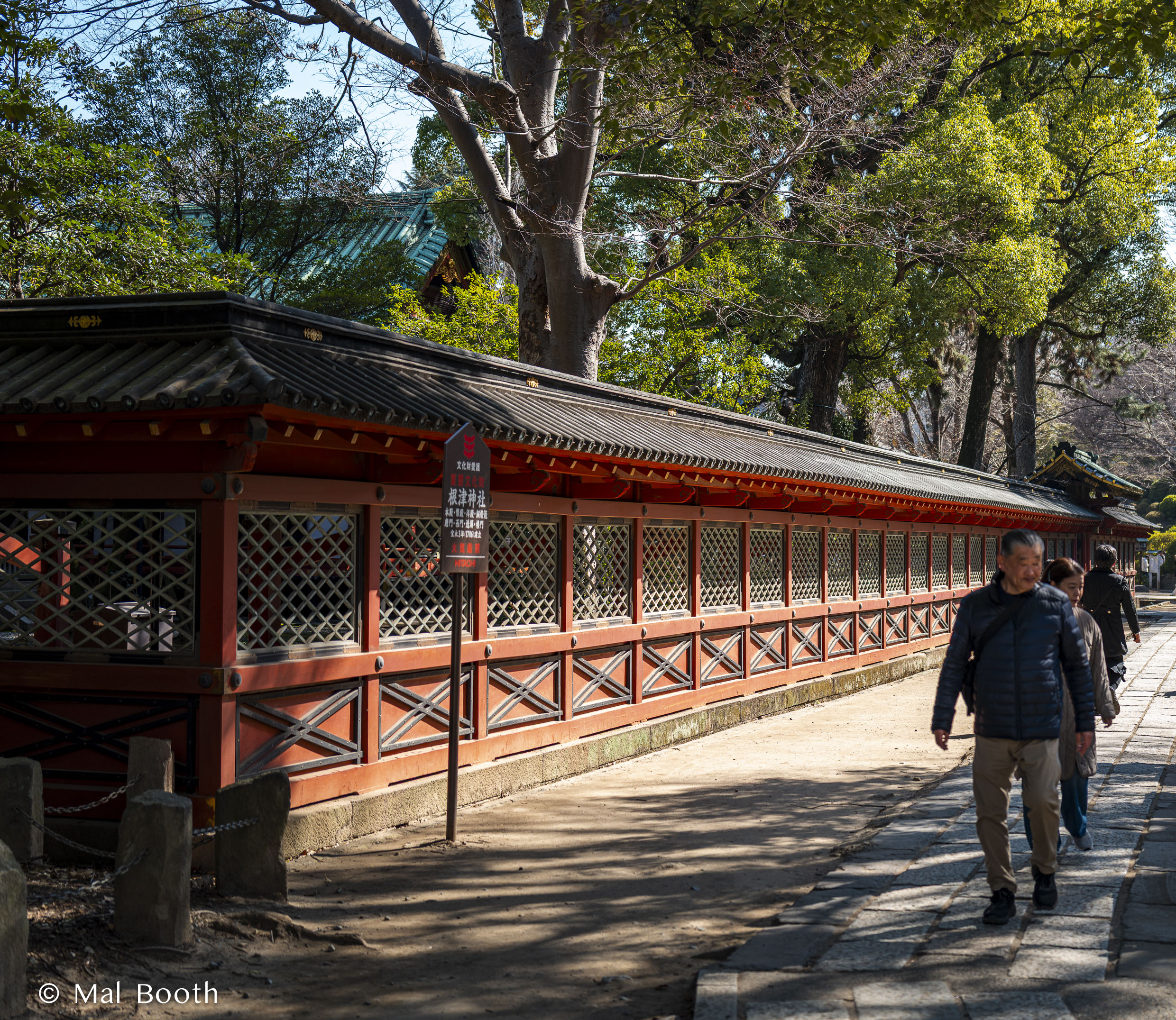
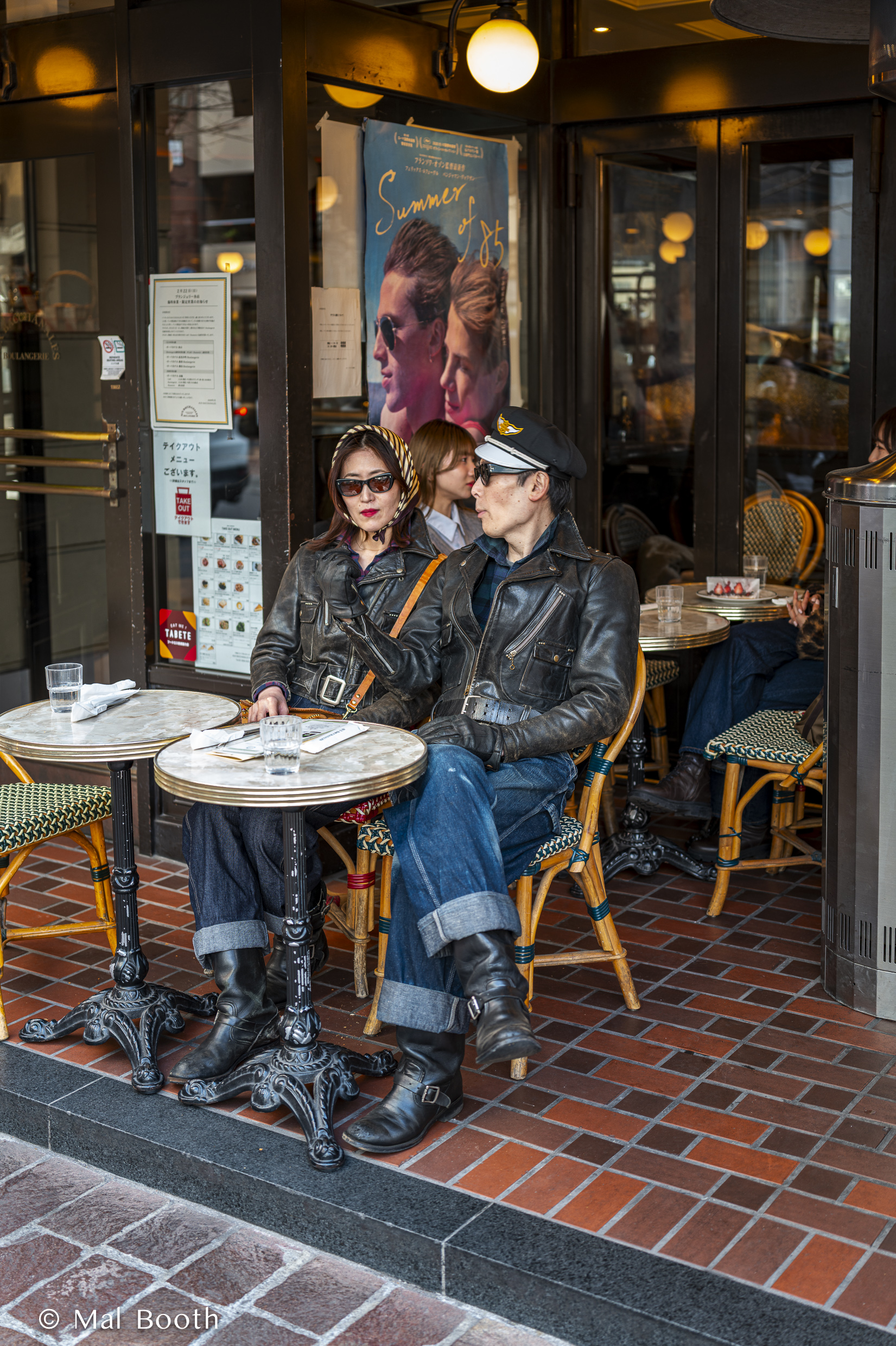
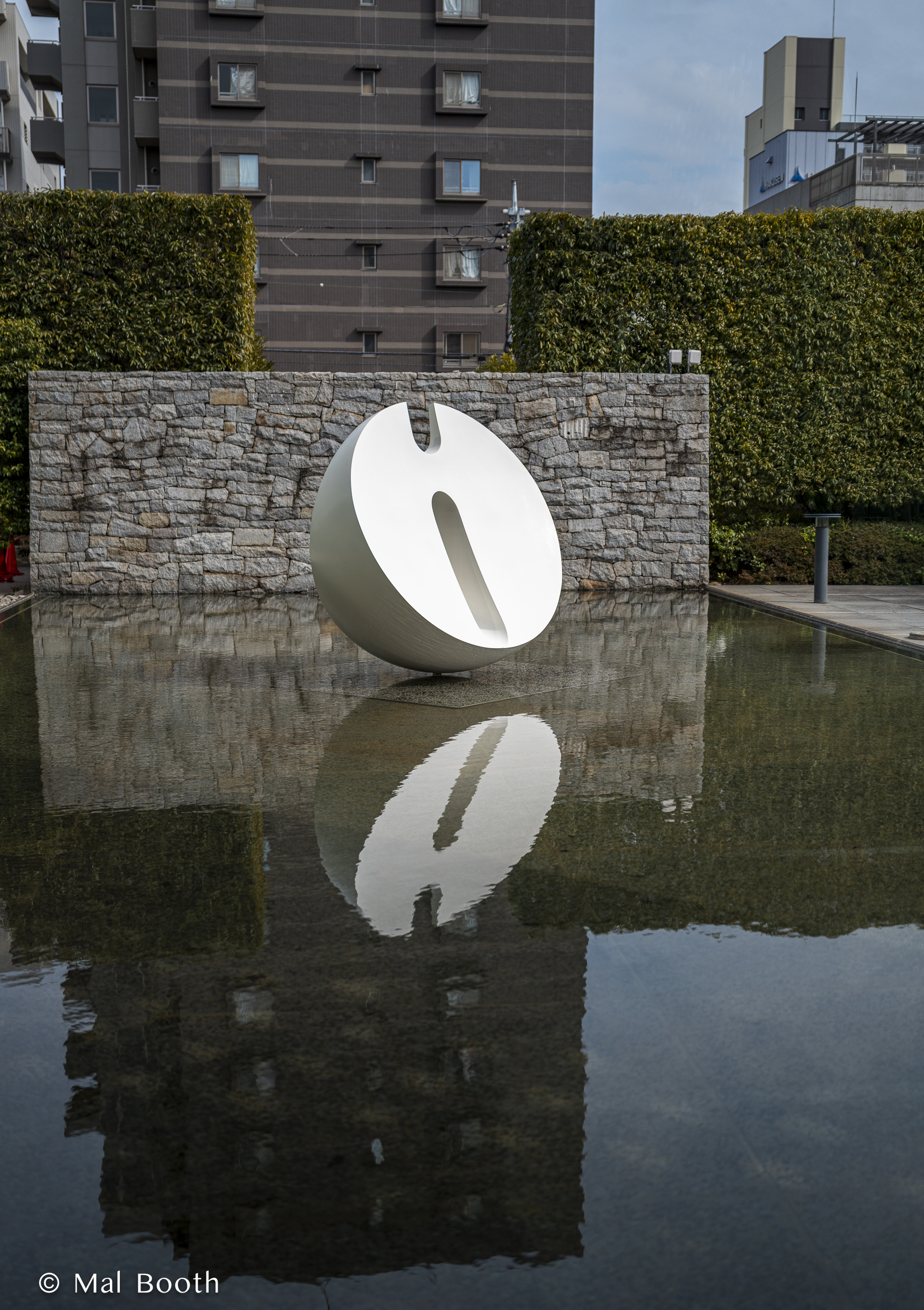
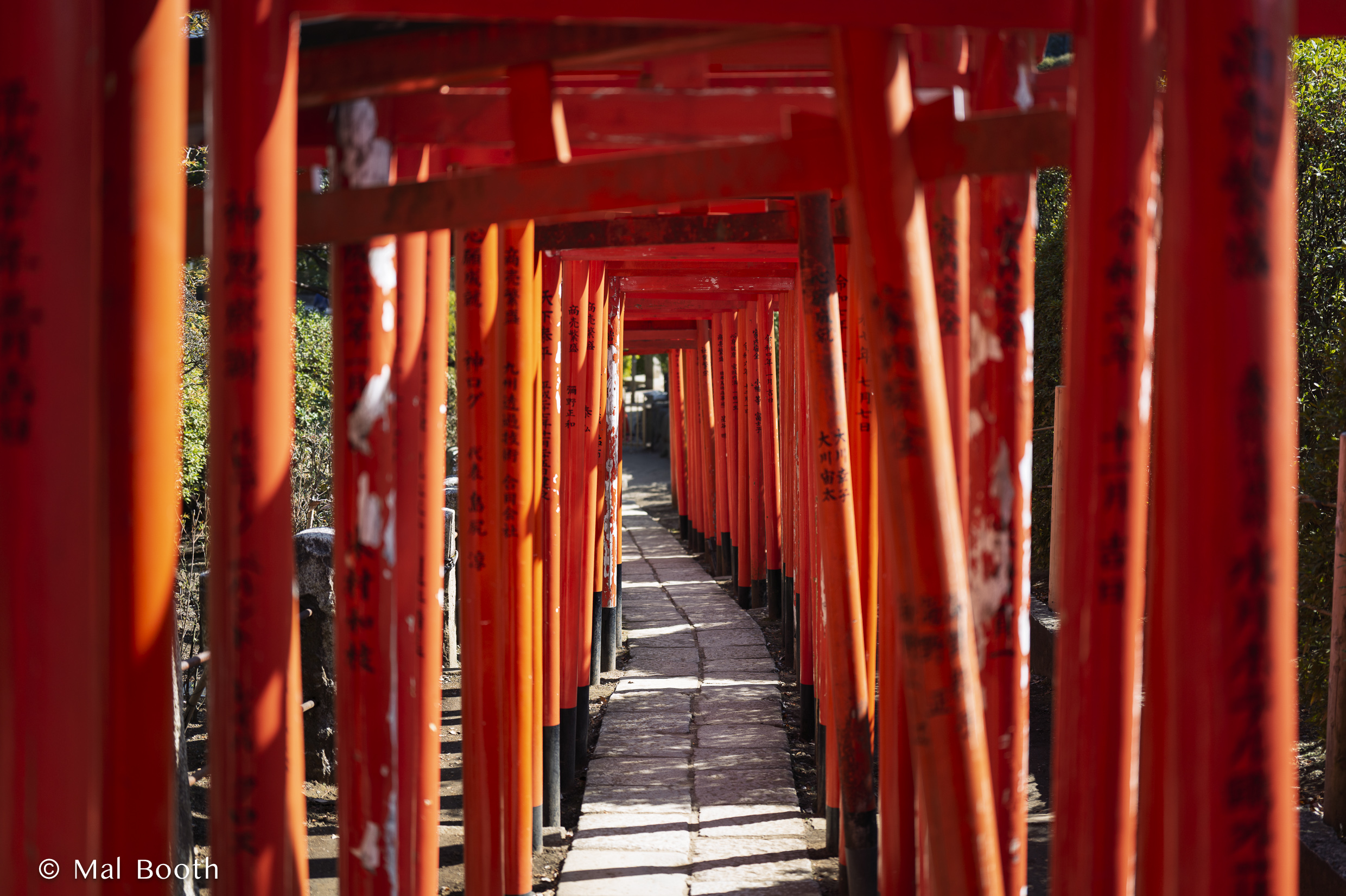
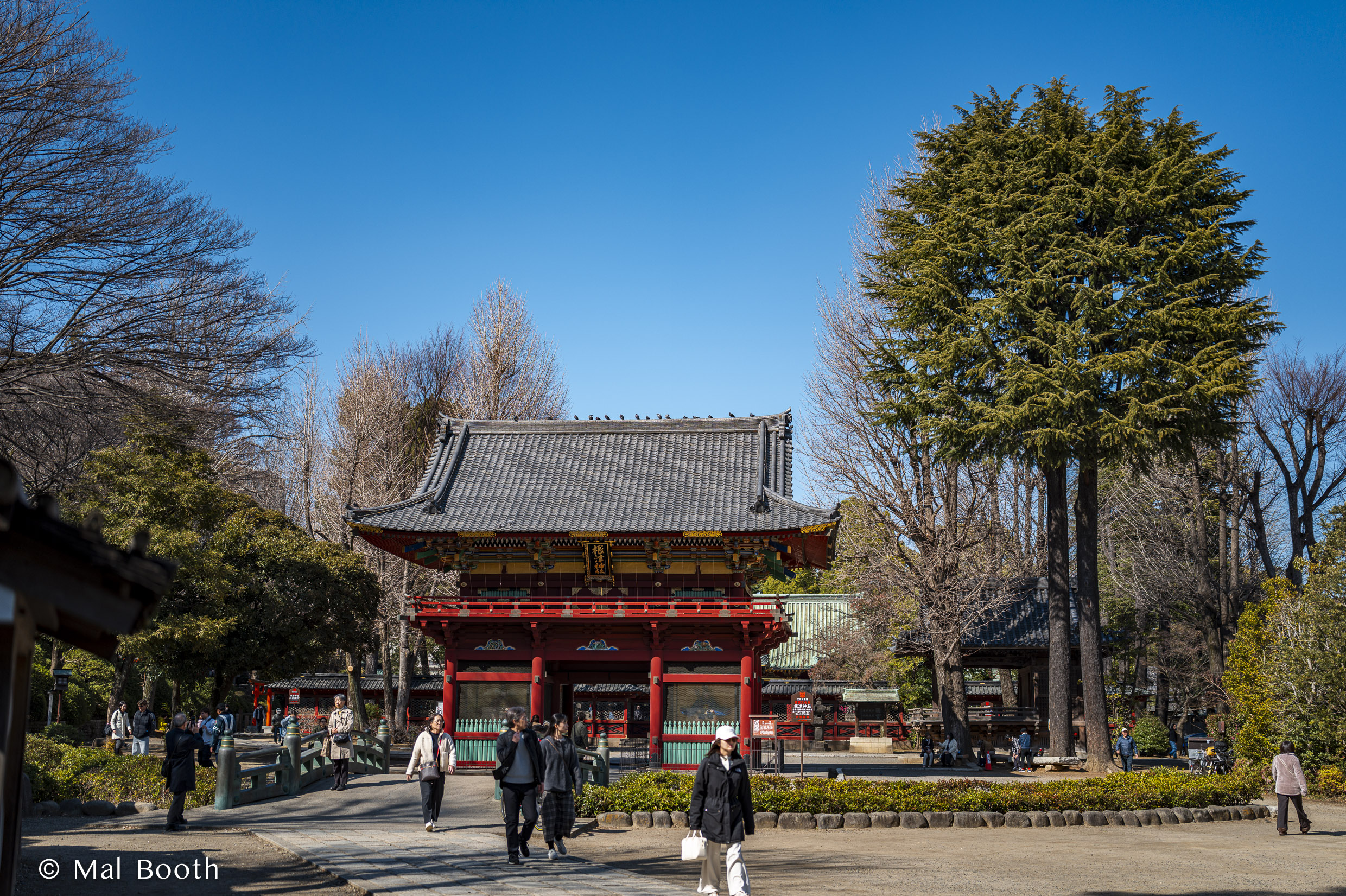
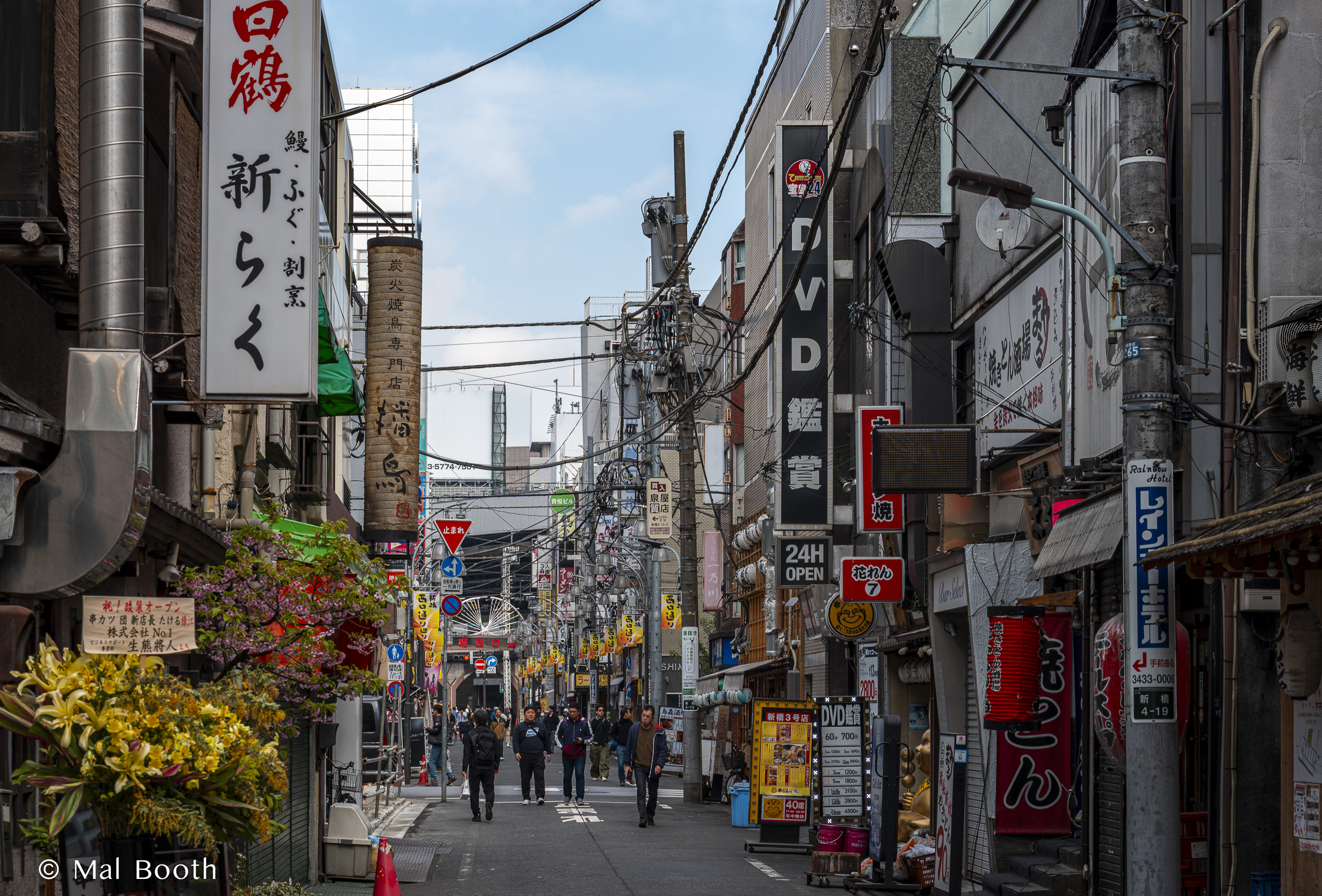
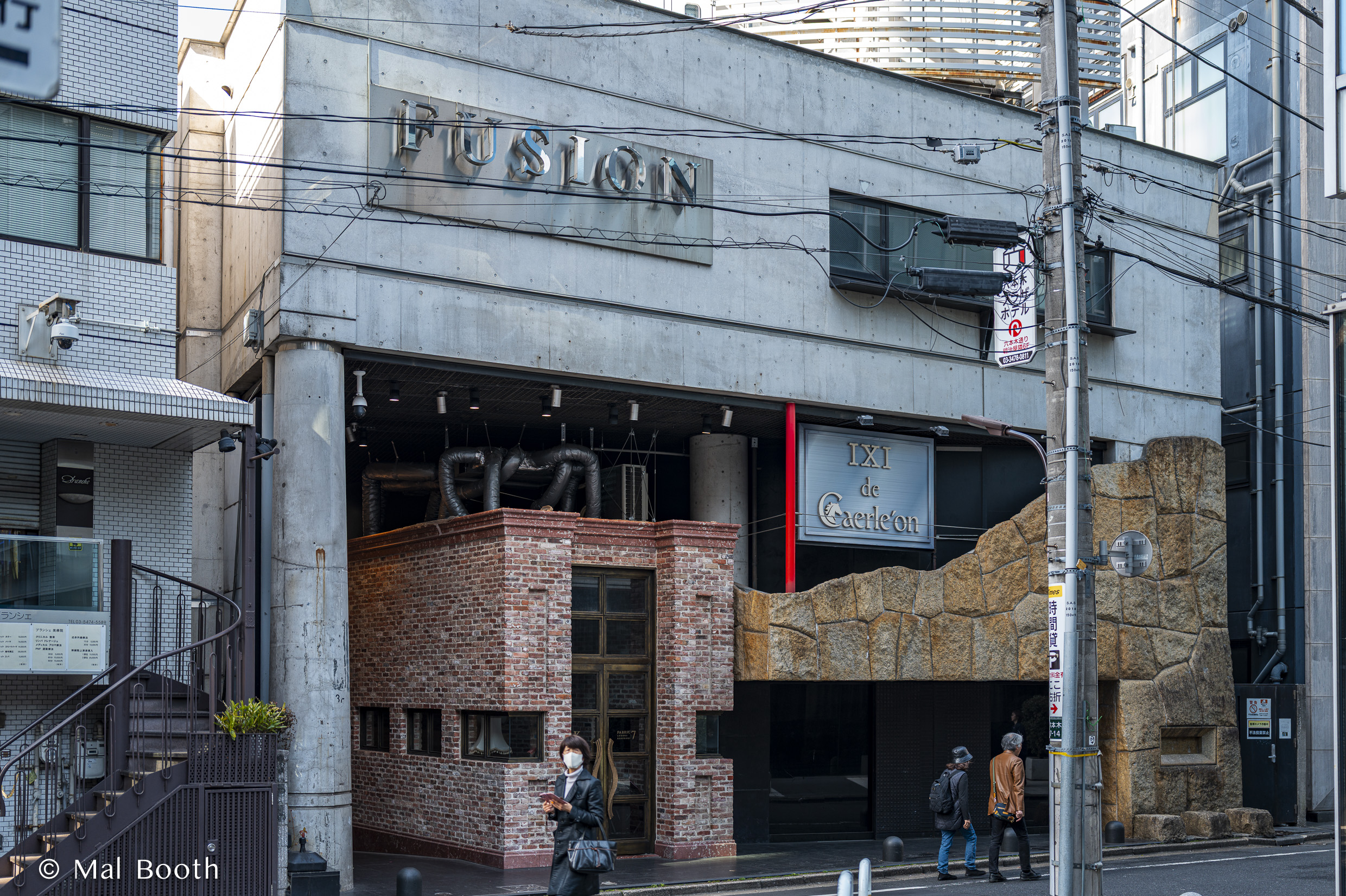
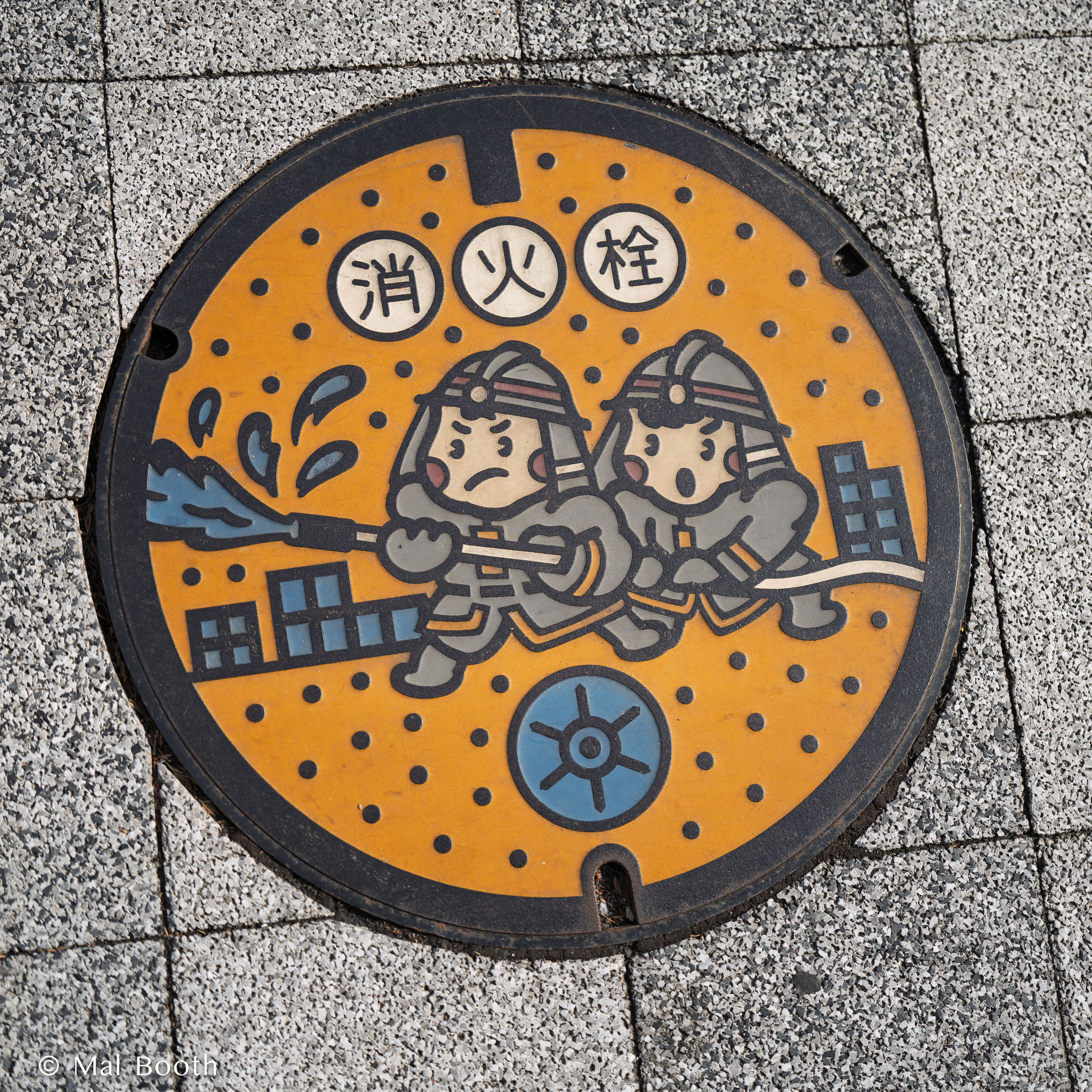
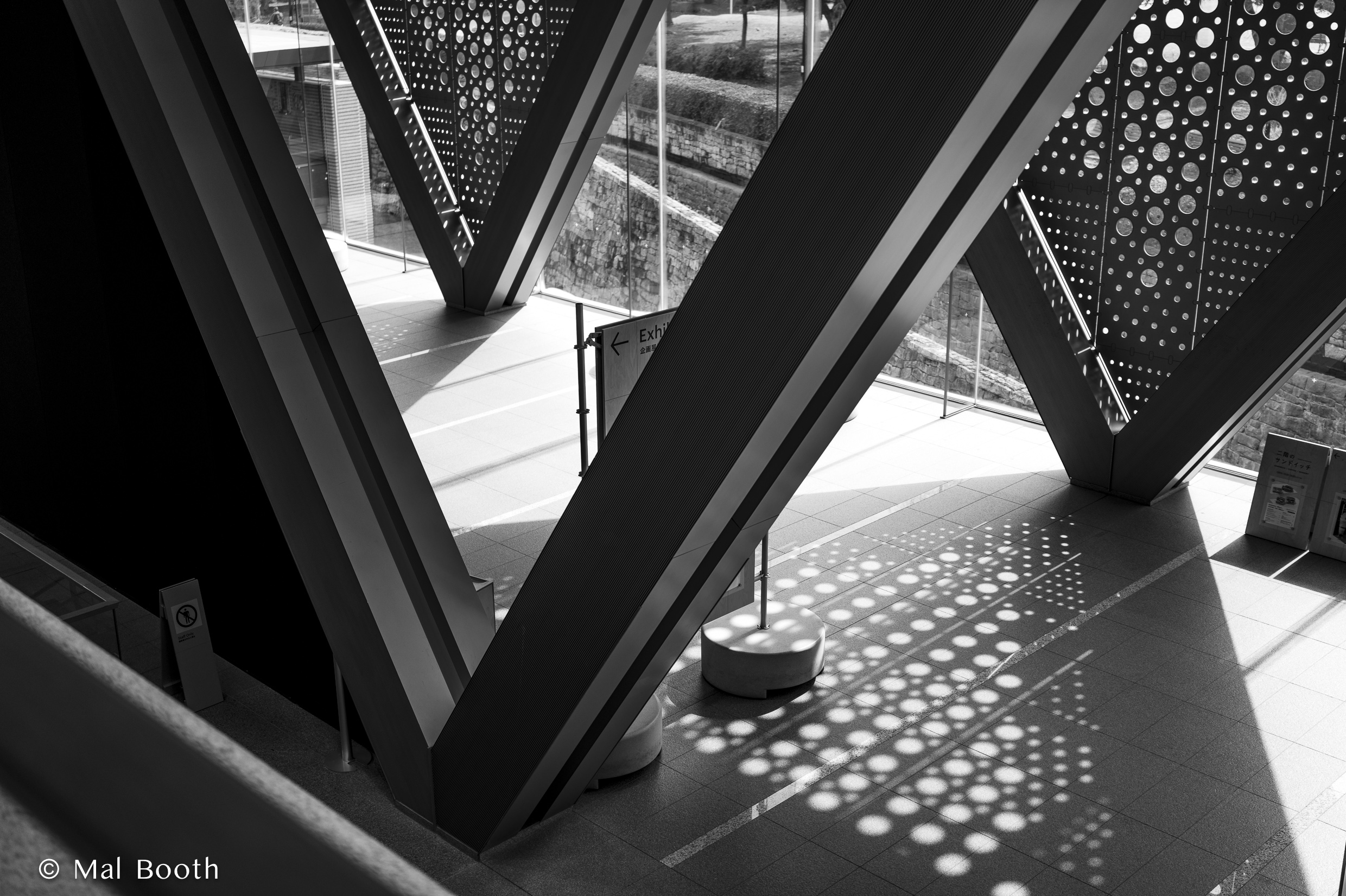
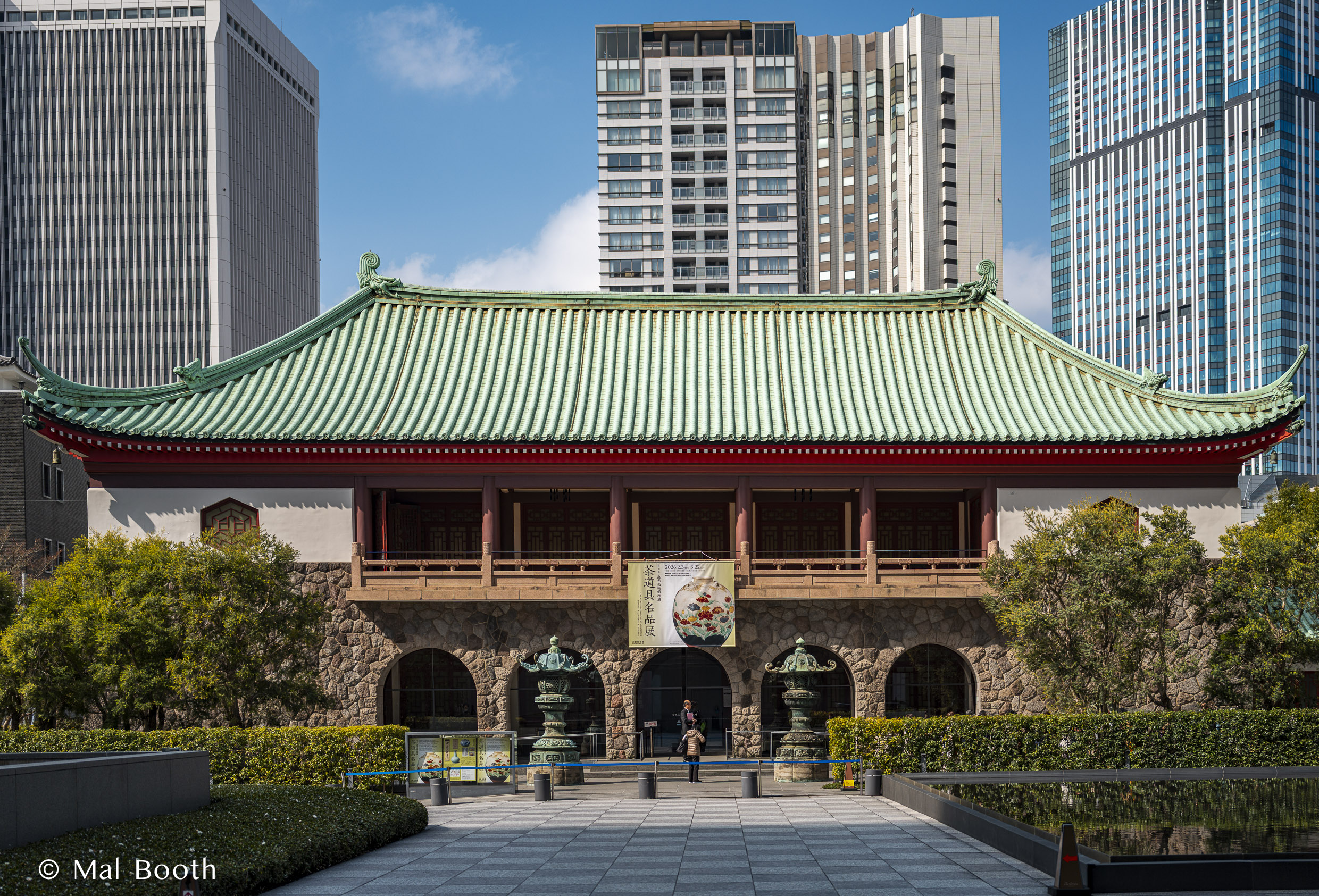
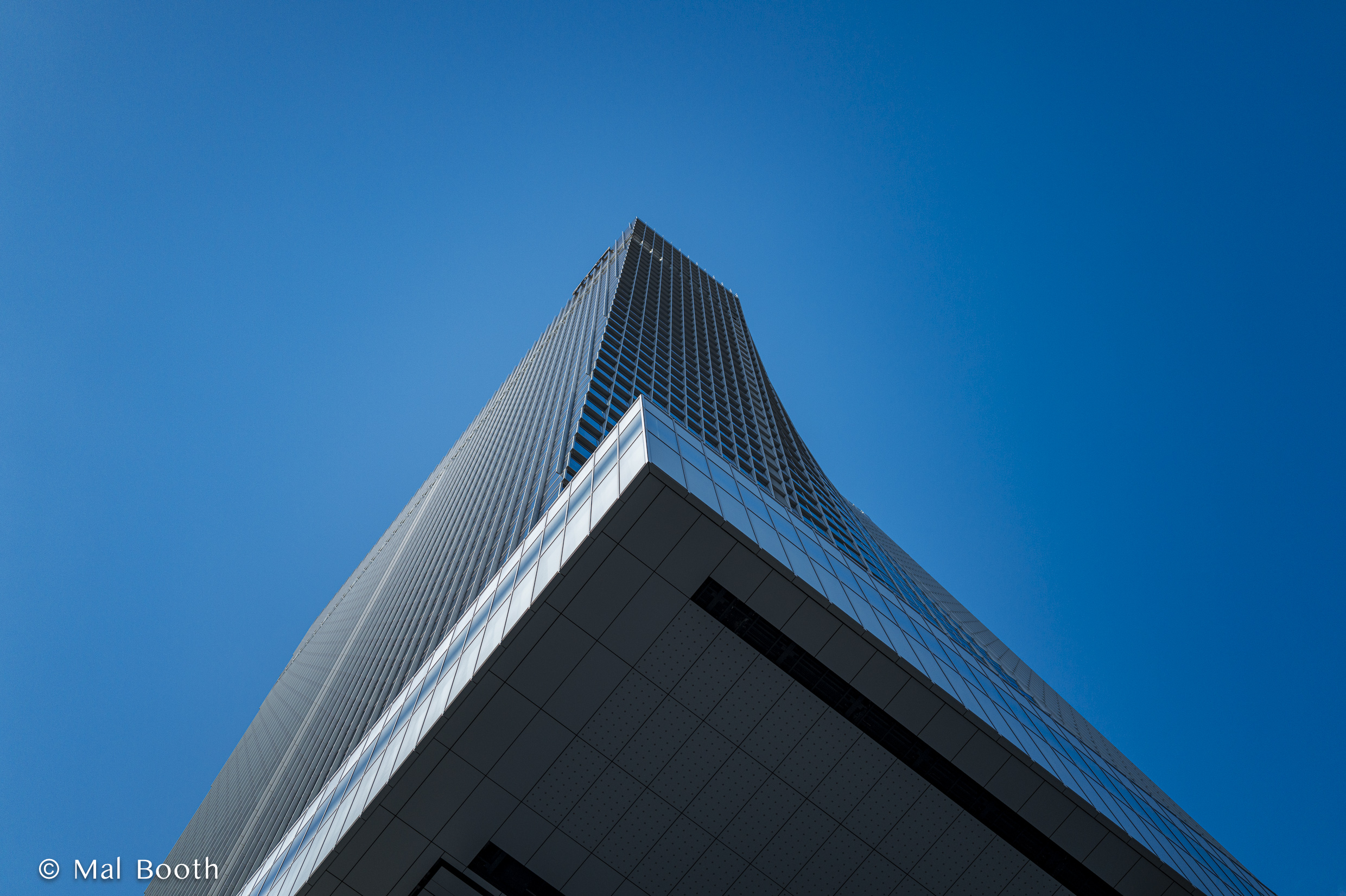
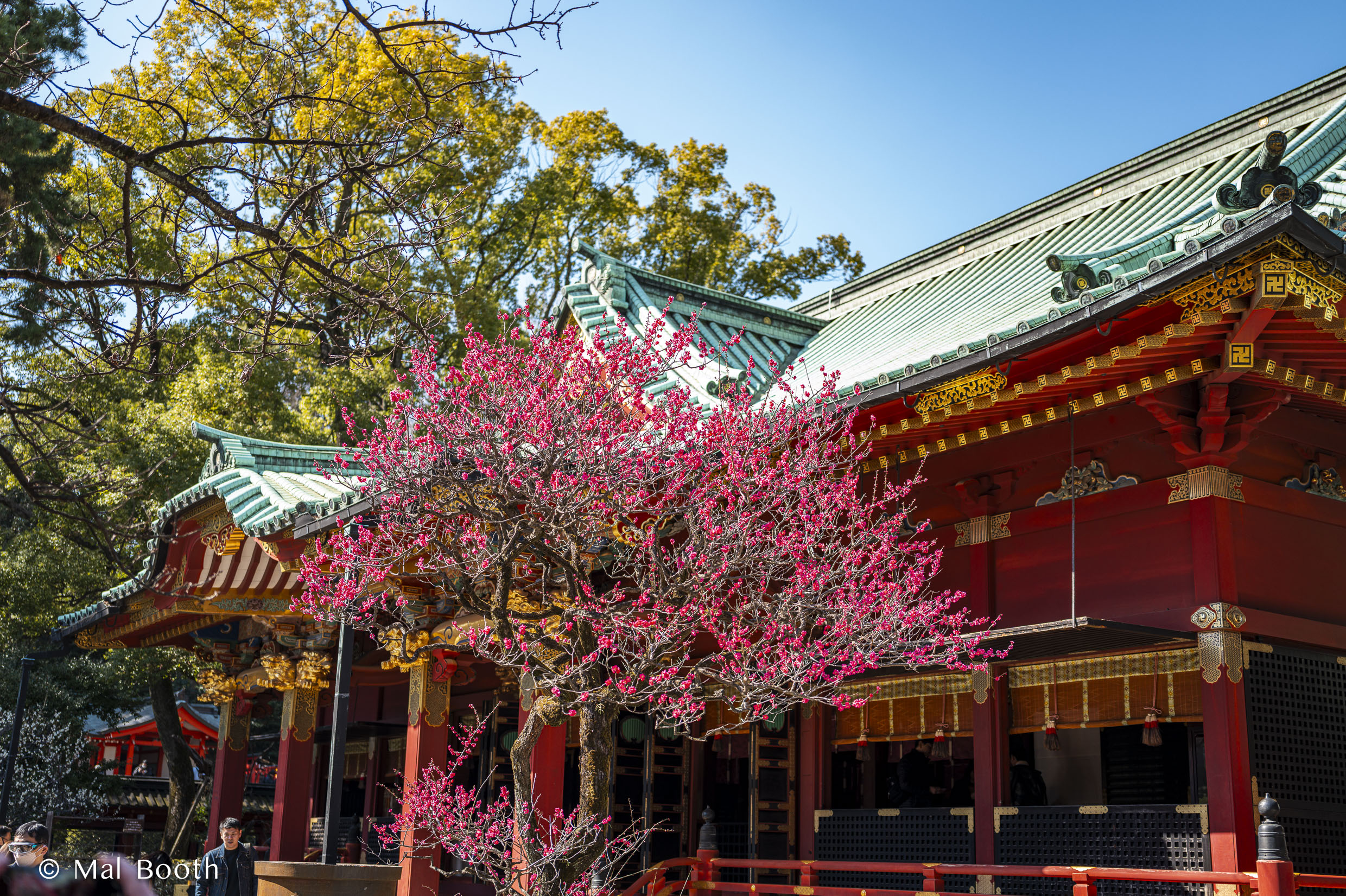
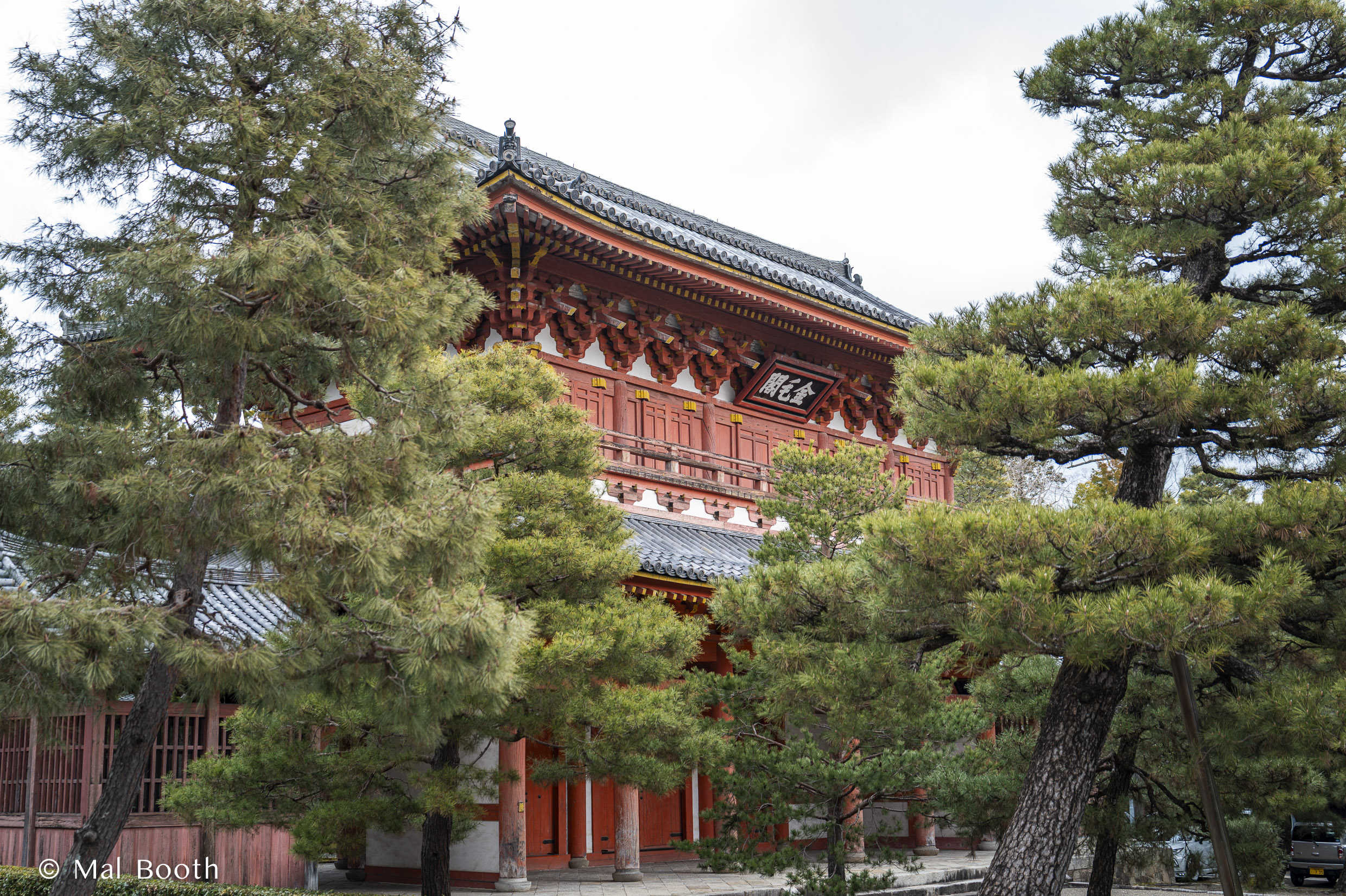
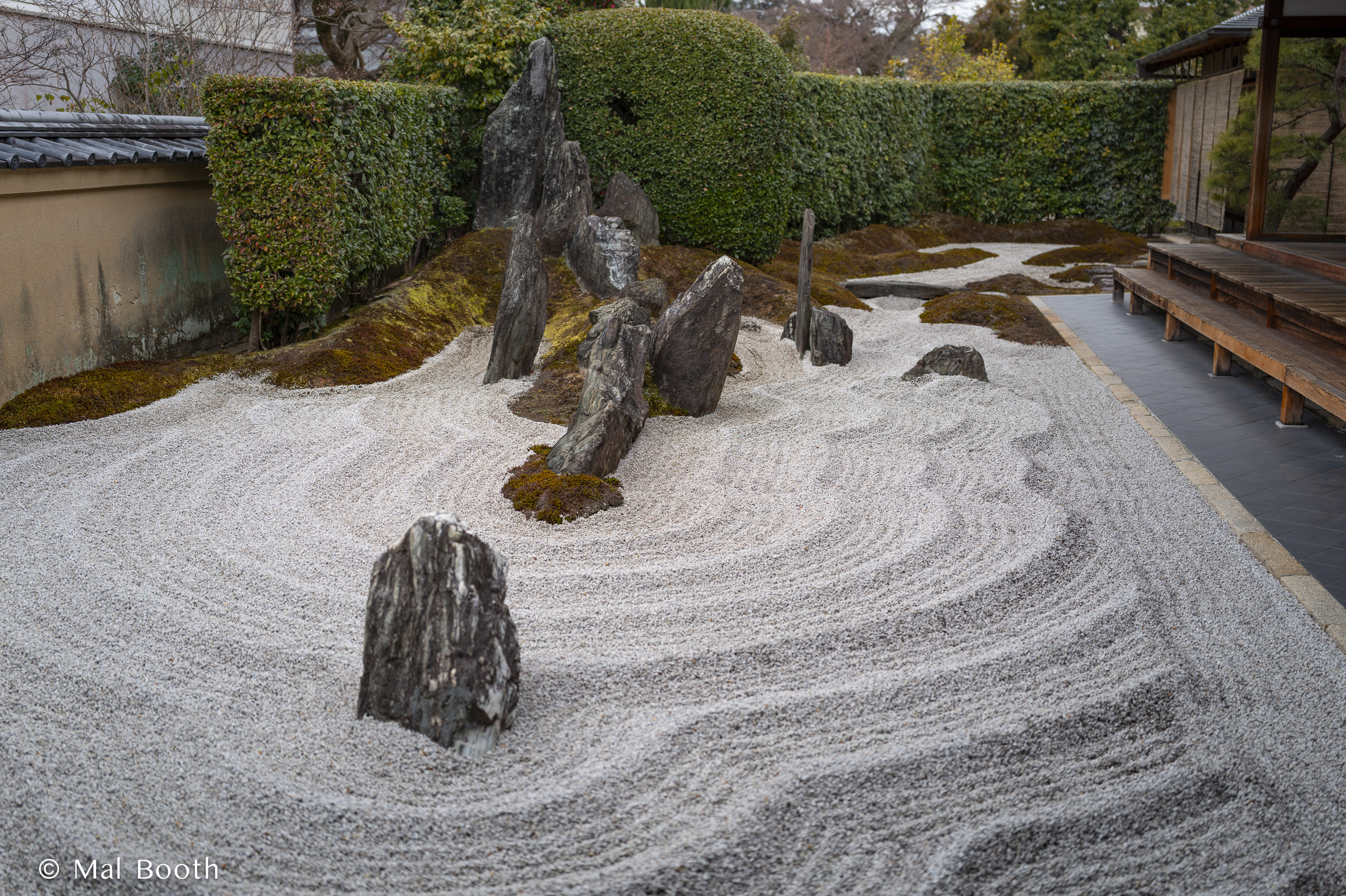
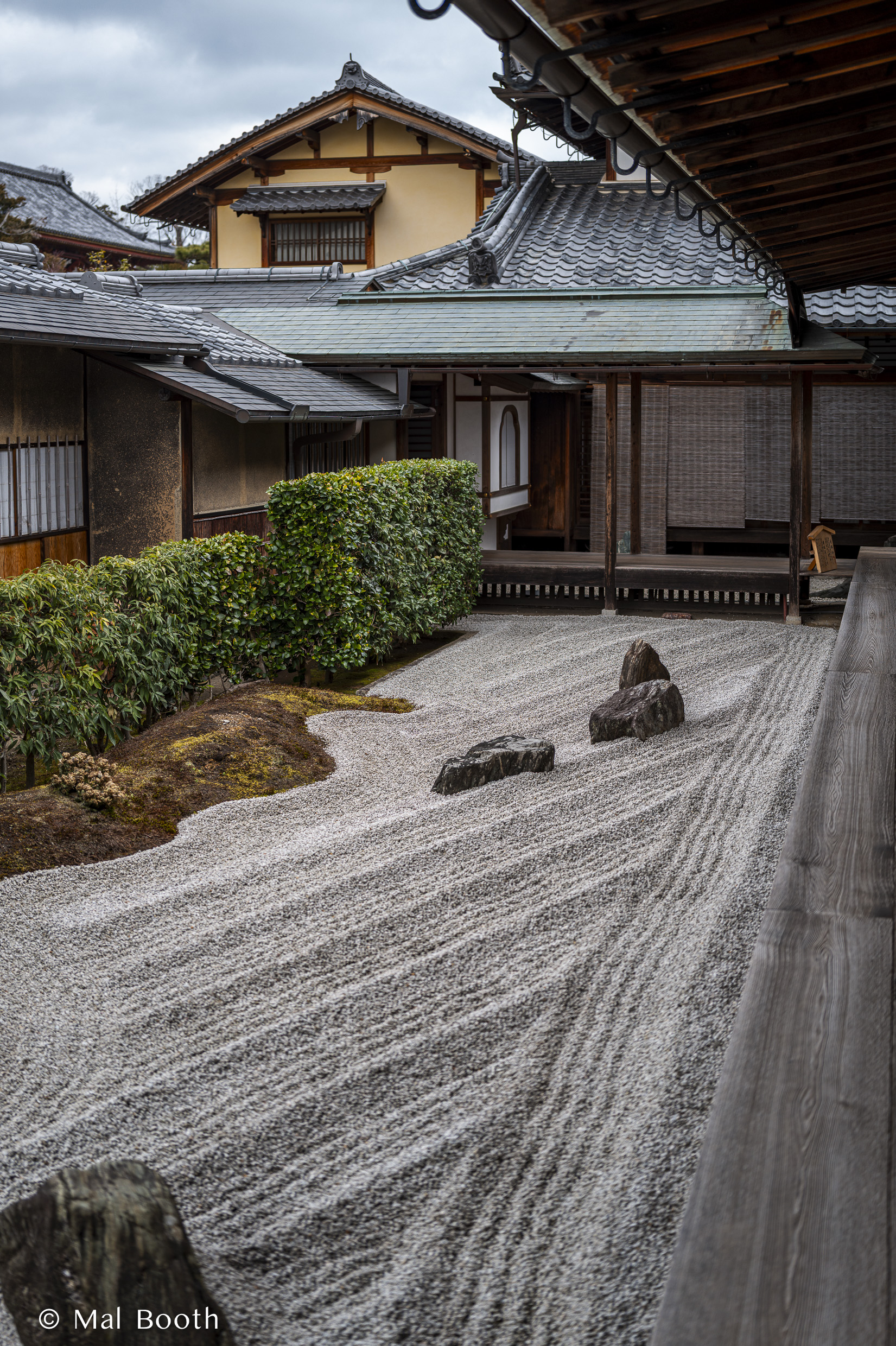
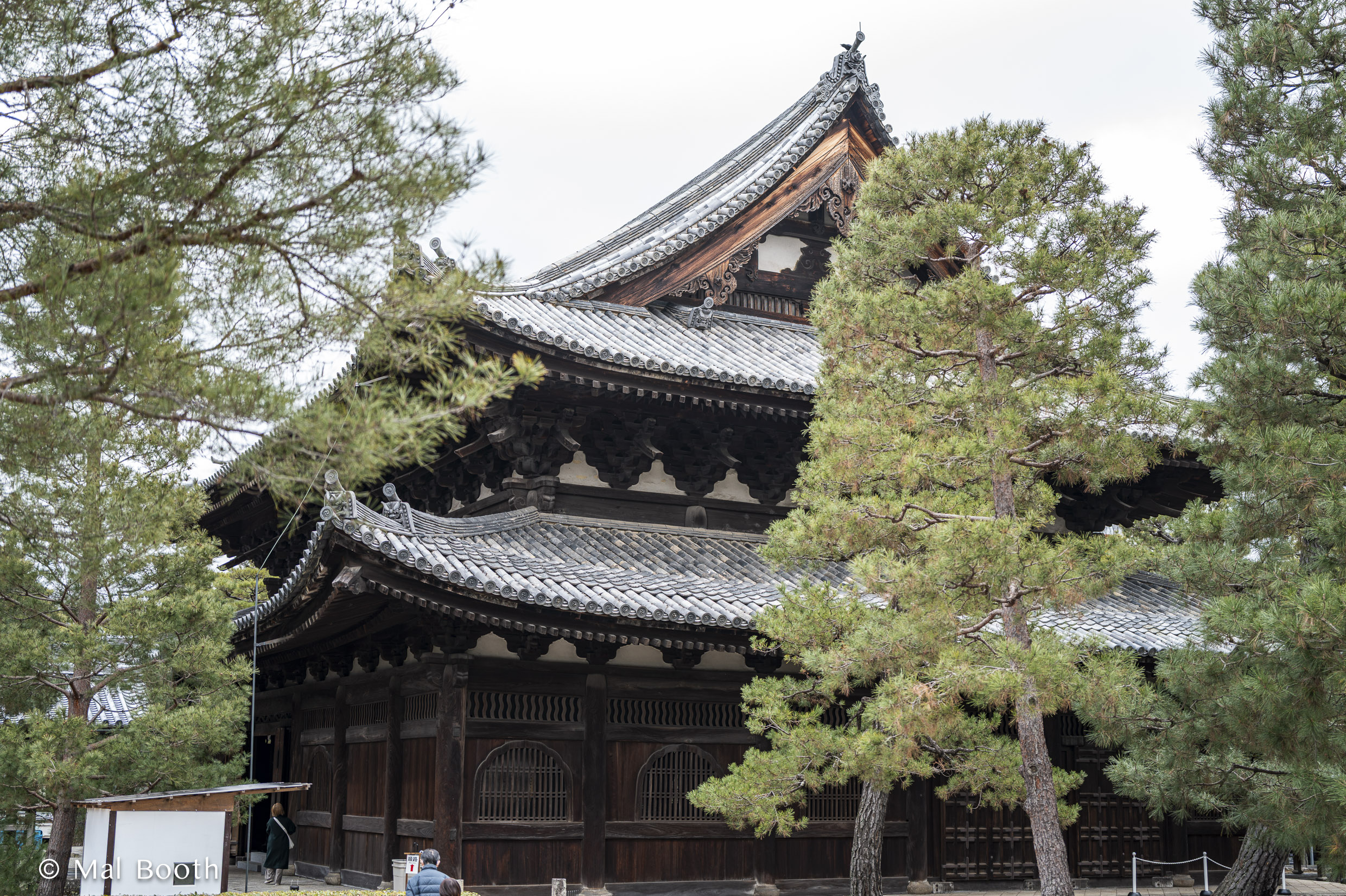
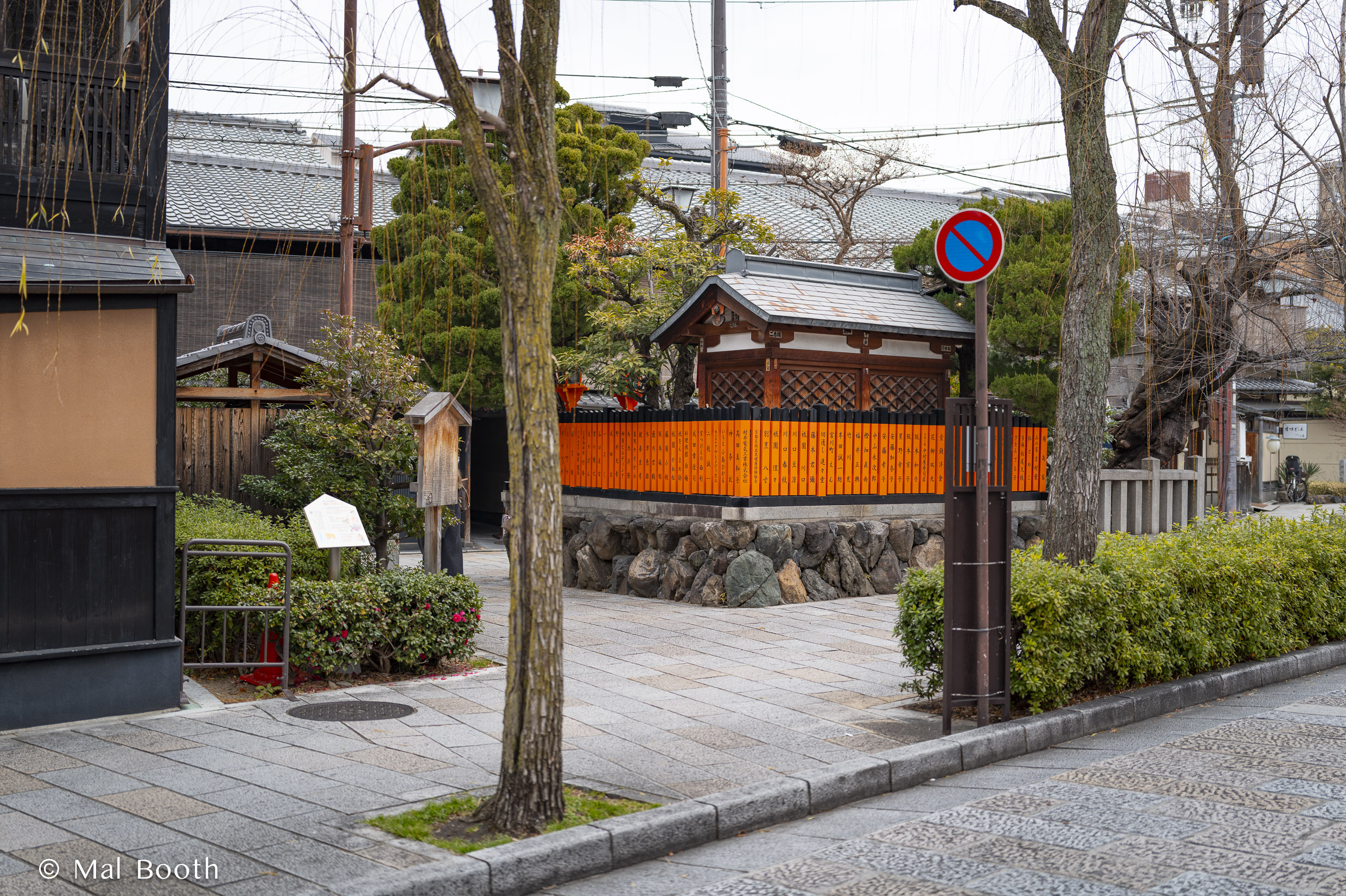
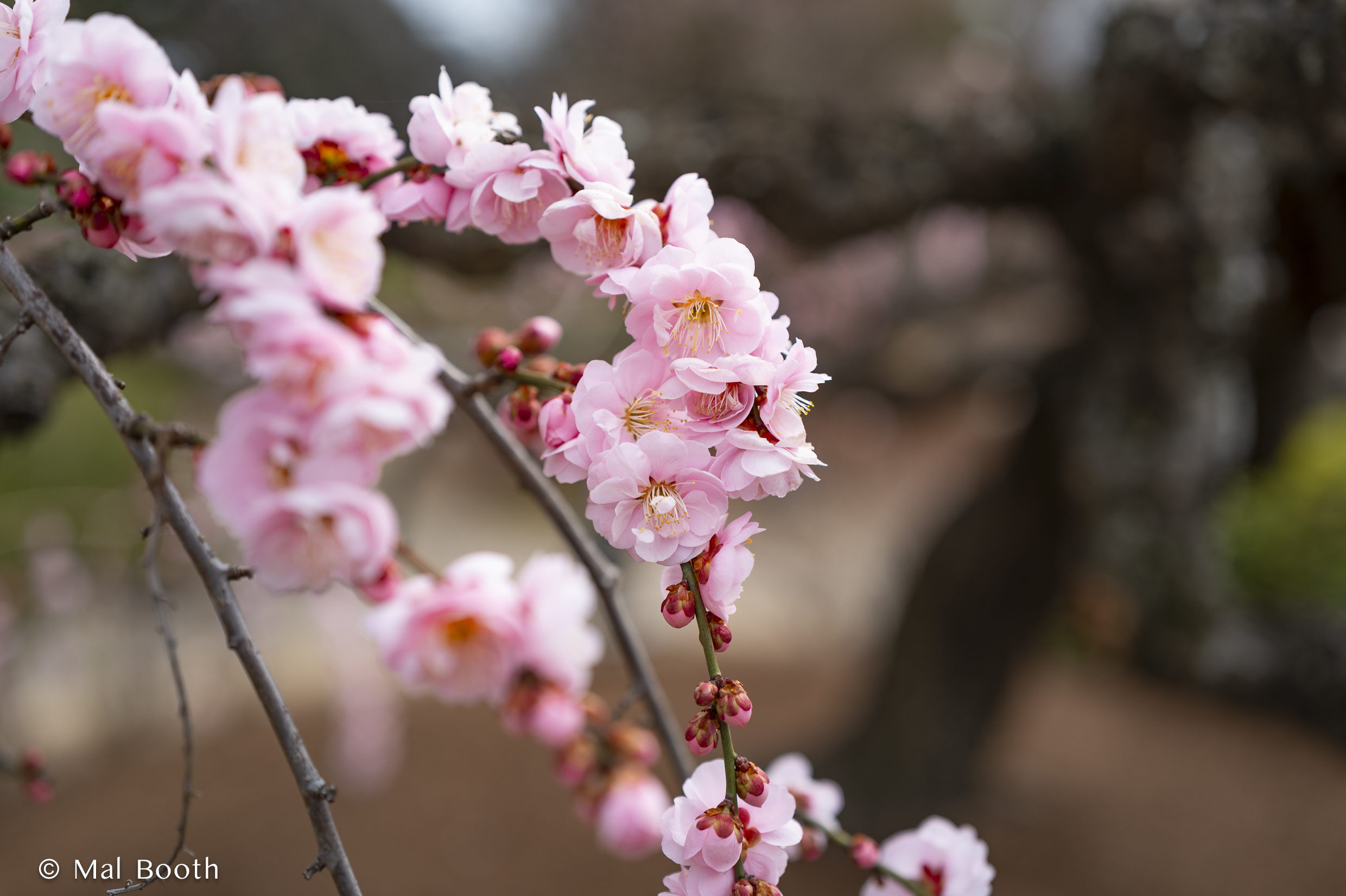
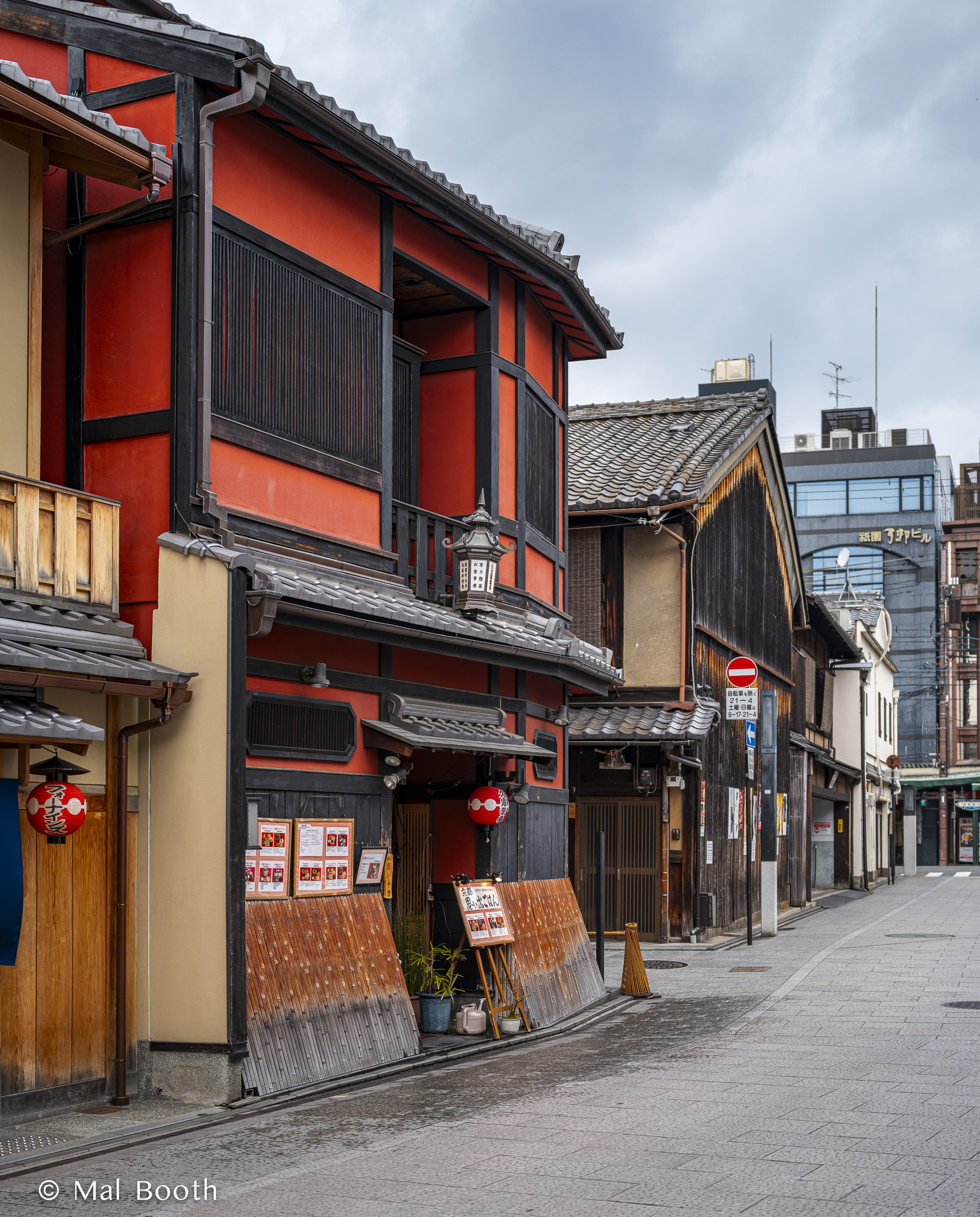
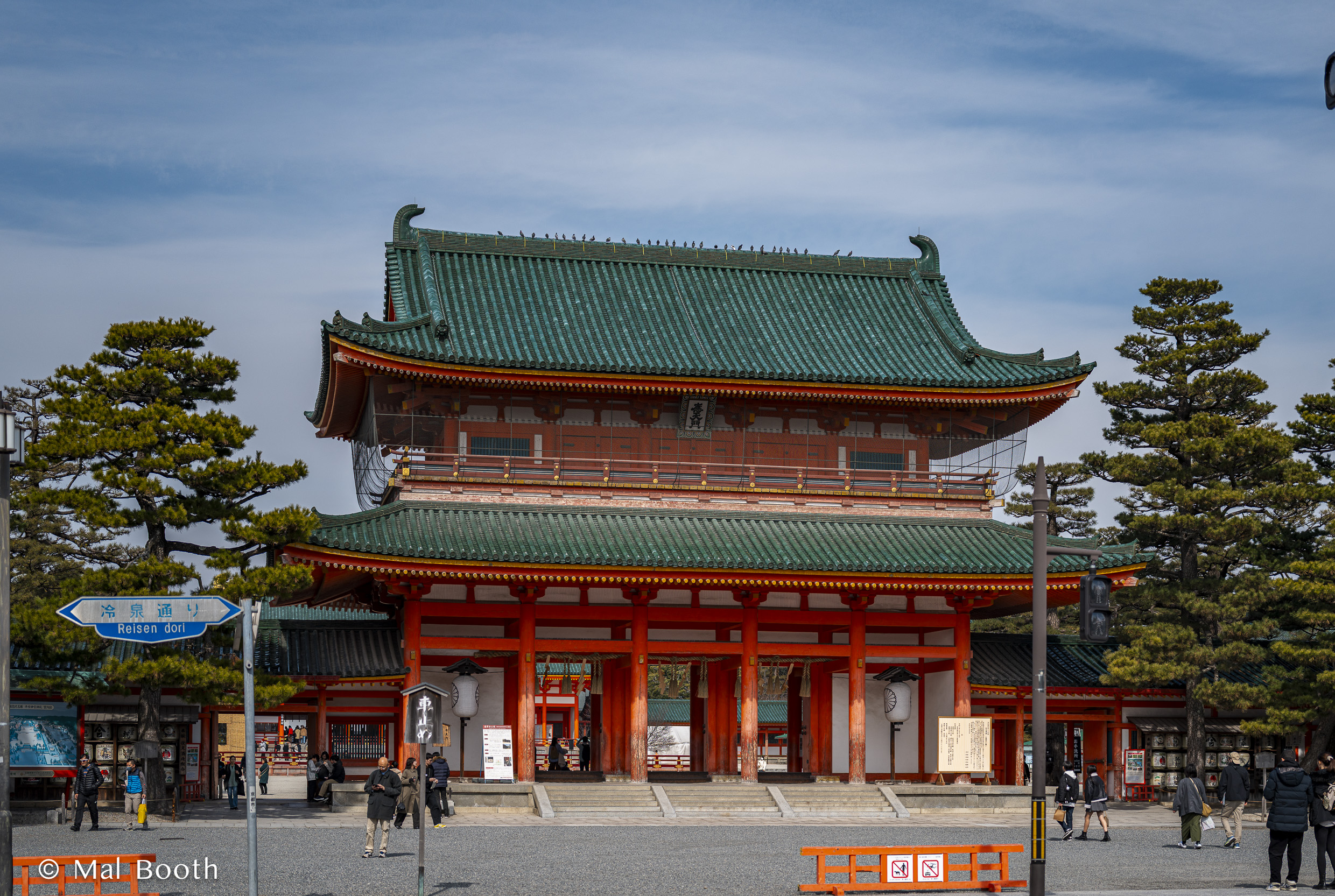
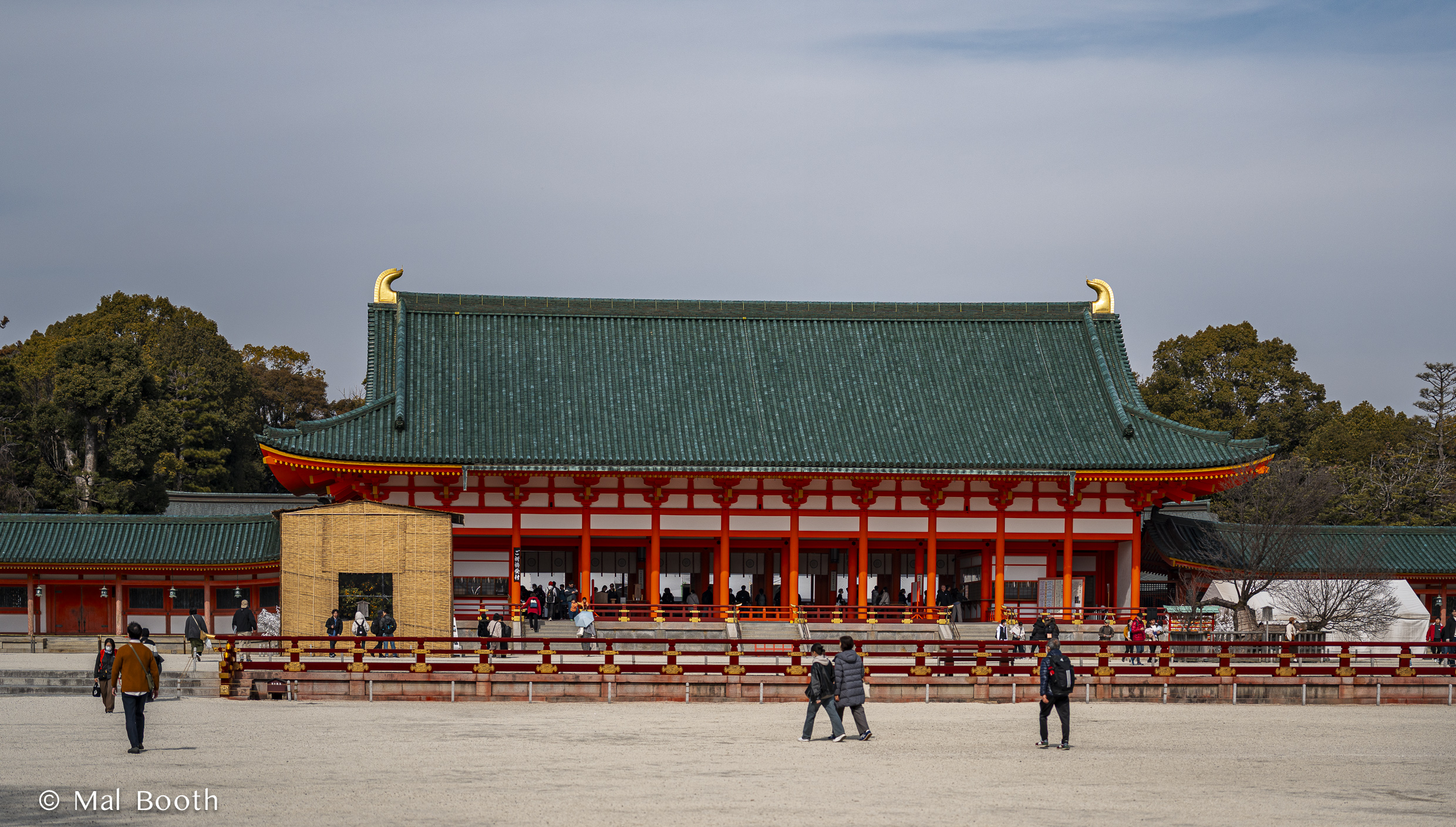
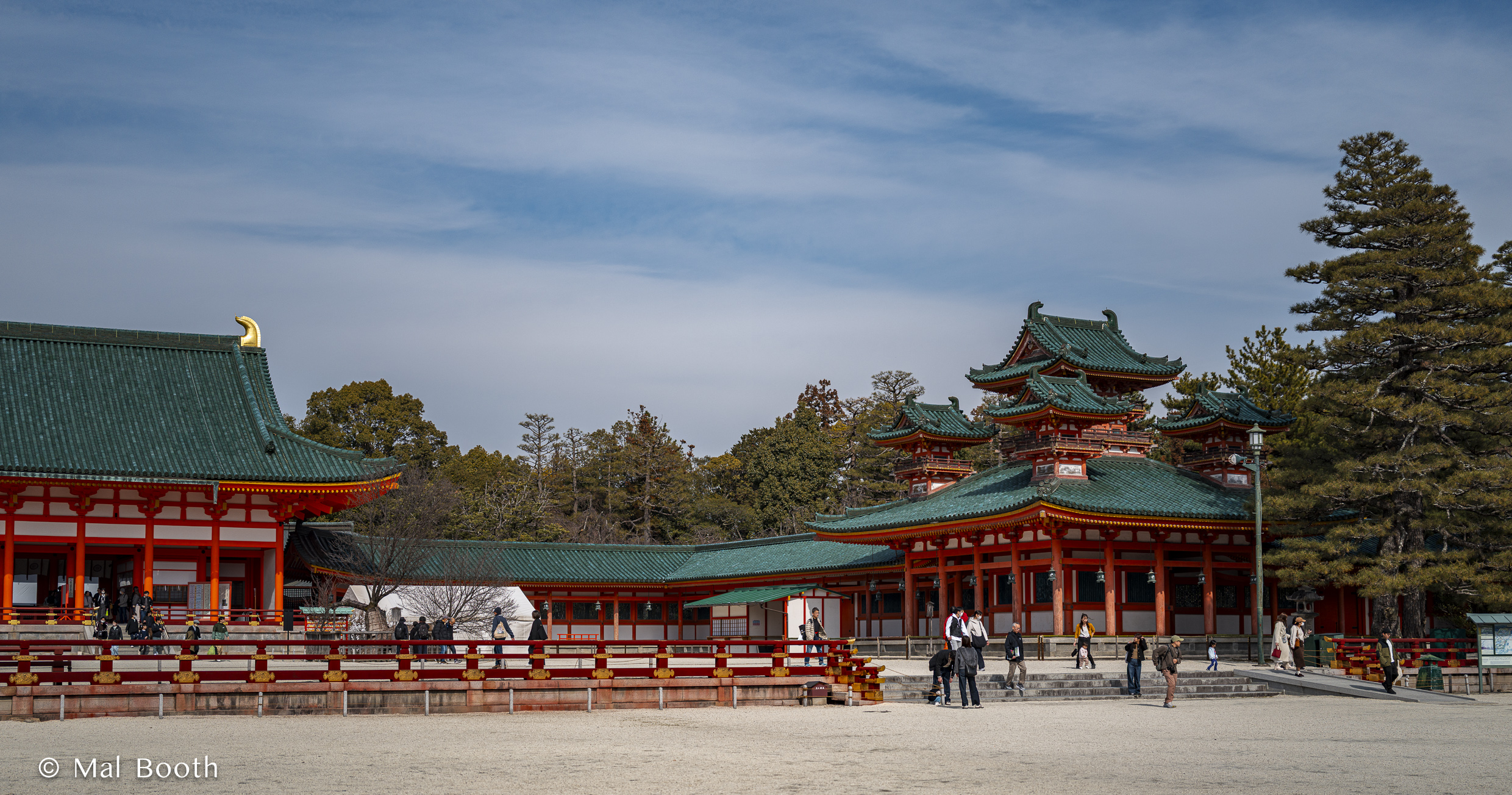
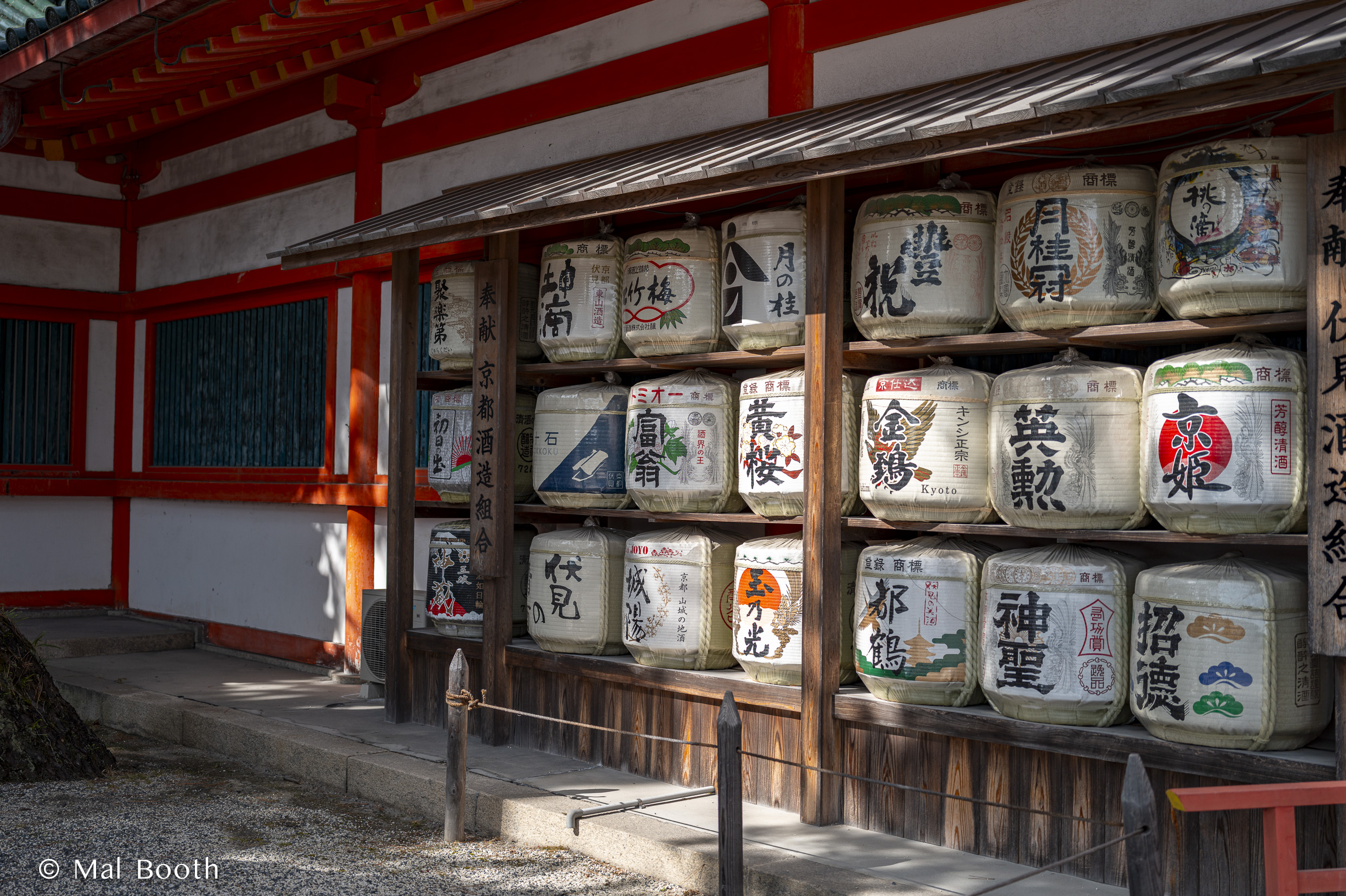
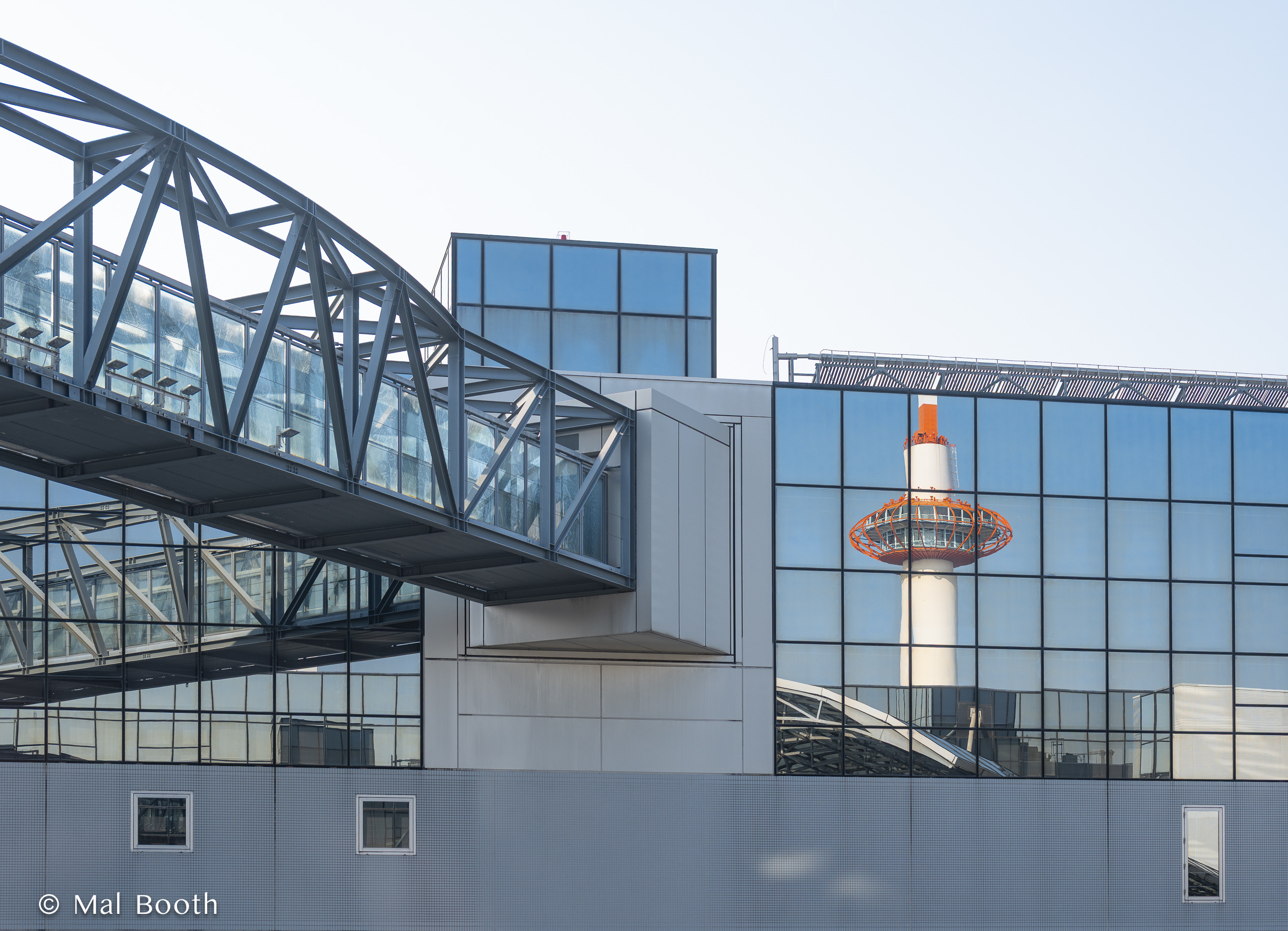
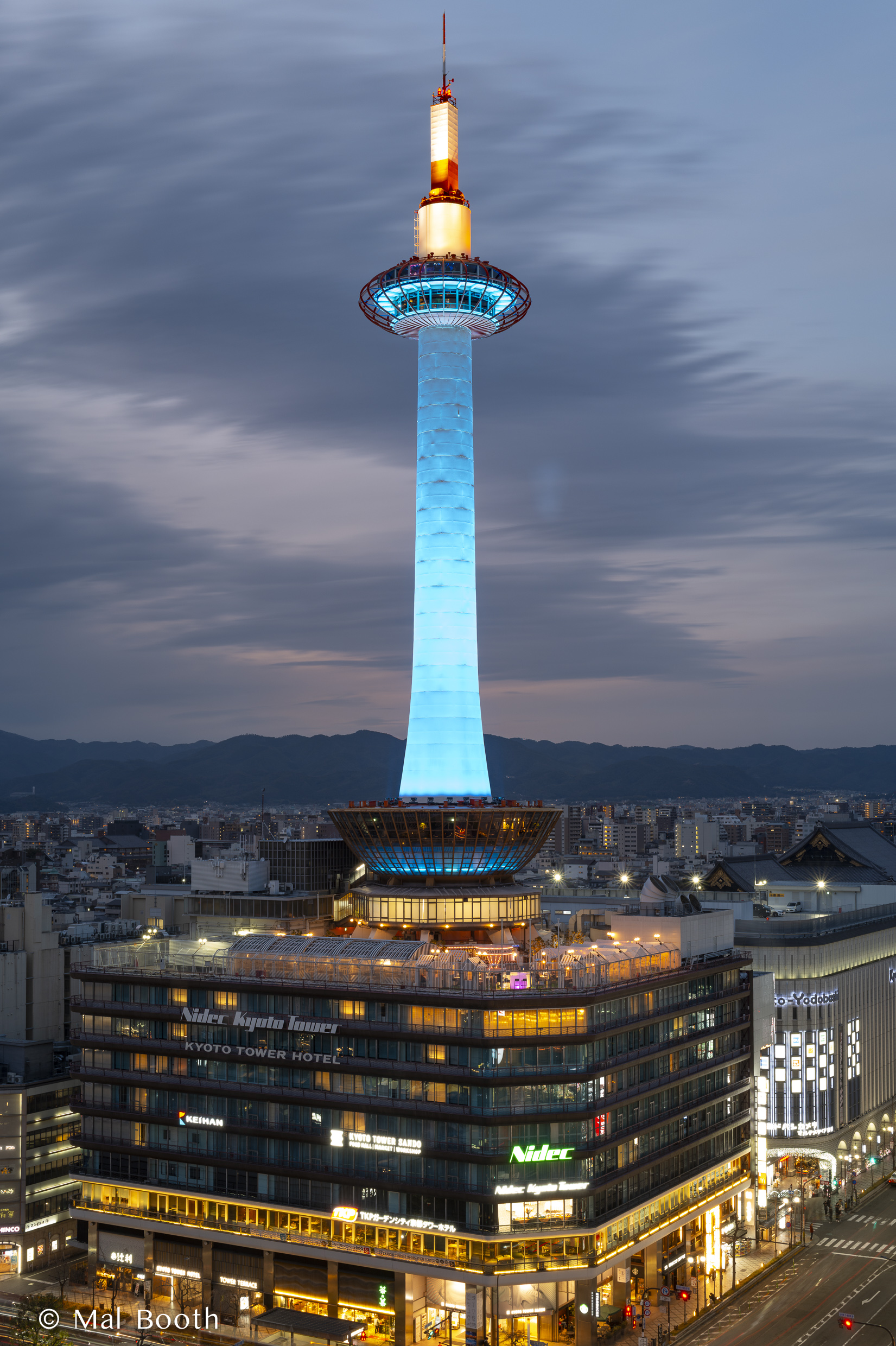
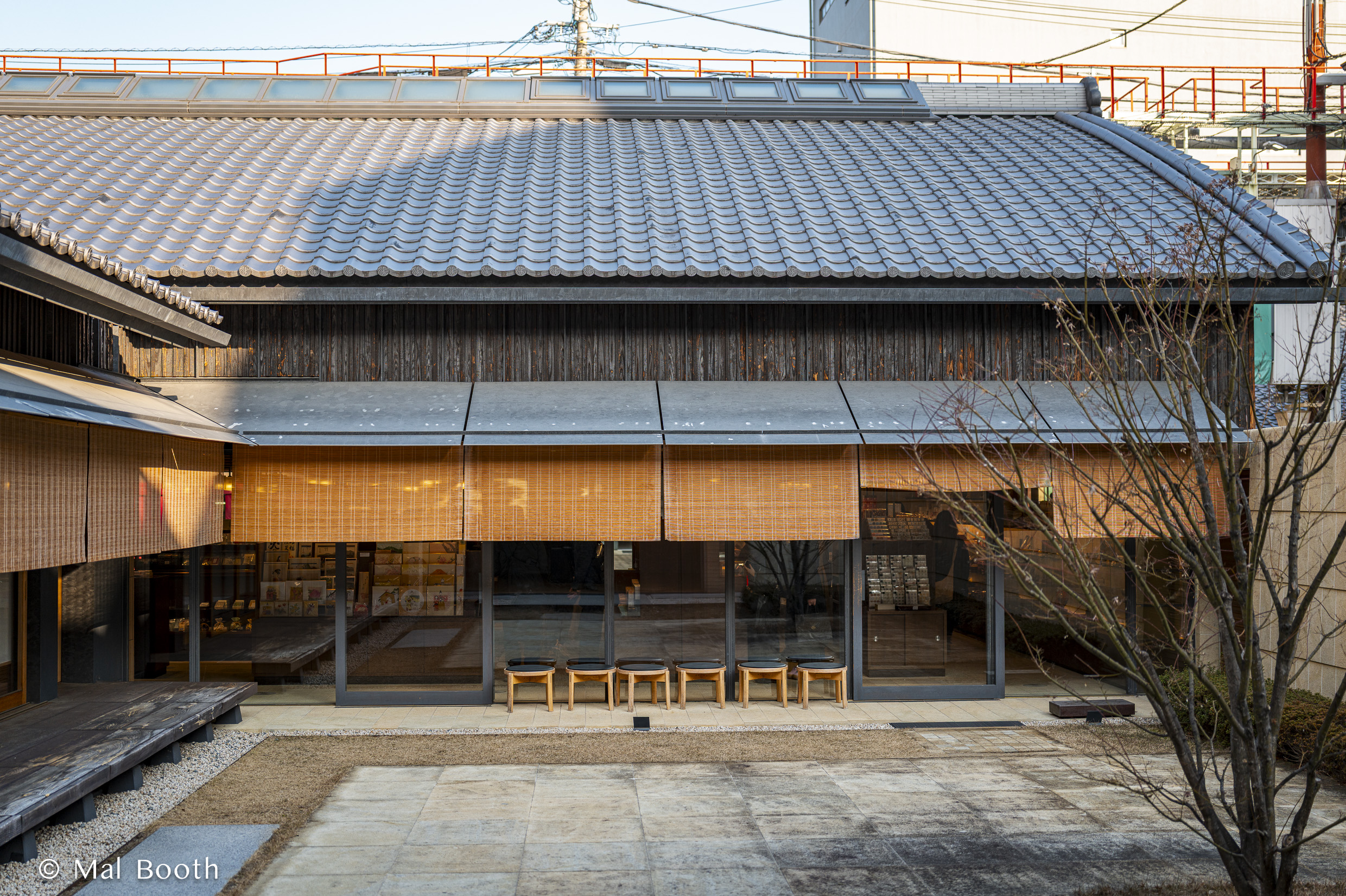
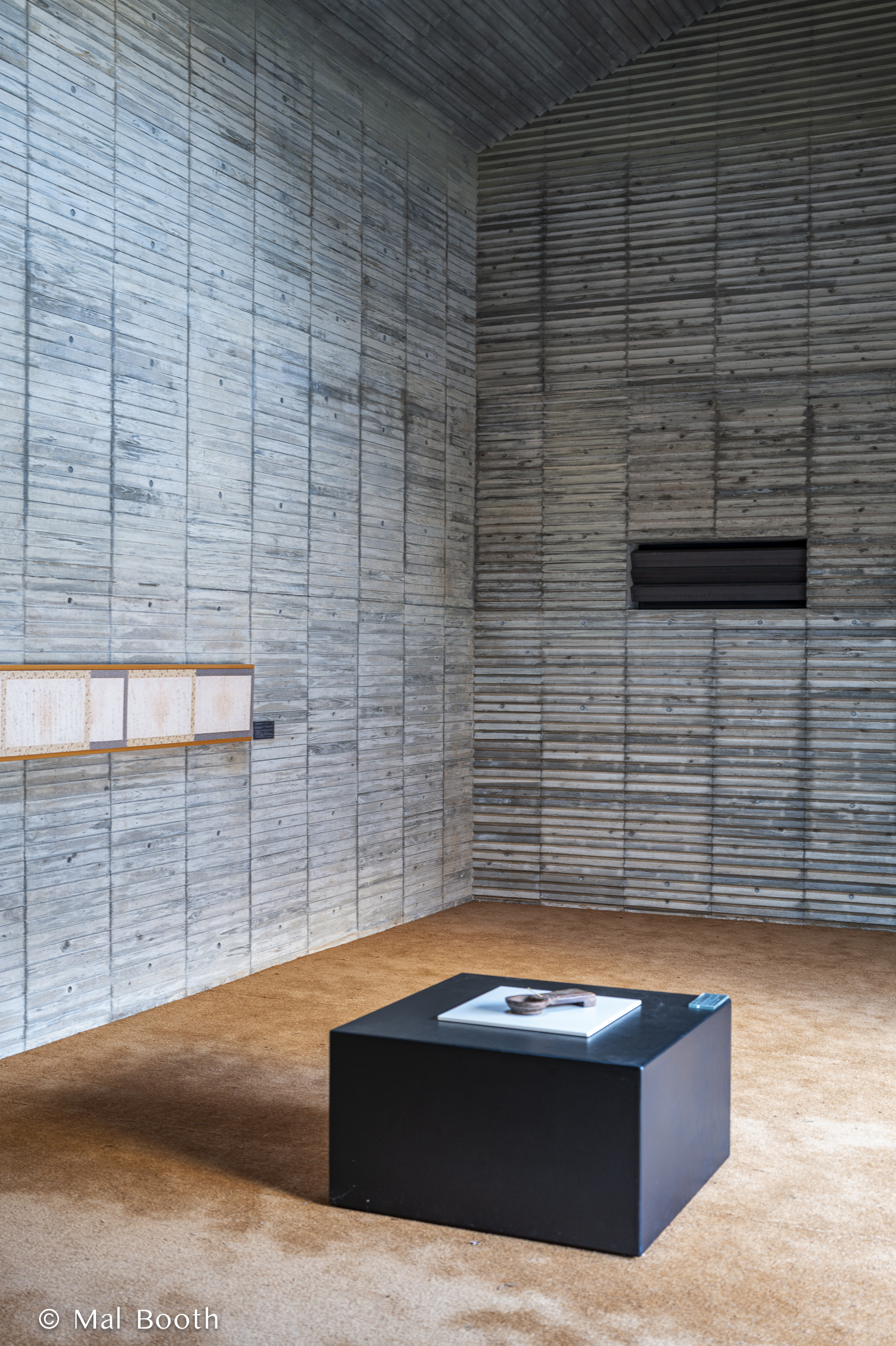
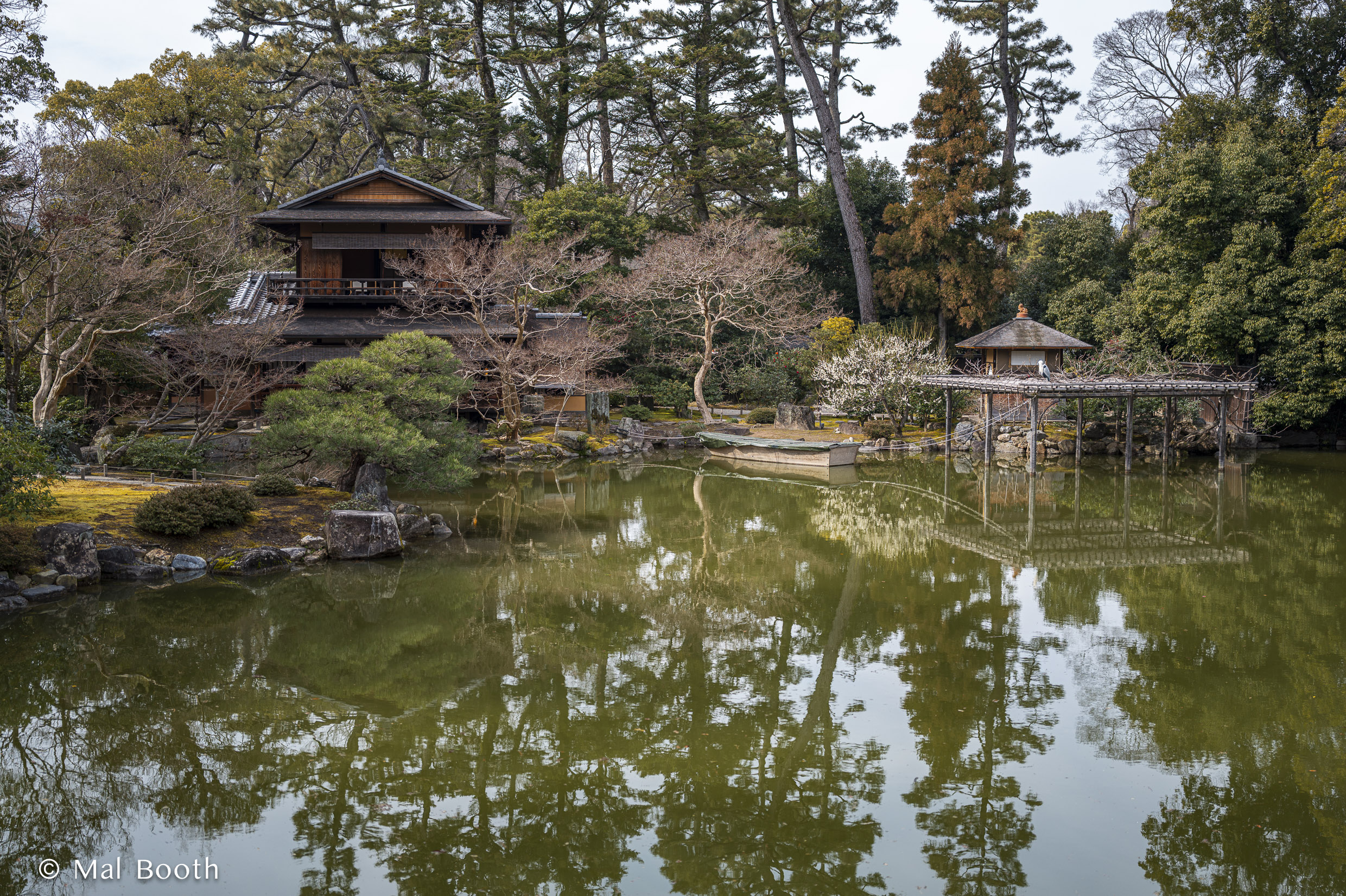
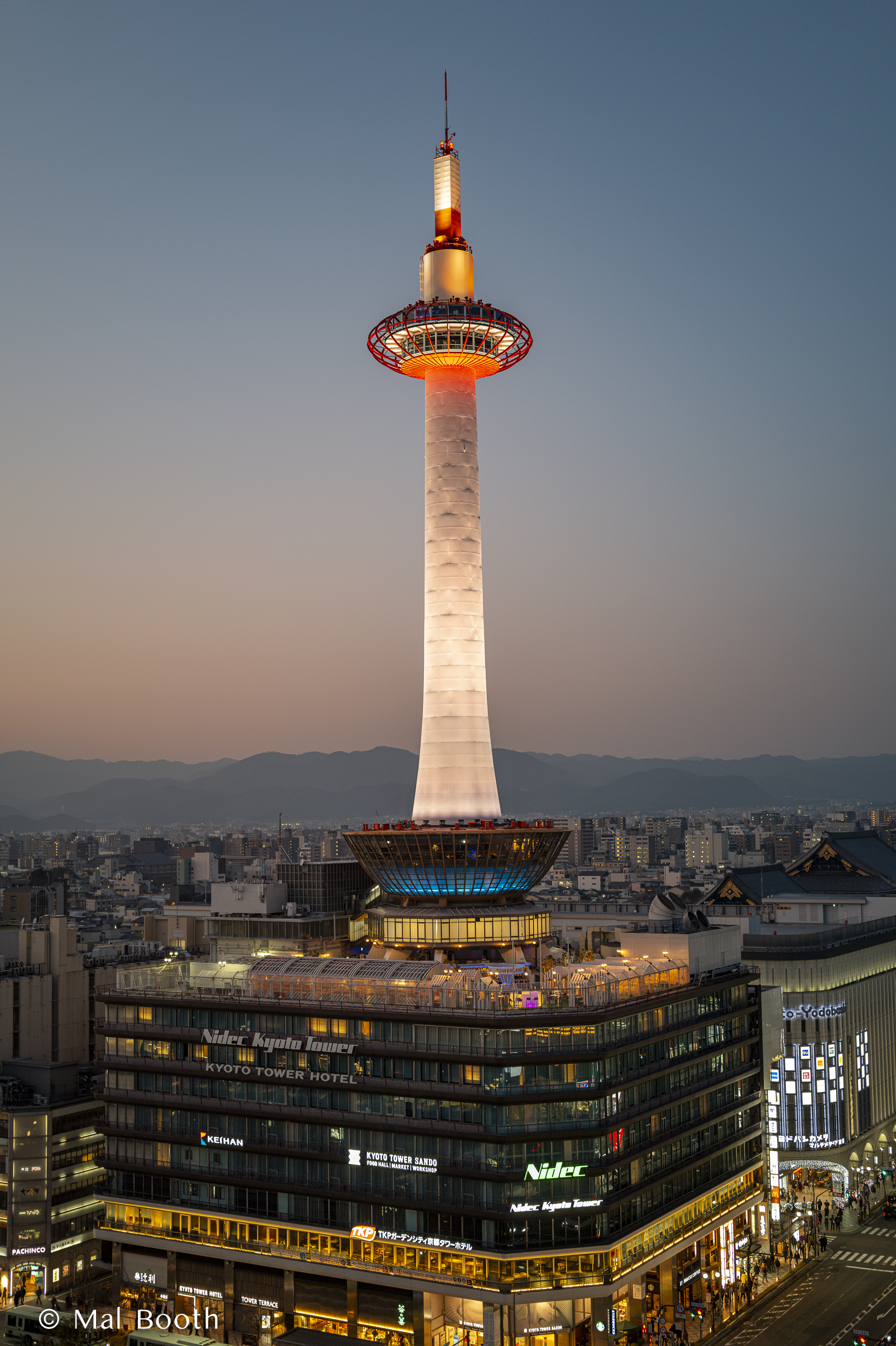
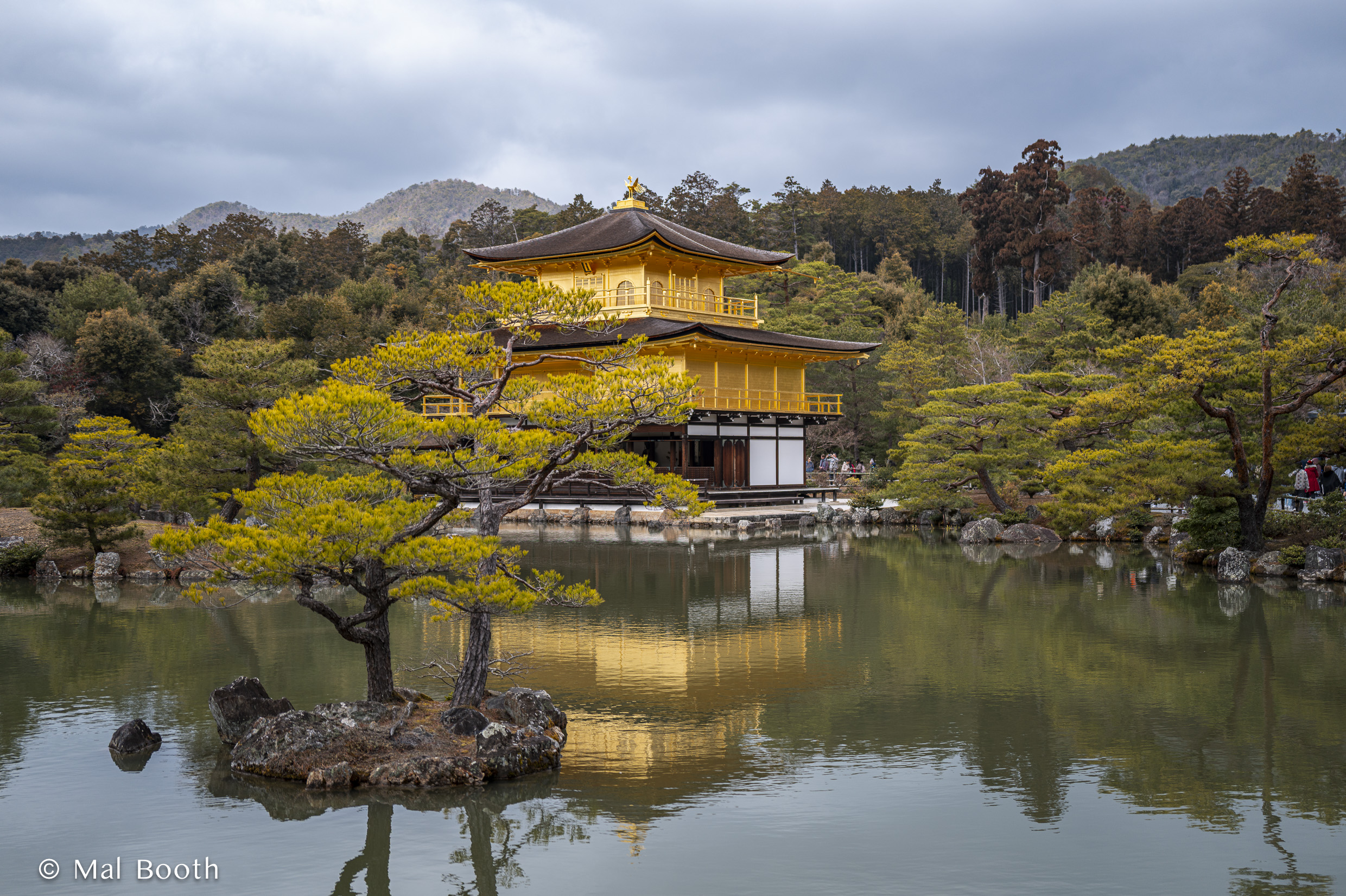
Images from Tokyo 2026
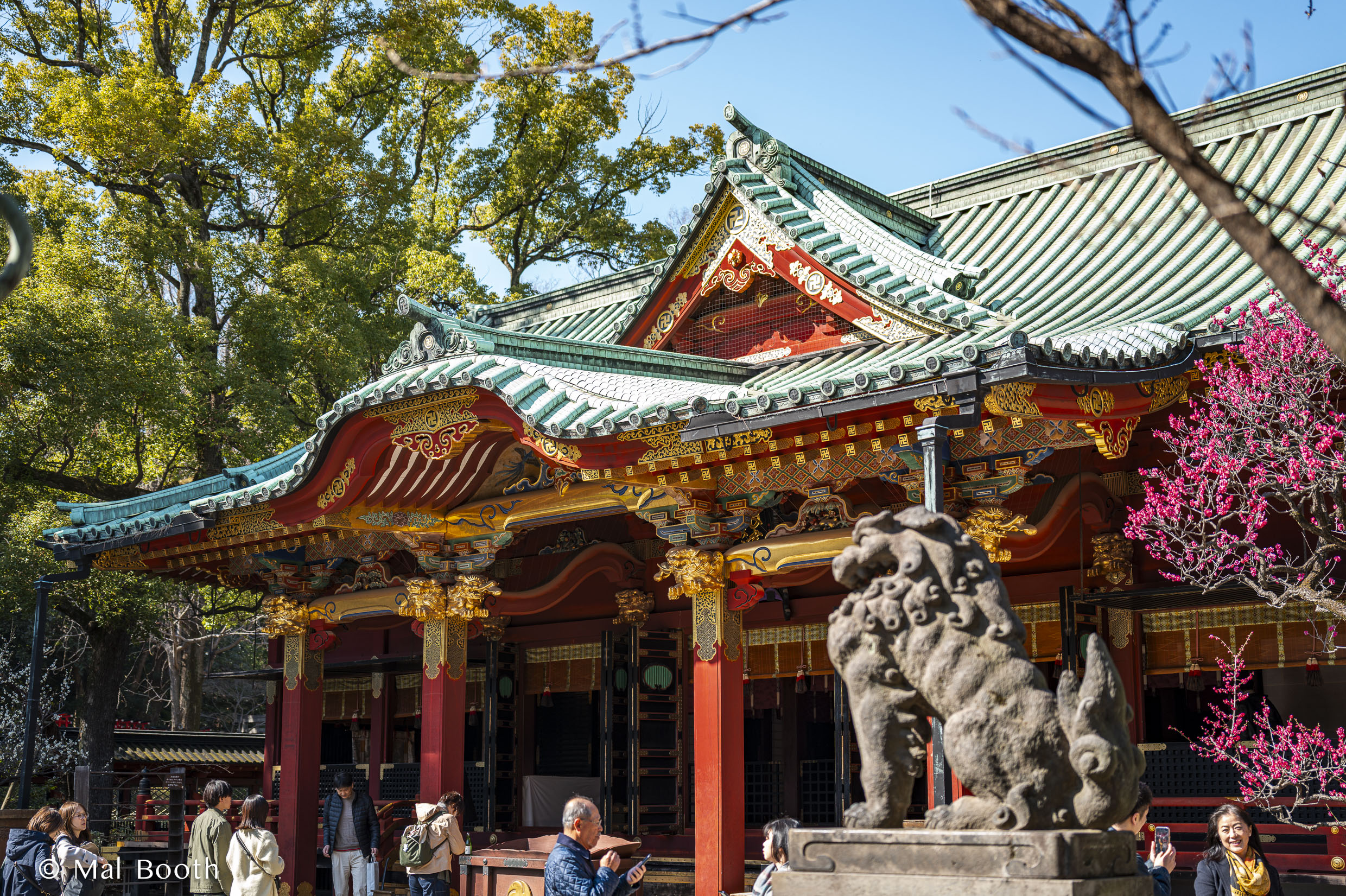
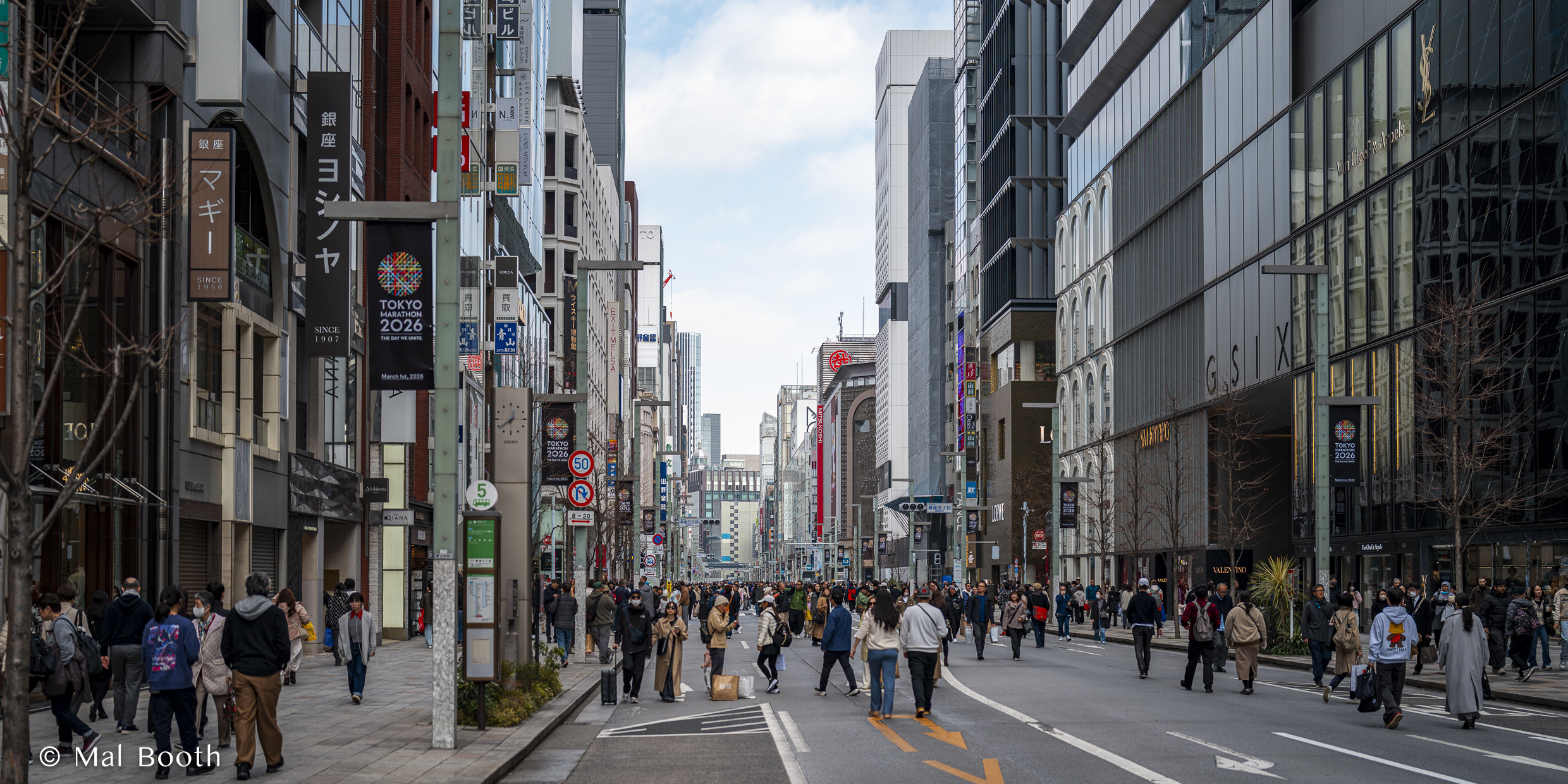
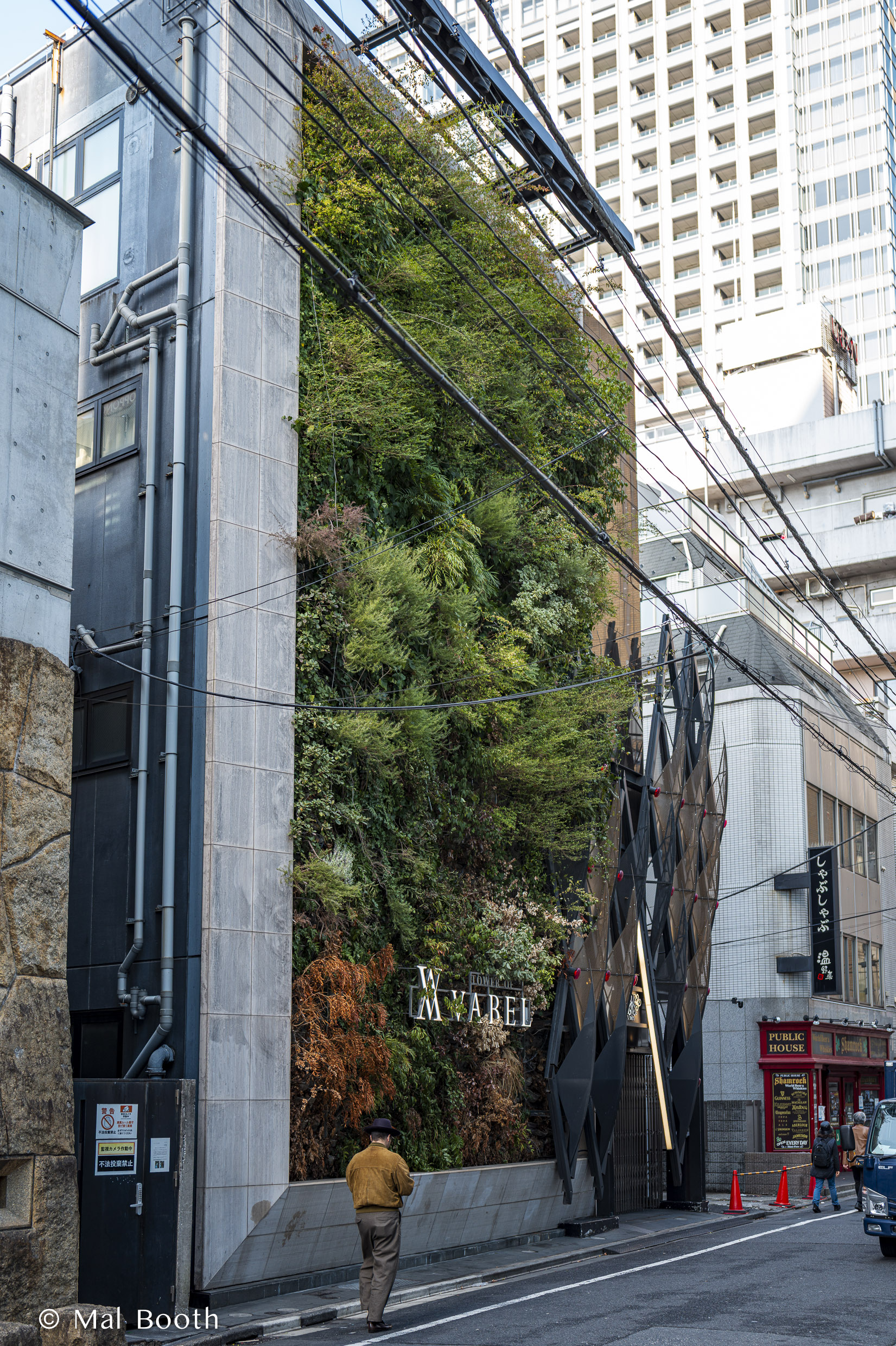
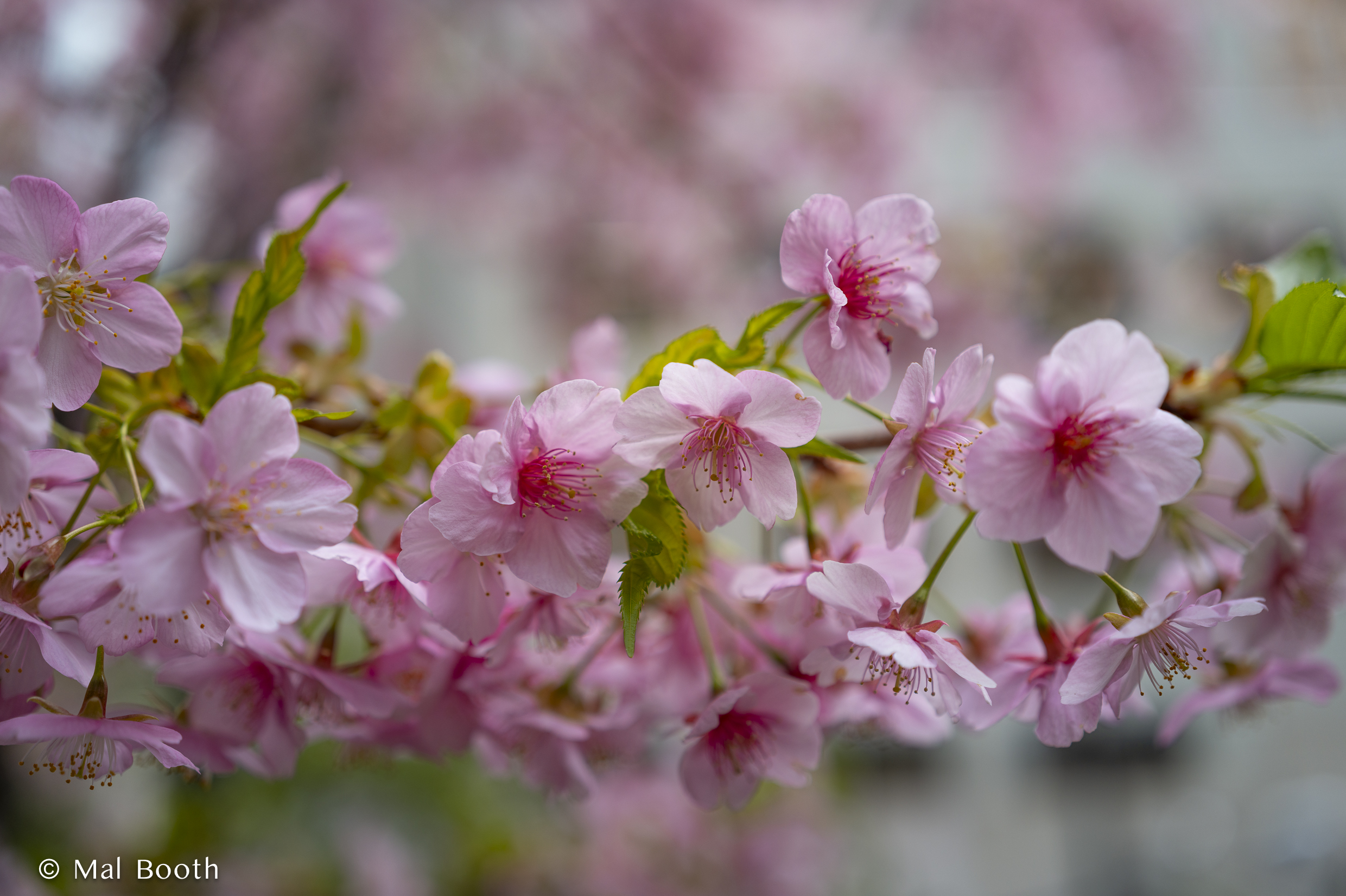

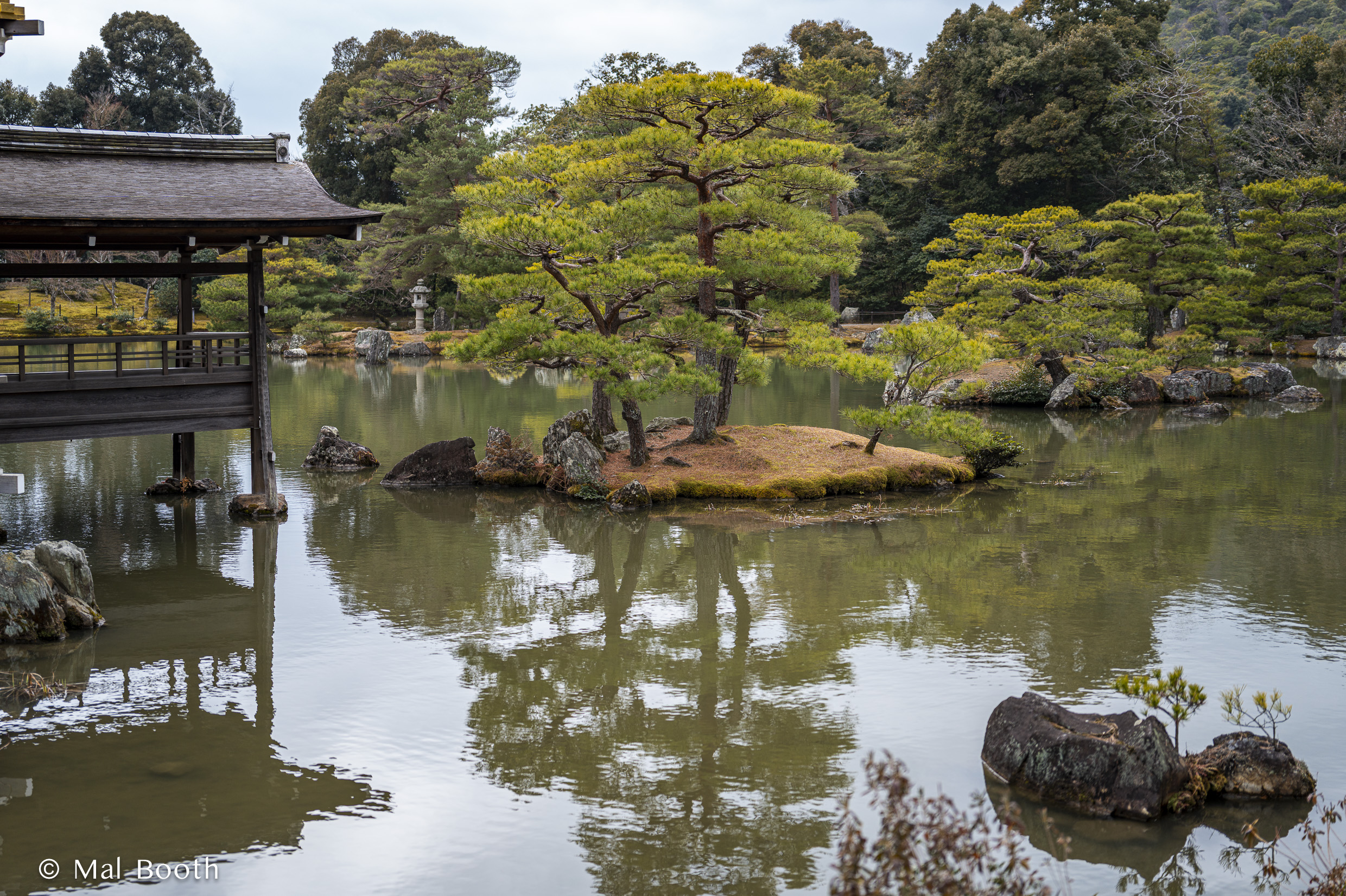
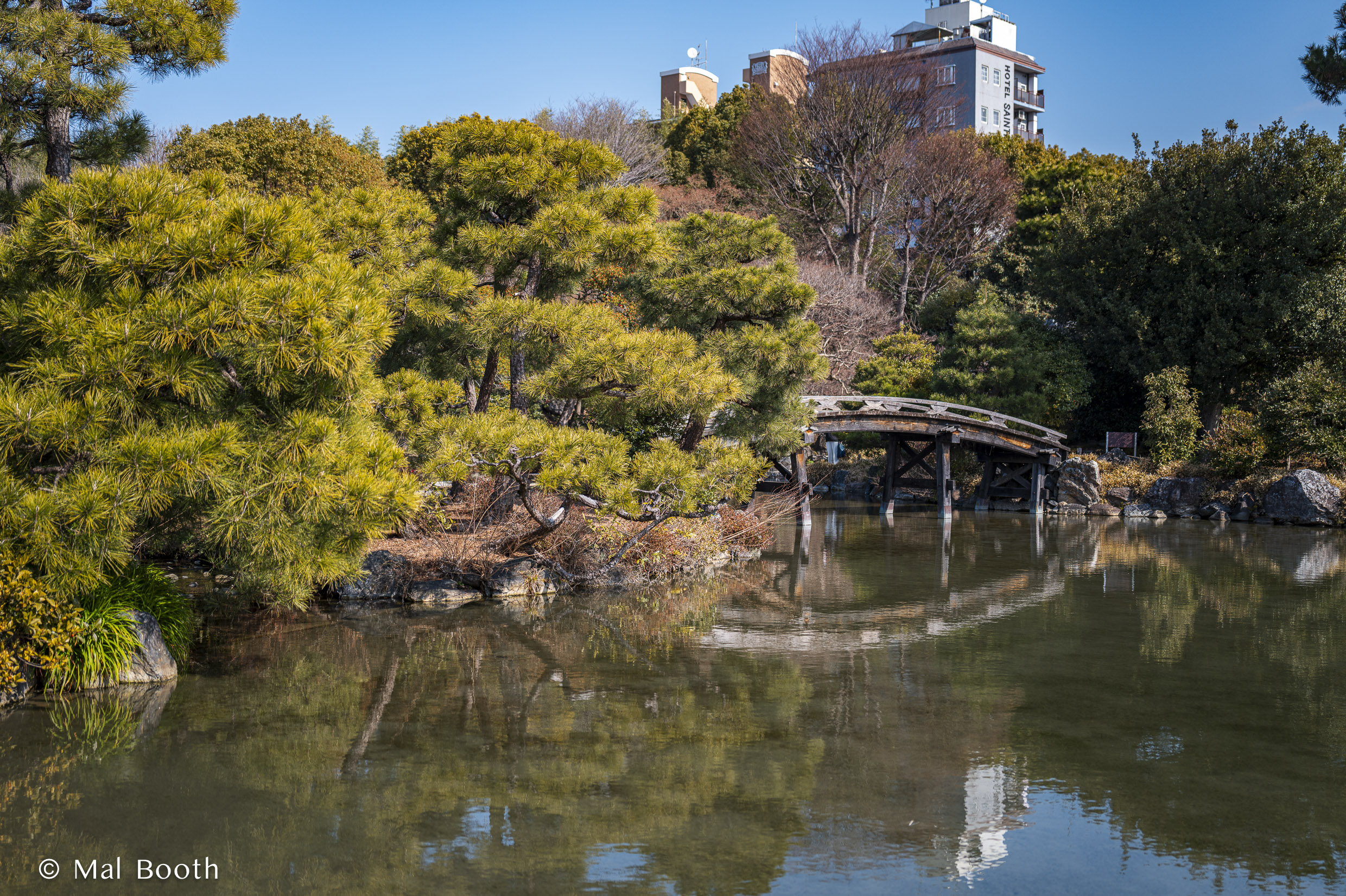
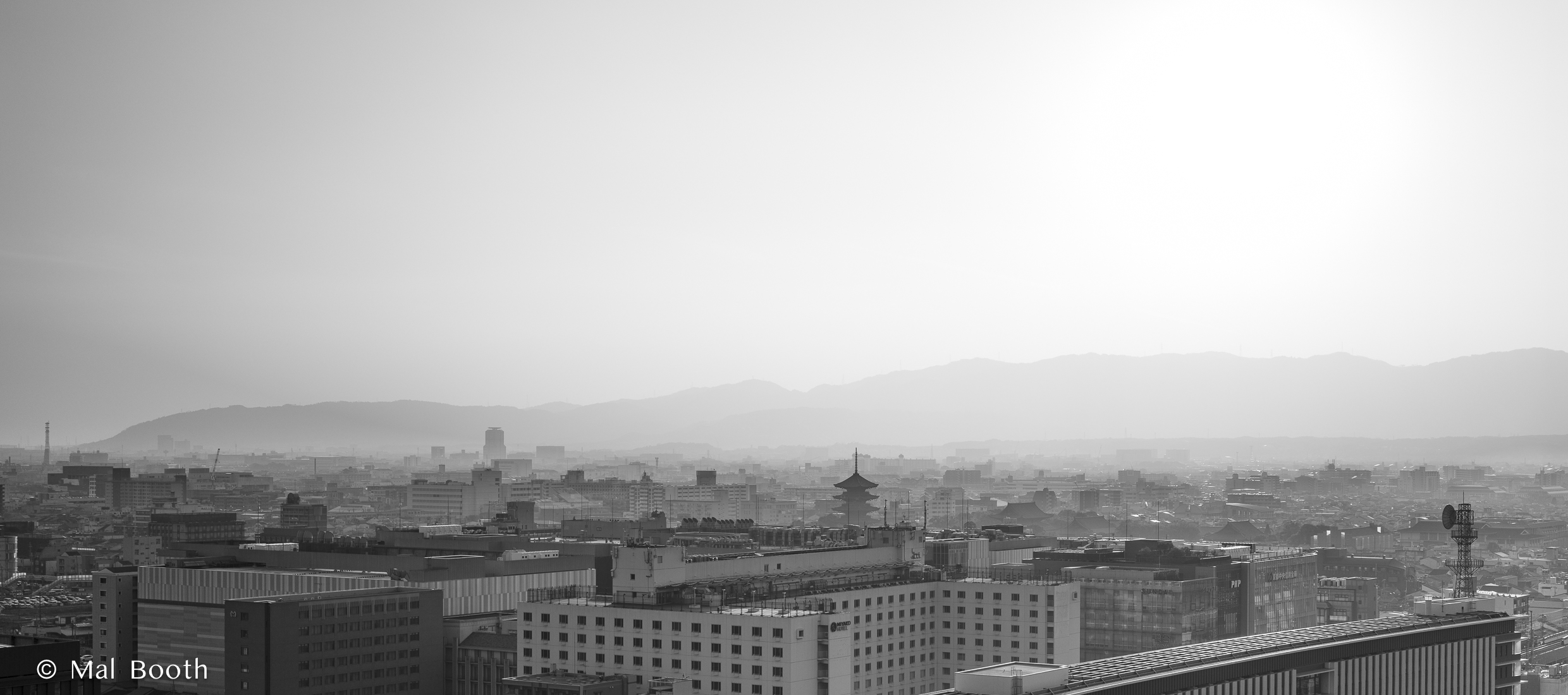
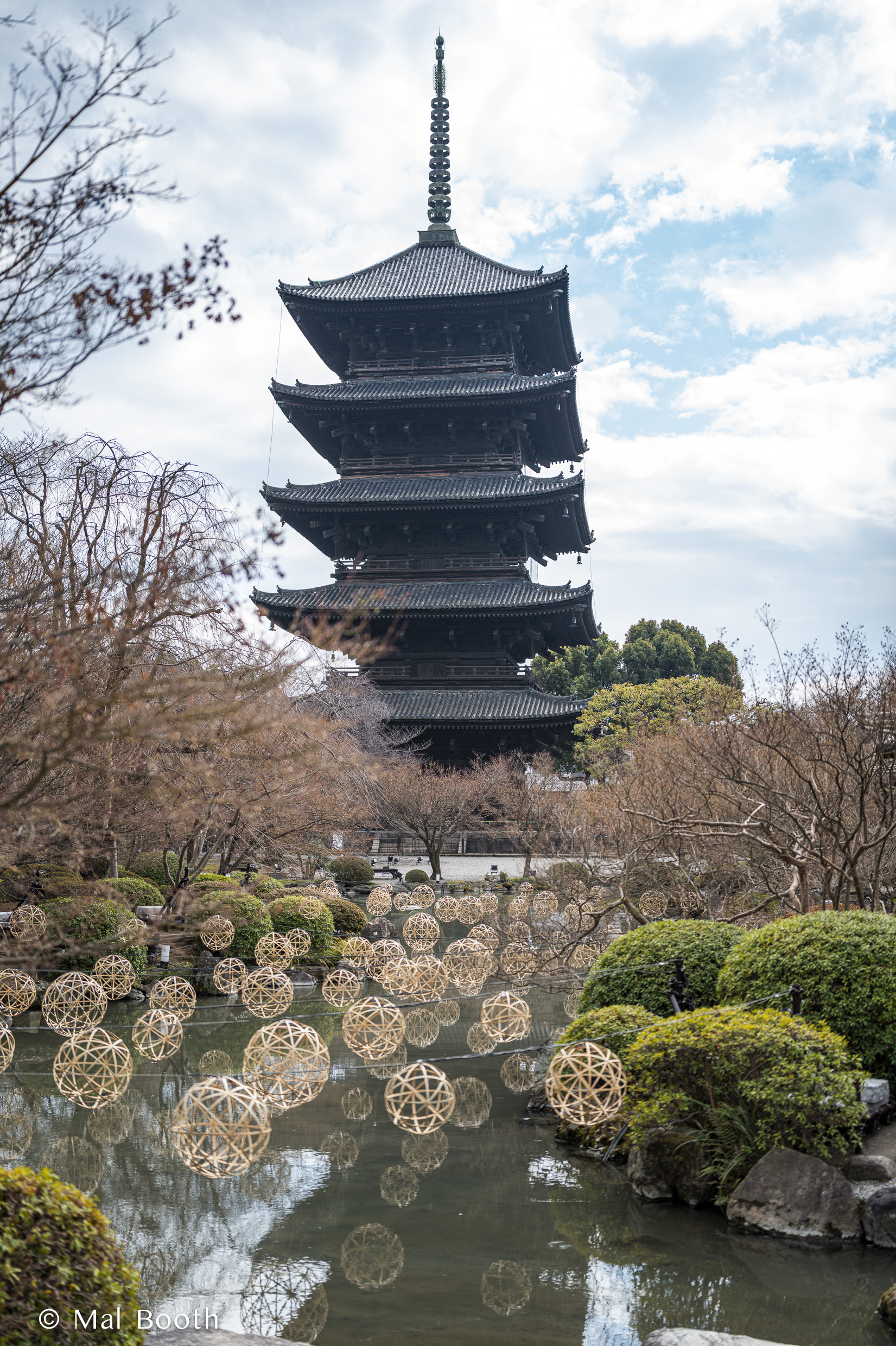
This year on ANZAC Day we remembered some sporting ANZACs during our regular Saturday morning swim session. Here are my notes.
Three Olympic Games: 1908 – Silver in the 400m freestyle & Bronze in the 1,500m freestyle | 1920 – Silver in the 4*200 freestyle relay & Bronze in the 400m freestyle | 1924 – Bronze in the 1,500m freestyle & Silver in the 4*200m freestyle relay. He was banned from the 1912 Olympics as he was employed as a PT Instructor! His three silver and three bronze was the leading medal performance record for an Australian until it was broken by Murray Rose.
He enlisted in the First World War as an infantryman, but was rejected due to appendicitis. In 1916 he became a YMCA Commissioner and coordinated and managed their welfare and recreation centres in England and France. He had to return to Australia after getting trench fever and possibly some gassing in 1918. His service was commended by General Monash.
His only Olympics were in 1912 in Stockholm where he won a Silver in the 100m freestyle and a Gold in the 4*200m freestyle relay for Australasia (a combined team with NZ – thus truly ANZAC!). He also competed in the 1906 Intercalated Games (aka the unofficial 1906 Olympics) in Athen where he won a Bronze in the 100 freestyle. He did not have the funds to go to the 1908 Games. He was a great exponent of the relatively new “Australian Crawl” stroke and did exhibitions all over Europe and the UK. He protested to have the US swimmer Duke Kahanamoku allowed to race in the final of the 100m freestyle after he had earlier been DQed on some administrative technicality and his sportsmanship was widely applauded. Duke won the Gold.
He enlisted in the AIF in 1915 and served mostly as a Quarter Master Sergeant in Egypt and France until he undertook officer training in England, so he could get closer to the actual fighting. He was then posted to the 19th (Sportsman’s) Battalion and killed in his first action leading his infantry platoon in the first battle for Mont St Quentin on 29 August 1918 (aged 36).
He also competed in the 1912 Olympics for Australasia as a 400m hurdler. He did not make it to the finals.
He enlisted in the AIF’s 6th Battery, 2nd Brigade and landed at Gallipoli on what is now ANZAC Day. he was twice evacuated with illness. Later he was discharged from the AIF and commissioned into the (British) Royal Flying Corps, 45 Squadron (Special Reserve), but was killed in action in the skies over France in August 1917. He is not listed on the Australian War Memorial’s Roll of Honour, which I find very odd.
A very well known name in equestrian events, Bill won Gold in 1960, Bronze in 1968 and in 1976, all in equestrian teams events. His Bronze in 1976 alongside his son Wayne was the first father-son to win a medal together. He also competed in the 1964 and 1972 Olympics, one of only five Australians to compete in five games. He was 45 years old in his first Olympics.
Earlier Bill had served in the Second World War from 1940-45 as a Sergeant in New Guinea and New Britain with the Field Ambulance and the 2/14th Field Regiment. After the war he settled onto a 200ha soldiers block near Boorcan in western Victoria.
In the 1936 Olympics he finished 8th in the 800m on the track and also competed in the heats of the 1,500m. He won Silver in the 1938 Empire Games in the Mile and finished 7th in the 880 yards
He served as a Sergeant in the RAAF in the Second World War, allocated to 1 Coastal Operational Training, RAF. He died in an aircraft accident during a practice bombing flight on 28 December 1941 in Cumberland, England.
In 1948 Les was the Australian team flag bearer at the London Olympics and a member of the water polo team. He had been a champion surf swimmer and also won a Gold with the water polo team in the 1950 Empire Games.
He had been a laundry manager before the Second World War and on enlistment he saw service as a Major, initially with mobile bath units, in the Middle East and South West Pacific Area.
A 1924 Olympian, Richard competed in the long jump, but in his own words he did his “worst jump for the last seven years” as they had nowhere to train in Paris. Later he broke the British long jump record in 1926 with a leap of 7.43m.
He was mobilised as a Major in the Australian Army Medical Corps in early 1942 and served in military hospitals principally in Goulburn and Alice Springs.

Glædelig jul! I had lots of travel this year with visits to the US, Japan, Thailand and Denmark, and many concerts, both at home and overseas. So let’s get into it …
The year started at home in Sydney with my regular swim mob, Wednesday night trivia at the Carlisle Castle in Newtown and a lot of travel planning. I also played barefoot bowls for the first time at nephew Ben’s 21st. Our subscription to the Australian Chamber Orchestra’s 2025 season started in February with some Brahms and Beethoven’s 7th symphony.
In March I had another couple of relaxed weeks in Hawaii, just on Oahu, swimming in the ocean and using a new camera. There I stayed in a great airbnb apartment with ocean views and again caught up with my US friend Jamie and some of her friends in Honolulu including the fun Pam and her hilarious partner Grover. A few of us went to a Hawaiian themed Cirque du Soleil performance that I really enjoyed and I attended three great Beethoven performances by the Hawaiian Symphony Orchestra: his 5th, 8th and 9th symphonies as they were playing a festival when I was there. By booking well ahead of my time in Hawaii I was for the first time able to visit Doris Duke’s Shangri-la (now the Museum of Islamic Art, Culture & Design) on the other side of Diamond Head.
I was at home again in April and Easter was with sister Mez, her husband Phil, Jan, Brian and Gregor came down from Newcastle. I think my highlight for the year was the ACO’s simply amazing concert with the wonderfully energetic cellist Abel Selaocoe. This was almost a life-changing experience. He is so talented. May was more of the same for me with my regular routine and another ACO concert
I spent about three weeks visiting Japan again in June because I found it so fascinating last year. This year I took the Shinkansen fast train to Kanazawa on the west coast and spent a week there. My time coincided with the Kanazawa festival, so I saw the Kaga Yuzen Lantern Floating on the river beside my airbnb and the spectacular Hyakumangoku Parade which is the festival highlight. Kanazawa has some great restaurants, a very cute old tea district, a big old castle as well as their historic old Samurai district and one of the three most beautiful gardens in Japan: Kenrokuen Garden. They also have a great MCA and the famous DT Suzuki Museum that is a brilliantly designed contemplative space. After a week there I took the Shinkansen back to Tokyo and had a spacious airbnb apartment just behind Ginza which is pretty convenient. I visited heaps of art and photography museums and saw a huge and brilliant Miro exhibition. I went to my first big baseball game at the Tokyo Dome and that was a pretty exciting experience. It is all so wonderful that I am heading back to Japan in 2026 to see more of Kyoto and Tokyo (this time in hotels with lap swimming pools!).
My longest trip this year was via a round-the-world ticket, taking in Bangkok, Copenhagen and New York. Bangkok was just a relaxing few days in a well situated hotel that has a beautiful 25m outdoor lap pool. Then it was on to Copenhagen via Helsinki (the Finnair stop). It was my second time in Copenhagen and I jagged a well situated, beautifully appointed airbnb in a traditional old apartment building. Once again I visited many museums, galleries and the Black Diamond Library but the highlight was a Banksy exhibition at MACA. I even spent some time over coffee with the exhibition curator! I took the train up to Louisiana MoMA to see it again and to see their huge Robert Longo exhibition, which was great. It was, however, really crowded. Before leaving for NYC, I walked down to the Copenhagen Ironman bike course (passing through the city) and photographed the race leaders. The canal water seemed too cold for swimming in Denmark, so I enjoyed staying in the luxurious Equinox hotel in Hudson Yards (NYC) that had an indoor lap pool that I used every day. Disappointingly, quite a few favourite museums were either closed, doing exhibition changeovers or had exhibitions of no interest to me, but I did enjoy my time in the Whitney, MoMA, the Metropolitan Museum and wandering around the 9/11 memorial area. Manhattan now has many new high rise buildings that I’d not see before, but I balanced the new with return visits to St Patrick’s cathedral, the Chrysler building and the Main Concourse in Grand Central Terminal.
Back home in Sydney I resumed my normal routine again, started planning a big trip to Sweden and Iceland in 2026 with Gregor of Newcastle and hosted a visit by Paulie of Canberra who was running the Sydney marathon. As well as our regular weekly trivia, the swim mob all went to drag trivia in Sydenham with Jackie Daniels. This year is my third year of regular Monday night rehearsals that started in October, with the 400-strong Radio Community Chest choir in St Stephen’s church in the city for our performance of Handel’s Messiah in the Sydney Town Hall on 13 and 14 December. We’ve had the last ACO concert that I enjoyed not a lot, but I am looking forward to another performance of Beethoven’s 9th in the Sydney Opera House and then a more intimate performance of Handel’s Messiah with the Pinchgut Opera in the City Recital Hall, Angel Place.
You can view a pictorial record of most of this in albums covering each trip/country here https://www.flickr.com/photos/malbooth/albums/ and I hope to provide separate updates about my Kindle reading and podcast listening on this blog as usual. Goodwill to you all!
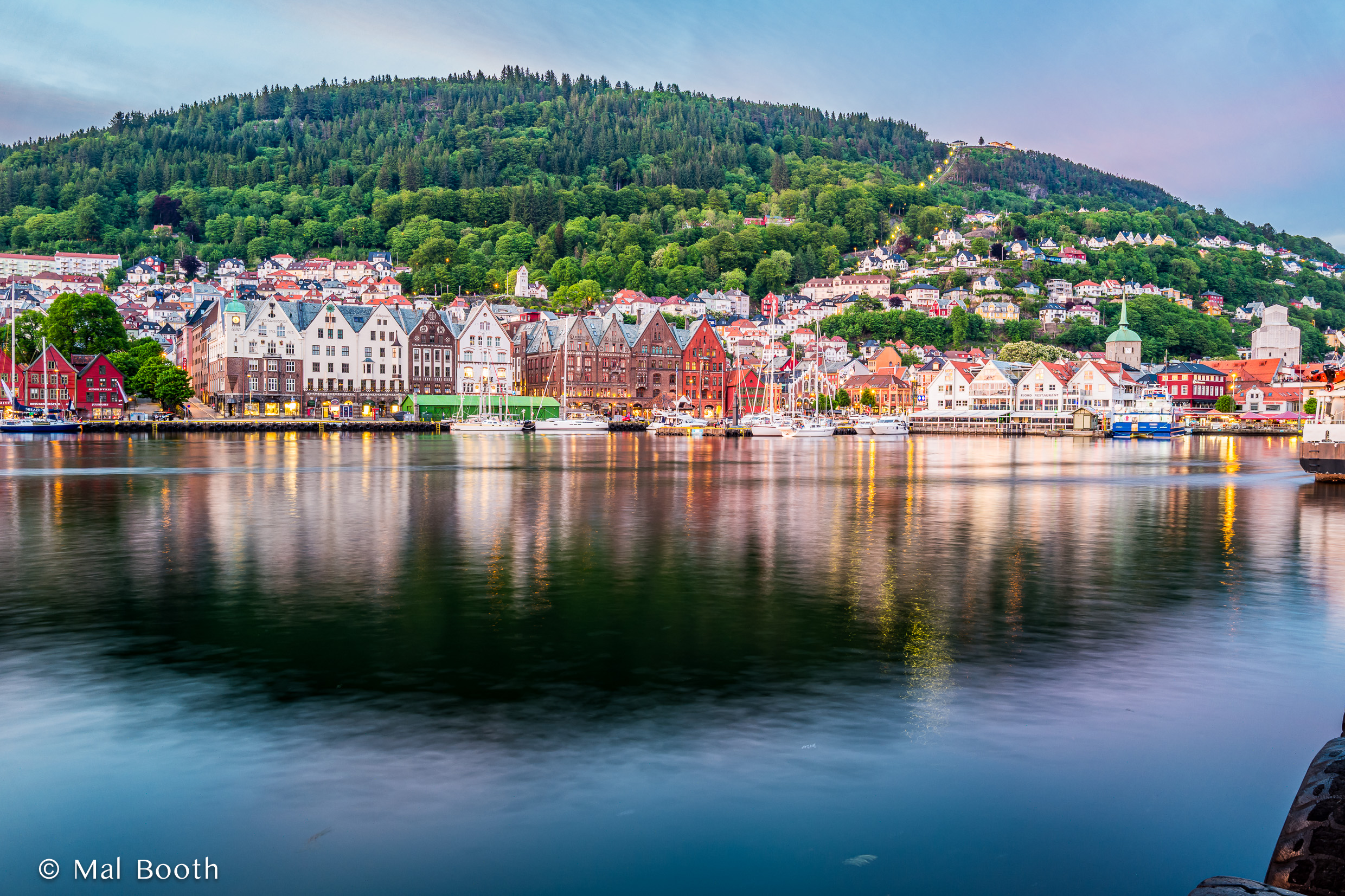
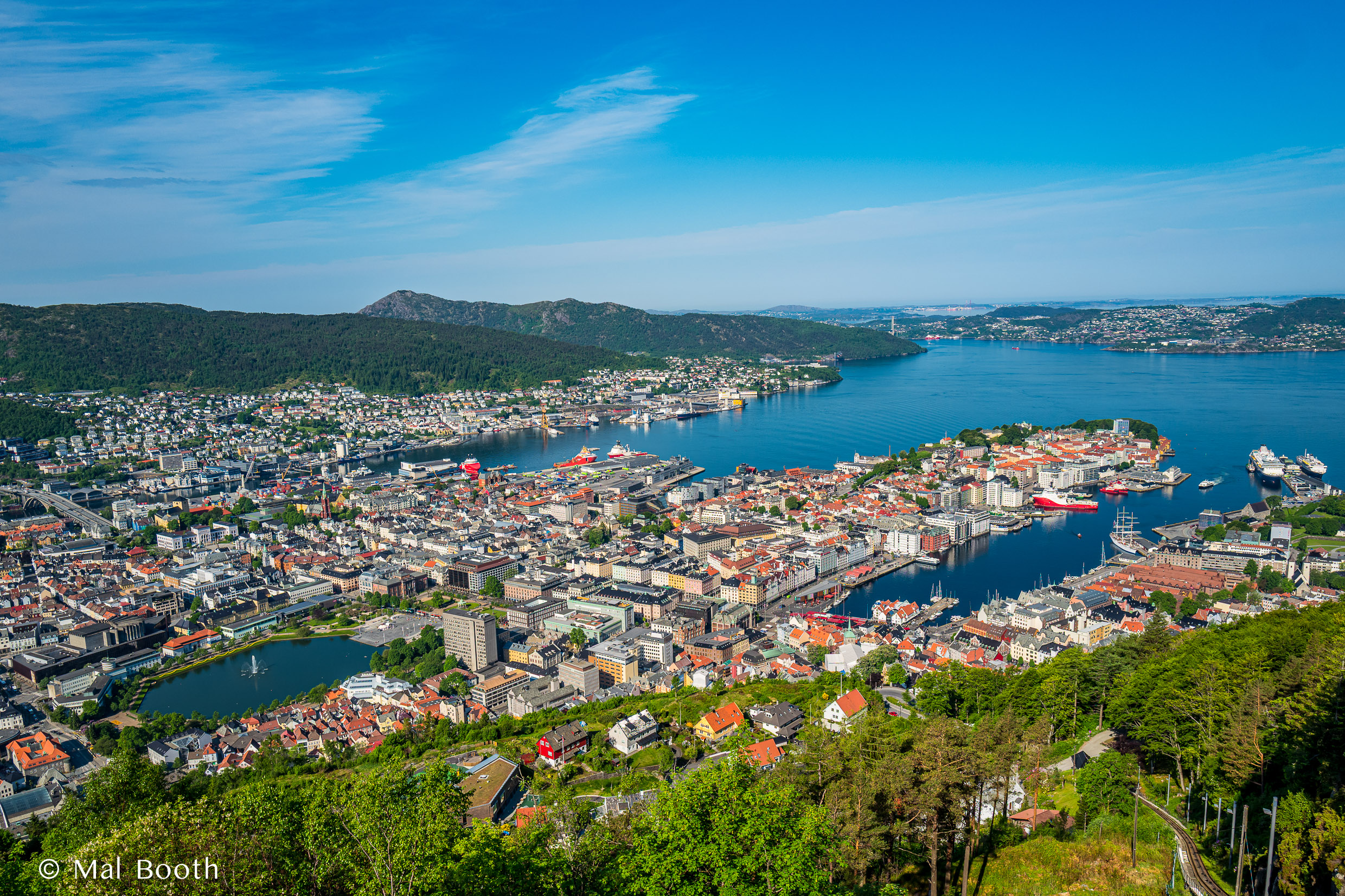
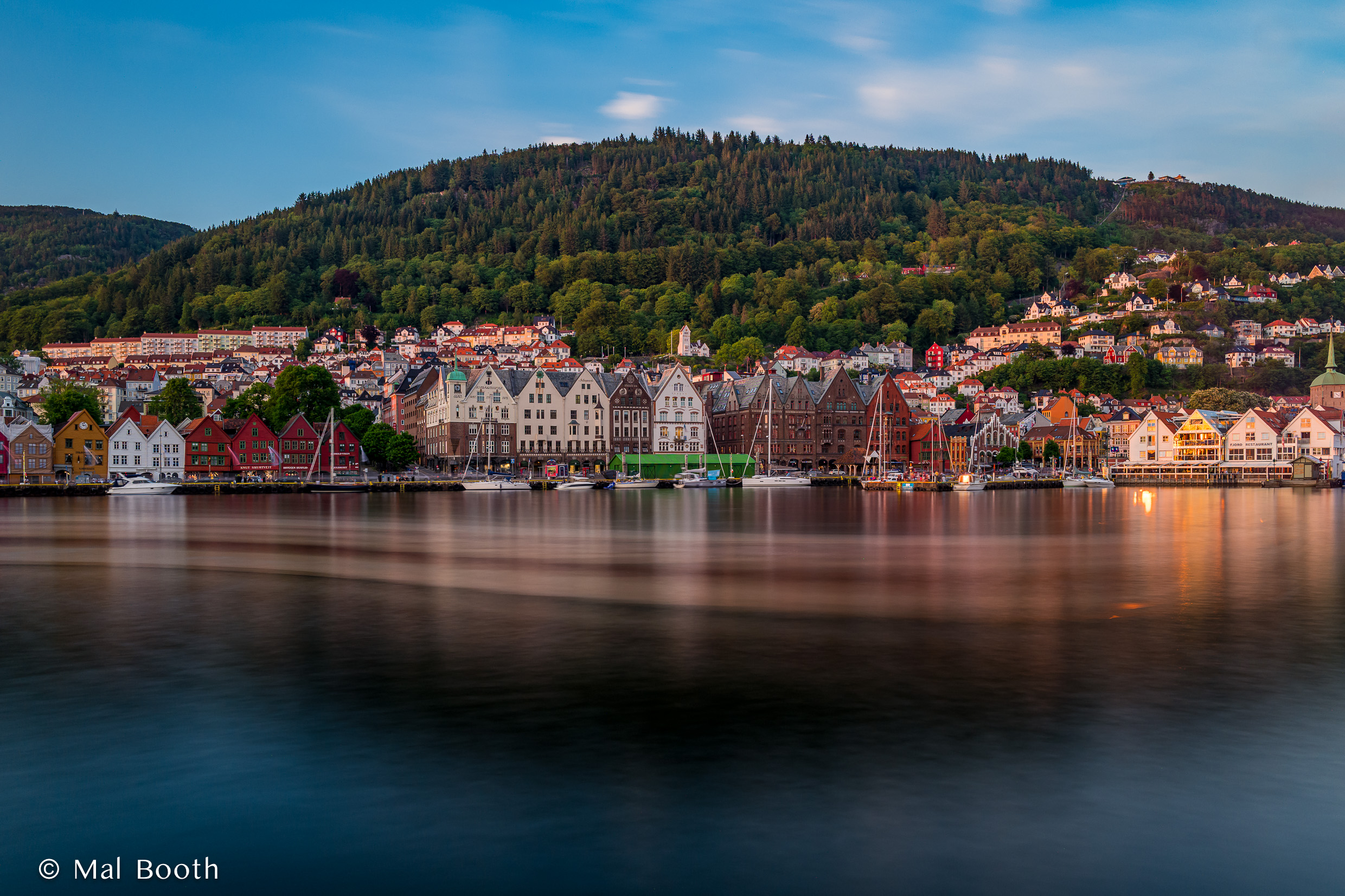
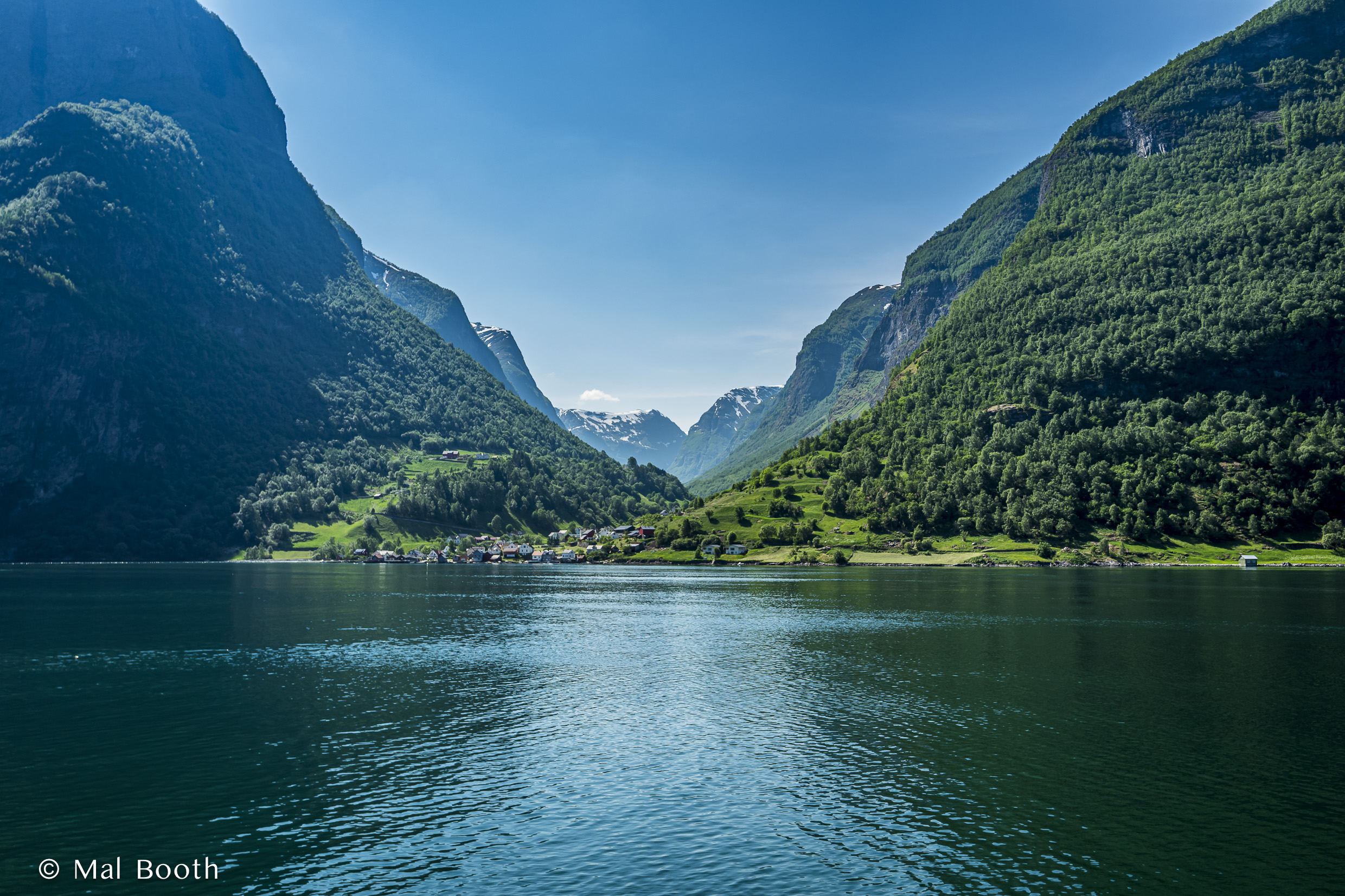
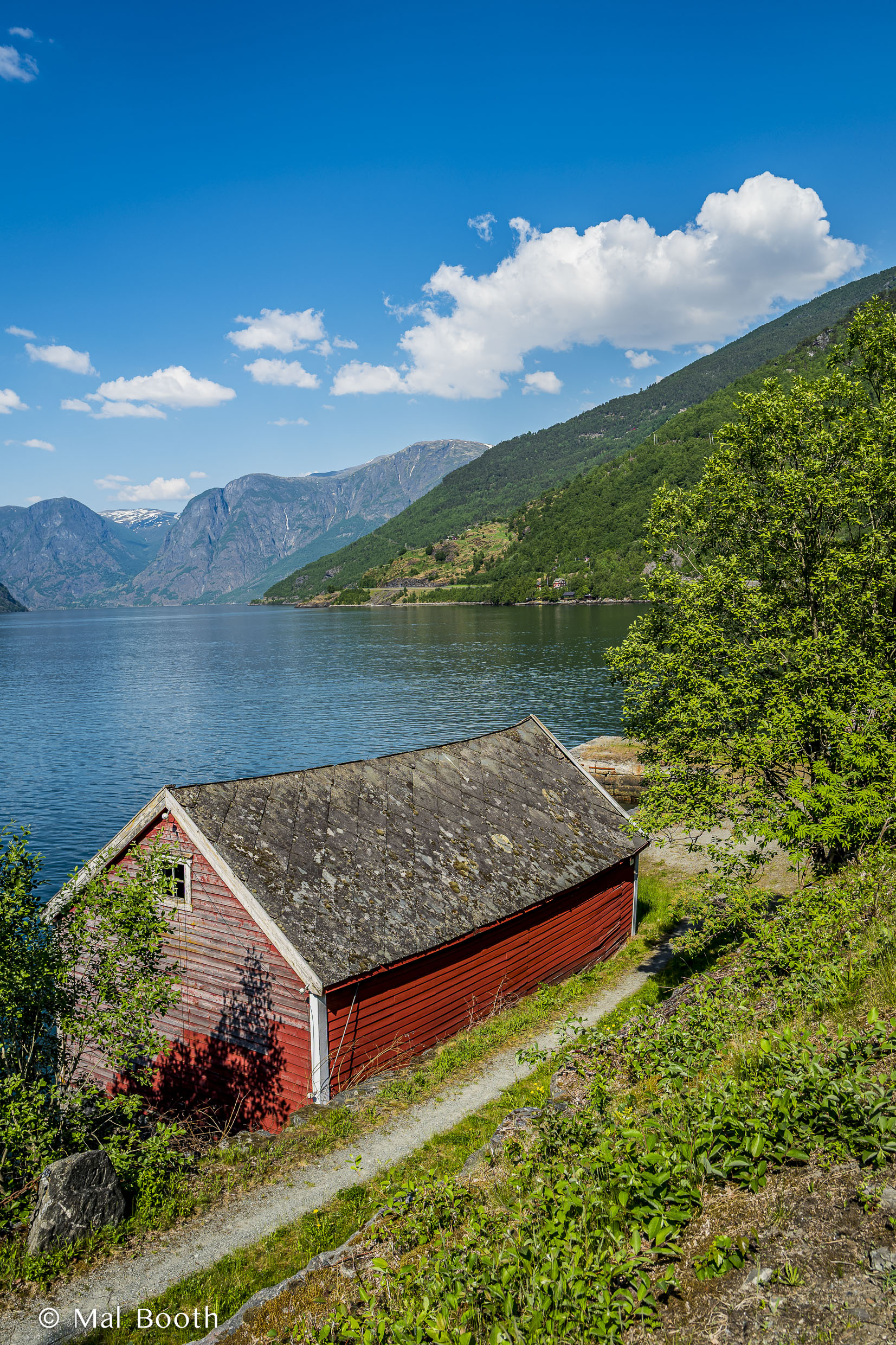
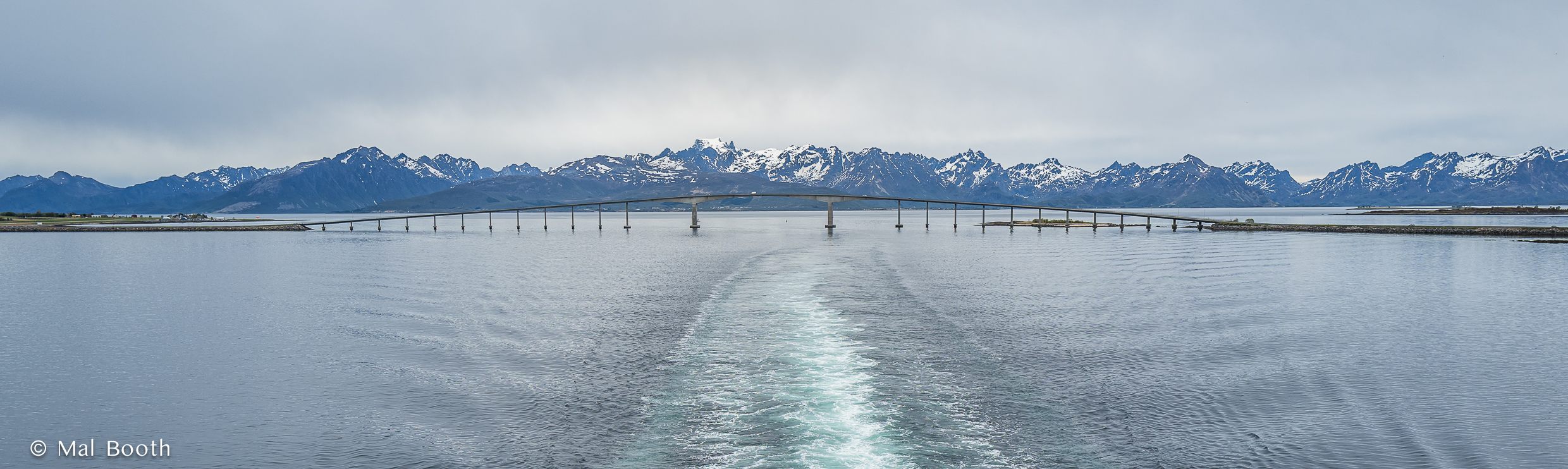
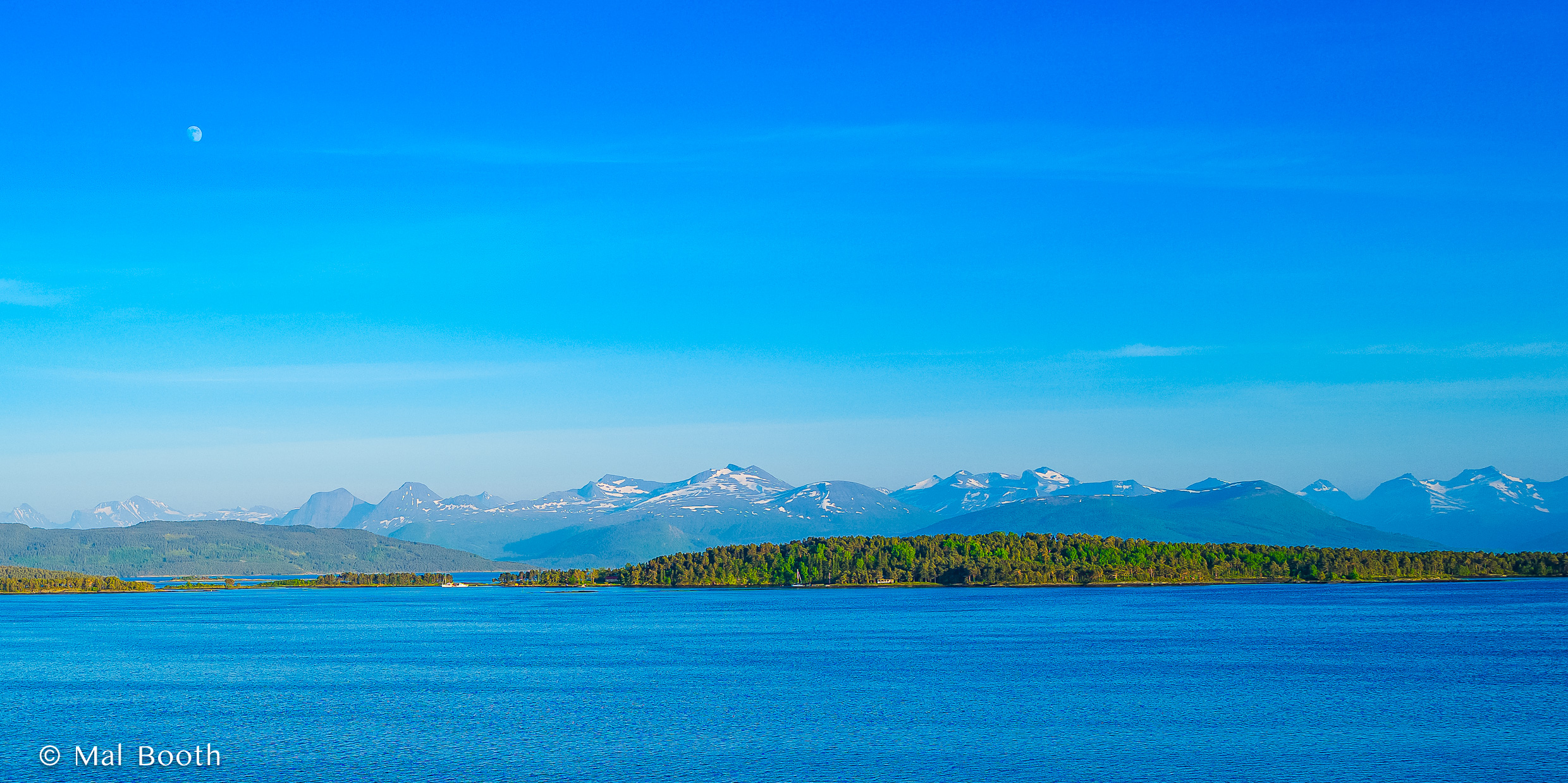
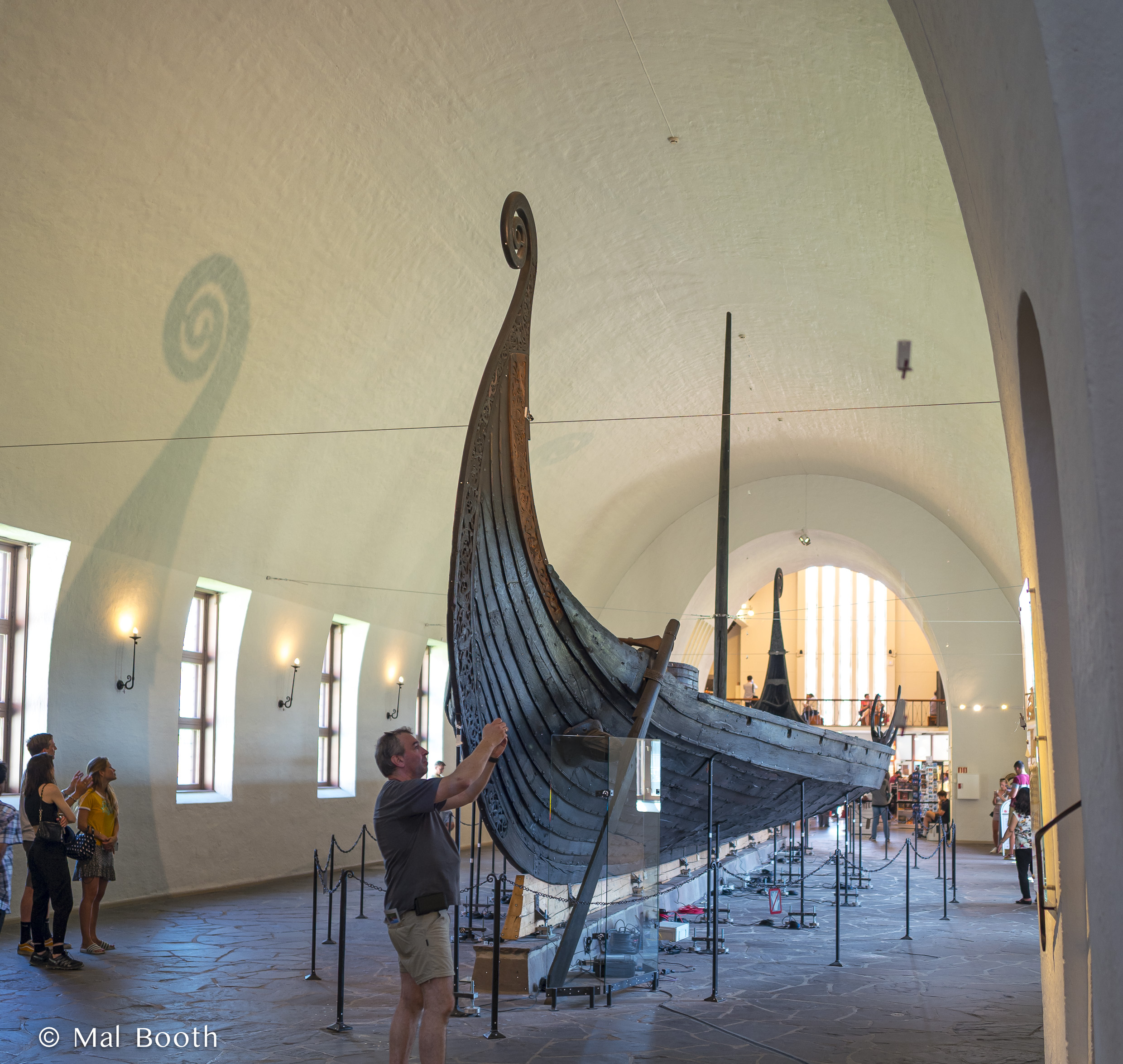
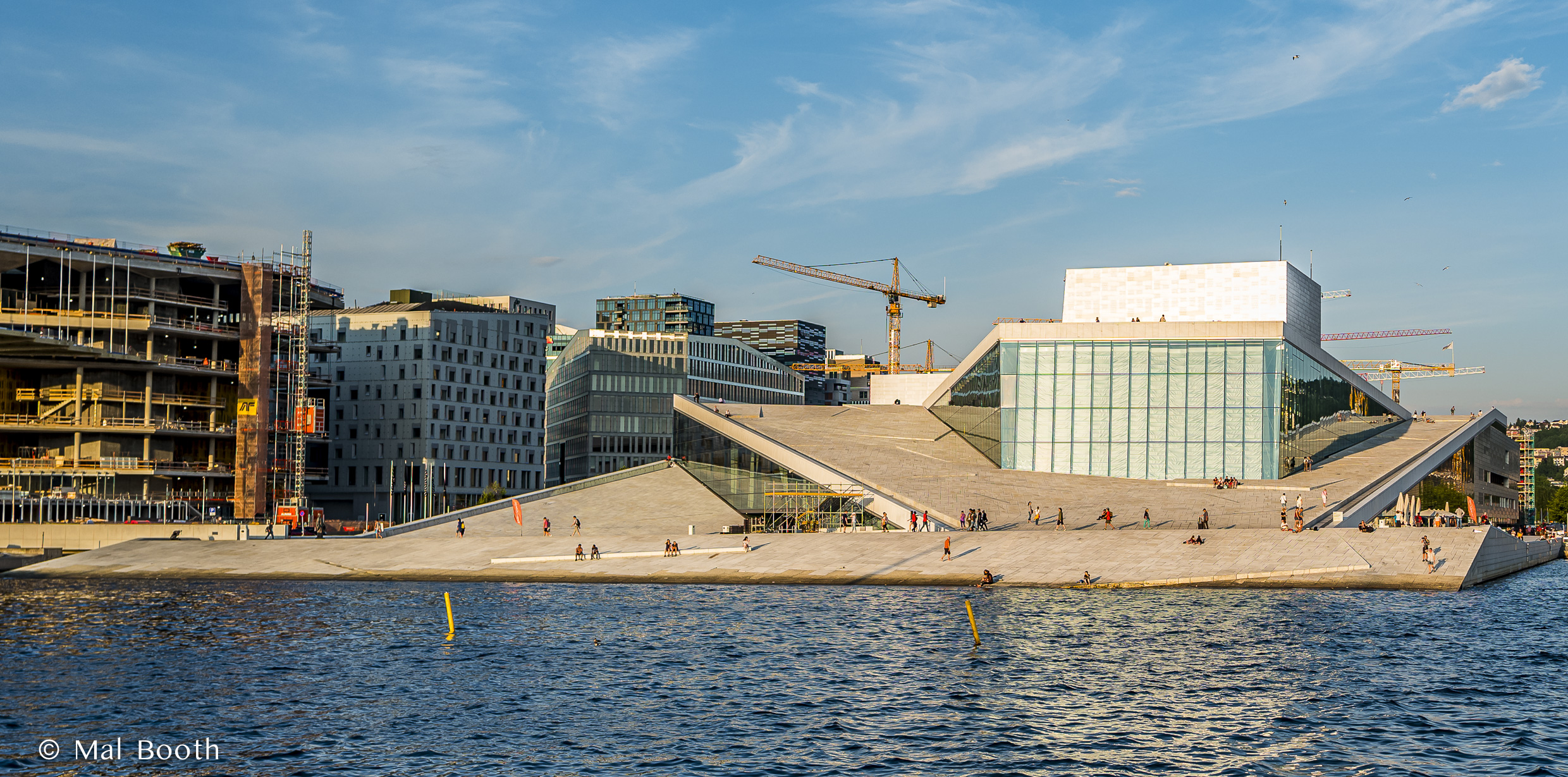
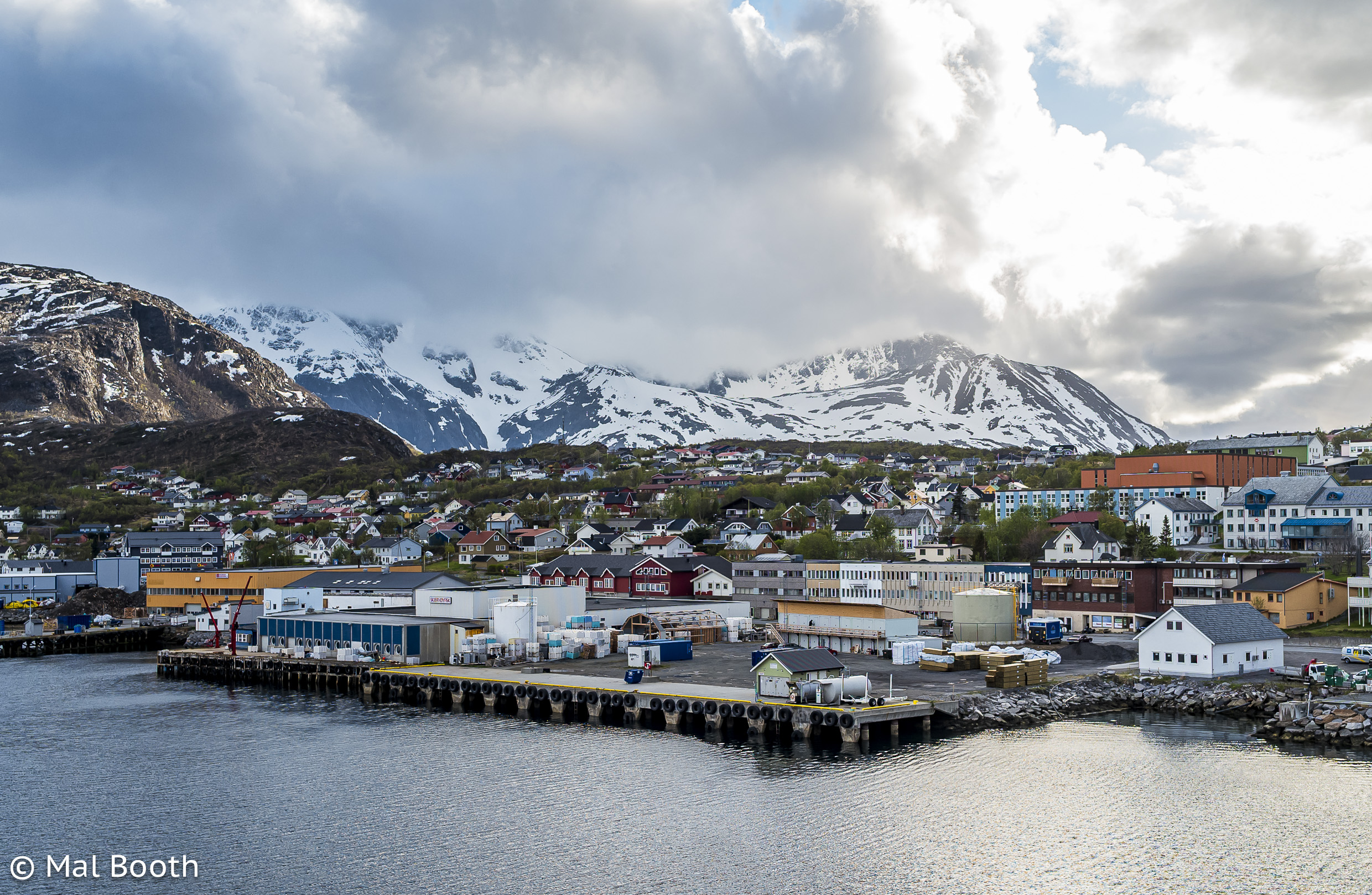
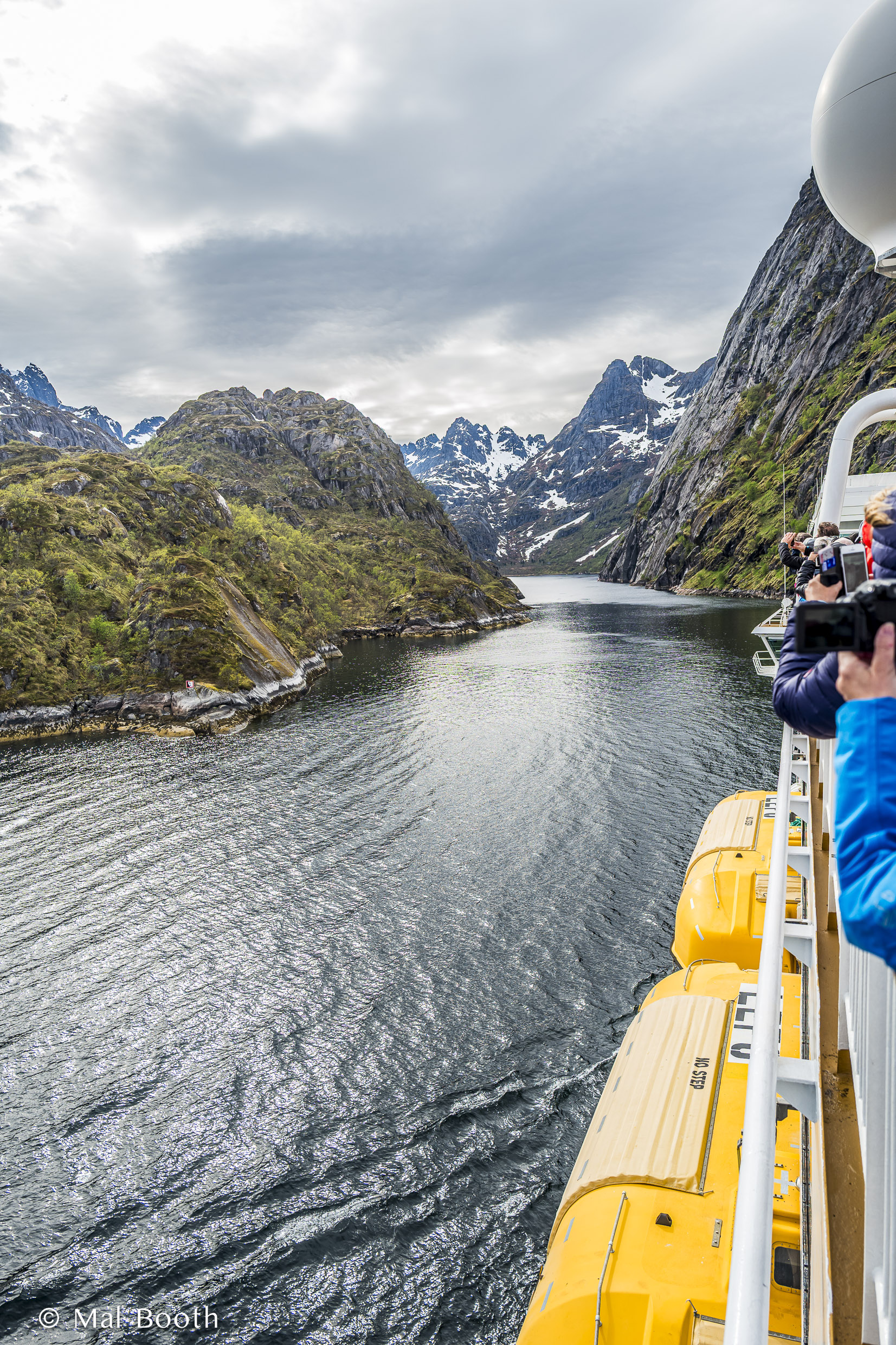
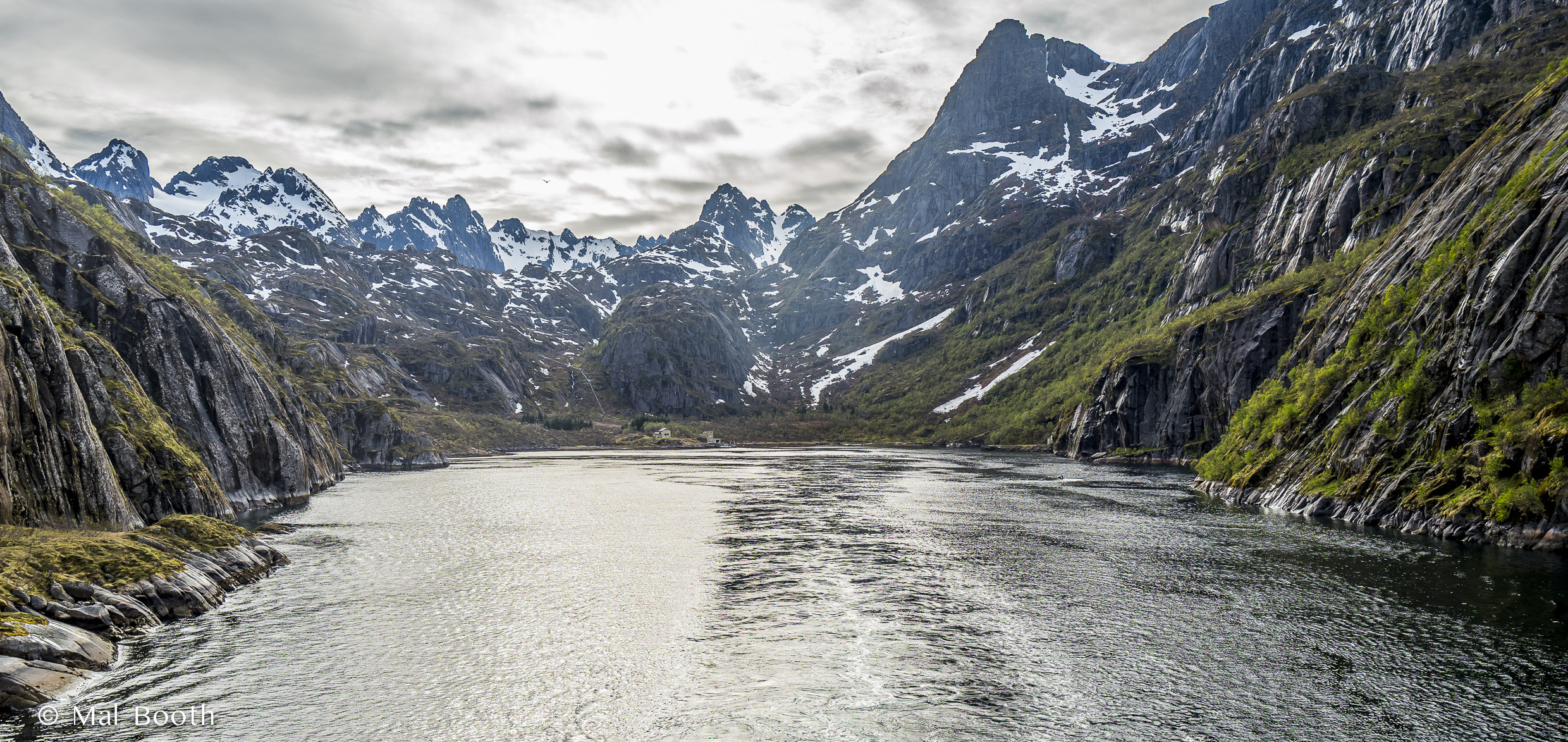
I went on a fantastic trip to Norway with a good friend, Greg. It was my first trip away with a Leica camera (a Q) and I took far too many images and then it all turned into a big muddle as I was editing and uploading on the run with an iPad mini and the whole batch was just a big mess when I got home. Sometime later all those images and their related metadata (locations, places names and edits) were stored on an external hard drive that became corrupted and all I was able to recover were the raw files.
It took me an age to get around to re-editing, re-locating and uploading a selection of several thousand images, but I did manage to complete this recently and about 250 are now on my Flickr account. The gallery below is a selection of those images.























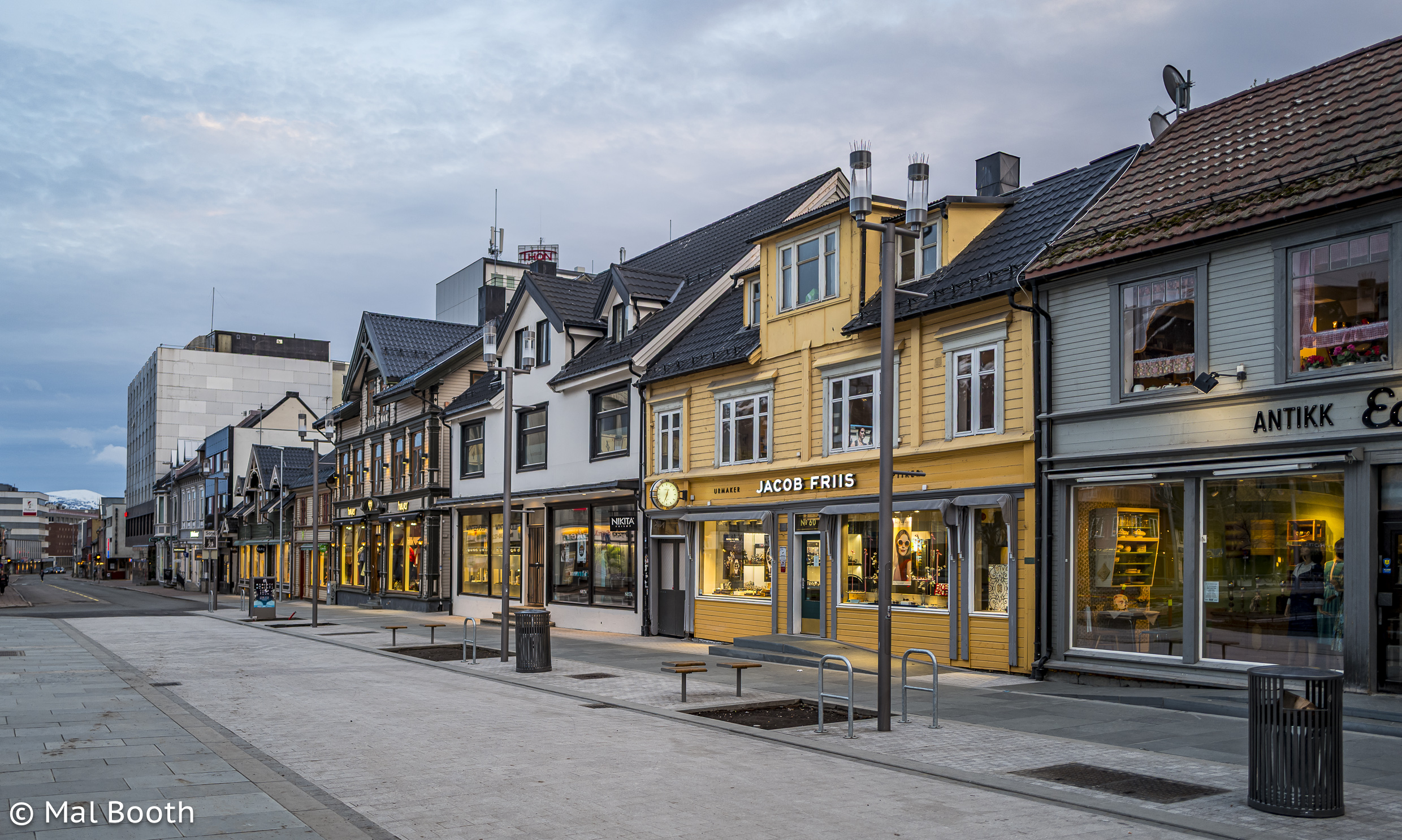
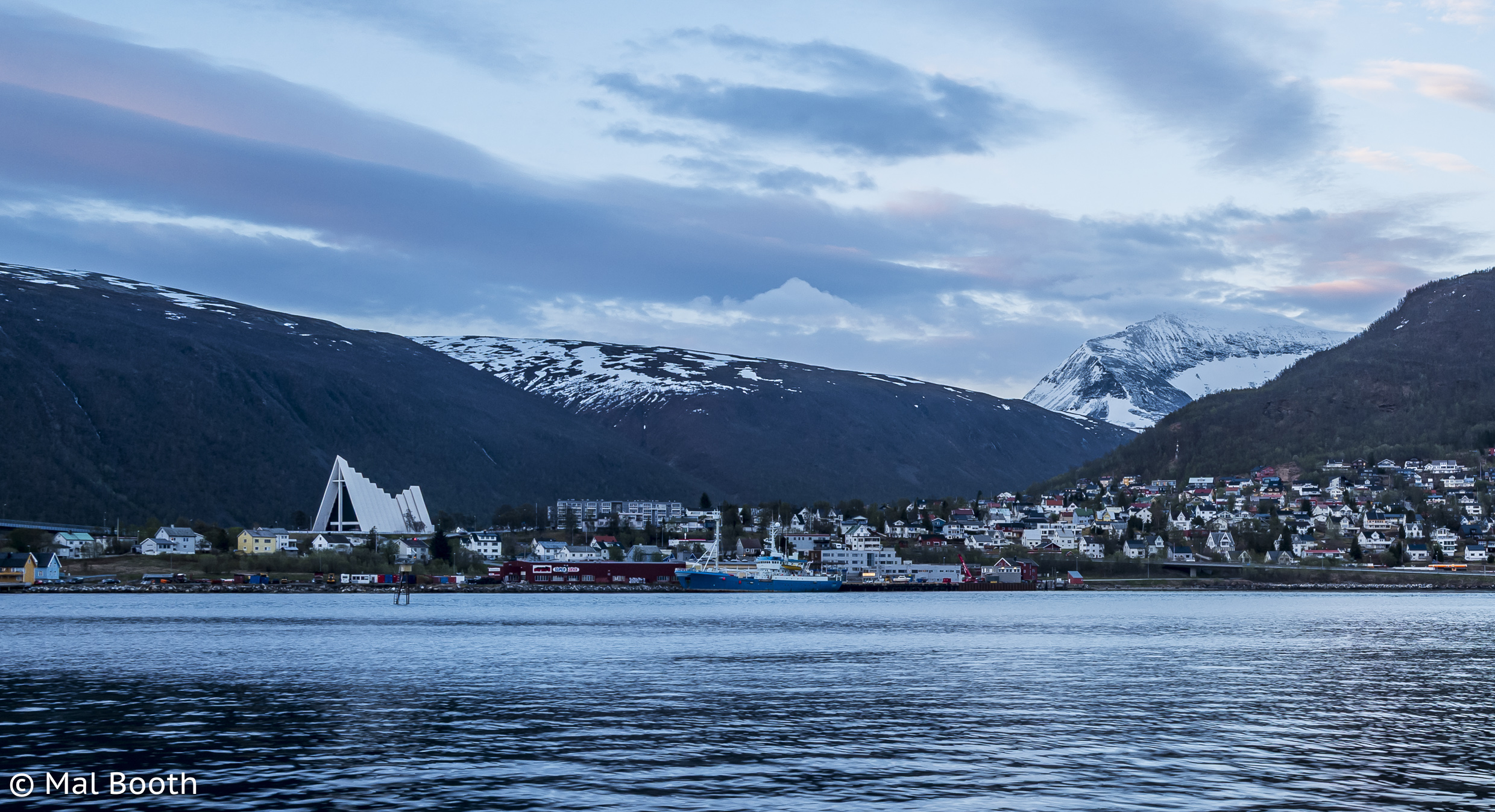


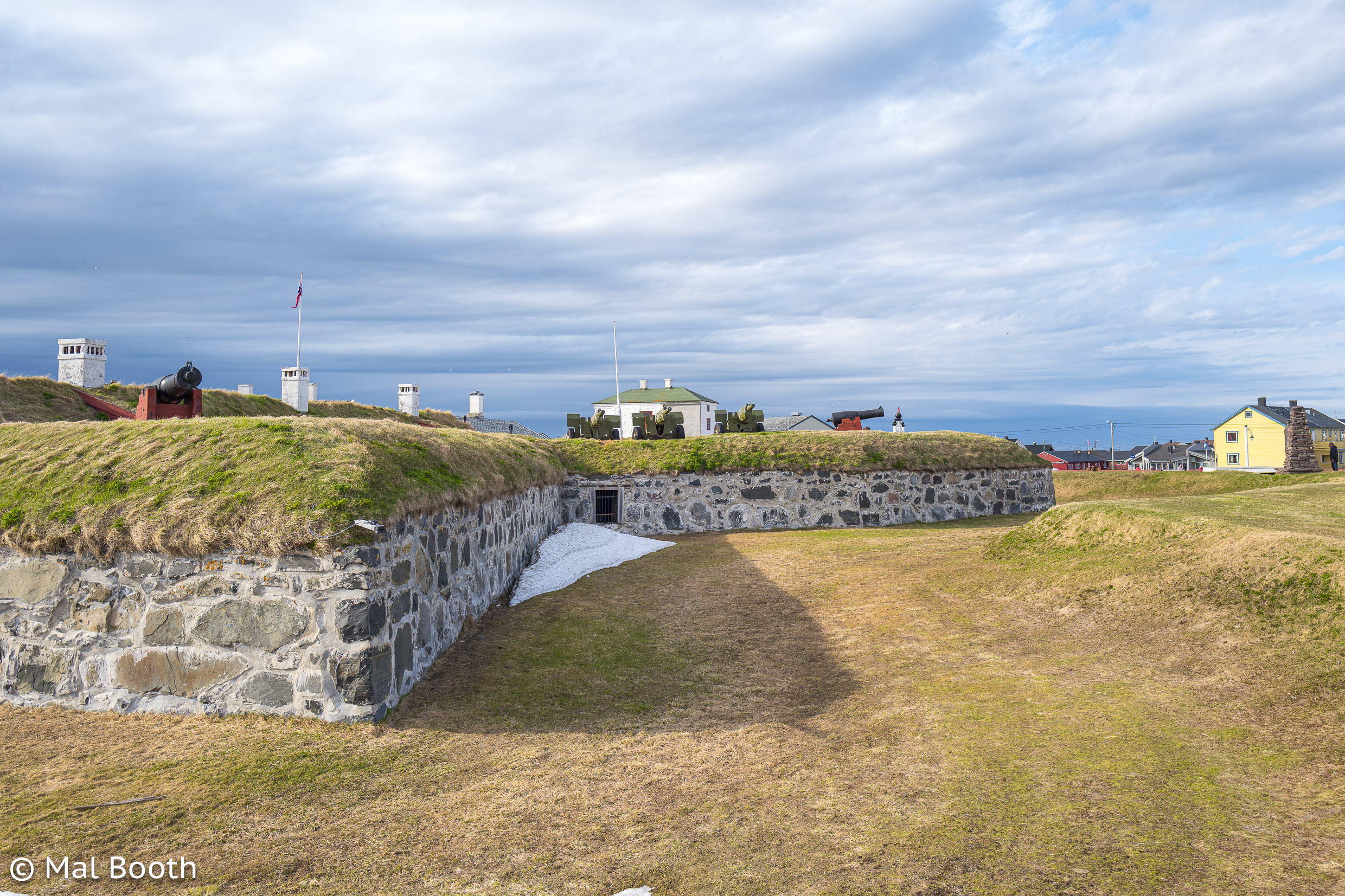

Over the Easter break, I started watching The Narrow Road to the Deep North miniseries and I ordered Richard Flanagan’s 2014 Booker Prize winning novel that inspired it for my Kindle. I usually feel a bit of a connection to this kind of thing as I am named after my father’s older brother Malcolm who died as a PoW of the Japanese. He had been captured during the fall of Singapore and had served time in Changi and then on the infamous Burma-Thailand Railway, before being repatriated to Japan as slave labour on the Japanese cargo ship Rakuyō Maru. It was torpedoed in September 1944 by a US submarine in the South China Sea and my uncle lost his life along with 1,158 other Australian and British PoWs from that “hellship”.
On Easter Monday I normally try to catch the famous Stawell Gift handicapped pro footrace and after watching that I started to think about what to post for ANZAC Day, something I usually do for the people I swim with regularly in Sydney. After a great deal of thinking and a quick skim of Dr Peter Pedersen’s excellent book The Anzacs: Gallipoli to the Western Front I thought that maybe I could try to come up with a post linking Gallipoli (Day 1), the Stawell Gift (or at least Stawell, the city), PoWs of the Japanese and my family at war. So here we go, mind the step …
It all starts with Captain Joseph Peter “Puss-in-Boots” Lalor who landed at Gallipoli with the 12th Battalion in the second wave on 25 April 1915. A grandson of Peter Lalor of Eureka Stockade fame he had also served in the Royal Navy, the French Foreign Legion and had helped out in a South American revolution before joining the Australian Military. After wading ashore with the family sword, he and his men had dug in just short of the Nek. The 12th Battalion was in reserve.
Elements of the 11th and 12th Battalions had been sent to occupy Baby 700, consolidating there until resuming the advance, but under Lt. Col Mustafa Kemal the Turks who had initially fled the Anzac landing assault, reorganised and started counter-attacking. Baby 700 was regarded as strategically important by both sides and the Australians and then some New Zealand troops made several charges against it during the day, forced back by the Turks each time.
Captain Lalor eventually sent some exhausted troops to the rear and led the remaining 12th Battalion troops forward for the Nek. He came across Captain Leslie Morshead with a platoon of the 2nd Battalion and asked them to join him. Leading a charge, Captain Lalor stood up and was sniped. Captain Morshead survived the first day at Gallipoli and months later he fought at Lone Pine as a Major.

Leslie Morshead is pictured above standing on the right, in a captured Lone Pine trench after the battle in August 1915 with Private James Brown (Jim) Bryant of the 8th Battalion (also standing, facing the camera). Private Bryant from Stawell, Victoria would be awarded the Military Medal in 1918 as a Company Quartermaster Sergeant in the 60th Battalion for “conspicuous gallantry and devotion to duty”. There is another photo of Private Bryant here, on 26 April 1915, also taken with his own camera, by an unknown mate. He re-enlisted as a Lieutenant the 2nd AIF in 1941 and would then survive three years as a PoW in Changi Prison after being captured. He provides a rather tenuous link to the Stawell Gift and also to prisoners of the Japanese. Over 22,000 Australians became prisoners of the Japanese during the Second World War, including Jim Bryant and my uncle Malcolm.
After the Gallipoli campaign, Leslie Morshead was promoted to Lieutenant Colonel and commanded the 33rd Battalion in France from November 1916. He led the battalion successfully through Messines and the Passchendaele campaign of late-1917, was awarded the Distinguished Service Order, and continued to command through the battles at Villers-Bretonneux and Amiens in 1918. His service also continued in the Second World War, initially as a Major General commanding the 9th Australian Division (photo below) during the seige of Tobruk (April-November 1941) and again, as a Lieutenant General (commanding the 2nd AIF and the 9th Division) during both battles of El Alamein in 1942. He was known to his troops at “Ming the Merciless”. Later in the war he would command the Australian I and II Corps in the South West Pacific.

Leslie Morshead and veterans of the 9th Division that he commanded at Tobruk and El Alamein provide the final tenuous link to my family, this time with regard to my father … Robert John Booth (aka Dad) enlisted in the RAAF in early 1944 and served as a Flight Sergeant Navigator in the Pacific at the ripe old age of 19. He would not say much about his war service, but on the odd occasion when he did I remember him telling us of at least one of his pilots being a 9th Division veteran. This man had seen enough of the army during his service at Tobruk and El Alamein, so on return to Australia he transferred to the RAAF and retrained as a pilot. Dad said he was both fearless and as mad as a cut snake. As a young boy I remember Dad taking me to visit a couple of friends and distant relatives for whom he had enormous respect. They were Rats of Tobruk.
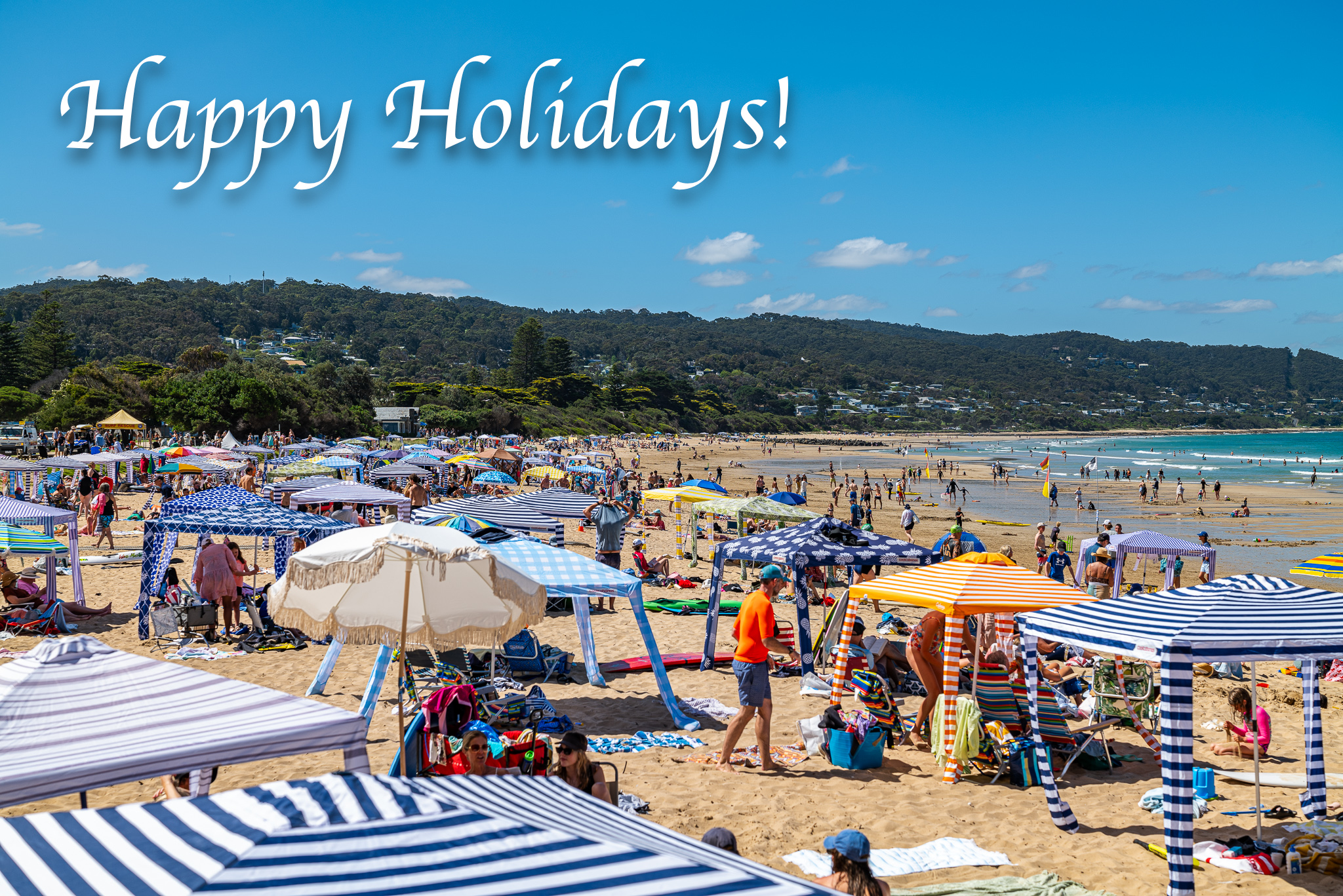
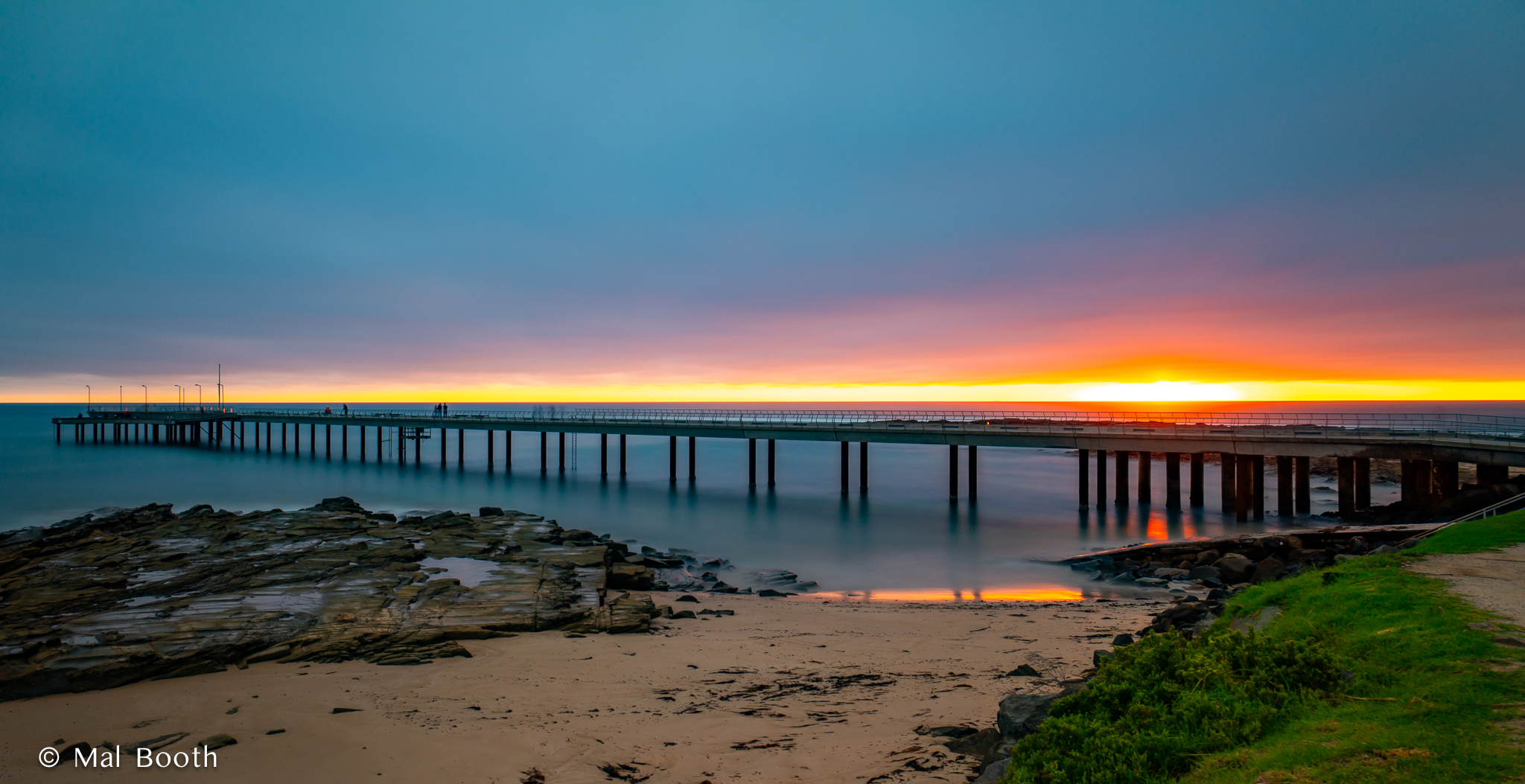
Wassail! Wassail Wassail! I began 2024 in Lorne, staying near Gary and swimming in the surf every day. I bought a fantastic big new painting at QDOS Fine Art and was able to photograph the famous Pier-to-Pub swim.
After driving back to Sydney via a night in Albury I got back into my regular grind of swimming with my gang at Victoria Park, regular ACO concerts with Gregor and Trivia nights at Carlisle Castle pub on Wednesday nights with the Olivia Newtown Johns team. There were also a few lunches with Gregor in Alexandria when he was down from Belmont volunteering at the ARHS. And some of the swim gang continued our semi-regular Friday night drinks, mostly when Roger was back in town.
In March I had a couple of relaxed weeks in Hawaii, just on Oahu, swimming in the ocean and learning more about a new camera and lens. My long-time US friend Jamie was back there for most of it and once again she was really generous with her hosting. I have learnt a heap about Hawaiian culture thanks to her knowledge and guidance. I also was lucky enough to be there for the absolutely beautiful Nagaoka Fireworks which I photographed from Magic Island. I think these are the best I’ve seen.
Once again, Easter was with sister Mez, her husband Phil, Jan, Brian and Gregor came down from Newcastle.
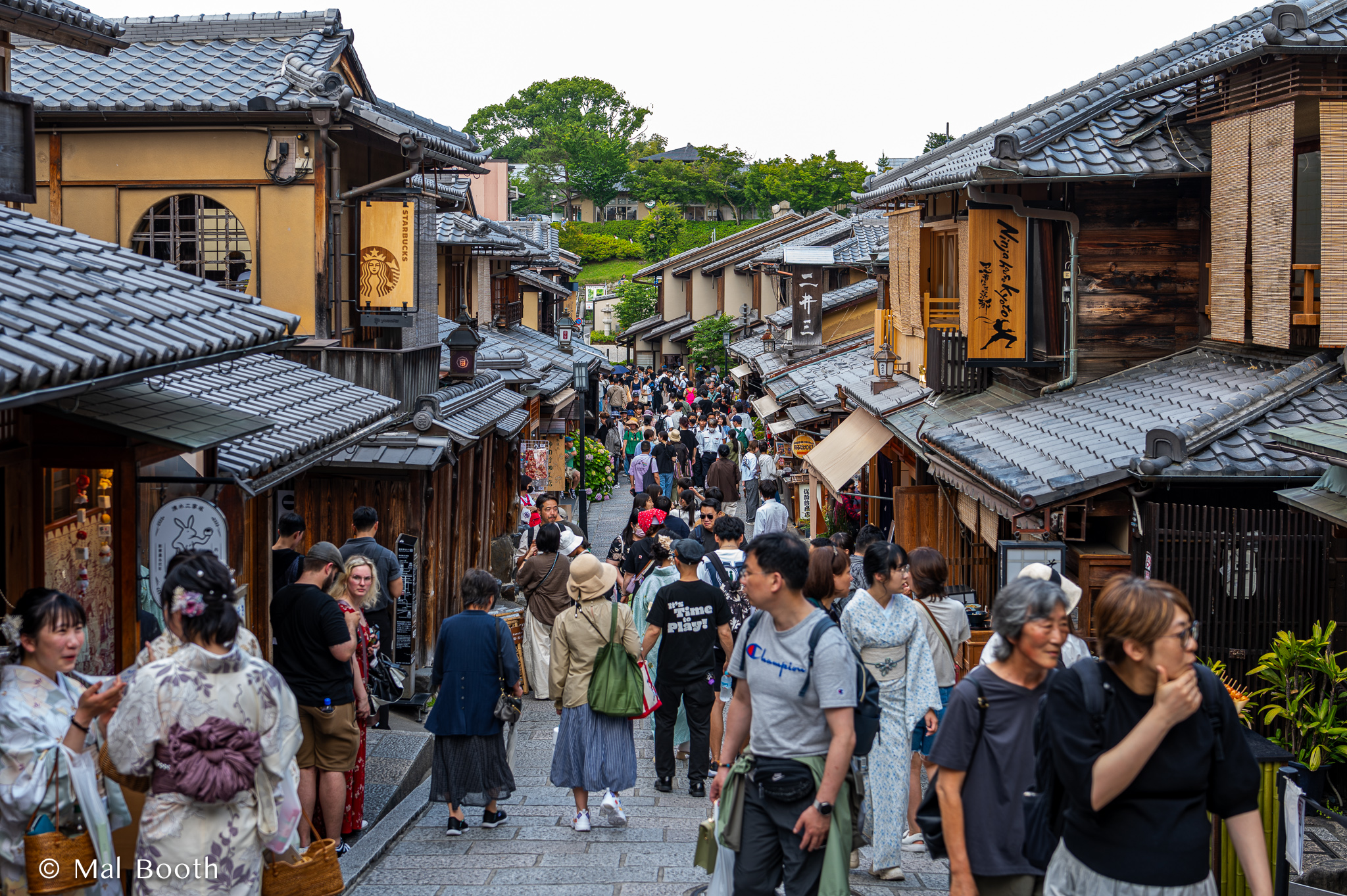
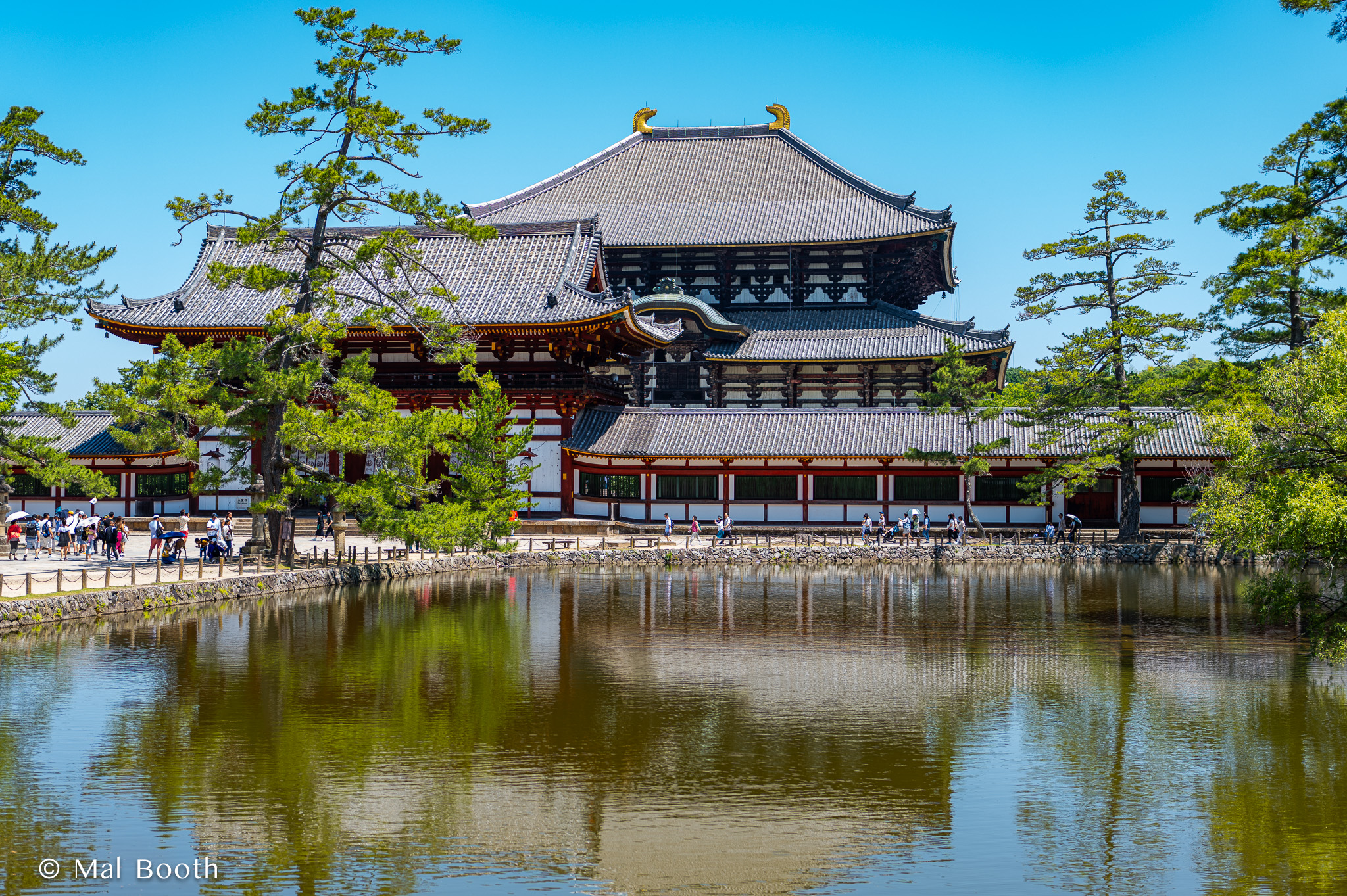
I visited Japan for the first time in June and spent a couple of weeks there just in Tokyo and Kyoto, travelling between the cities on the Shinkansen fast train. I took a train to Nara for a day from Kyoto. I was amazed by just about everything that I saw and experienced and have already booked flights to go back in 2025. I didn’t manage to do any swimming but I did take a lot of photos and kept myself very busy seeing far too many temples and shrines and some fantastic exhibitions at various galleries and museums.
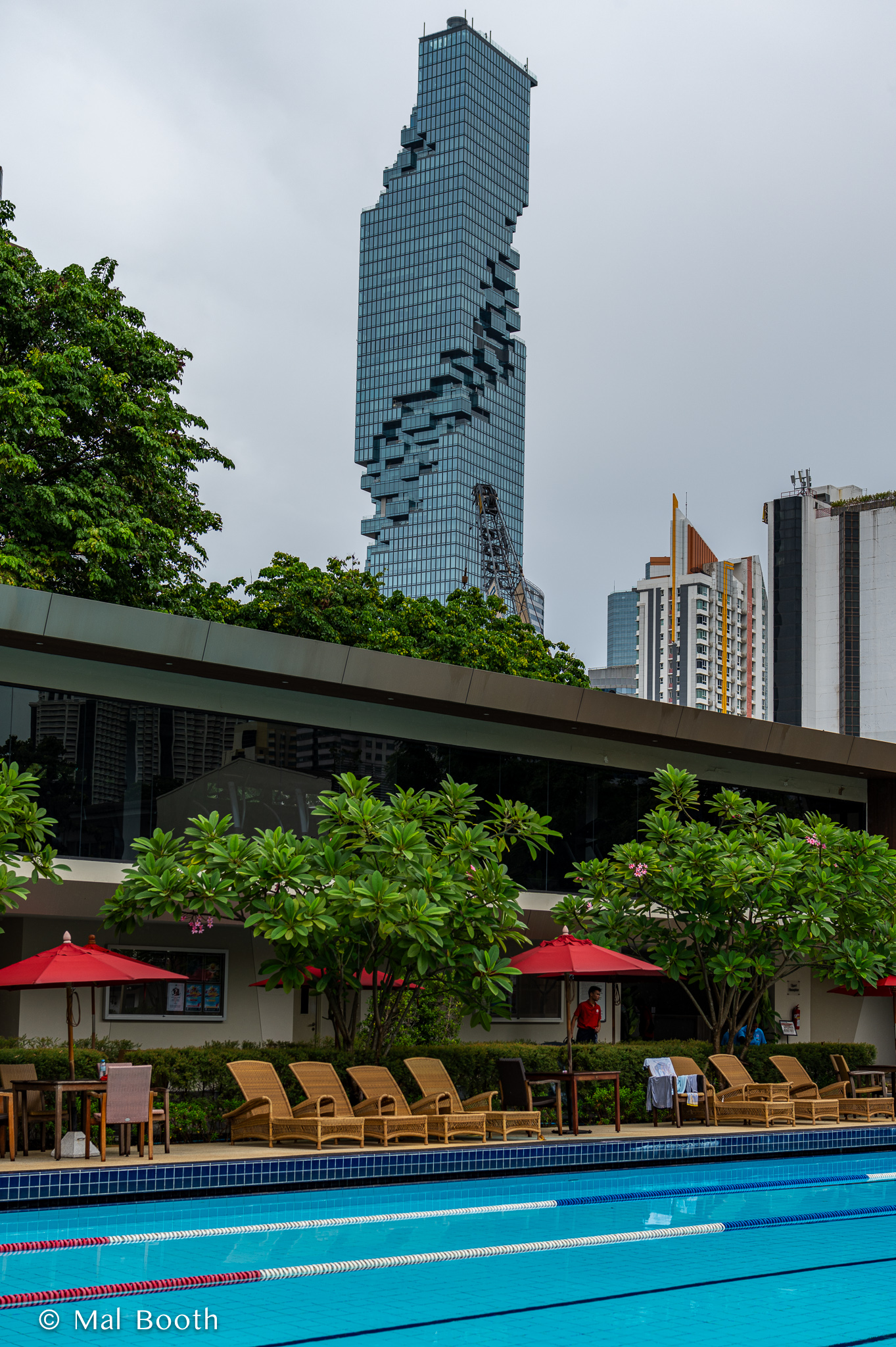
In July I made a quick trip to Bangkok, just for a week and this was my first visit for almost 40 years, the last time being for work. I was surprised by all the new high-rise and the modern transit systems, but the horrendous traffic has survived. I wandered around during the day with my camera and also did a fair bit of swimming as my hotel had a great and empty (of people) lap pool. I also had a swim and a couple of pool-side lunches at the British Club (courtesy of my Tattersalls membership).
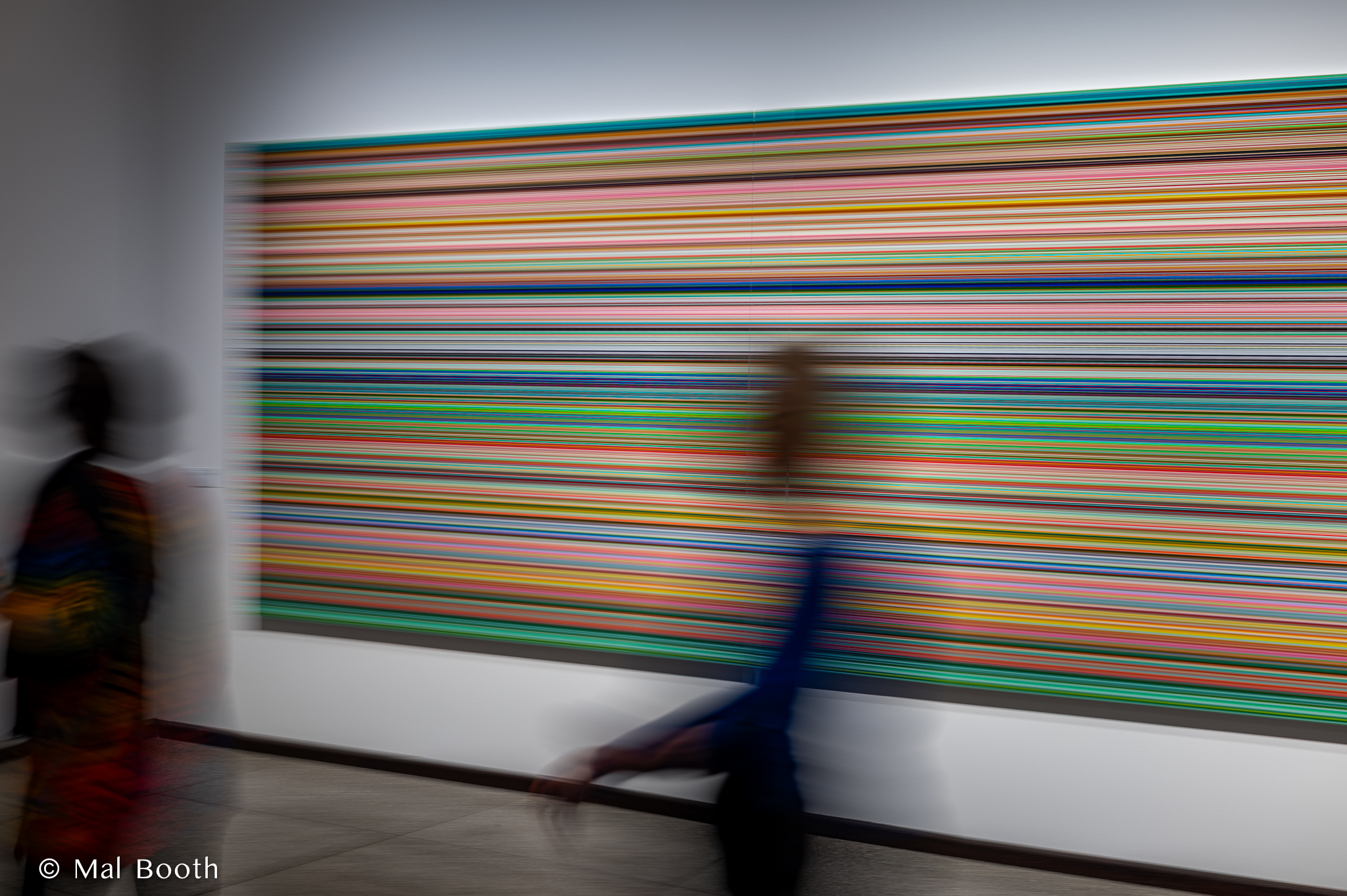
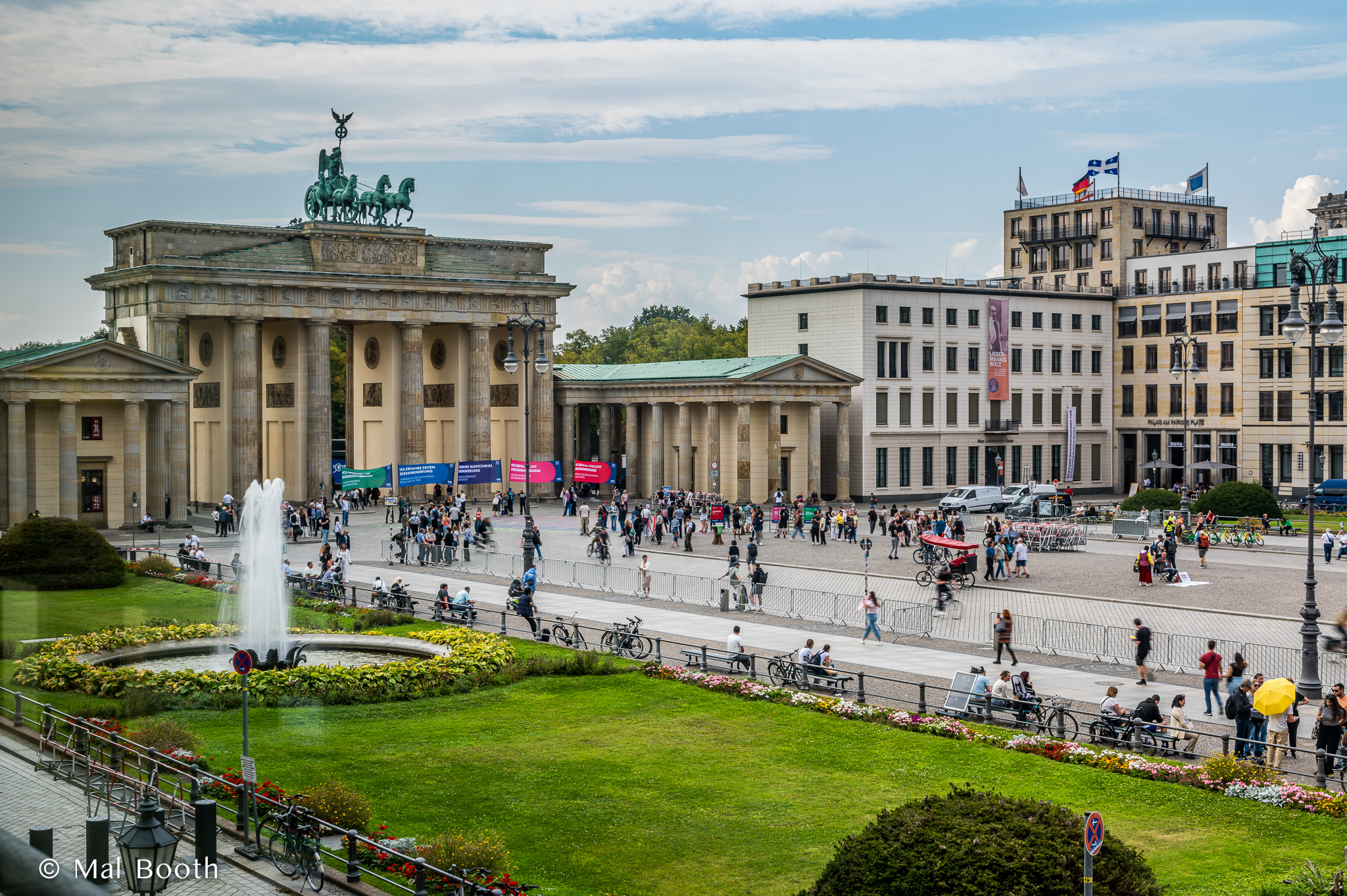
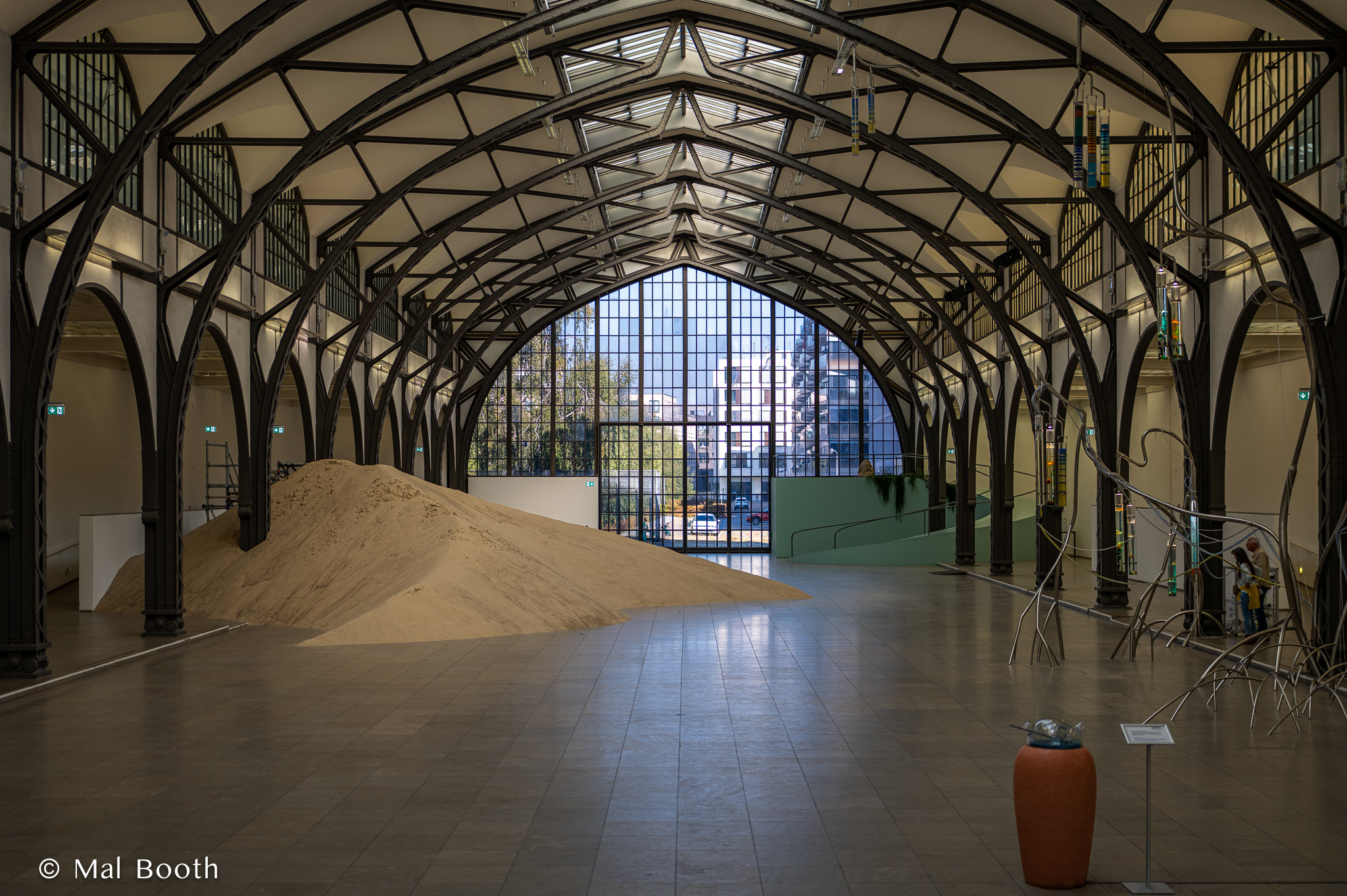
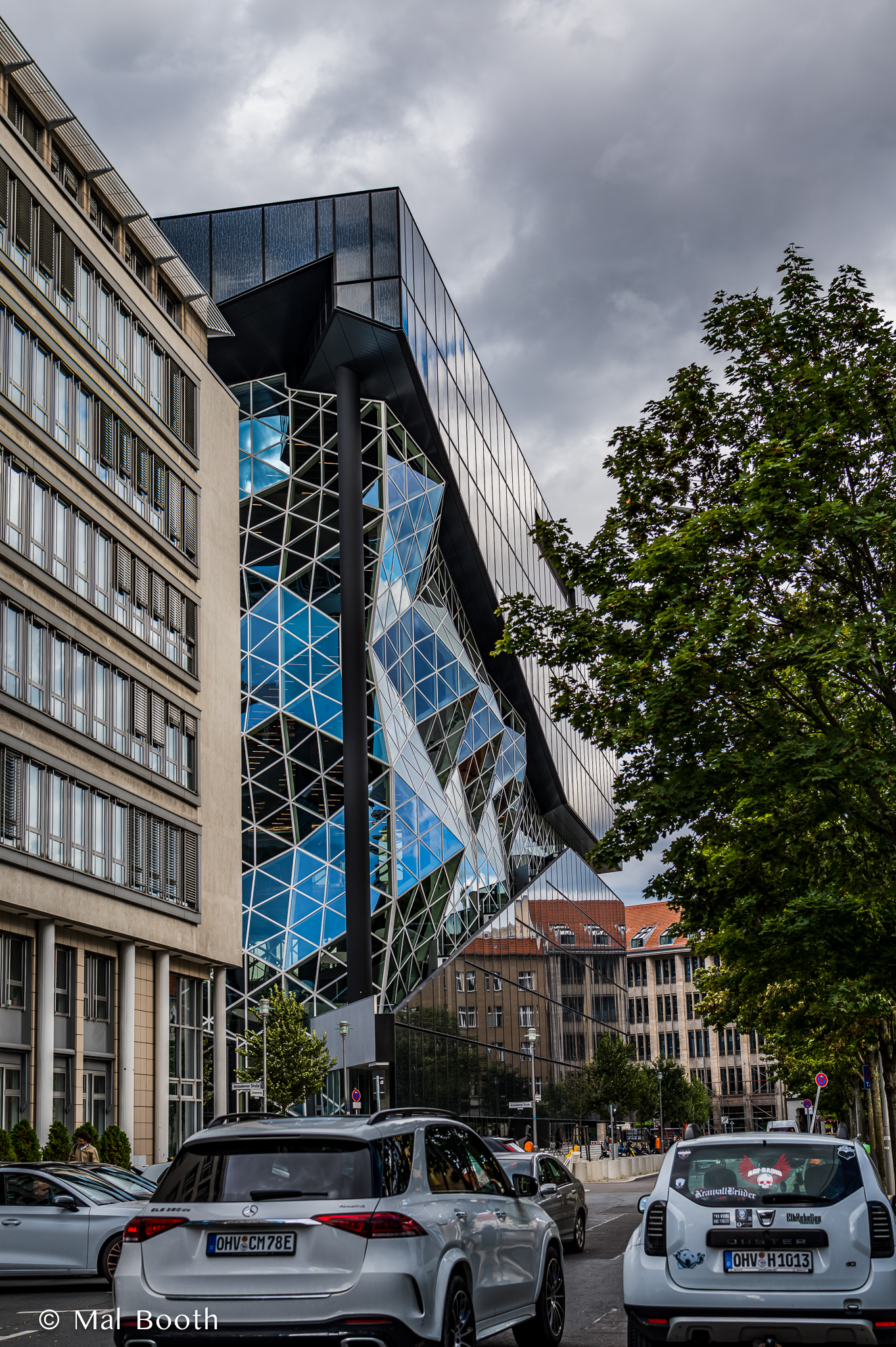
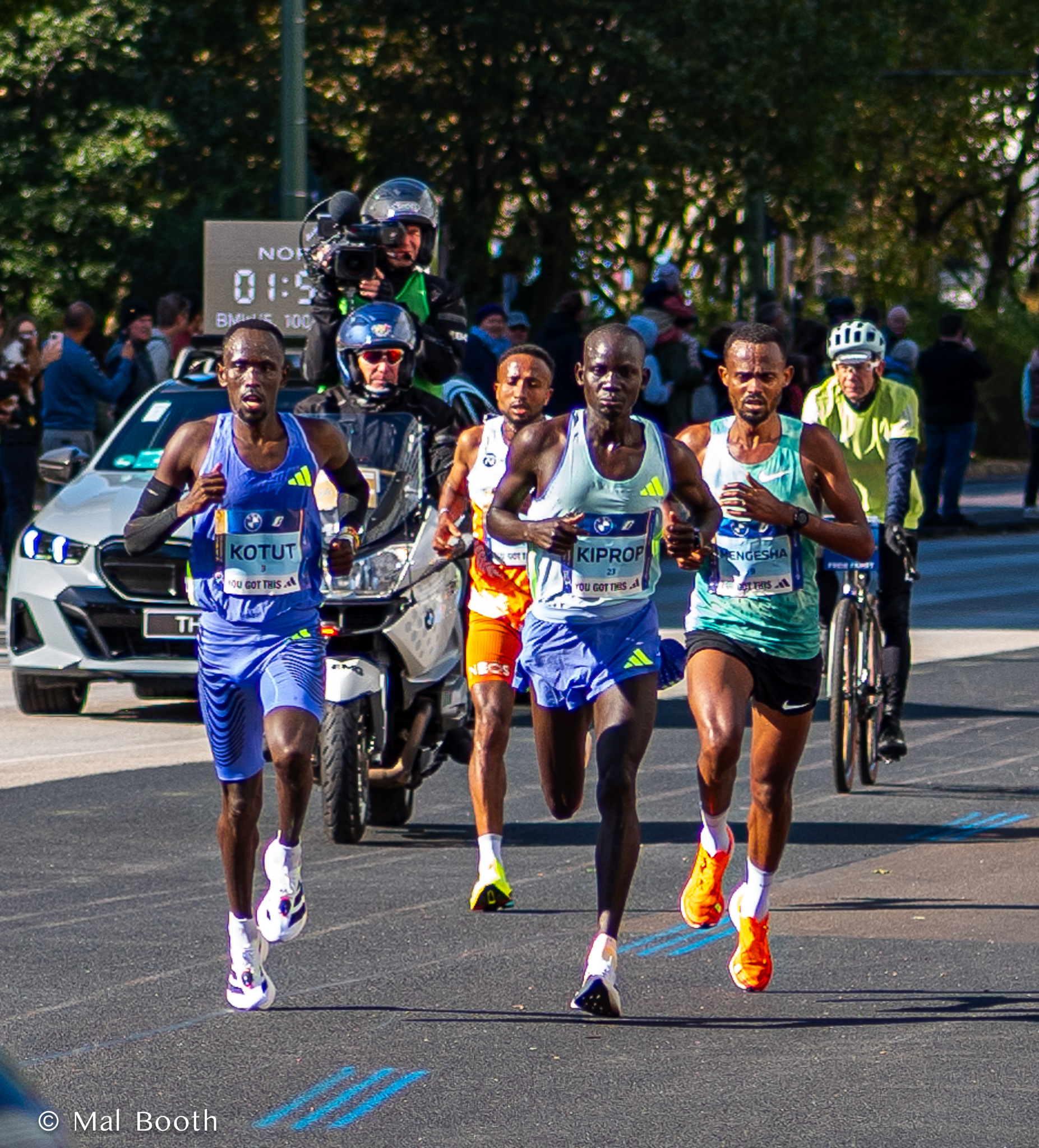
This year my major overseas trip was in September to Helsinki and Berlin (yes, again, I know). I had a full week by myself in Helsinki, where there are many museums and galleries and I also toured the historic and still well-used 1952 Olympic stadium. Once again I swam most days in the outdoor heated pool that floats in the Helsinki harbour. I then had two weeks racing around Berlin with Karen and Bruce. We went to a big concert and saw some great art and photography exhibitions. Bruce and I did some great photography excursions and it was great to catch up with their daughter Georgie and her boyfriend. I did manage to swim just about every day in the freezing Sommerbad Kreuzberg pool too. We also did a very enjoyable day trip by train to Potsdam. On my last full day I saw and photographed the Berlin Marathon, which basically shuts the city down, and I was amazed by the fast times.
Back in Sydney I tried to get back into my regular swimming routine and one of the highlights was a Coldplay concert out at Homebush with Mez and Phil that was very enjoyable. I also had regular Monday night rehearsals from October, with the 400-strong Radio Community Chest choir in St Stephen’s church in the city for our performance of Handel’s Messiah in the Sydney Town Hall on 21 and 22 December. This will be my second year of this.
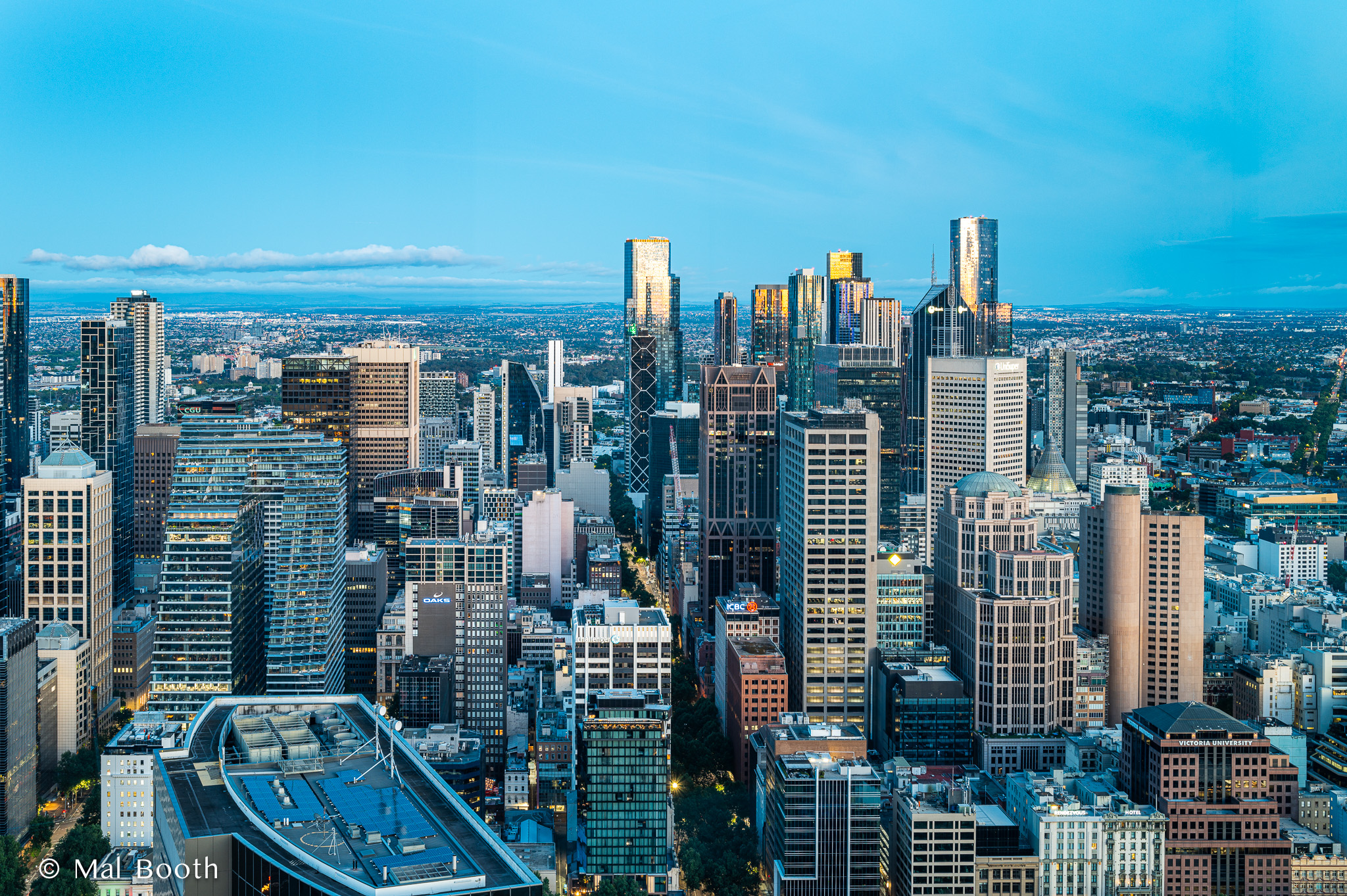
My last trip away was in late November for just four days in Melbourne. I flew down for a performance of Beethoven’s Ninth Symphony by the MSO & Chorus. This was brilliant in the 200th anniversary year and the soloists were superb. I found a great airbnb apartment on the 66th floor of the Australia 108 building in Southbank and stayed there with Gary who came up from Lorne. The views were great and we took advantage of Melbourne’s art galleries, markets and restaurants.
You can view a pictorial record of most of this here www.flickr.com/photos/malbooth/ (highlights are in a previous post on this blog) and I hope to provide separate updates about my Kindle reading and podcast listening on this blog as usual. Goodwill to you all!



















This post was taken down on Instagram because nudity (even in a globally significant art exhibition apparently) violates their “community guidelines”. Thanks so much for keeping us safe Meta. You have to be joking!
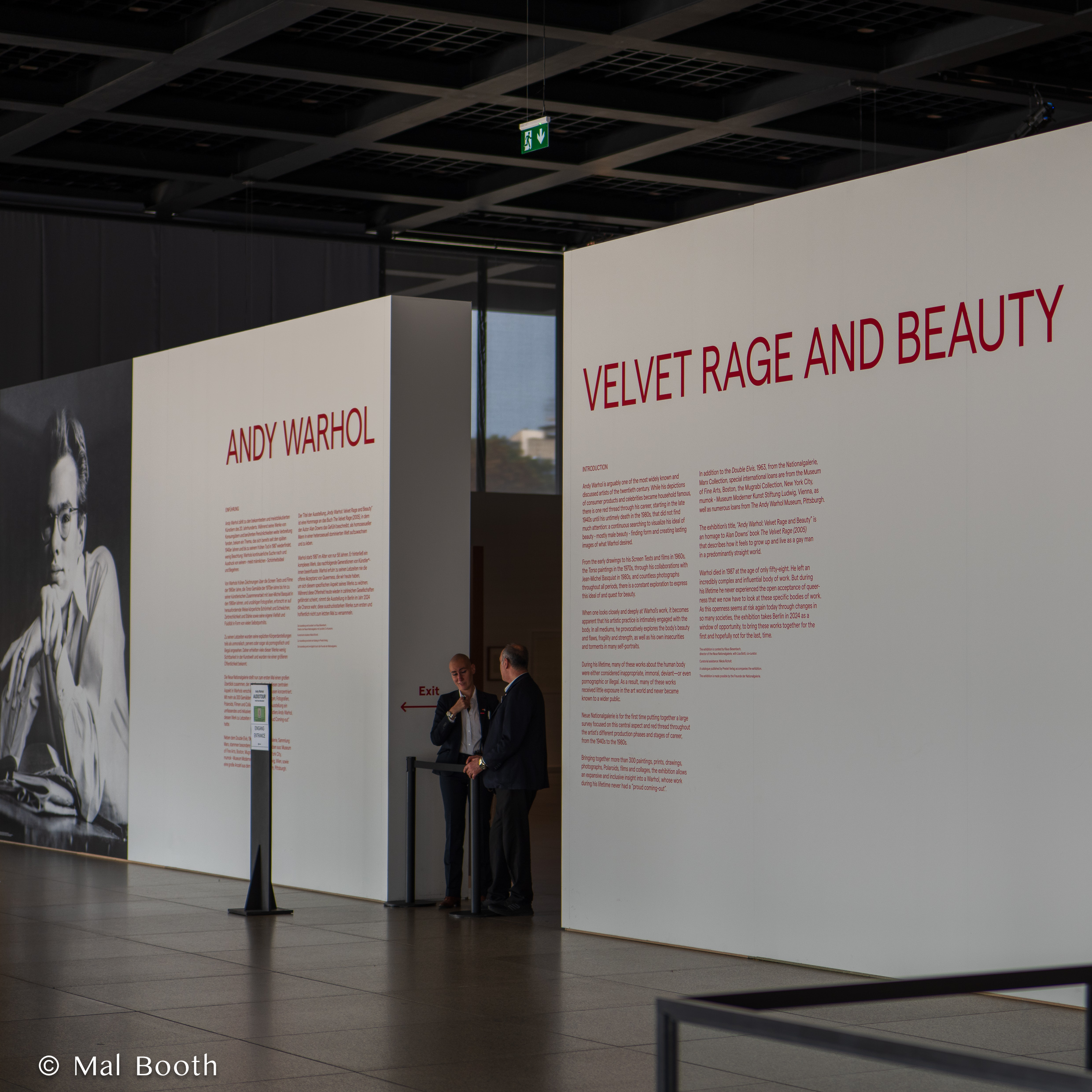
Anyway … while I was in Berlin in September 2024, I was fortunate to see Andy Warhol: Velvet Rage and Beauty at the Neue Nationalgalerie (one of my favourite museums and buildings). It is a huge exhibition including films, paintings, prints, records covers, photographs and drawings. I thought it was beautifully curated and very significant in terms of modern art.
So here are some photos that I took at the exhibition:





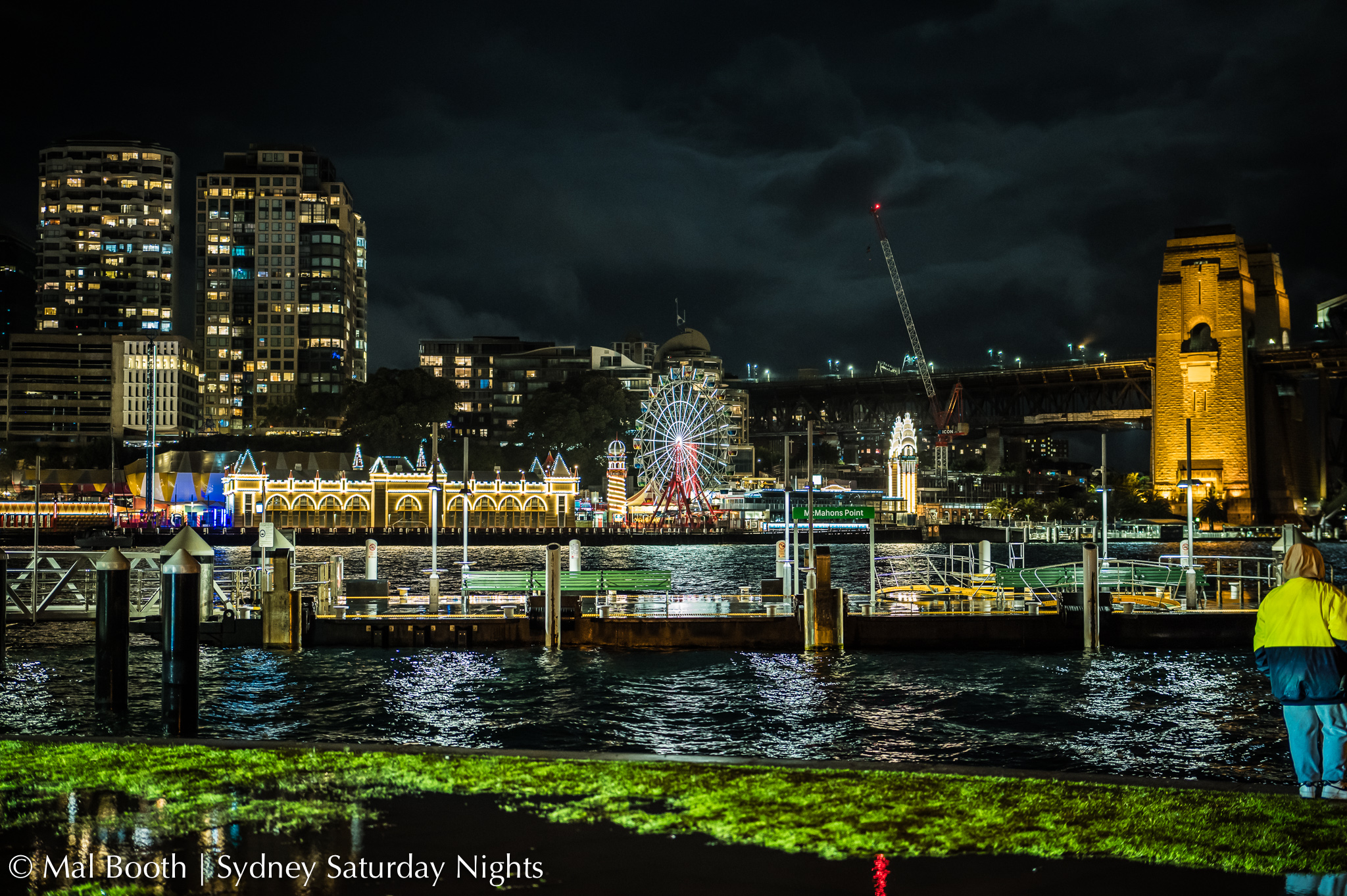
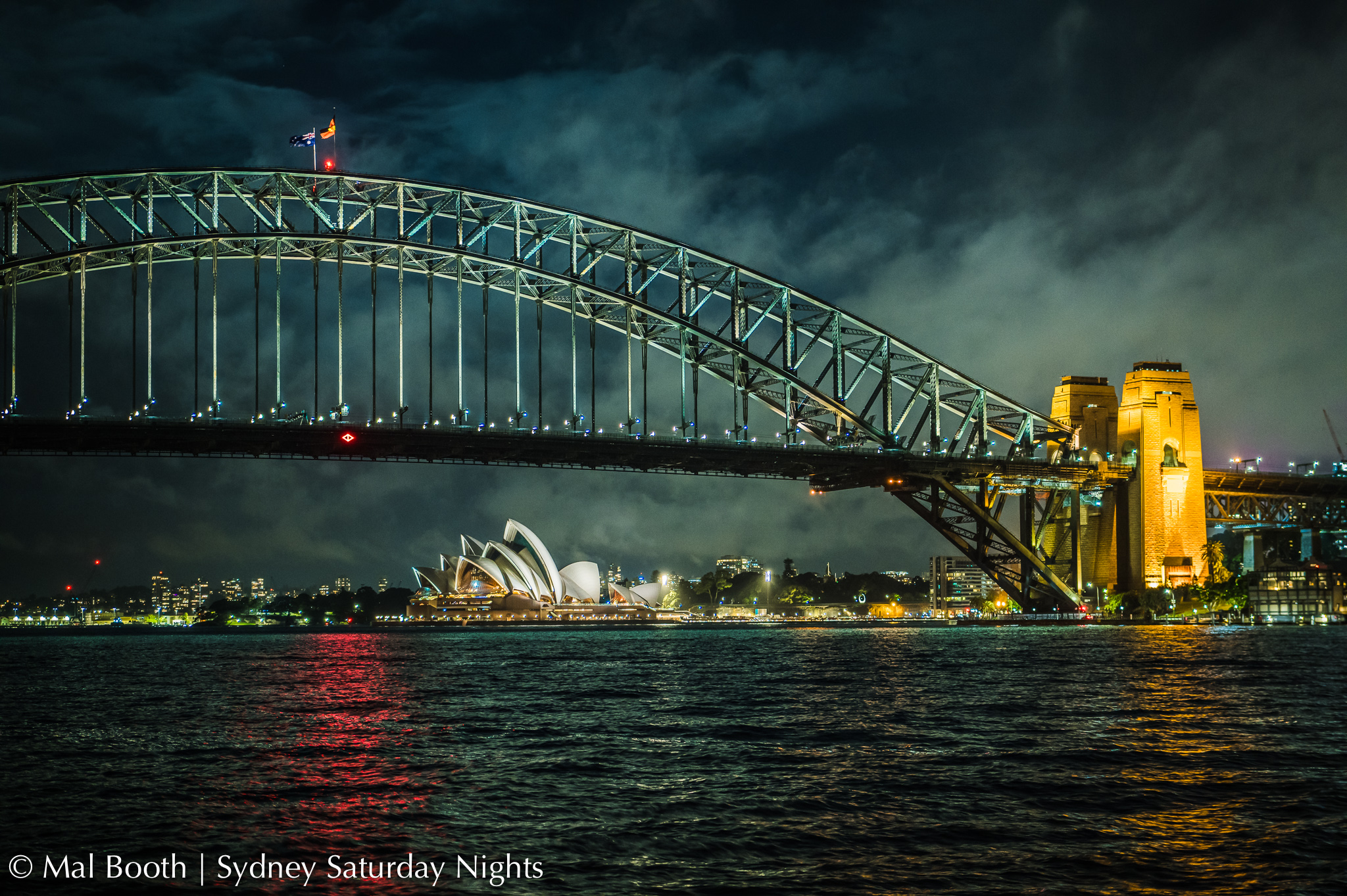
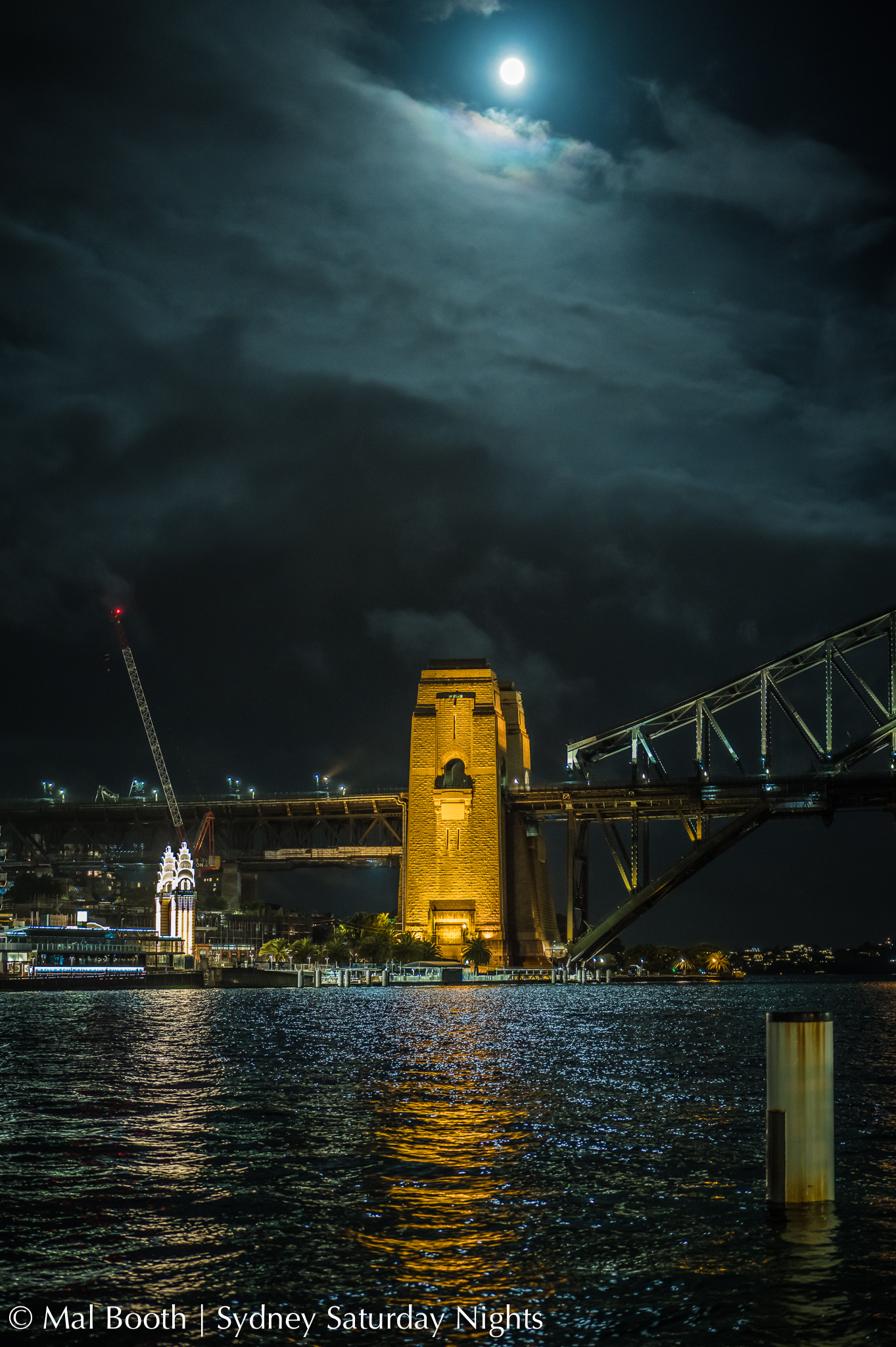
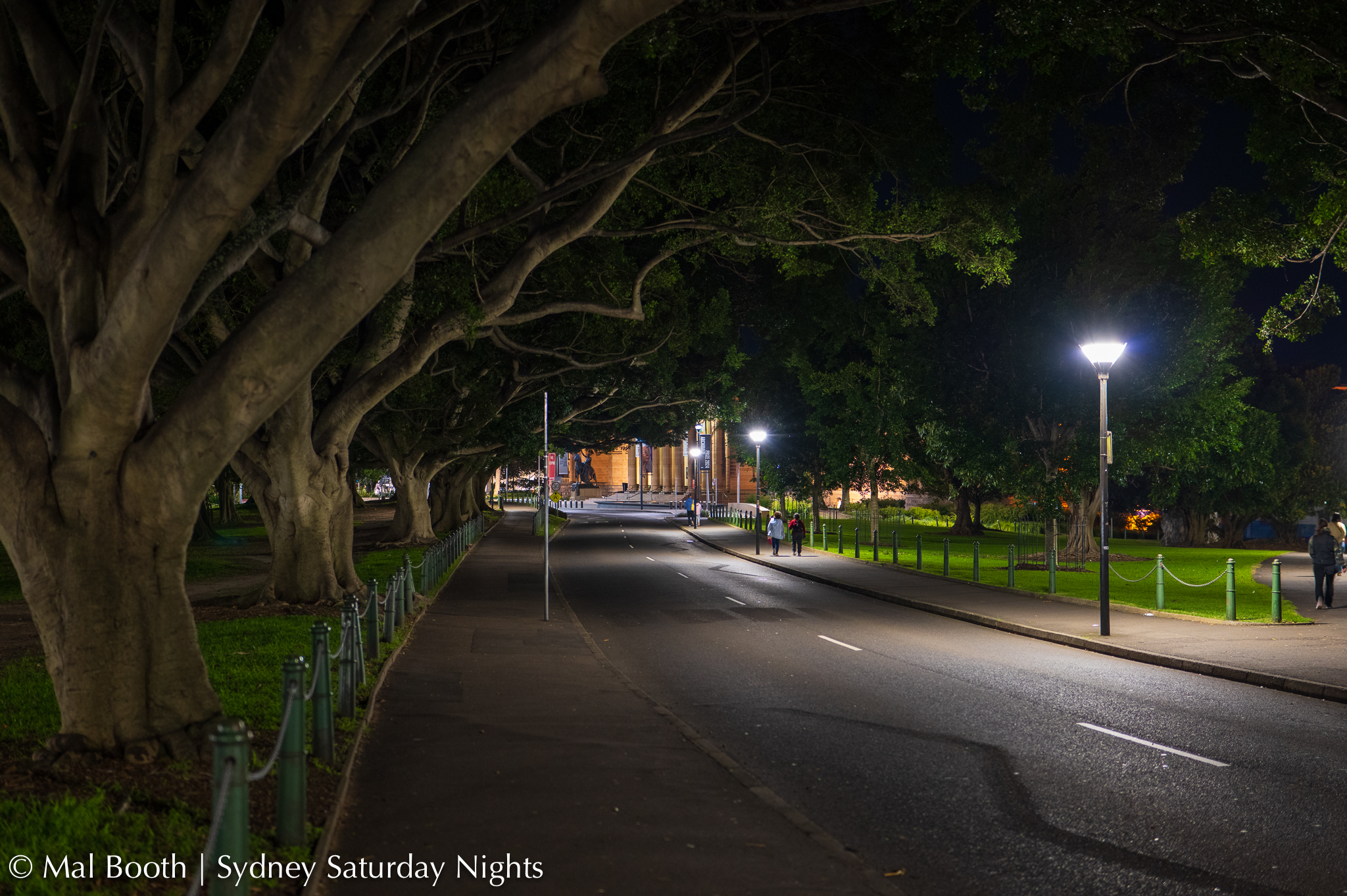
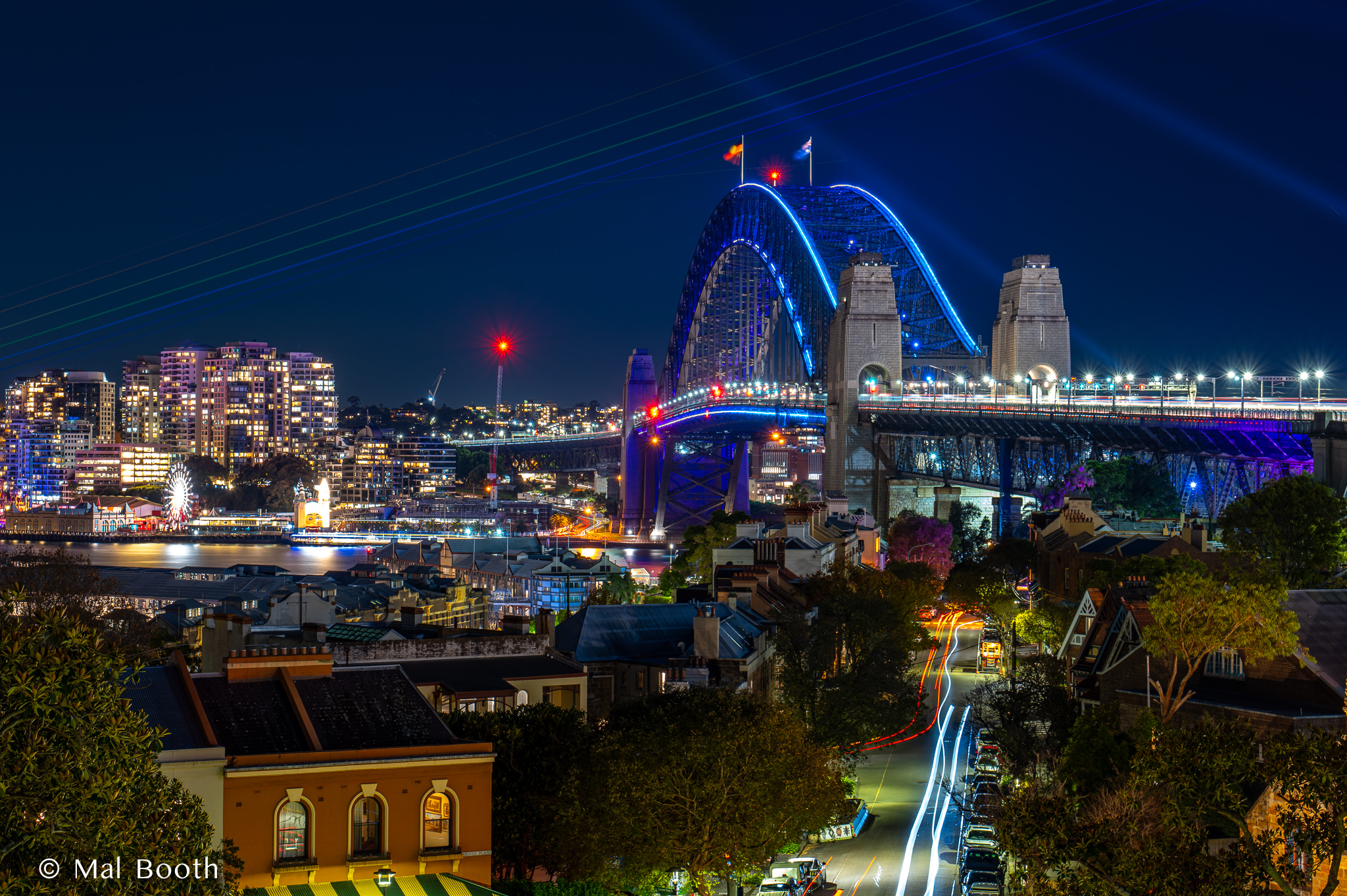
Just a little photo essay on some recent Saturday nights in Sydney.