
Category: Random nonsense
Season’s Greetings!

Glædelig jul! I had lots of travel this year with visits to the US, Japan, Thailand and Denmark, and many concerts, both at home and overseas. So let’s get into it …
The year started at home in Sydney with my regular swim mob, Wednesday night trivia at the Carlisle Castle in Newtown and a lot of travel planning. I also played barefoot bowls for the first time at nephew Ben’s 21st. Our subscription to the Australian Chamber Orchestra’s 2025 season started in February with some Brahms and Beethoven’s 7th symphony.
In March I had another couple of relaxed weeks in Hawaii, just on Oahu, swimming in the ocean and using a new camera. There I stayed in a great airbnb apartment with ocean views and again caught up with my US friend Jamie and some of her friends in Honolulu including the fun Pam and her hilarious partner Grover. A few of us went to a Hawaiian themed Cirque du Soleil performance that I really enjoyed and I attended three great Beethoven performances by the Hawaiian Symphony Orchestra: his 5th, 8th and 9th symphonies as they were playing a festival when I was there. By booking well ahead of my time in Hawaii I was for the first time able to visit Doris Duke’s Shangri-la (now the Museum of Islamic Art, Culture & Design) on the other side of Diamond Head.
I was at home again in April and Easter was with sister Mez, her husband Phil, Jan, Brian and Gregor came down from Newcastle. I think my highlight for the year was the ACO’s simply amazing concert with the wonderfully energetic cellist Abel Selaocoe. This was almost a life-changing experience. He is so talented. May was more of the same for me with my regular routine and another ACO concert
I spent about three weeks visiting Japan again in June because I found it so fascinating last year. This year I took the Shinkansen fast train to Kanazawa on the west coast and spent a week there. My time coincided with the Kanazawa festival, so I saw the Kaga Yuzen Lantern Floating on the river beside my airbnb and the spectacular Hyakumangoku Parade which is the festival highlight. Kanazawa has some great restaurants, a very cute old tea district, a big old castle as well as their historic old Samurai district and one of the three most beautiful gardens in Japan: Kenrokuen Garden. They also have a great MCA and the famous DT Suzuki Museum that is a brilliantly designed contemplative space. After a week there I took the Shinkansen back to Tokyo and had a spacious airbnb apartment just behind Ginza which is pretty convenient. I visited heaps of art and photography museums and saw a huge and brilliant Miro exhibition. I went to my first big baseball game at the Tokyo Dome and that was a pretty exciting experience. It is all so wonderful that I am heading back to Japan in 2026 to see more of Kyoto and Tokyo (this time in hotels with lap swimming pools!).
My longest trip this year was via a round-the-world ticket, taking in Bangkok, Copenhagen and New York. Bangkok was just a relaxing few days in a well situated hotel that has a beautiful 25m outdoor lap pool. Then it was on to Copenhagen via Helsinki (the Finnair stop). It was my second time in Copenhagen and I jagged a well situated, beautifully appointed airbnb in a traditional old apartment building. Once again I visited many museums, galleries and the Black Diamond Library but the highlight was a Banksy exhibition at MACA. I even spent some time over coffee with the exhibition curator! I took the train up to Louisiana MoMA to see it again and to see their huge Robert Longo exhibition, which was great. It was, however, really crowded. Before leaving for NYC, I walked down to the Copenhagen Ironman bike course (passing through the city) and photographed the race leaders. The canal water seemed too cold for swimming in Denmark, so I enjoyed staying in the luxurious Equinox hotel in Hudson Yards (NYC) that had an indoor lap pool that I used every day. Disappointingly, quite a few favourite museums were either closed, doing exhibition changeovers or had exhibitions of no interest to me, but I did enjoy my time in the Whitney, MoMA, the Metropolitan Museum and wandering around the 9/11 memorial area. Manhattan now has many new high rise buildings that I’d not see before, but I balanced the new with return visits to St Patrick’s cathedral, the Chrysler building and the Main Concourse in Grand Central Terminal.
Back home in Sydney I resumed my normal routine again, started planning a big trip to Sweden and Iceland in 2026 with Gregor of Newcastle and hosted a visit by Paulie of Canberra who was running the Sydney marathon. As well as our regular weekly trivia, the swim mob all went to drag trivia in Sydenham with Jackie Daniels. This year is my third year of regular Monday night rehearsals that started in October, with the 400-strong Radio Community Chest choir in St Stephen’s church in the city for our performance of Handel’s Messiah in the Sydney Town Hall on 13 and 14 December. We’ve had the last ACO concert that I enjoyed not a lot, but I am looking forward to another performance of Beethoven’s 9th in the Sydney Opera House and then a more intimate performance of Handel’s Messiah with the Pinchgut Opera in the City Recital Hall, Angel Place.
You can view a pictorial record of most of this in albums covering each trip/country here https://www.flickr.com/photos/malbooth/albums/ and I hope to provide separate updates about my Kindle reading and podcast listening on this blog as usual. Goodwill to you all!
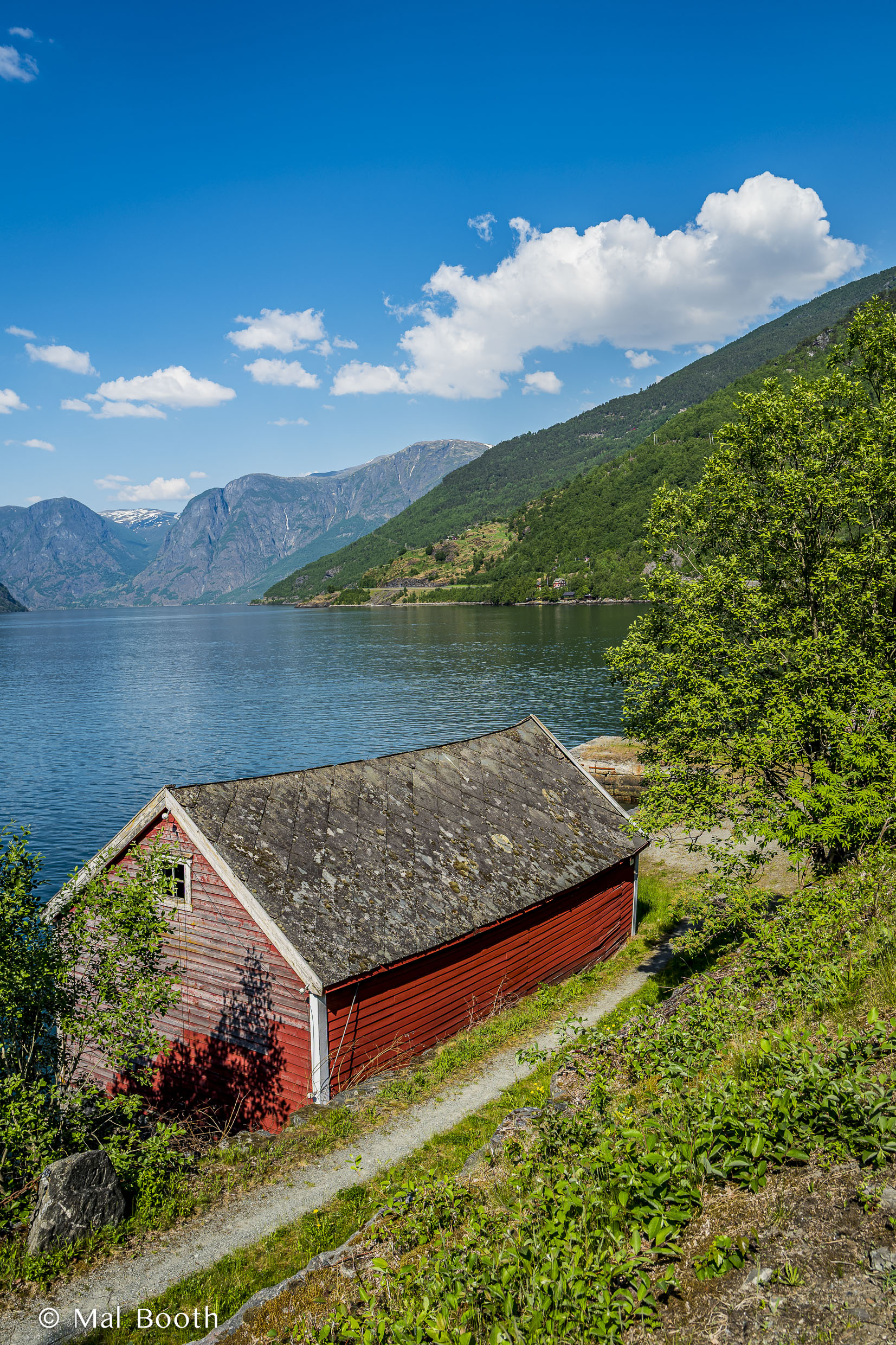
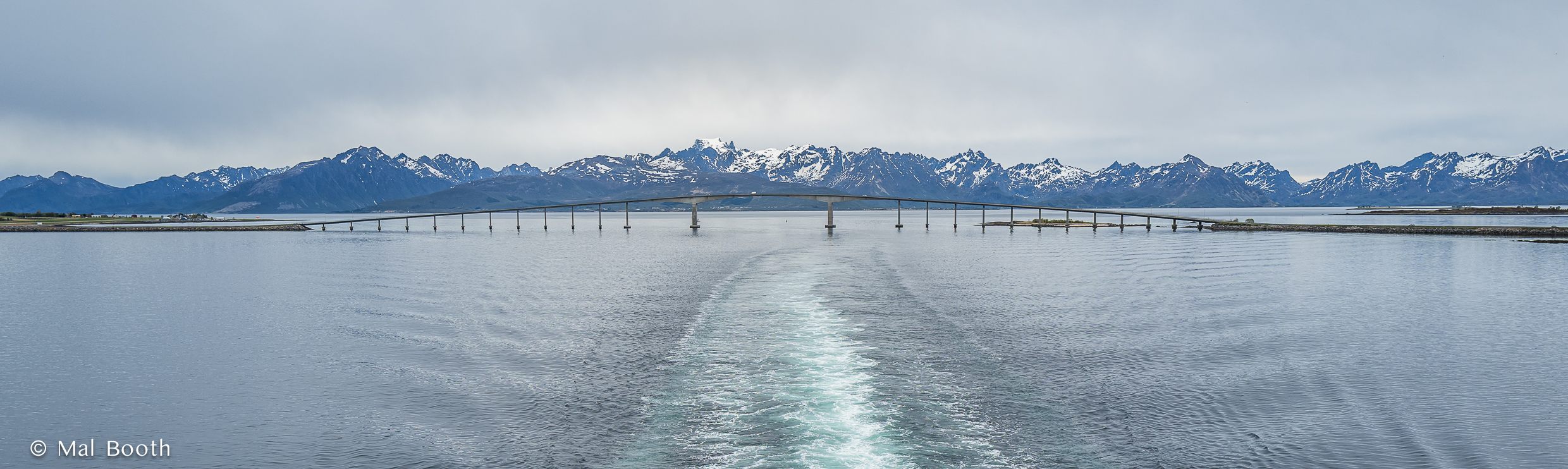
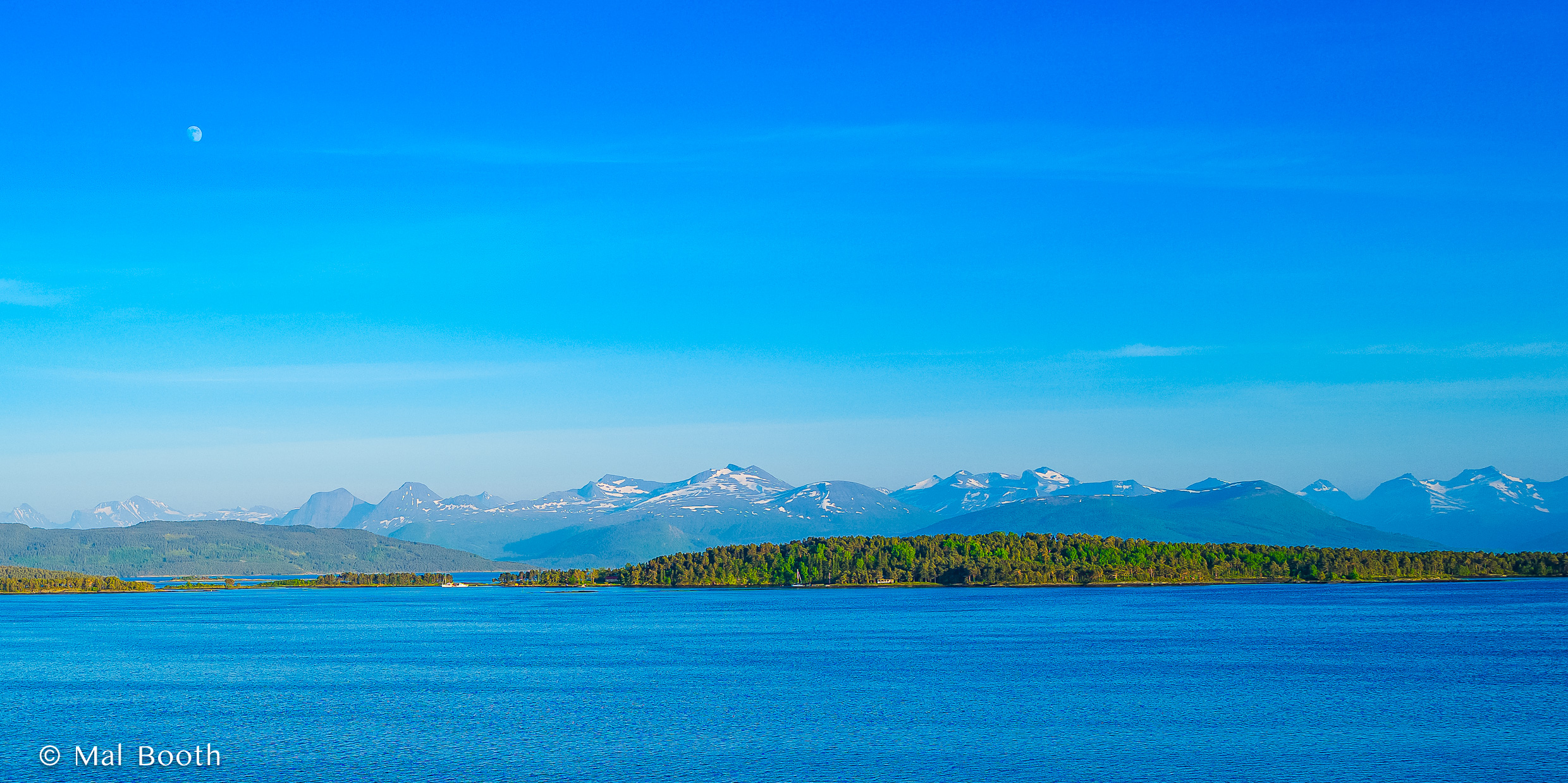
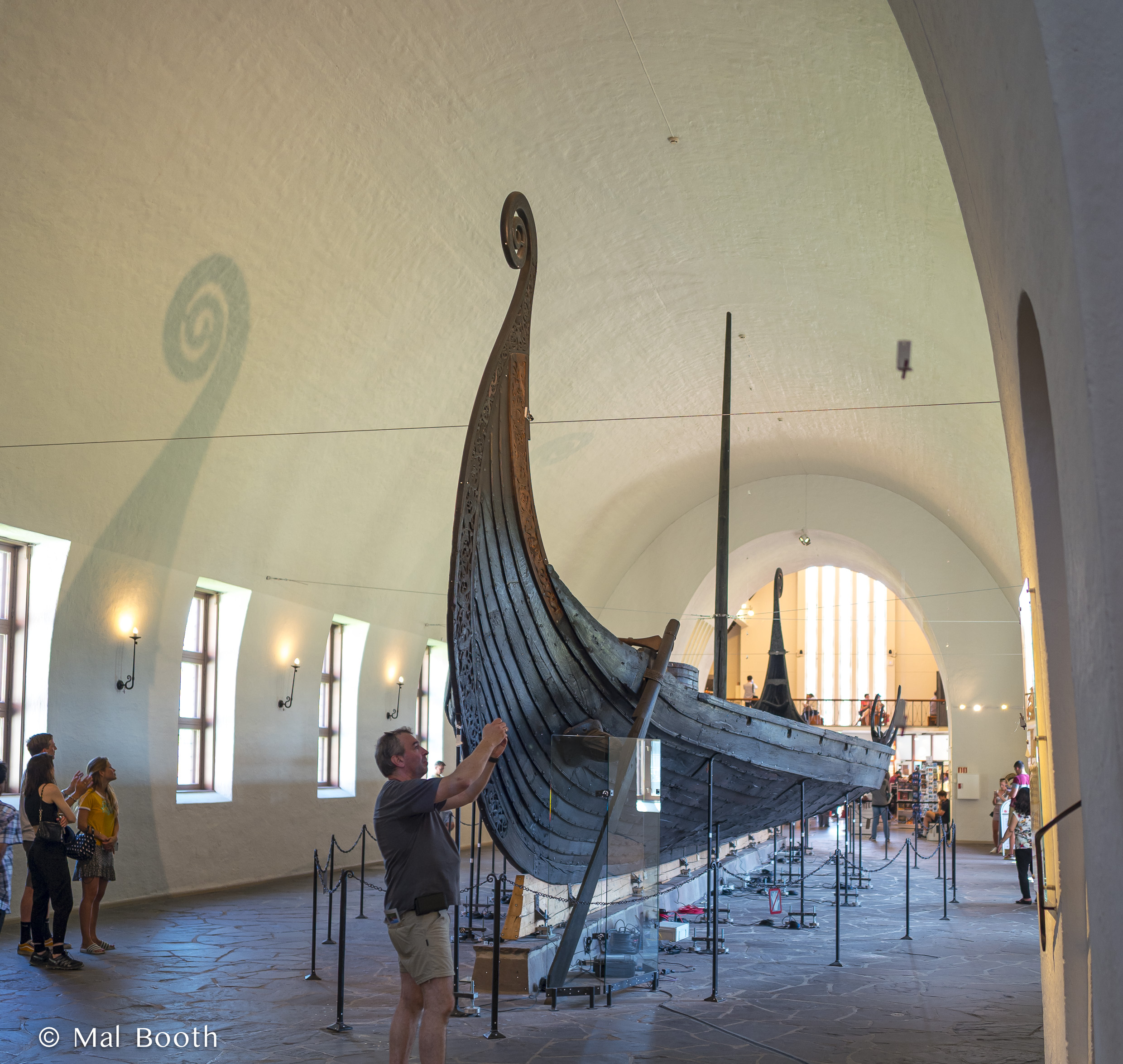
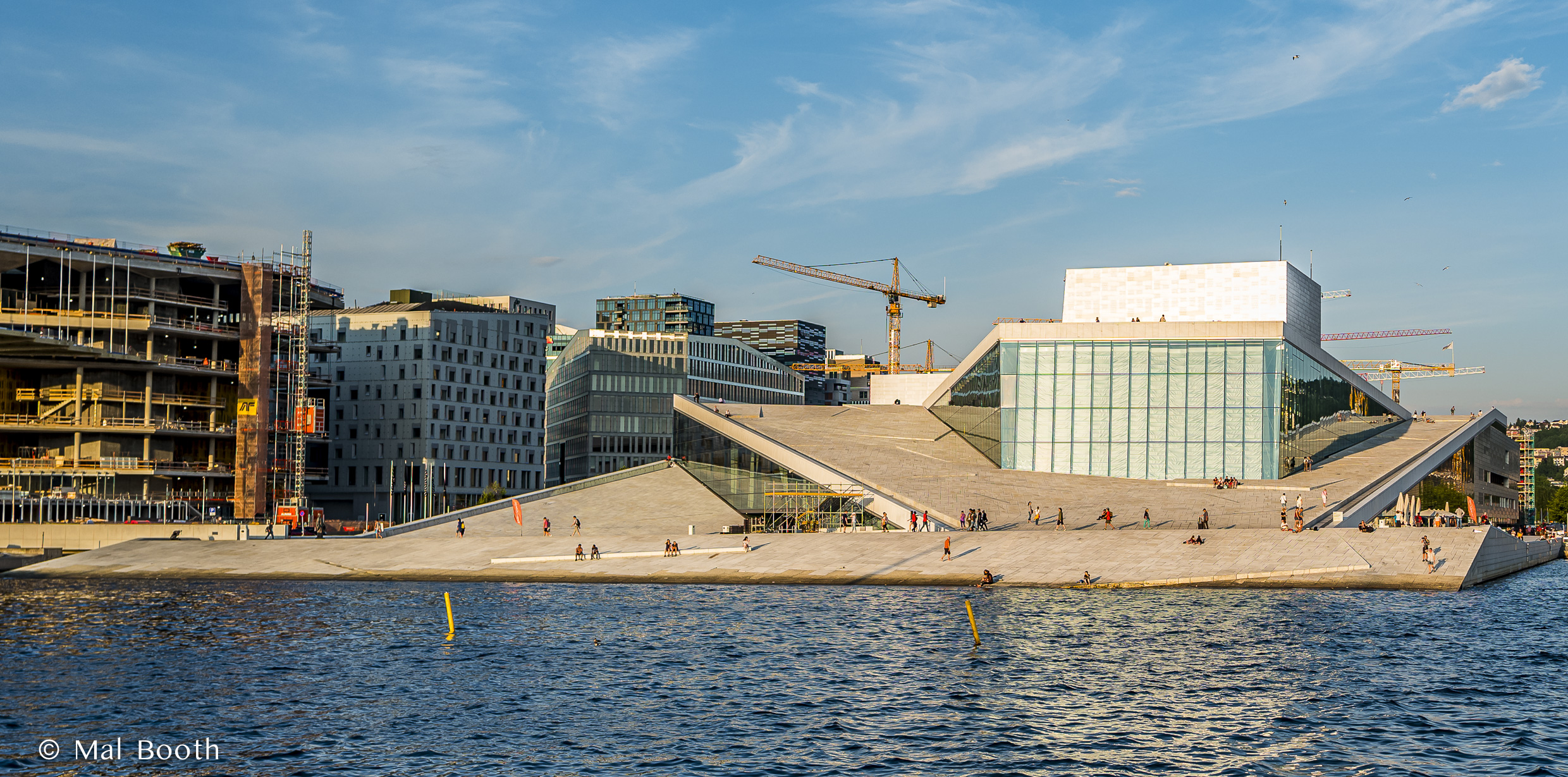
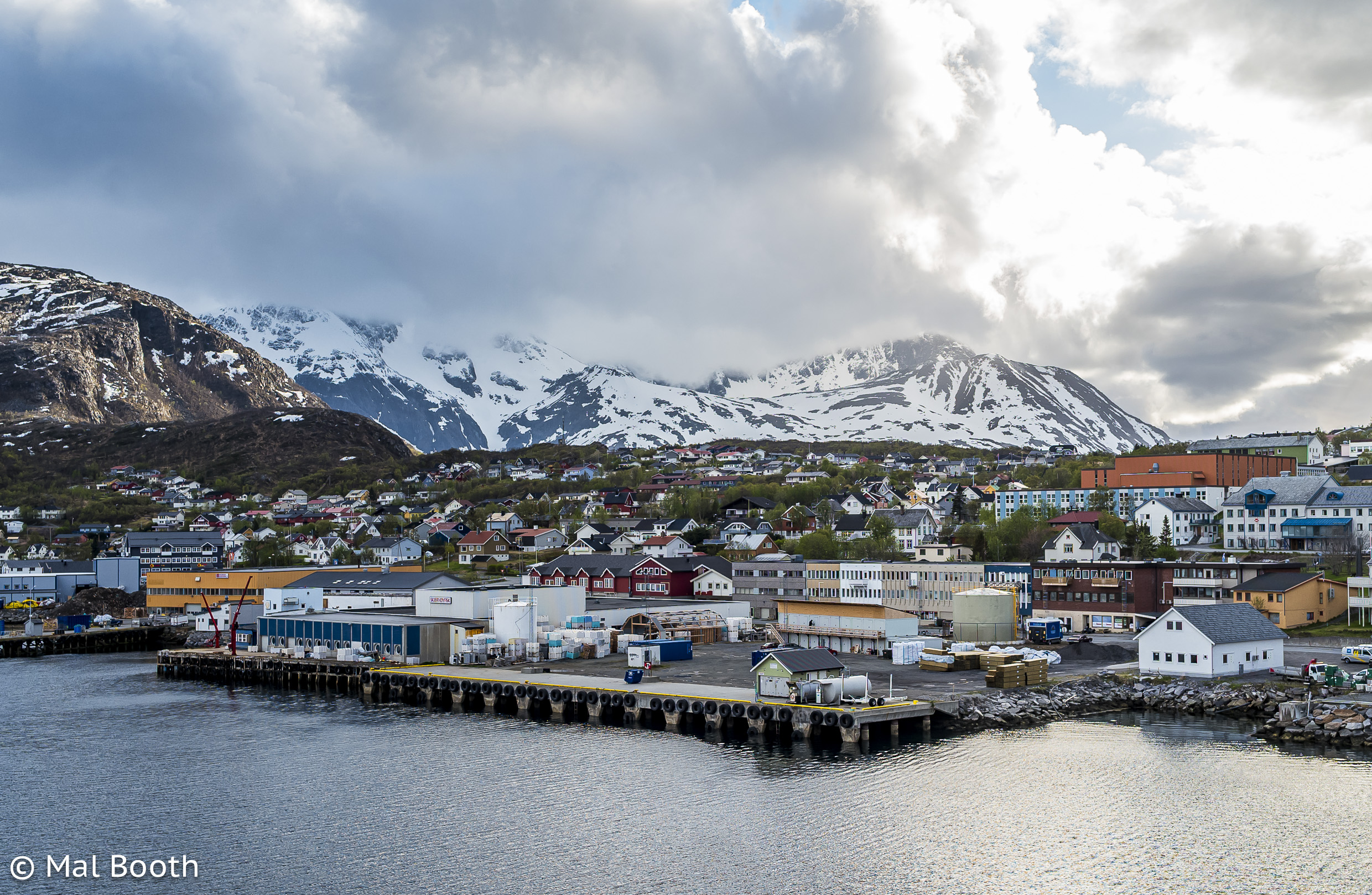
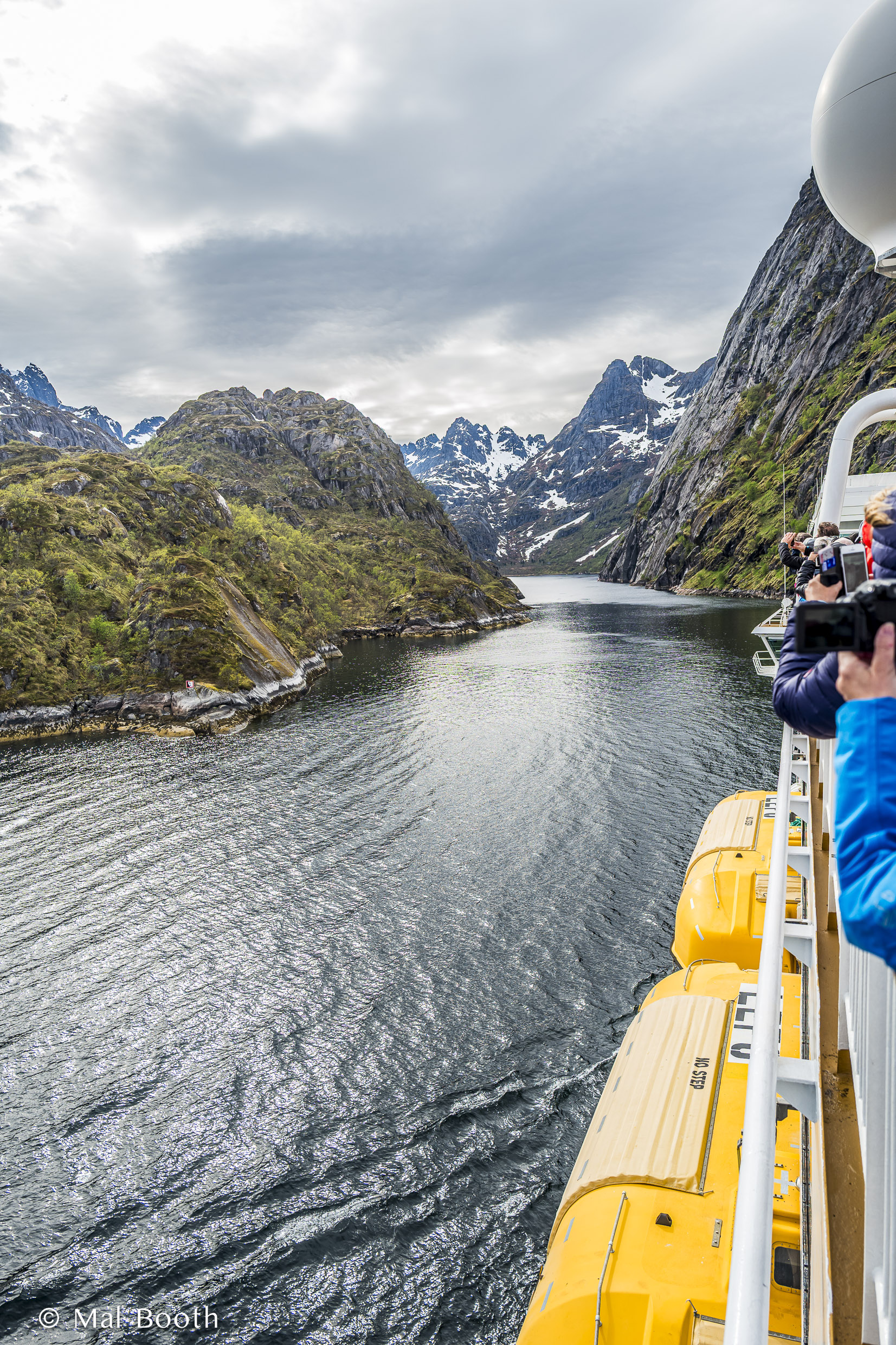
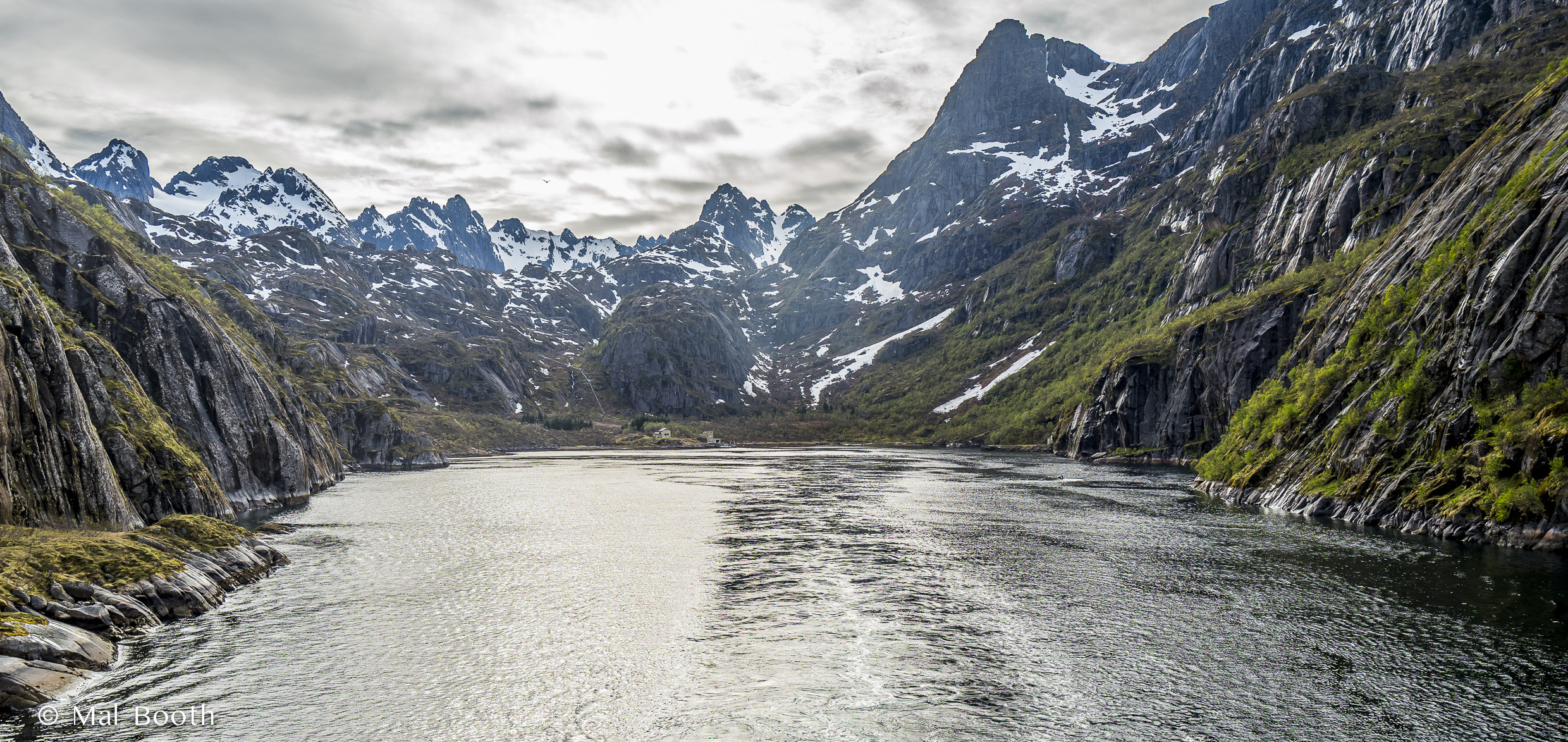
Norway 2018, Revisited
I went on a fantastic trip to Norway with a good friend, Greg. It was my first trip away with a Leica camera (a Q) and I took far too many images and then it all turned into a big muddle as I was editing and uploading on the run with an iPad mini and the whole batch was just a big mess when I got home. Sometime later all those images and their related metadata (locations, places names and edits) were stored on an external hard drive that became corrupted and all I was able to recover were the raw files.
It took me an age to get around to re-editing, re-locating and uploading a selection of several thousand images, but I did manage to complete this recently and about 250 are now on my Flickr account. The gallery below is a selection of those images.


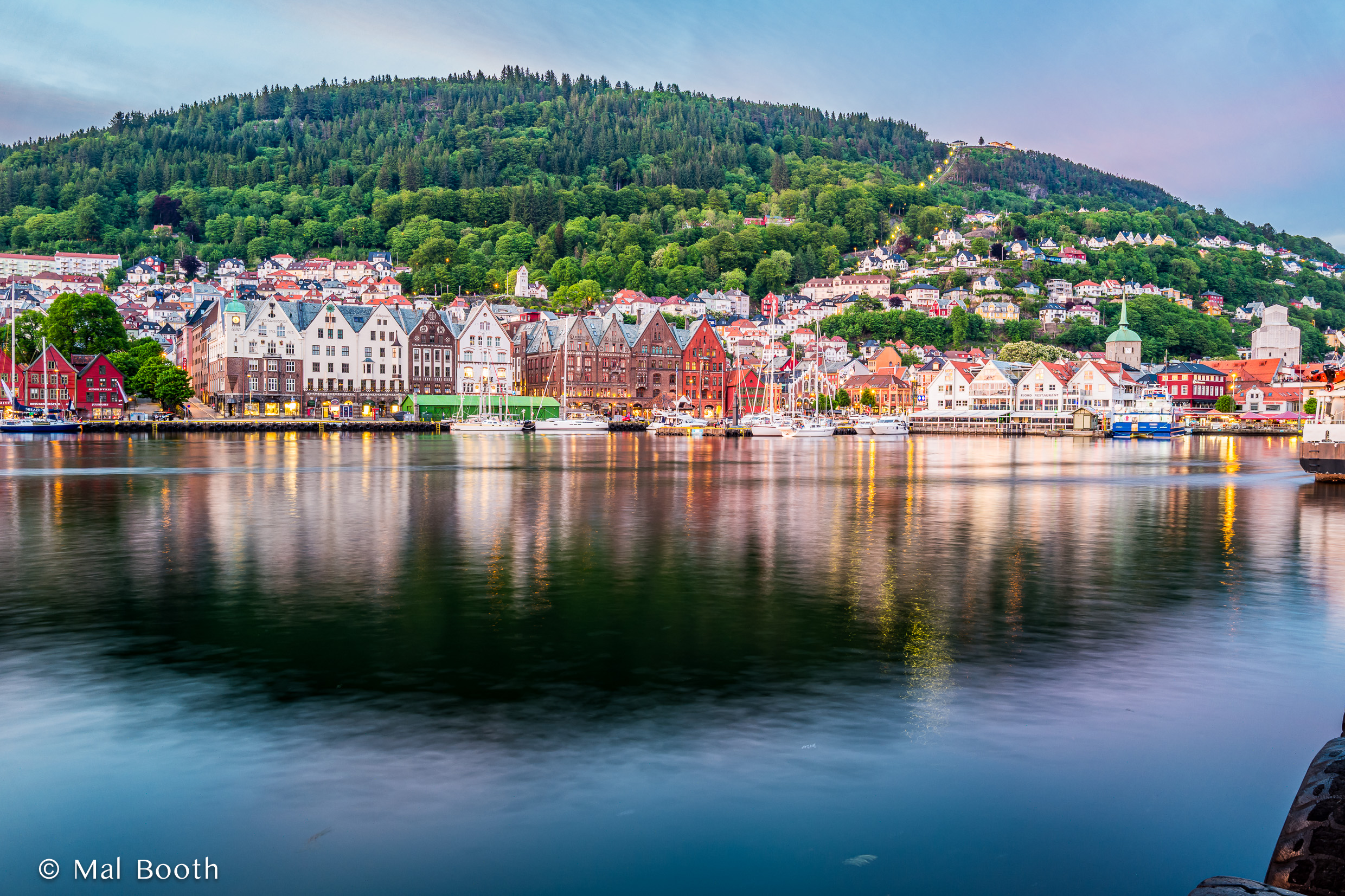


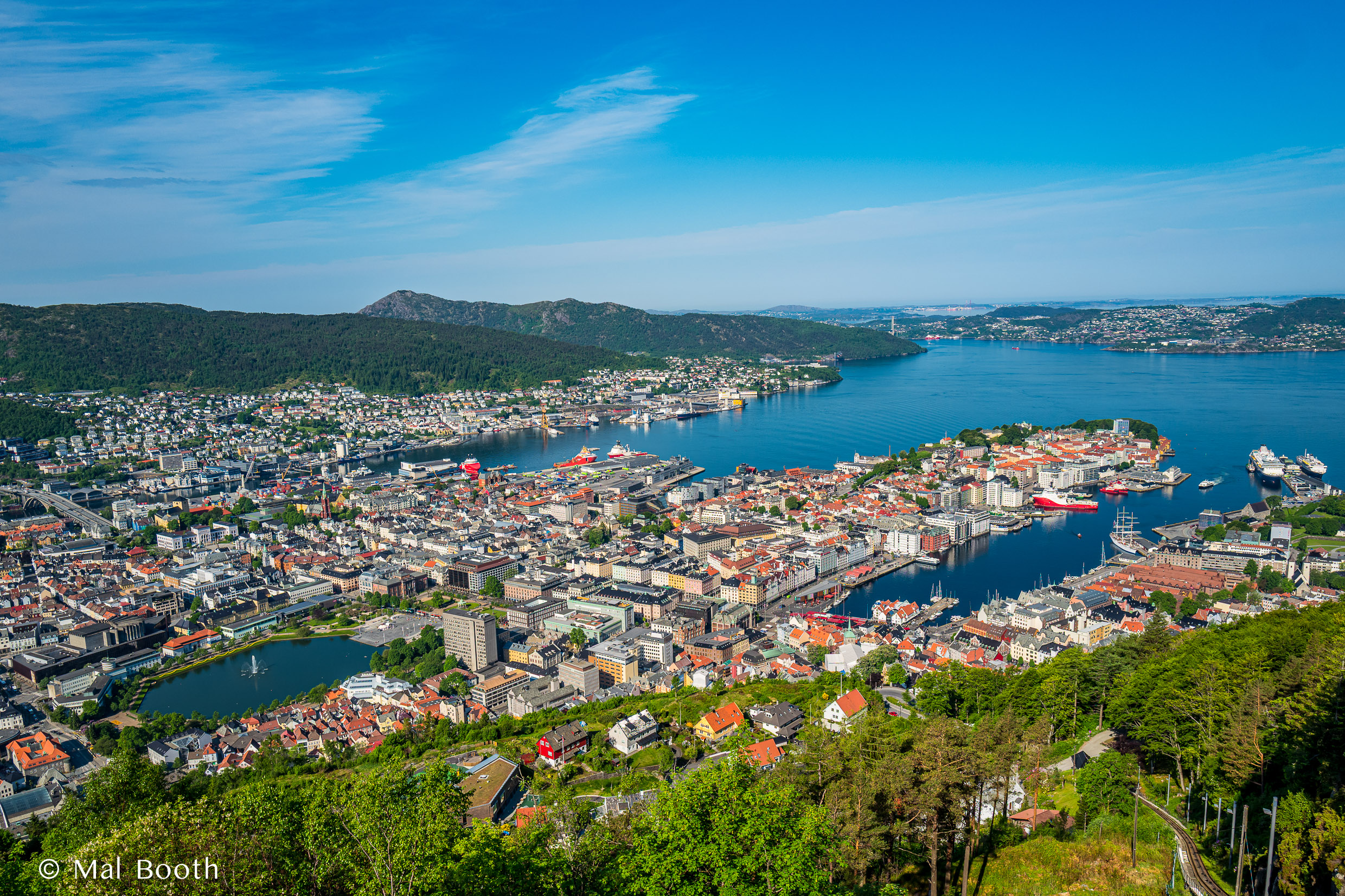


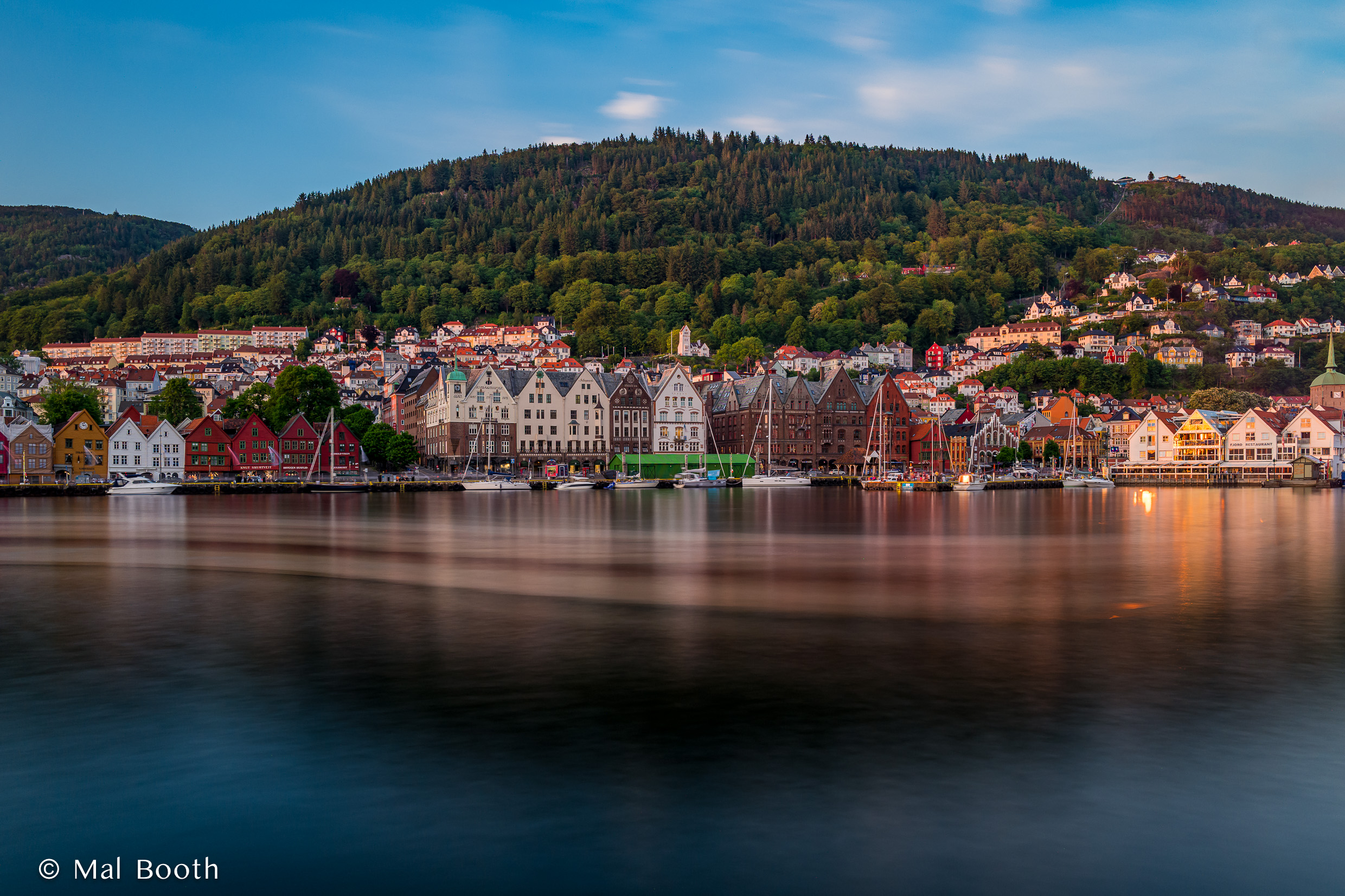


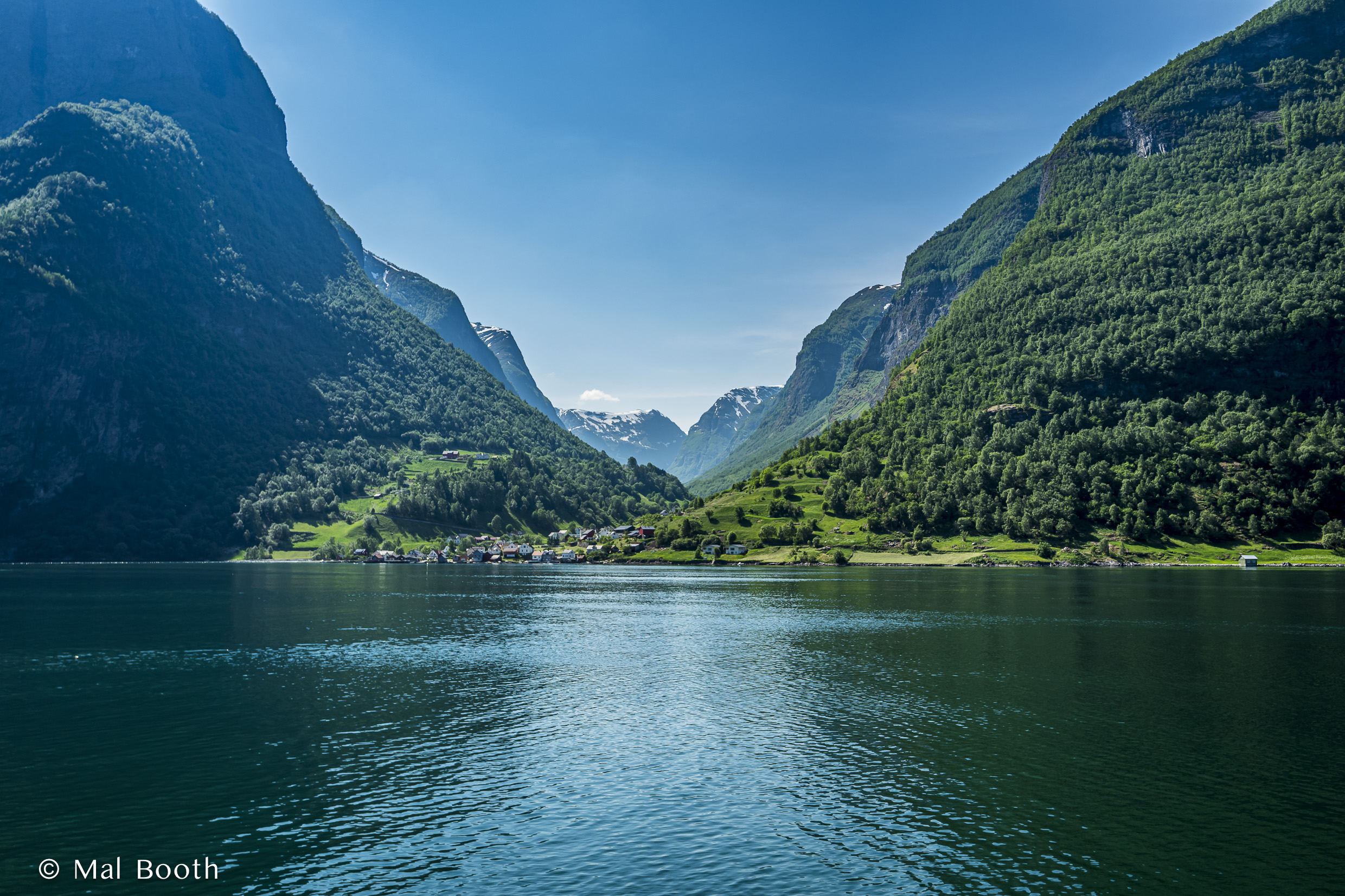















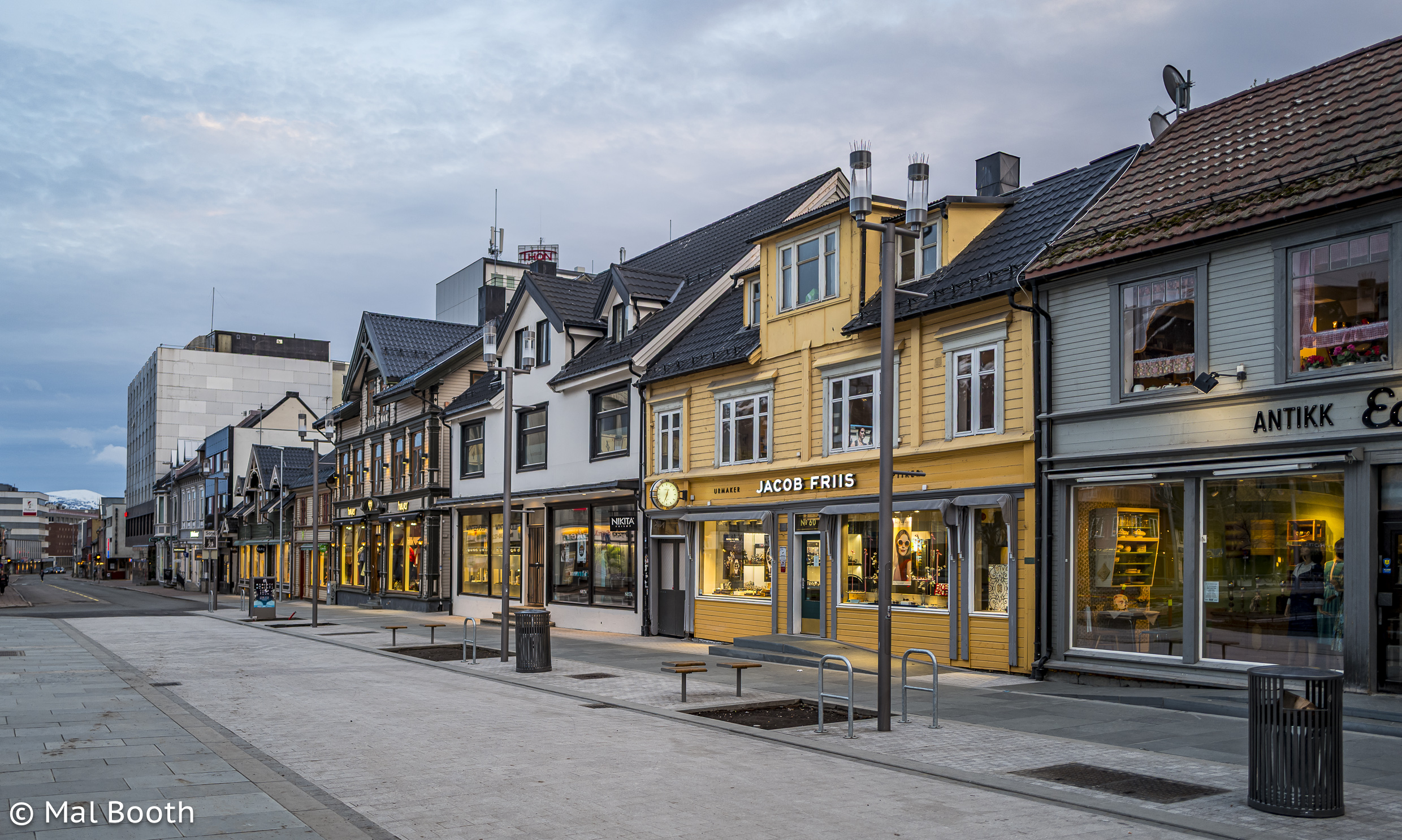
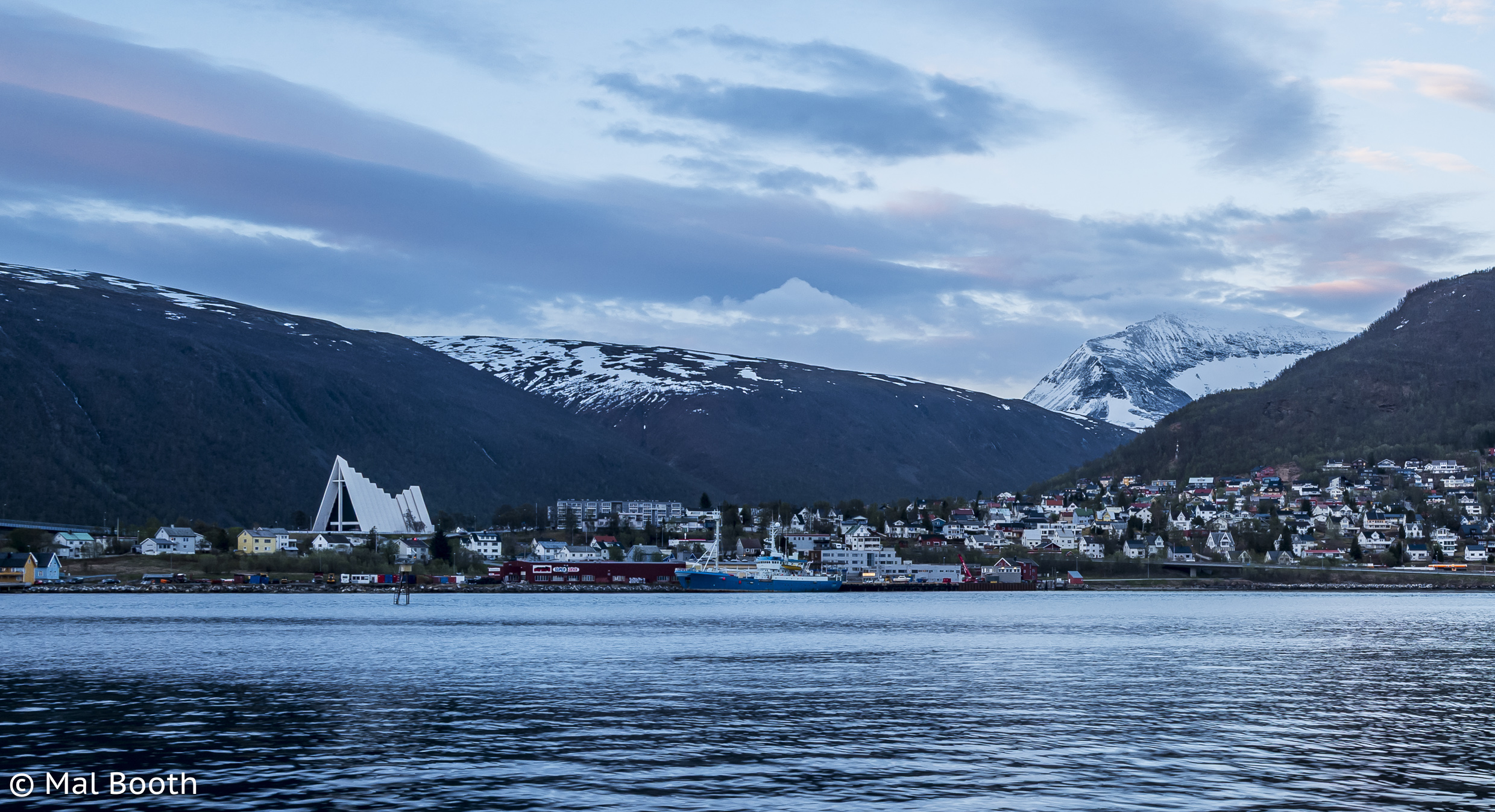


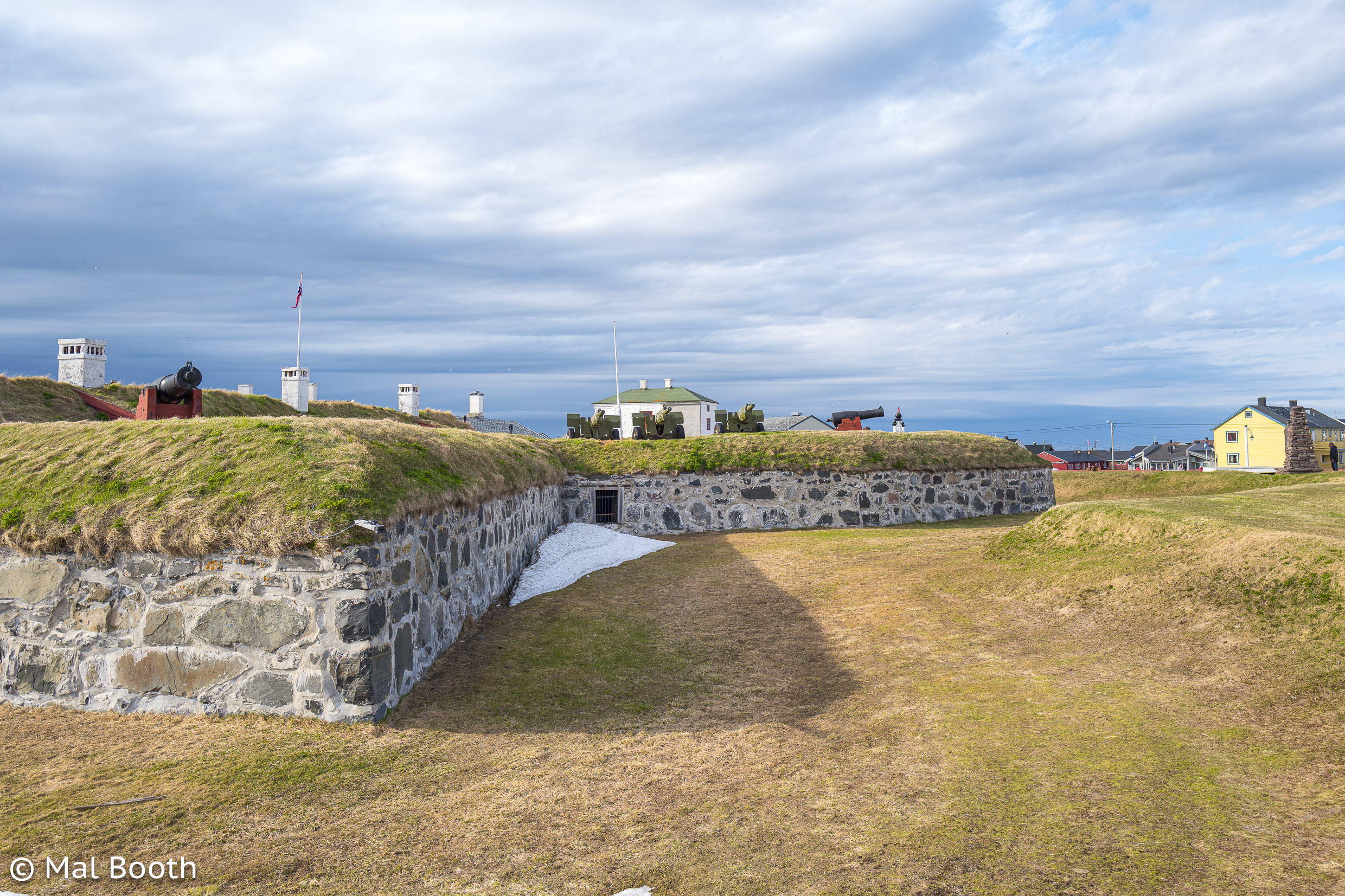

Happy Holidays!
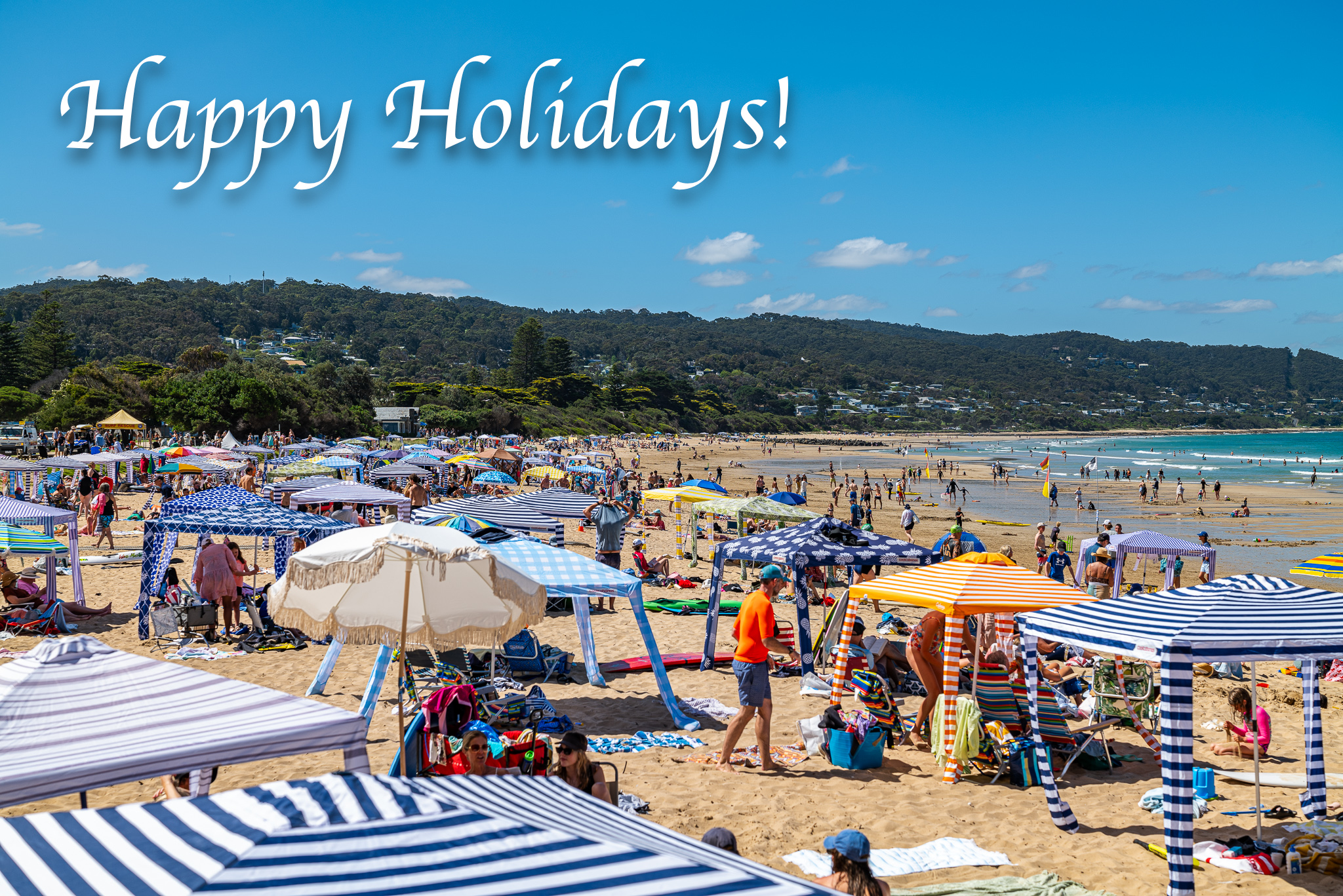
Wassail! Wassail Wassail! I began 2024 in Lorne, staying near Gary and swimming in the surf every day. I bought a fantastic big new painting at QDOS Fine Art and was able to photograph the famous Pier-to-Pub swim.
After driving back to Sydney via a night in Albury I got back into my regular grind of swimming with my gang at Victoria Park, regular ACO concerts with Gregor and Trivia nights at Carlisle Castle pub on Wednesday nights with the Olivia Newtown Johns team. There were also a few lunches with Gregor in Alexandria when he was down from Belmont volunteering at the ARHS. And some of the swim gang continued our semi-regular Friday night drinks, mostly when Roger was back in town.
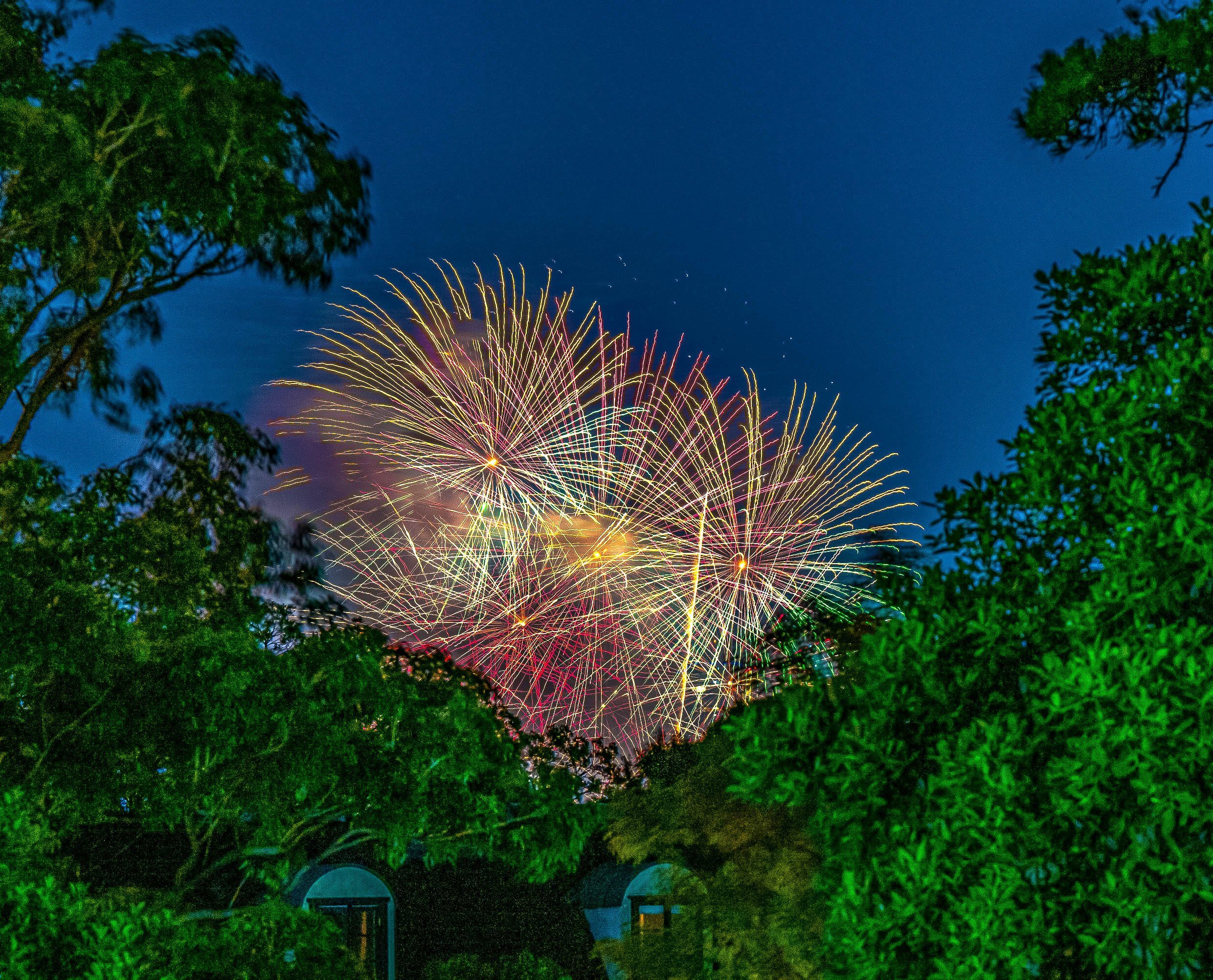
In March I had a couple of relaxed weeks in Hawaii, just on Oahu, swimming in the ocean and learning more about a new camera and lens. My long-time US friend Jamie was back there for most of it and once again she was really generous with her hosting. I have learnt a heap about Hawaiian culture thanks to her knowledge and guidance. I also was lucky enough to be there for the absolutely beautiful Nagaoka Fireworks which I photographed from Magic Island. I think these are the best I’ve seen.
Once again, Easter was with sister Mez, her husband Phil, Jan, Brian and Gregor came down from Newcastle.
I visited Japan for the first time in June and spent a couple of weeks there just in Tokyo and Kyoto, travelling between the cities on the Shinkansen fast train. I took a train to Nara for a day from Kyoto. I was amazed by just about everything that I saw and experienced and have already booked flights to go back in 2025. I didn’t manage to do any swimming but I did take a lot of photos and kept myself very busy seeing far too many temples and shrines and some fantastic exhibitions at various galleries and museums.
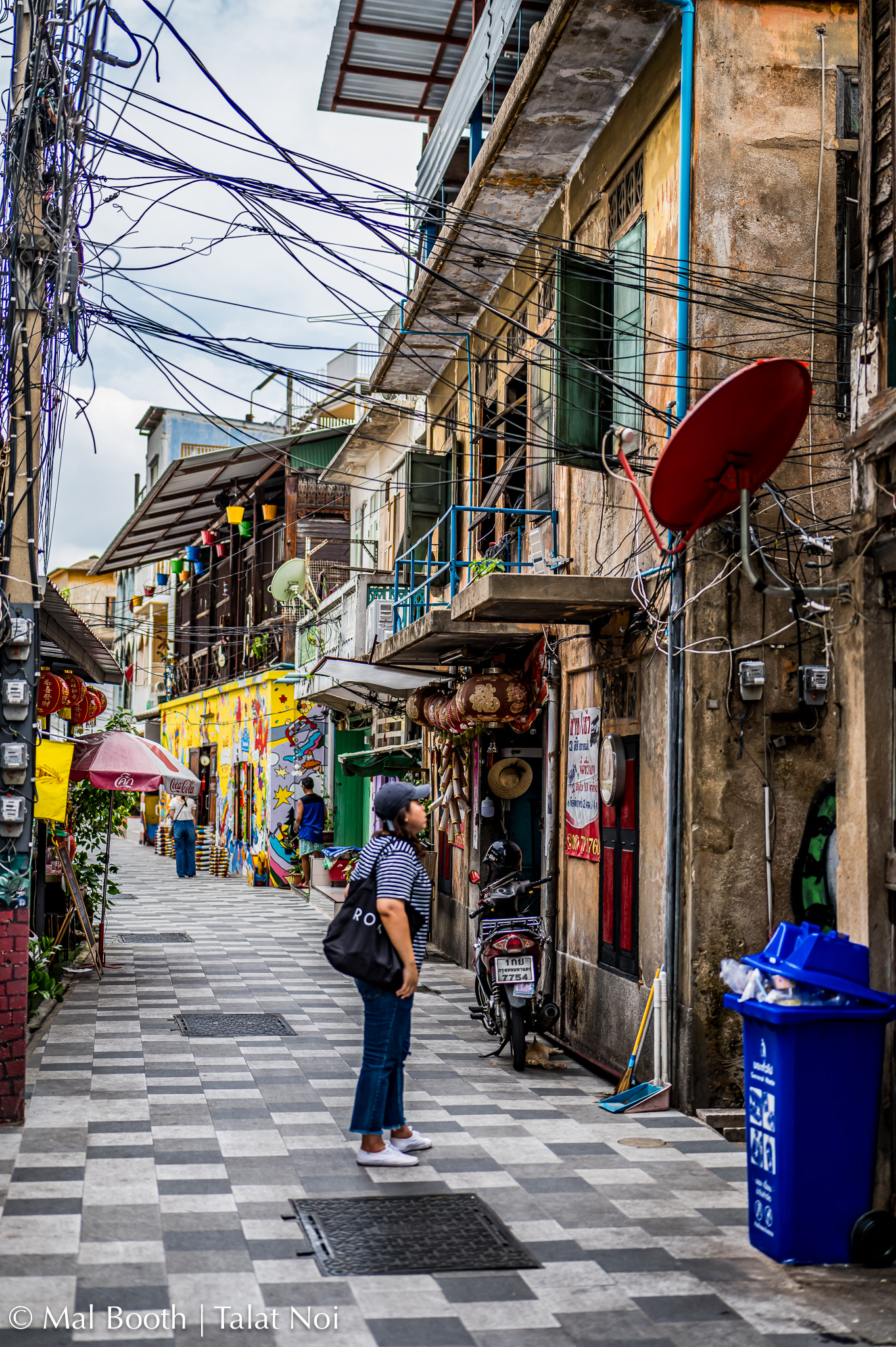
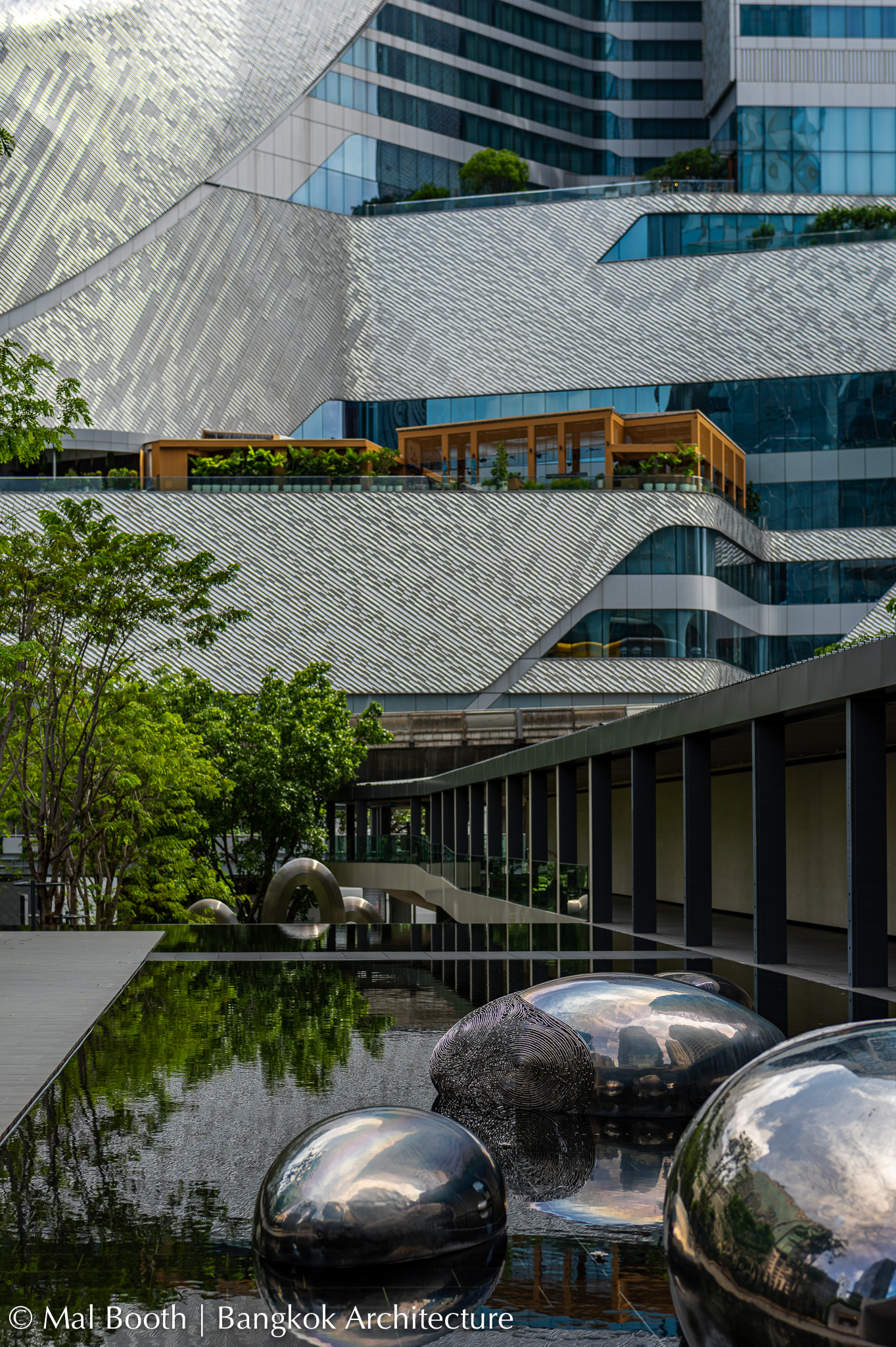
In July I made a quick trip to Bangkok, just for a week and this was my first visit for almost 40 years, the last time being for work. I was surprised by all the new high-rise and the modern transit systems, but the horrendous traffic has survived. I wandered around during the day with my camera and also did a fair bit of swimming as my hotel had a great and empty (of people) lap pool. I also had a swim and a couple of pool-side lunches at the British Club (courtesy of my Tattersalls membership).
This year my major overseas trip was in September to Helsinki and Berlin (yes, again, I know). I had a full week by myself in Helsinki, where there are many museums and galleries and I also toured the historic and still well-used 1952 Olympic stadium. Once again I swam most days in the outdoor heated pool that floats in the Helsinki harbour. I then had two weeks racing around Berlin with Karen and Bruce. We went to a big concert and saw some great art and photography exhibitions. Bruce and I did some great photography excursions and it was great to catch up with their daughter Georgie and her boyfriend. I did manage to swim just about every day in the freezing Sommerbad Kreuzberg pool too. We also did a very enjoyable day trip by train to Potsdam. On my last full day I saw and photographed the Berlin Marathon, which basically shuts the city down, and I was amazed by the fast times.
Back in Sydney I tried to get back into my regular swimming routine and one of the highlights was a Coldplay concert out at Homebush with Mez and Phil that was very enjoyable. I also had regular Monday night rehearsals from October, with the 400-strong Radio Community Chest choir in St Stephen’s church in the city for our performance of Handel’s Messiah in the Sydney Town Hall on 21 and 22 December. This will be my second year of this.
My last trip away was in late November for just four days in Melbourne. I flew down for a performance of Beethoven’s Ninth Symphony by the MSO & Chorus. This was brilliant in the 200th anniversary year and the soloists were superb. I found a great airbnb apartment on the 66th floor of the Australia 108 building in Southbank and stayed there with Gary who came up from Lorne. The views were great and we took advantage of Melbourne’s art galleries, markets and restaurants.
You can view a pictorial record of most of this here www.flickr.com/photos/malbooth/ (highlights are in a previous post on this blog) and I hope to provide separate updates about my Kindle reading and podcast listening on this blog as usual. Goodwill to you all!
2024: My Year in Images
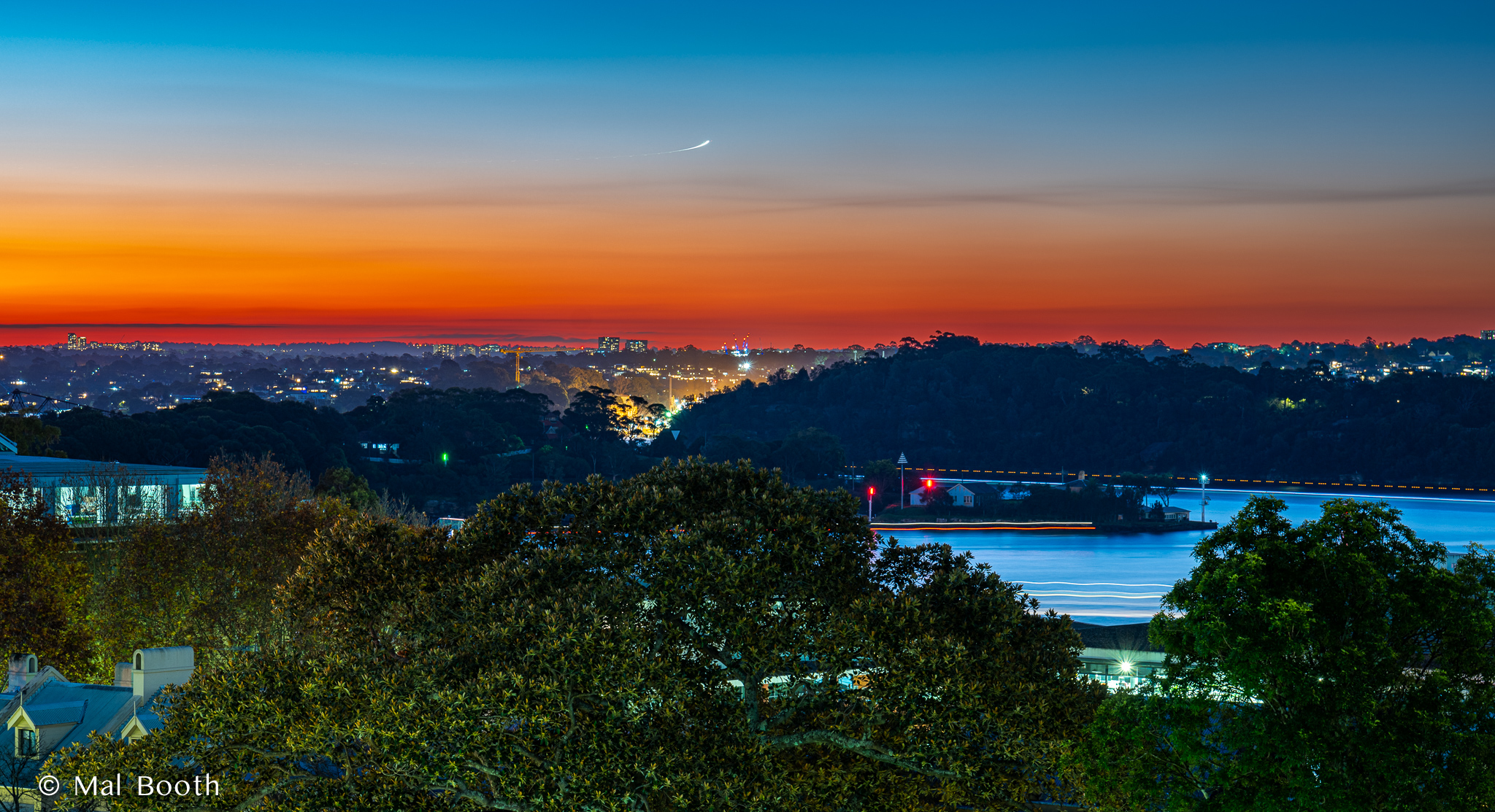
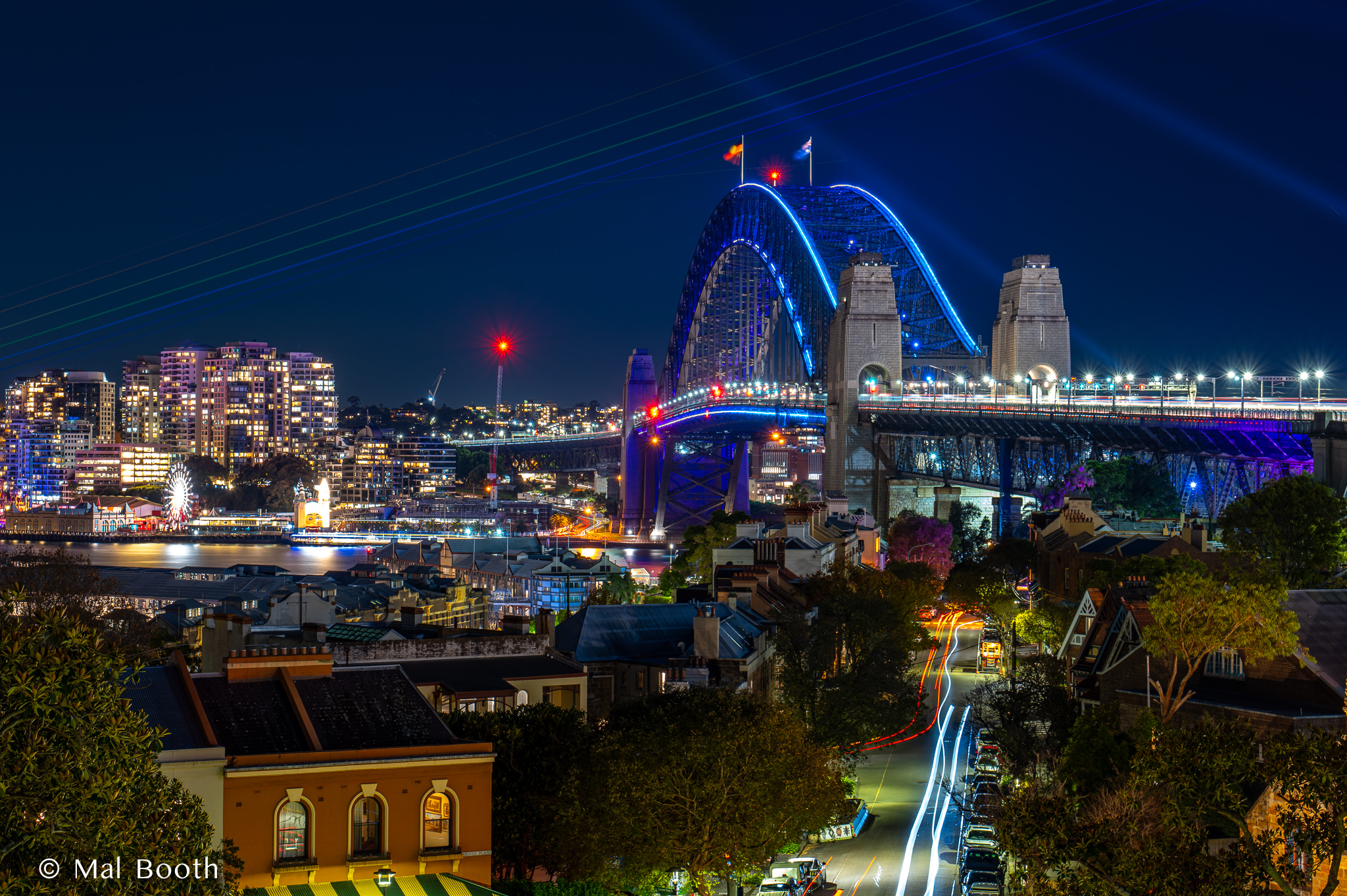
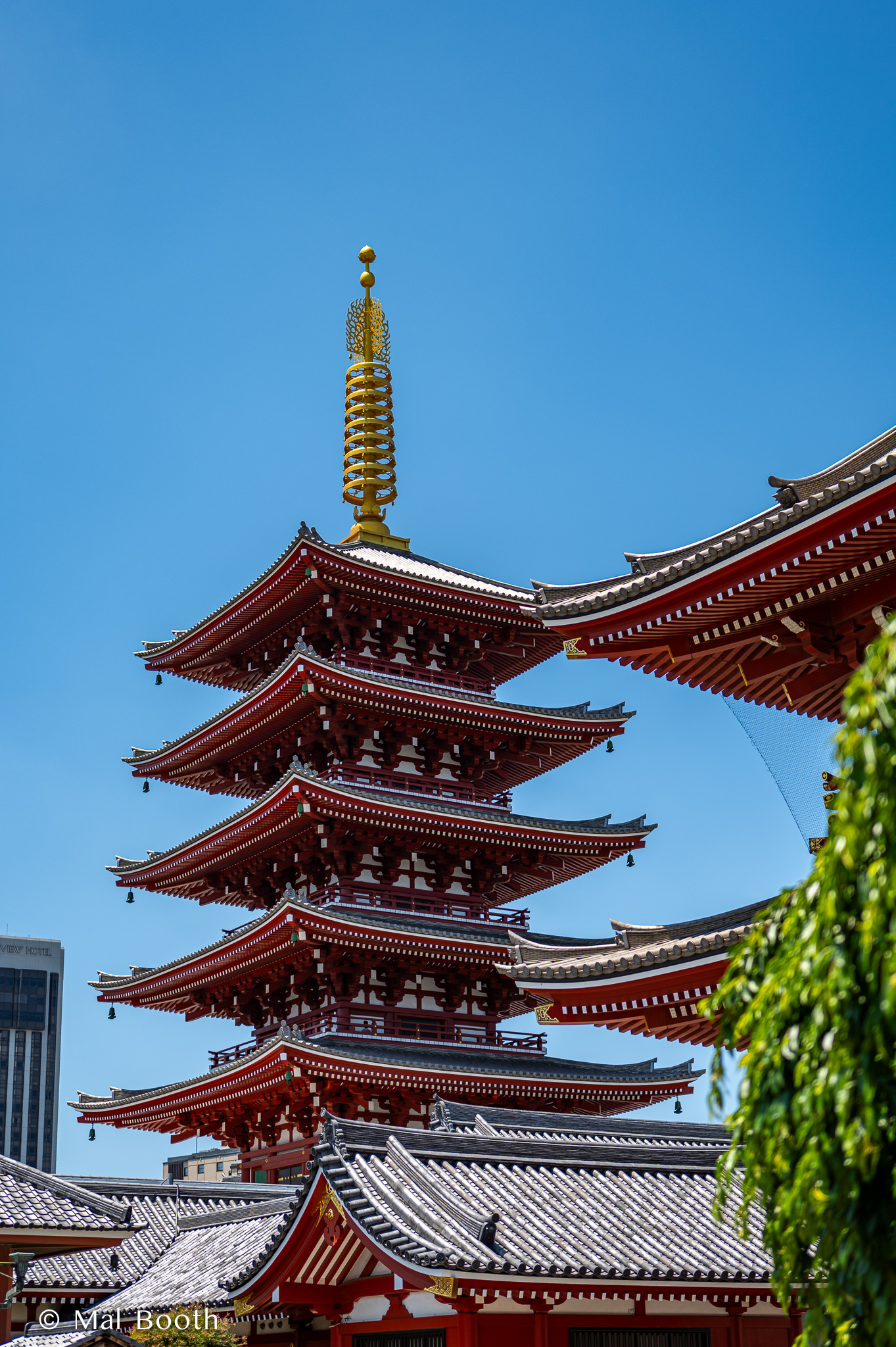


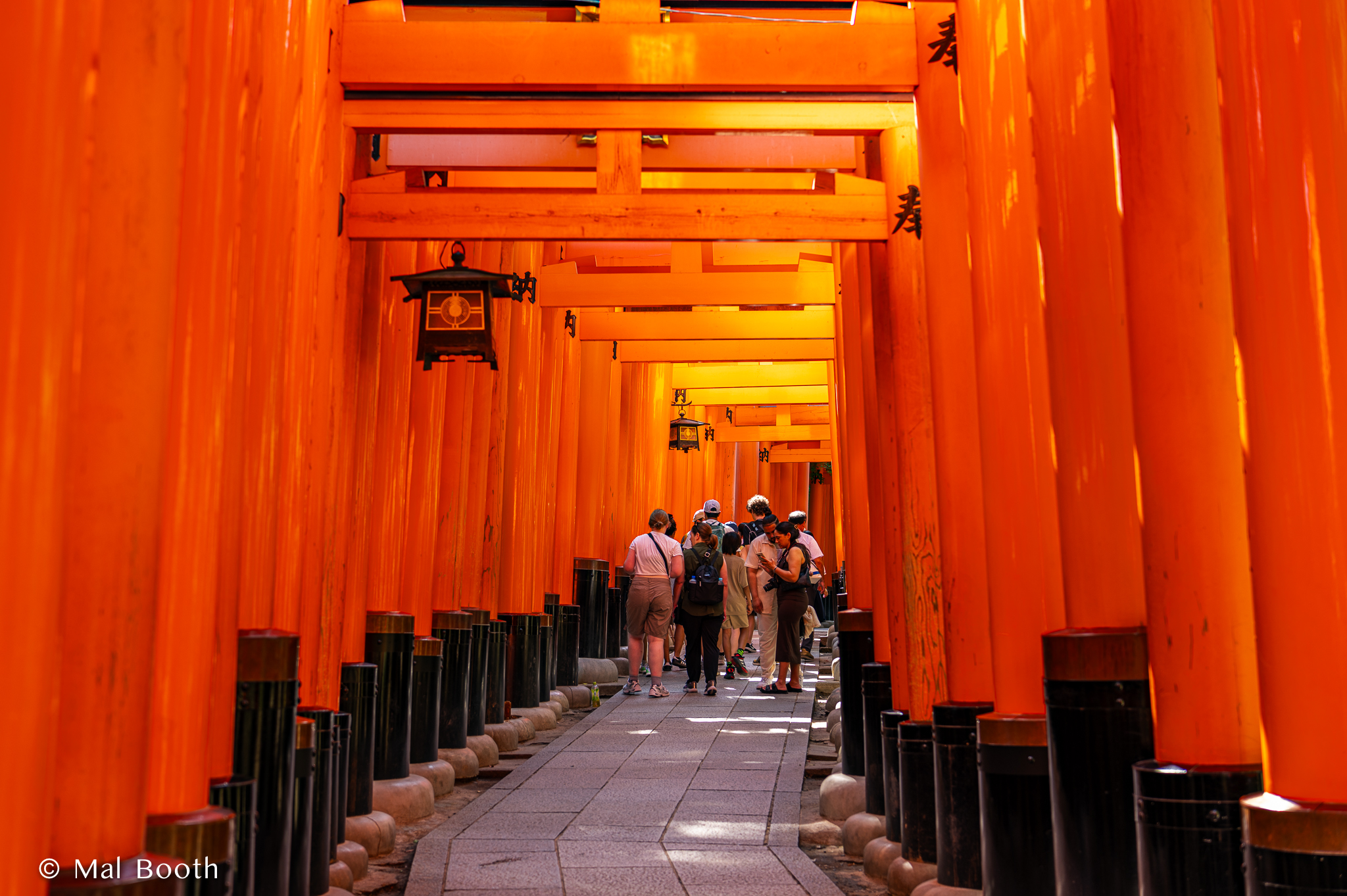
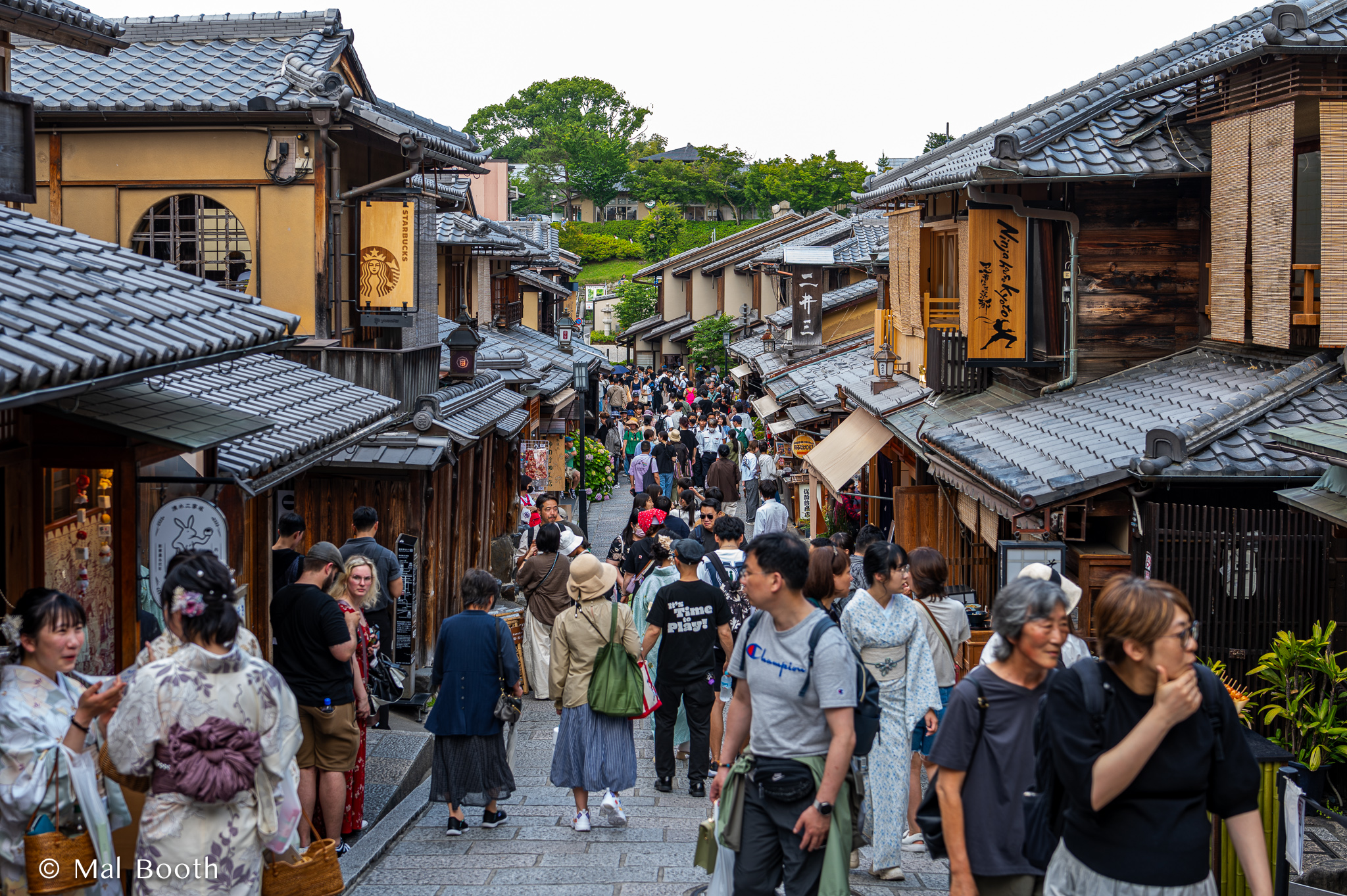


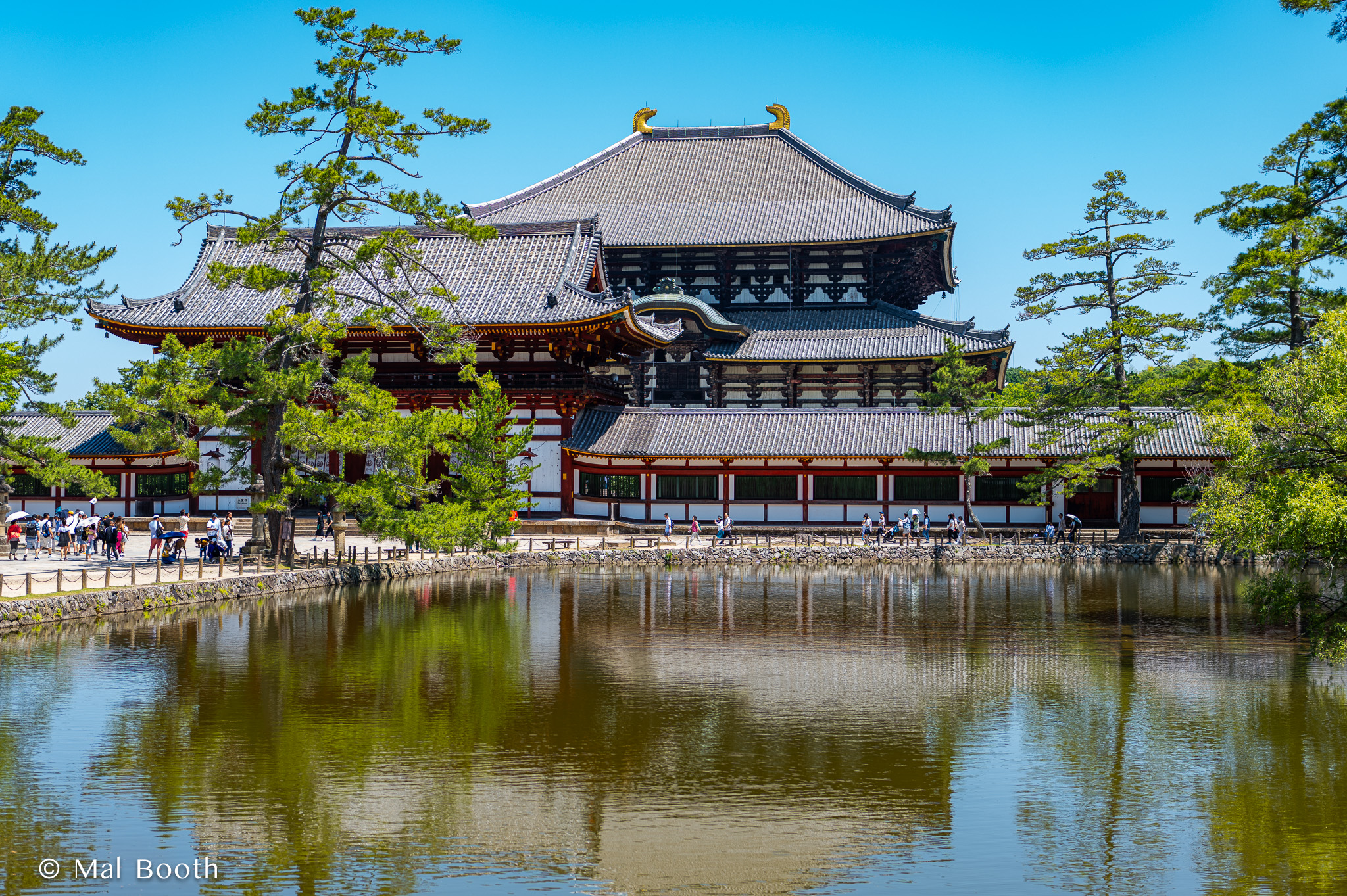

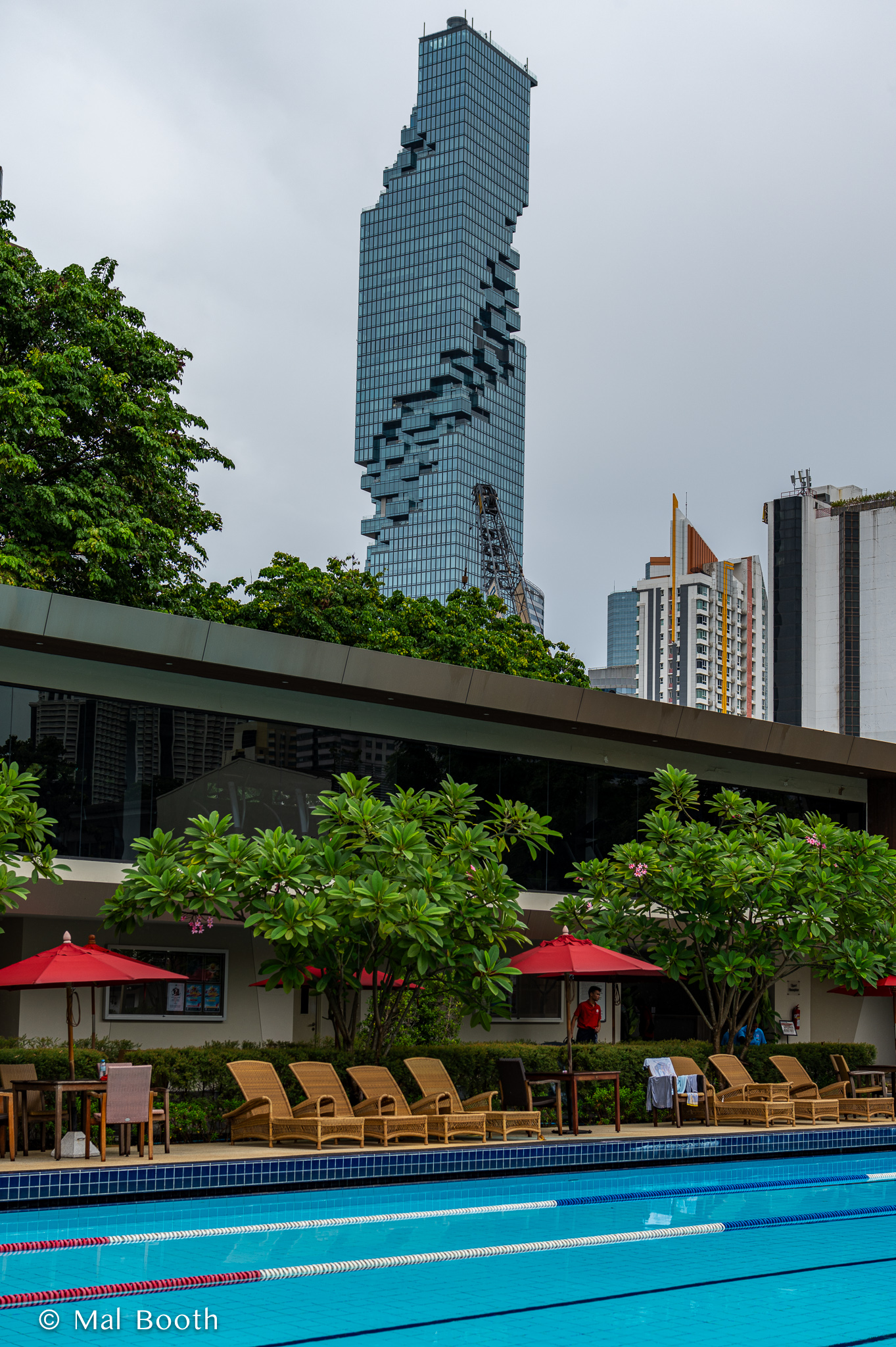


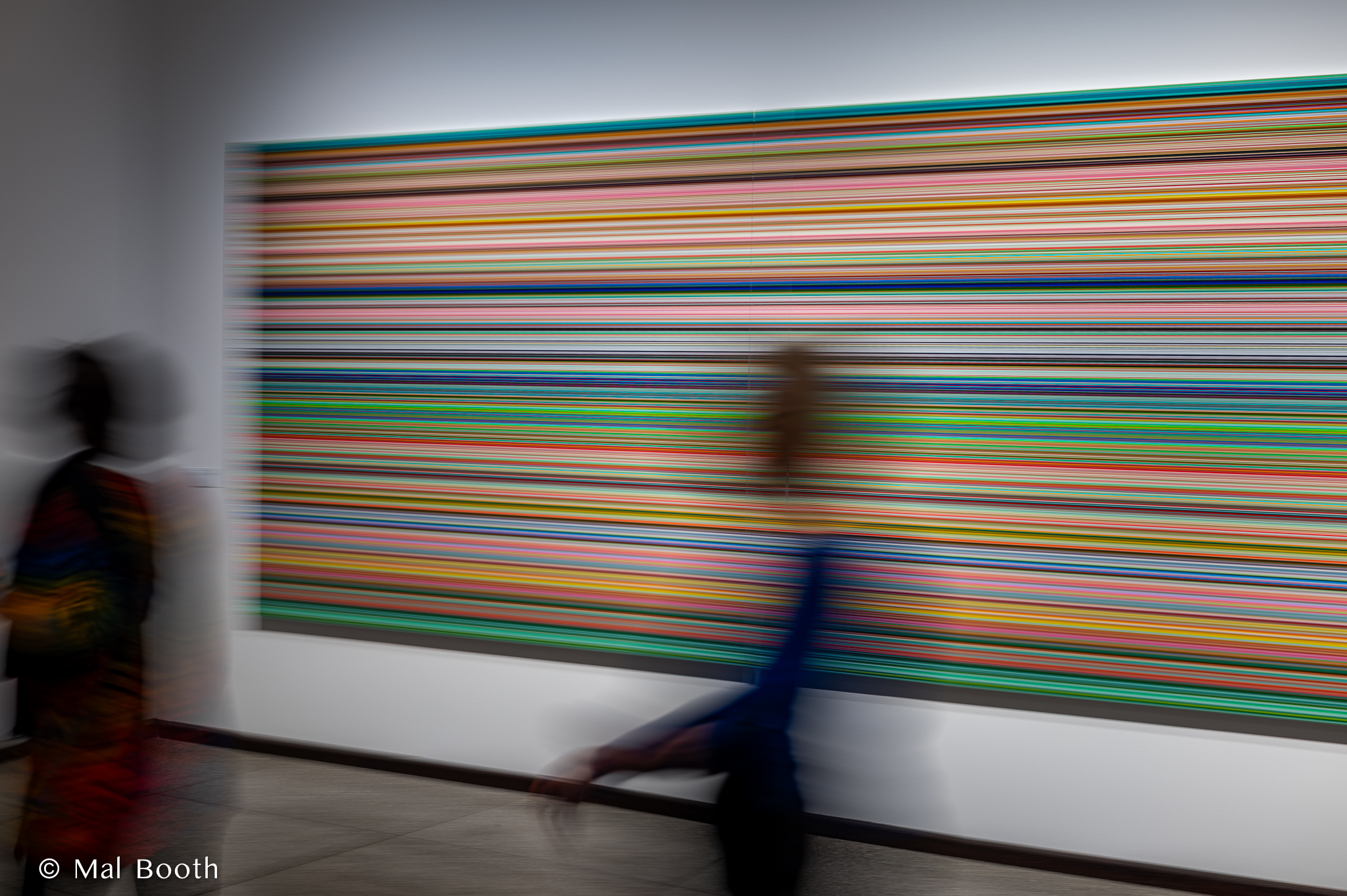
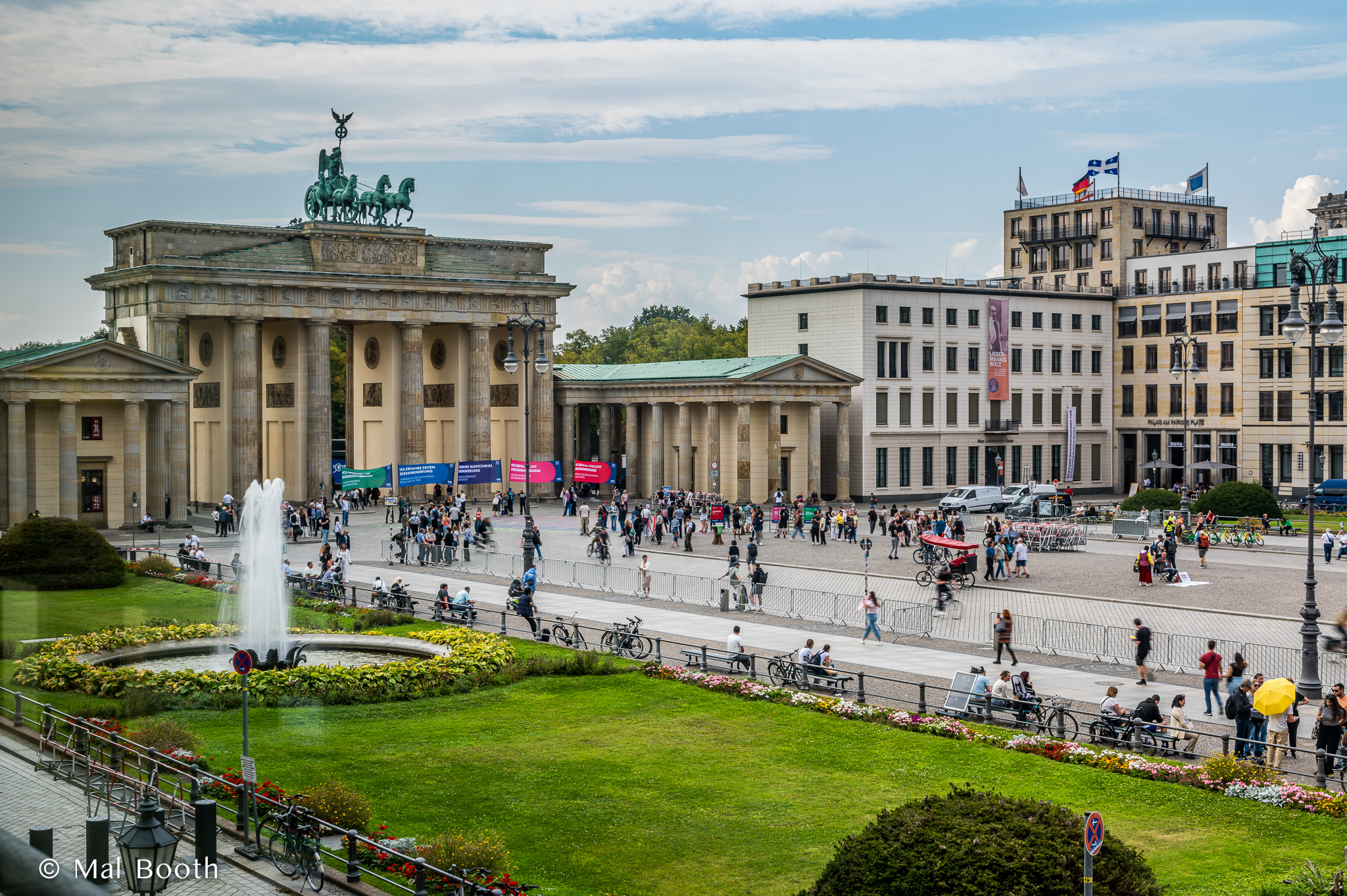
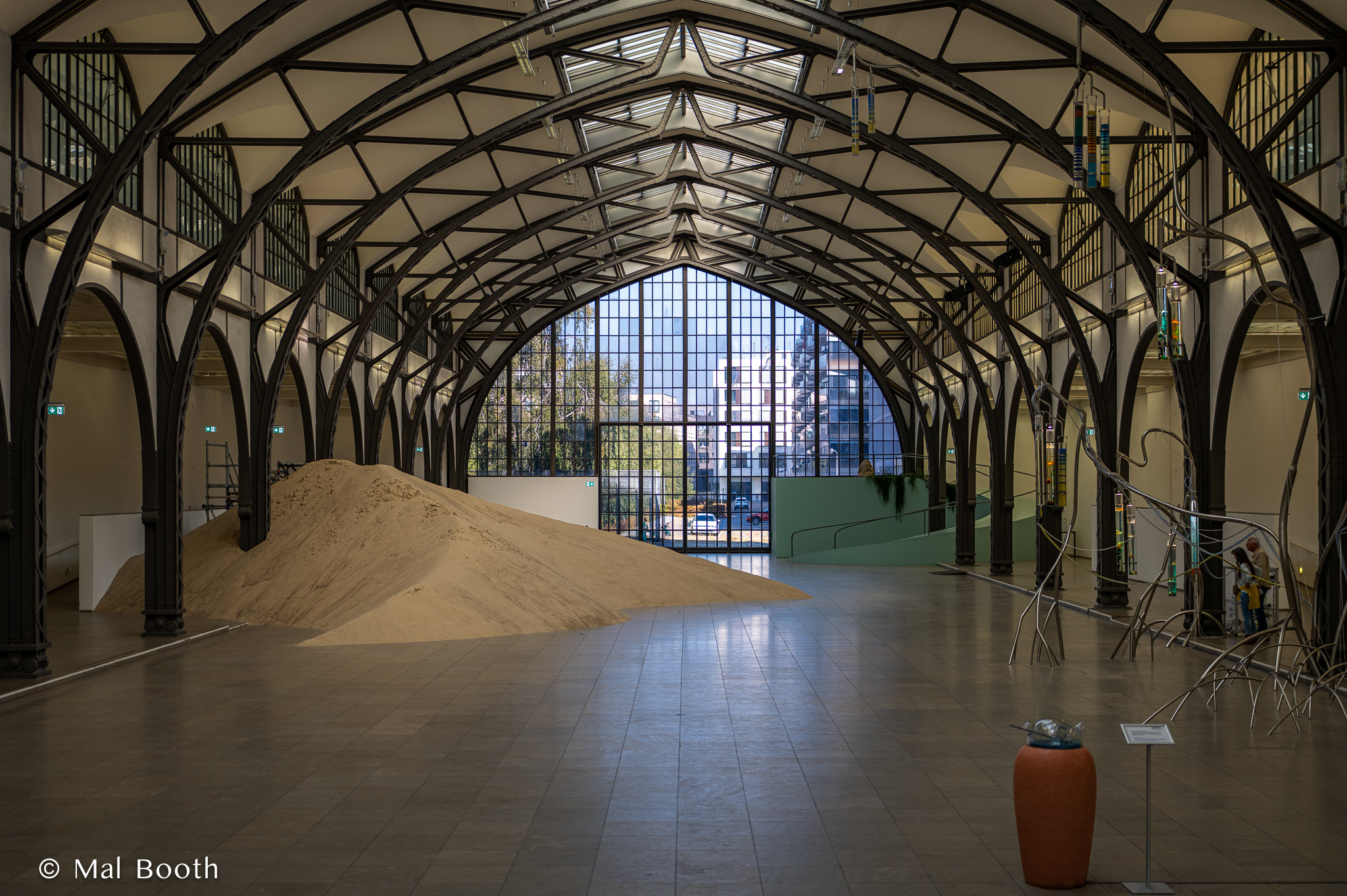


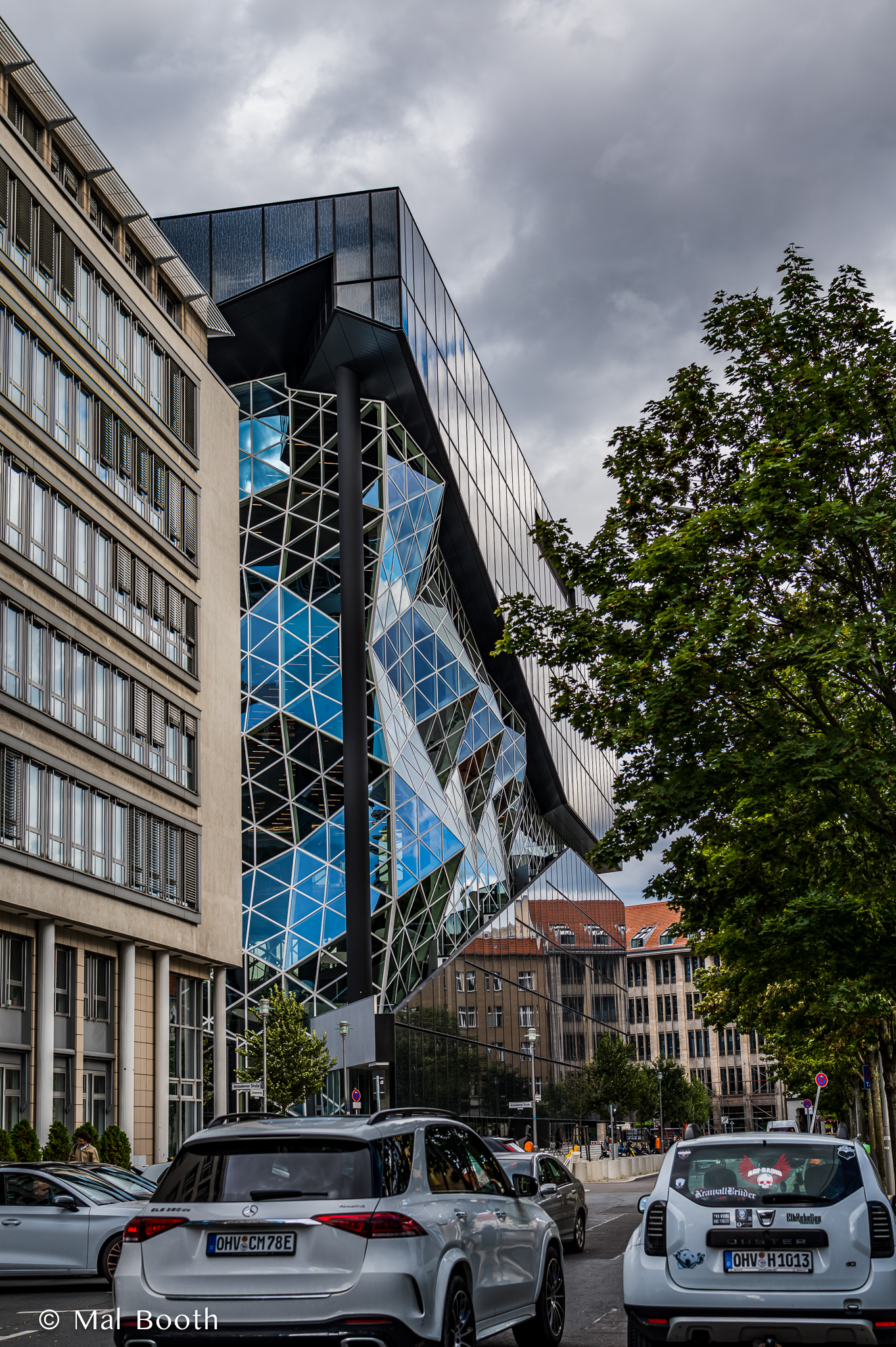


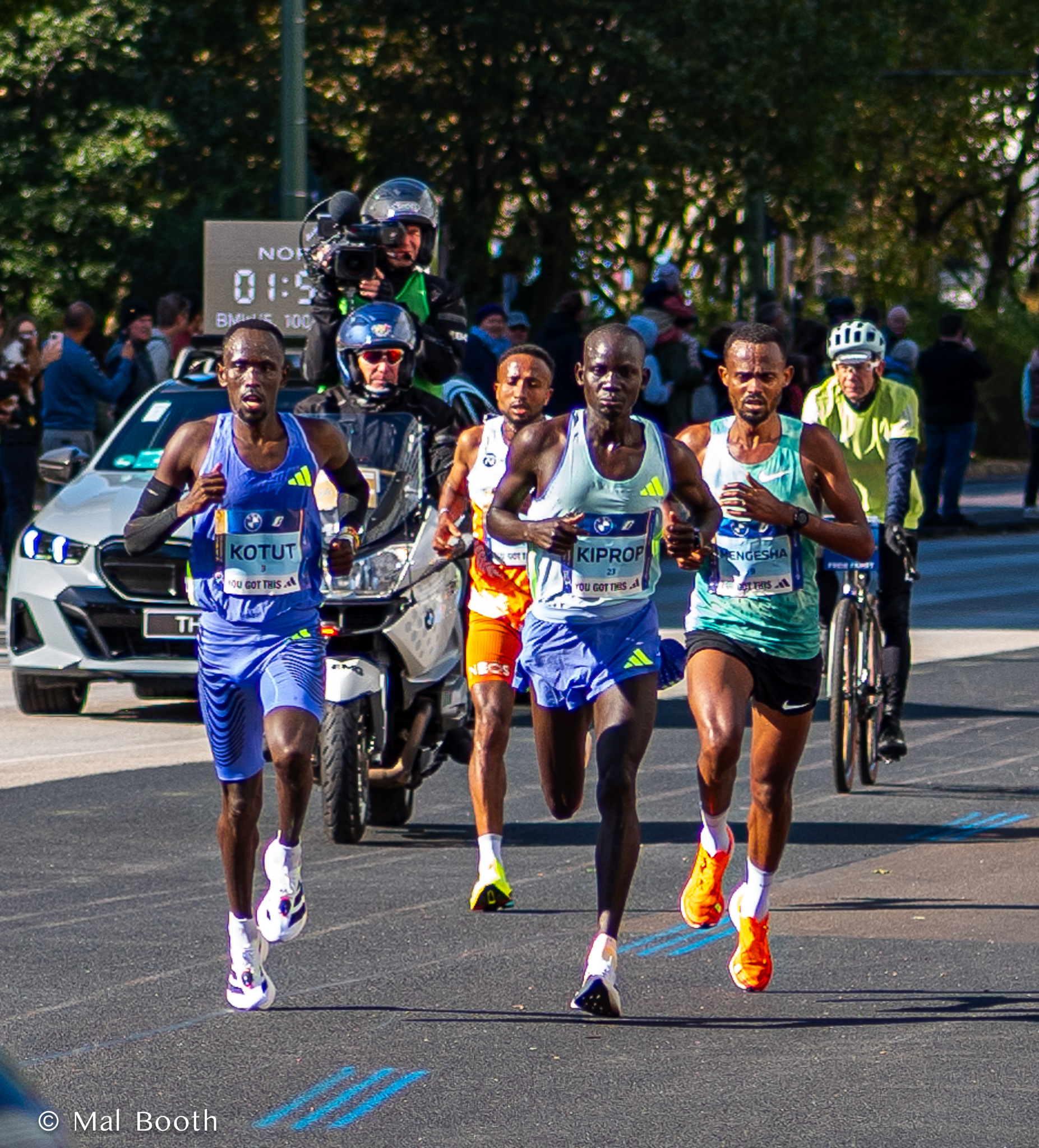


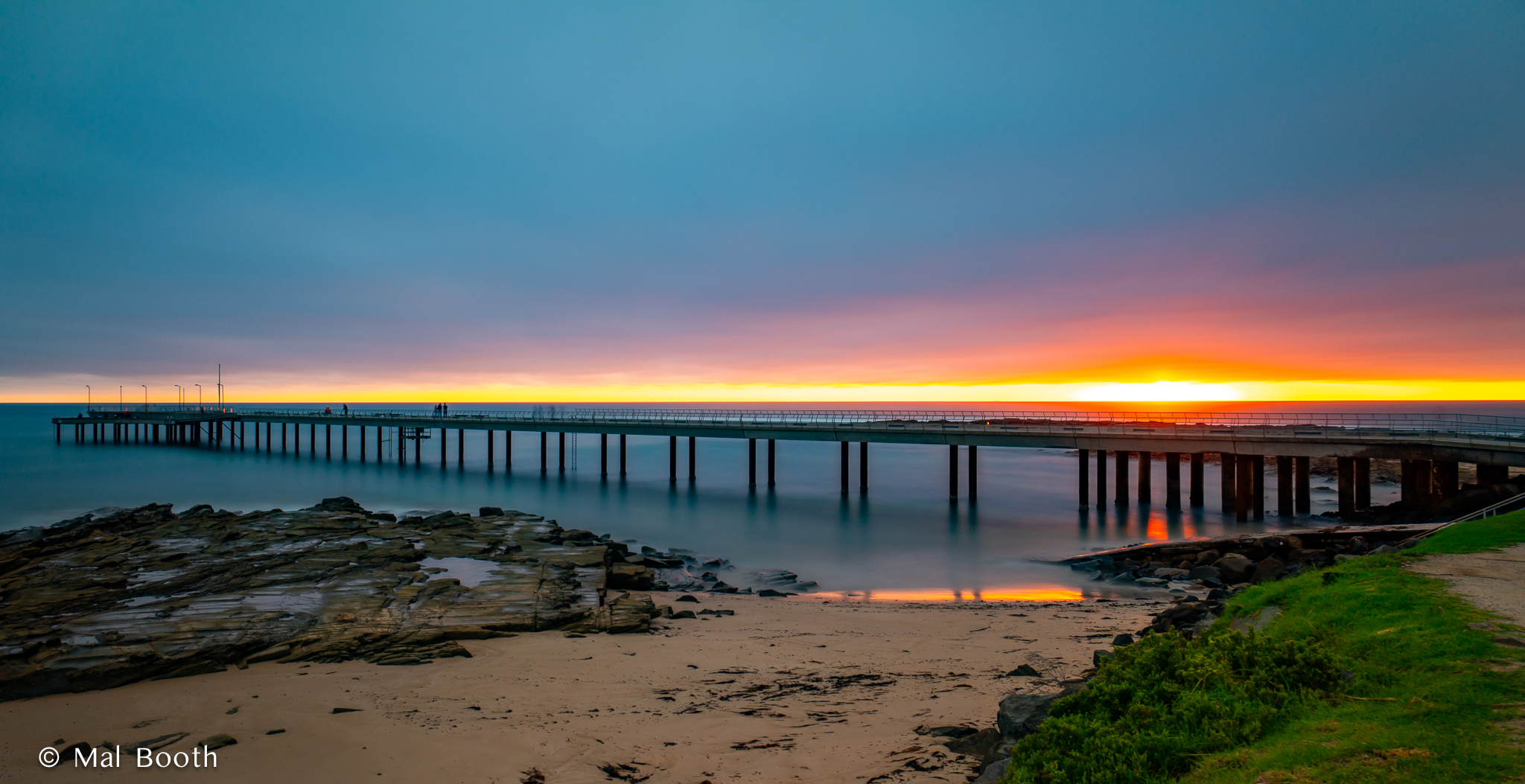


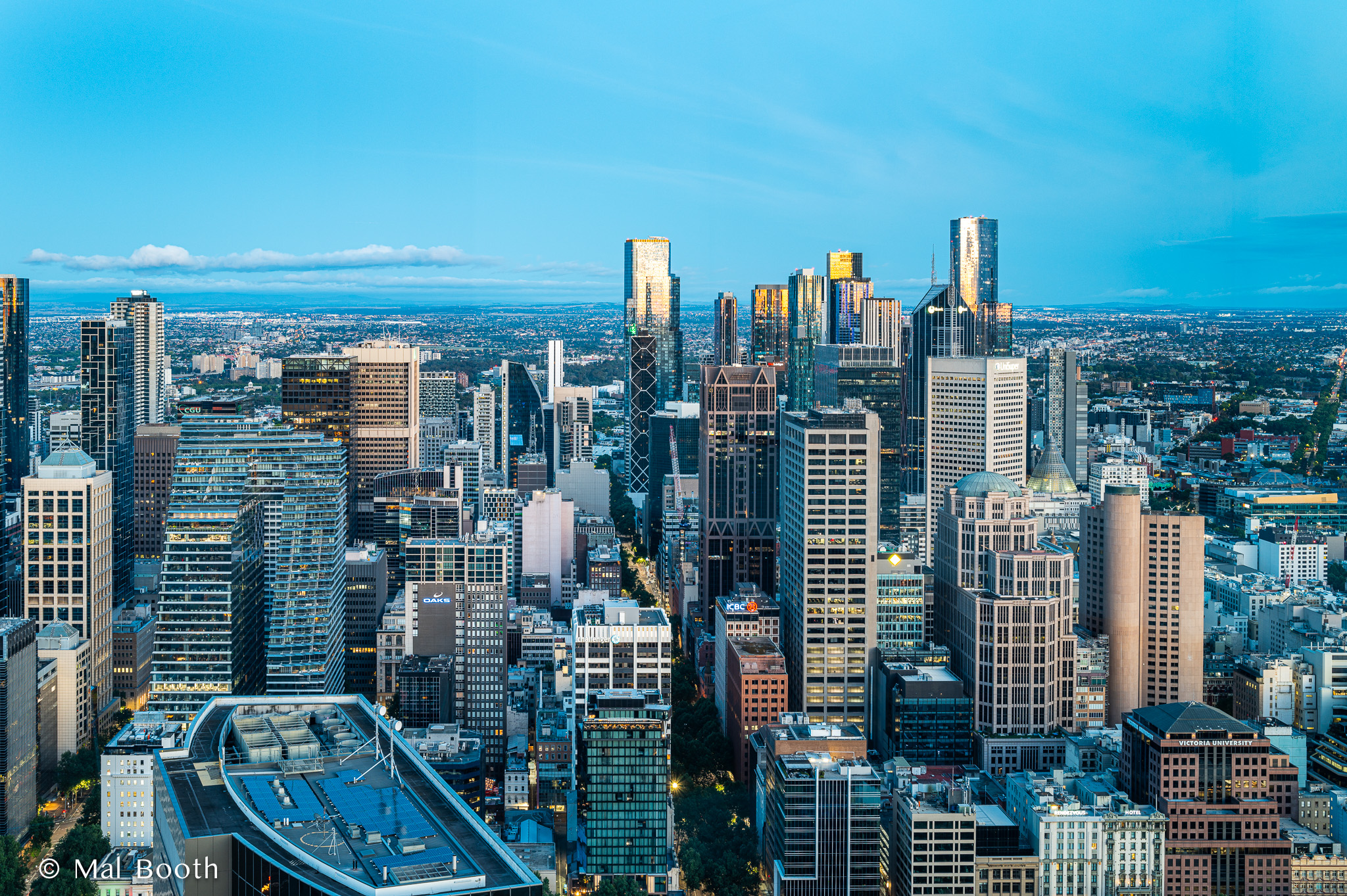


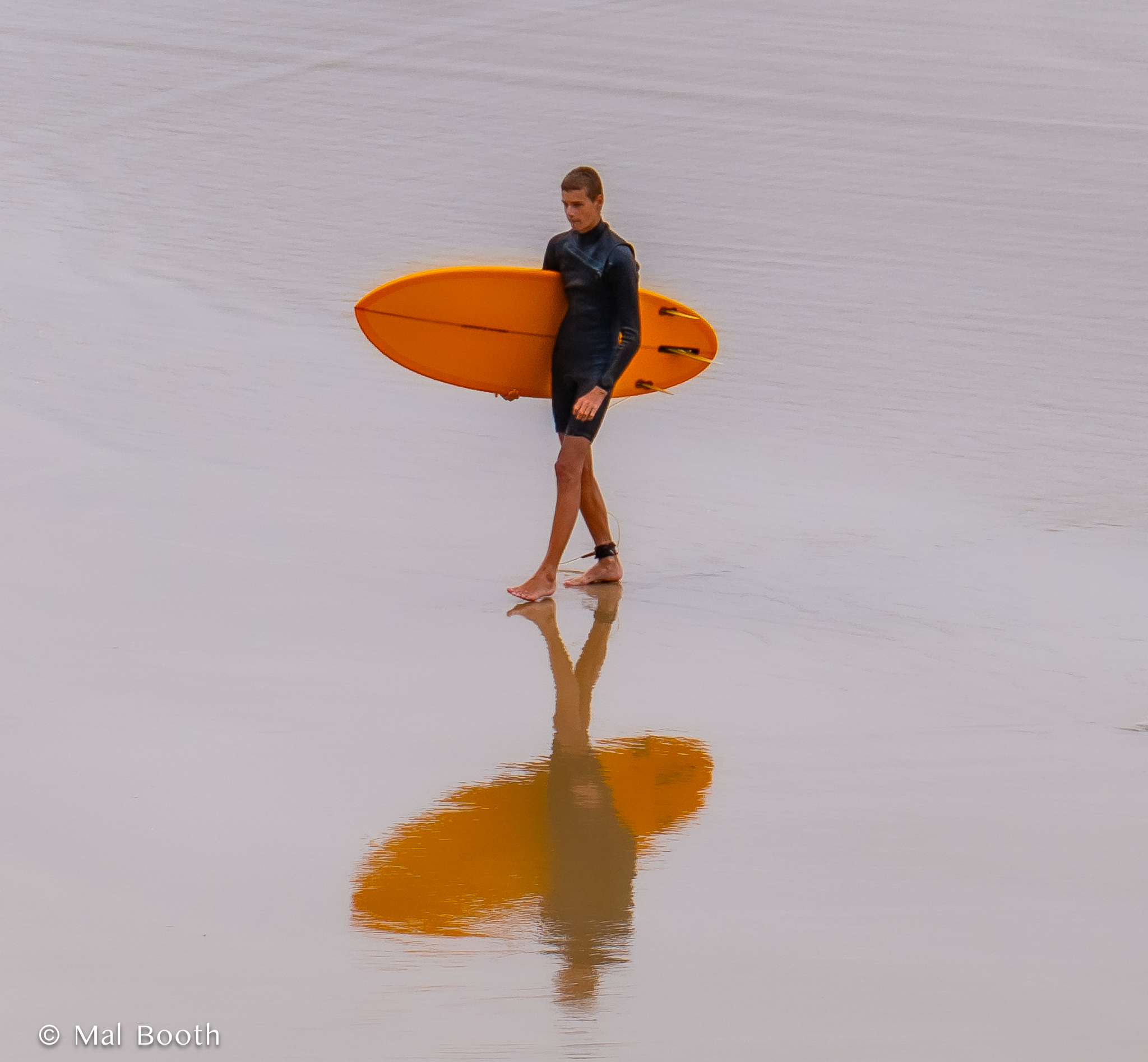


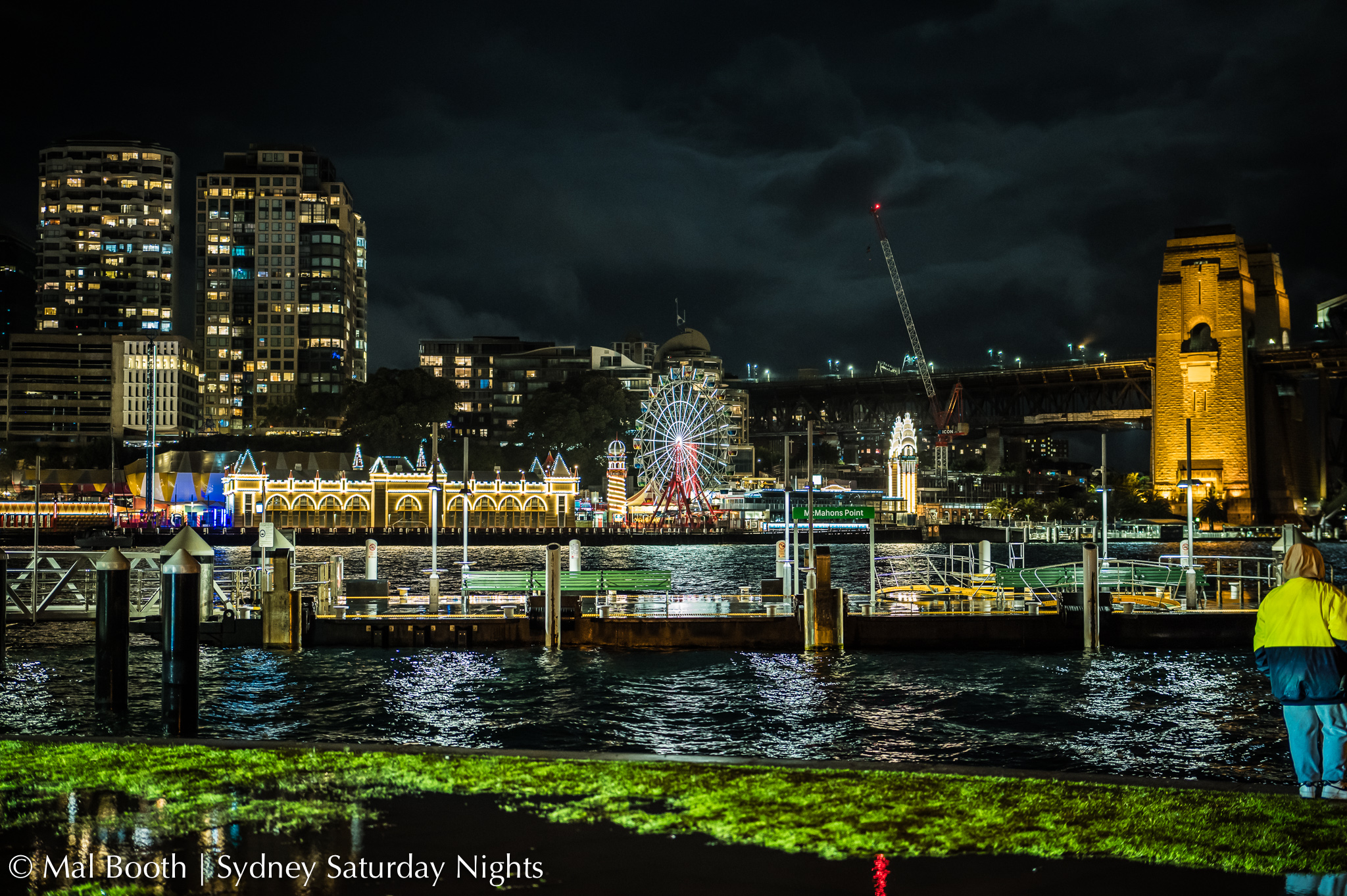
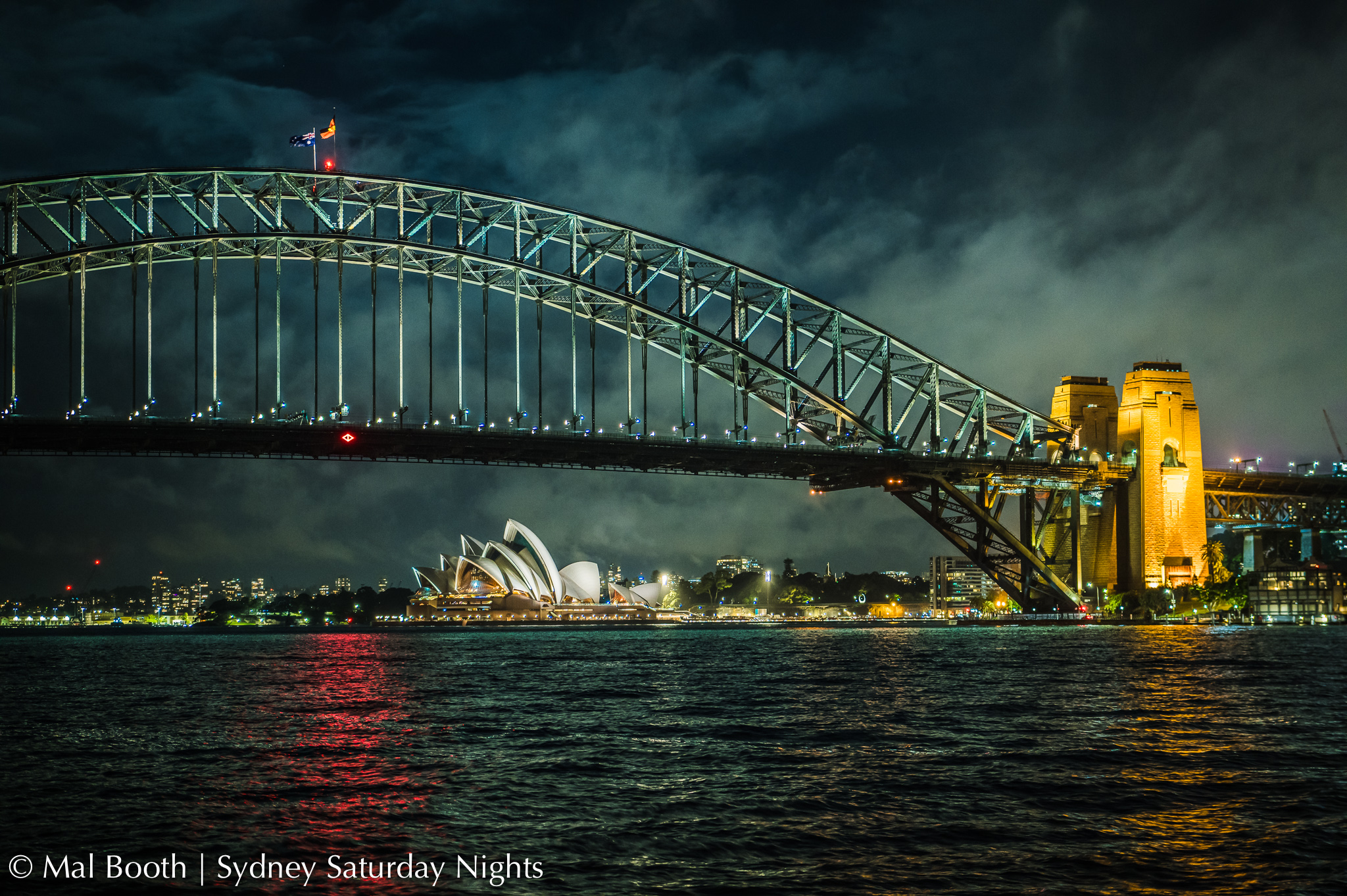
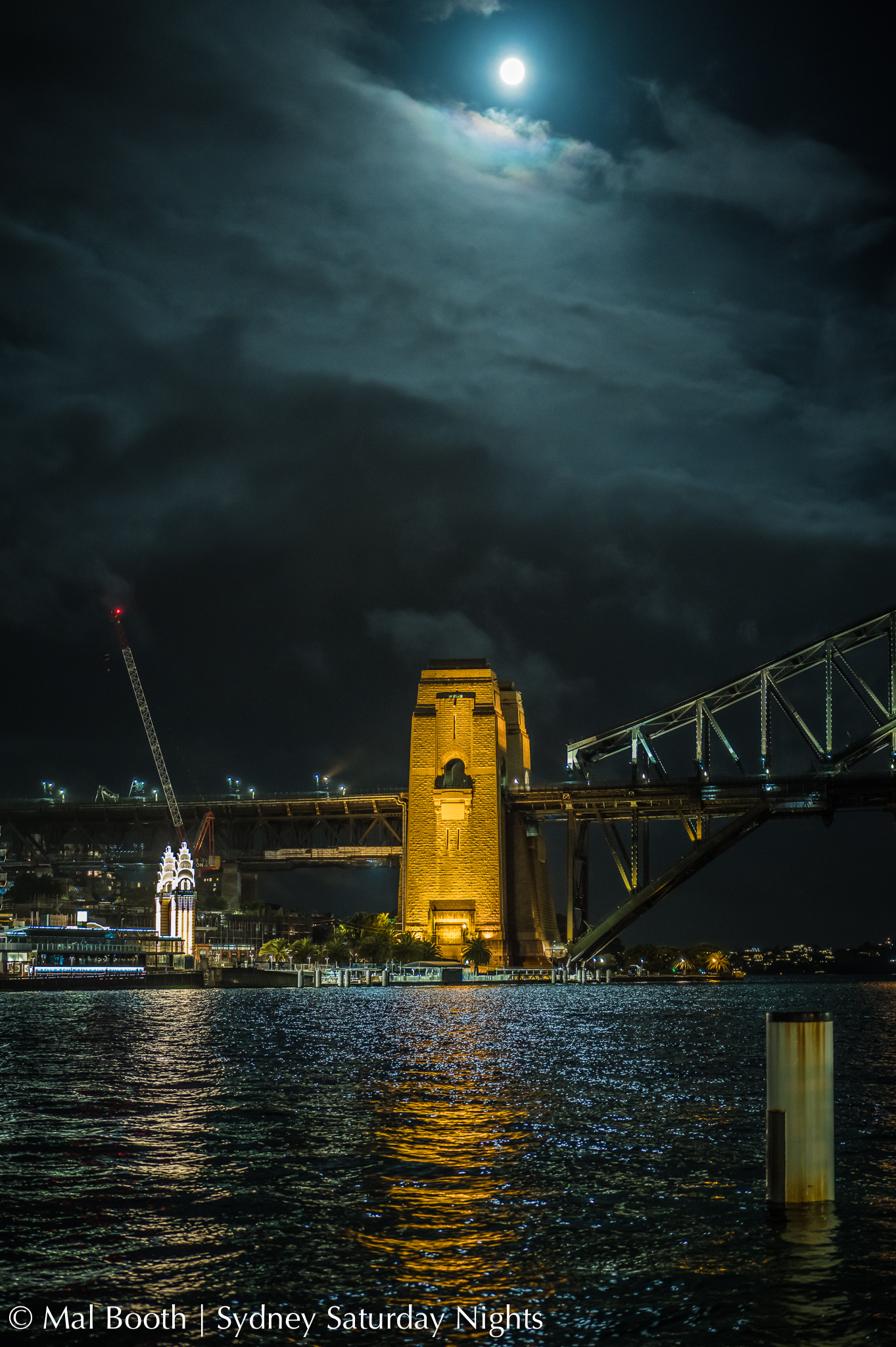
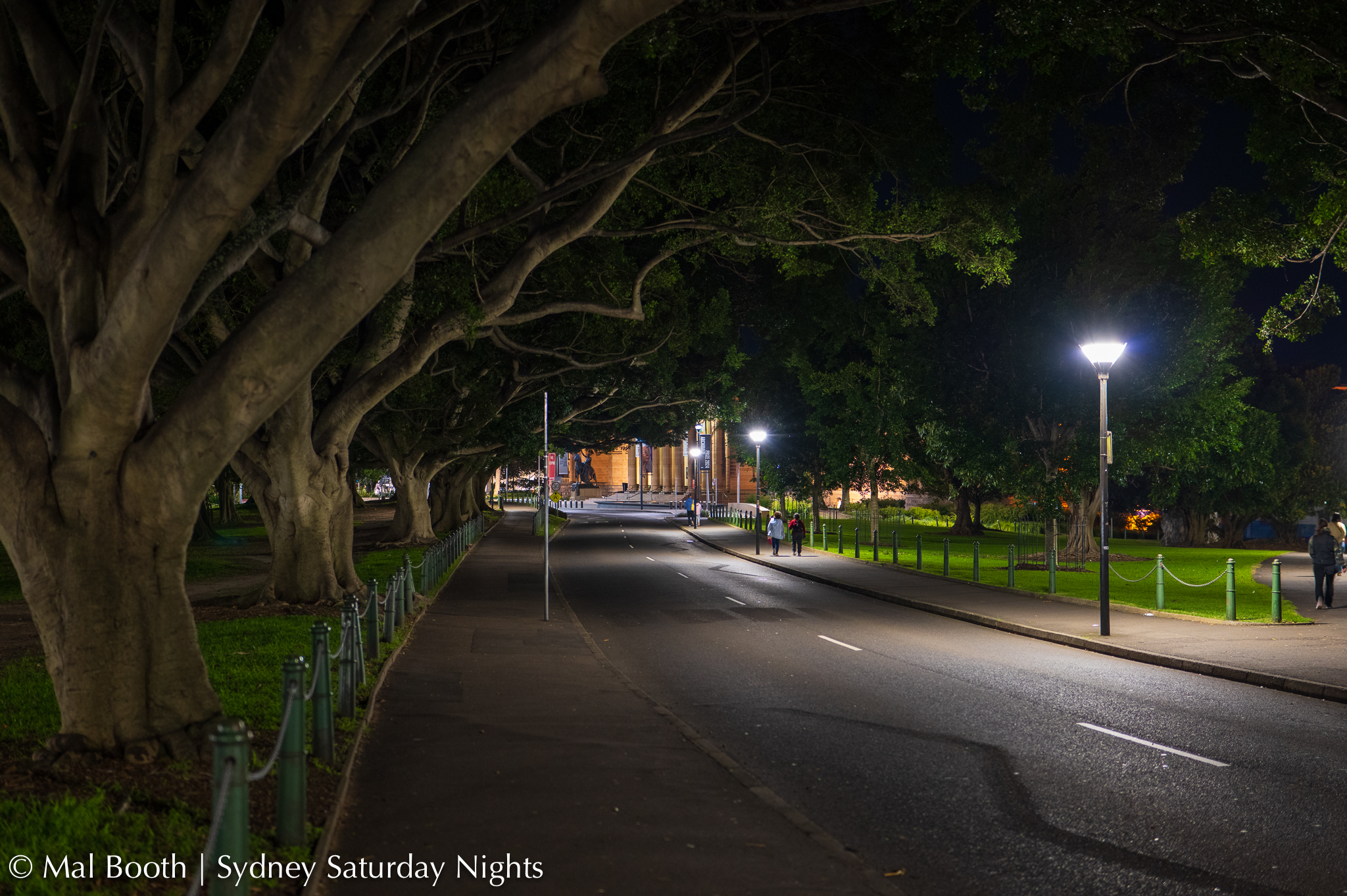
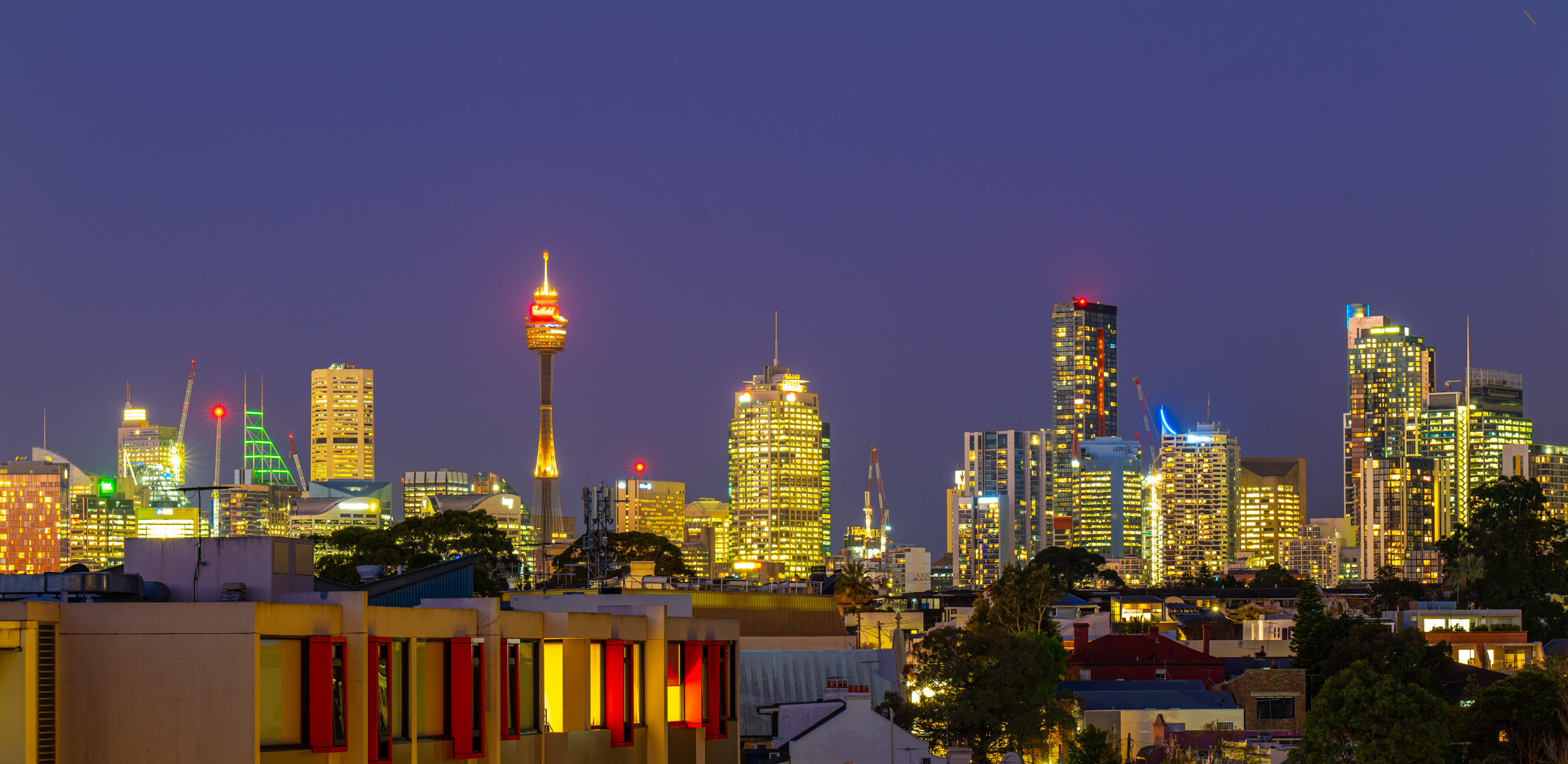
Some Recent Saturday Nights in Sydney
Just a little photo essay on some recent Saturday nights in Sydney.






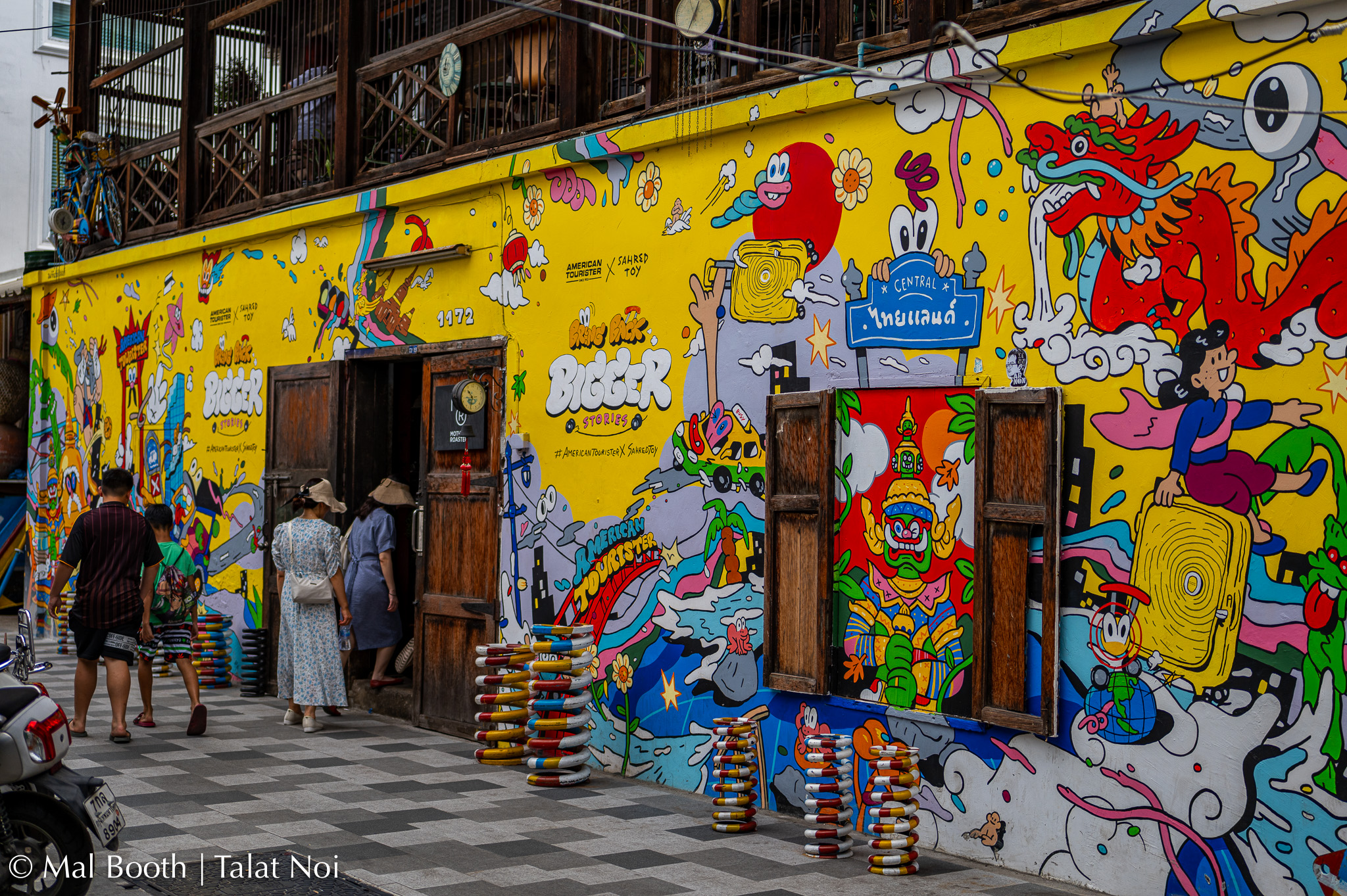
Images From a Week in Bangkok, 2024






Not the Lonely Planet Guide to Tokyo …
I’ve just returned from a couple of weeks in Japan in which I visited Tokyo, Kyoto and Nara. I had plenty of friends who gave me some advice and I bought the latest Lonely Planet guide book to read before departing. I was progressively uploading photos to Flickr during my visit and a couple of people asked me for any tips and recommendations that I had for those about to visit, so I started writing a few notes on things I had found important, fantastic to see/visit and useful for travellers not familiar with Japan.

Before you leave:
Get hold of a recent Lonely Planet or other guide book for Japan and read up on general advice for travellers and their recommendations for the cities or regions you will visit. I thought the latest edition was far too heavy to take with me so just took photos of the pages on the three cities I was visiting and uploaded them to the photos app on my laptop. That, or take some written notes with you.
Download the Google Maps app and learn how to use it “on the run” before you go. It is an absolute necessity. Using it with some bluetooth ear phones is probably wise so you don’t annoy others when you are being guided on a trip.
Download the Google Translate app and learn how to use that too. It is really useful in Japan as people want to help, but often don’t have enough English.
Download some e-sim apps and compare their coverage and data plans. I used FLEXIROAM and found their e-sim had good coverage in Tokyo, Kyoto and Nara. It was also incredibly cheap: about A$28 for 10GB of data over 30 days!
Start using WhatsApp as that will allow you to make phone calls with your e-sim plan and when on wifi, rather than paying for a more expensive (and in my experience less reliable) calls and data sim package.
Get a Revolut (Visa) card and use that for purchases in a foreign currency. It saves on transaction charges and you get the conversion rate on the day of your purchases. You just upload your own A$ to it from your savings and it operates everywhere as a debit card. You can also use it to withdraw some cash (yen) that you will need in some places (train stations, temples, shrines and other tourist attractions that only accept cash).
If you can afford it, line up a local guide for a day or half-day on your first full day as they will help to familiarise you with a few key attractions and the best ways to get around (principally the metro in Tokyo). I used a great one-on-one guide from https://www.toursbylocals.com who was a photographer and he was fantastic in both Tokyo and Kyoto. I noticed that quite a few are booked well in advance. For me these two days were well worth the money. You can search on the expertise of the guides and also on the tours they give.
Find yourself a small and light day-pack for your daily carry items (camera, sunscreen, passport, wallet, ear phones, phone, sun hat, mask, anti-bacterial wipes, etc.). This seems rather obvious, but I forgot to pack mine when travelling to Europe last year and had to buy one in Helsinki.
Get some comfortable sturdy walking shoes. In Japan I was using the metro (subway) and buses extensively and still walking up to 23k steps some days when walking around certain interesting districts, between temples in Kyoto and within parks. I recommend trail running shoes by Karhu (Ikoni Trail) and Salomon (Ultra Glide) because they are both comfortable and have very durable soles.
If you are flying into Tokyo, both airports (Haneda and Nareda) are a long way from the city centre and there are a few options to travel from them to your accomodation. Once you know where you are staying, search for the best option to get to/from the airport and note the closest metro station and the line it is on. Write it all down. A taxi or Uber-taxi will cost upwards of $70. Using the metro or monorail may involve a change of trains, or as I did you may find you are on the right line, but it is a limited express train that does not stop at your closest station (oops!). Be prepared in advance as you may well be tired after a long flight. The staff at the airport train station are very helpful.
When you are there:
Yen coins and notes are really handy, especially for a quick train ticket and at some venues. A little coin purse is handy so they do not spill everywhere.
In Tokyo when using the metro for a whole day the (JR) Value Pass will usually be best and cheapest option, but make sure you collect it when passing through the ticket gates (a one-way ticket is swallowed by the gate). Some private lines are not covered by the metro, so be aware you may need another ticket or pass with broader coverage. If you plan your trip using Google Maps, it will give you a reliable indication of the one-way fare, so get used to looking for it before you depart.
On the metro trains there is a really useful screen above the doors on the inside of the train that updates your progress, hopefully towards and not away from your destination. It flashes in both Japanese and English and stations are also numbered. On some screens it gives you a very accurate indication of the time remaining to get there.
The metro subways are great, but make sure you note the recommended exit and then look for it when you get out at your destination.
If you get off the train and your ticket will not work or you realise that you made a mistake with your fare, look for a “Fare Adjustment Machine” that will usually be either side of the exit gates. You just put your ticket in and it tells you how much more you need to pay. Easy as pie.
Be prepared for crowds or plan to avoid them if possible. I think Tokyo has more than 30 million people in an area smaller than Sydney or Melbourne. It is, however, really efficient at moving them all around. Just remember you’re not the only person on the planet and you’ll be OK. Eventually you’ll find a seat on your train or get to the front of the line.
Convenience stores, drug stores and grocery stores are all over the place. Just search for them. I found 7-11 a better option than Family Mart in convenience stores. You can also easily search for decent cafes and bakeries. Eating options are literally everywhere and at all levels of cost. I didn’t have any bad experiences and a couple of times I had no idea what I was eating.
Uber-taxis are a good option at the end of a long day or when you are tired. Booking it on Uber means you don’t need to hail a taxi and then stuff around with payment transactions at the end of the trip.
Museums are mostly all closed on Mondays, so plan on doing something else, e.g. (gardens and parks, shopping, temples and shrines).
If you plan on shopping or you are one of those people who simply cannot resist a surprise purchase should the opportunity arise, keep your passport with you. (I didn’t as I was scared of losing it!) Some Tokyo stores actually deduct the tax on a machine in their store if you have your passport or even a photo of the main page. I think that can save you around 10% on big purchases.
Some recommendations for things to see and do in Tokyo:
The Tokyo Photographic Art Museum is brilliant and puts on really stimulating and very well curated exhibitions. I saw three there on my visit. It was well worth it and one of the highlights of my whole trip.

The National Museum of Modern Art (MOMAT) has a great permanent collection and usually a wonderful exhibition. I enjoyed a great lunch there in its restaurant. It is very close to both the Imperial Palace and its grounds and famous bridges and the Science Museum (if that is of interest). From there you could easily wander back towards Maranouchi Square and the main Tokyo Station.
Depending on where you are staying it could be worth finding the historic Nihombashi Bridge and then having lunch or getting some food from the nearby Nihombashi Mitsukoshi Main department store.
The Museum of Western Art in Ueno Park has a great permanent collection and I saw a fabulous illuminated manuscript exhibition there too. Nearby you’ll also find the Tokyo Metropolitan Art Museum, the Tokyo National Museum, the National Museum of Nature and Science and the Ueno Royal Museum.
Take a long stroll through Ginza and stop by: Ginza SIX (fabulous shopping mall with boutiques and stores for all and a great rooftop garden): the multi-floor Itoya stationery store; the huge Muji flagship store; and department stores like Mitsukoshi.

Kakimori stationery store in Taito City (perhaps on your way to or from Senso-ji?) that makes its own ink, pens, nibs and provides specialist papers and you can even design your own notebook.
Walk up the busy Nakamise-dori Street to the Senso-ji Shrine & Pagoda and surrounds.
A quick visit to the Tsukiji Hongwan-ji Temple, then walk on to the Tsukiji Outer fish markets and on to the beautiful Hamarikyu Gardens.
Walk the Omotesando Hills shopping strip and walk to and around the Meiji Jingu Shrine park. This could be combined with a visit to the Nezu Museum if you start at the Shrine. The Shibuya Scramble Crossing is not that far away and should not be missed – either afternoon or early evening.
I visited the National Art Centre Tokyo in Roppongi and while the building itself is interesting, I did not enjoy the art exhibitions at all.

The Tokyo Metropolitan Government Building Observation Towers (south or north – free) offer outstanding and 360 degree views high over all of Tokyo and to Mount Fuji on a clear day. You can also wander by the very attractive Mode Gakuen Cocoon Tower (nearby) wander around Shinjuku itself.
Other options, depending on your tastes and what is on include the Sumida Hokusai Museum and the Museum of Contemporary Art, Tokyo, but I ran out of time.
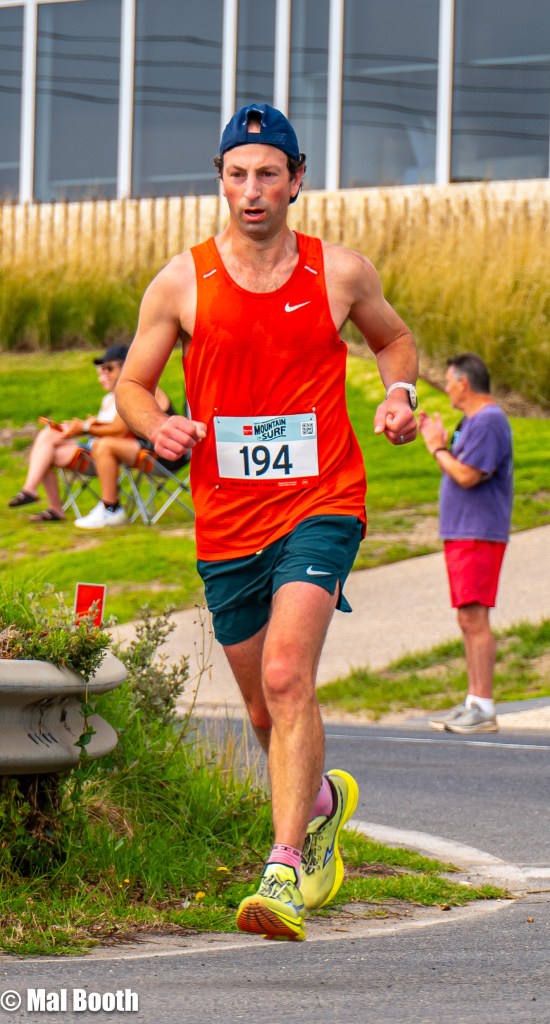
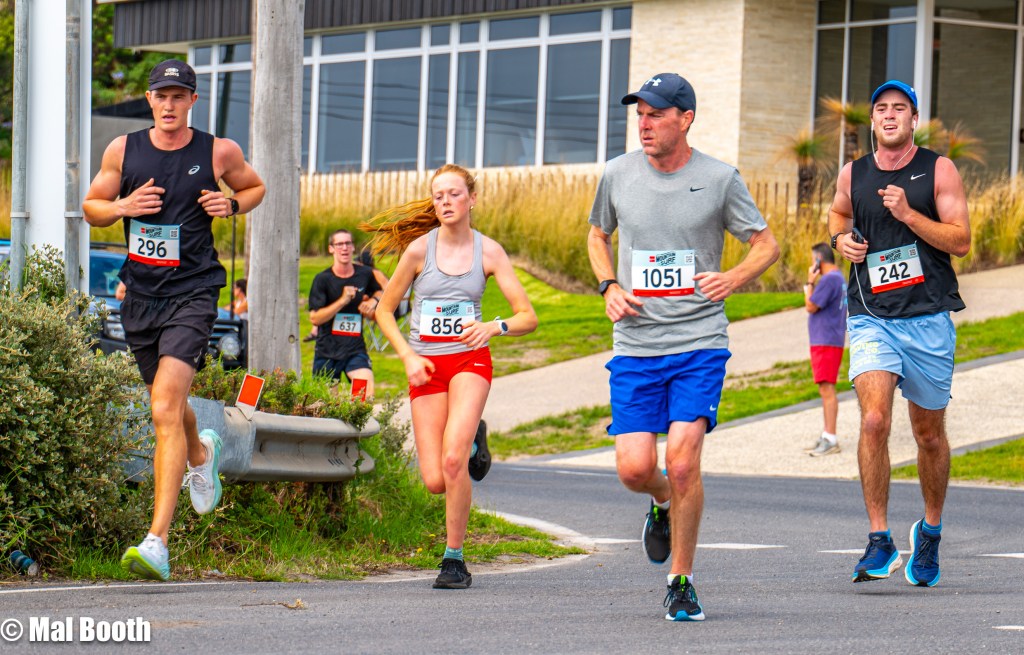
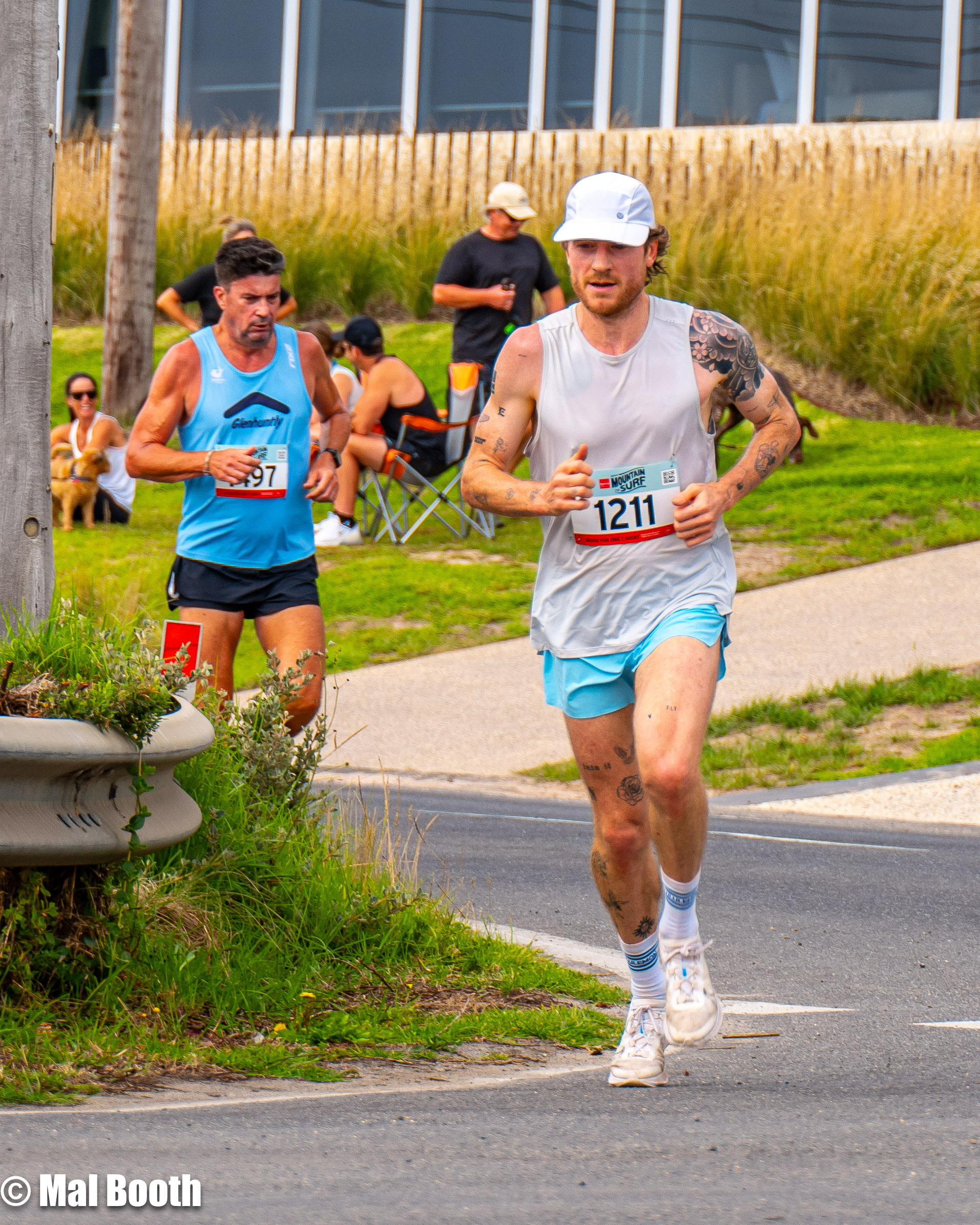
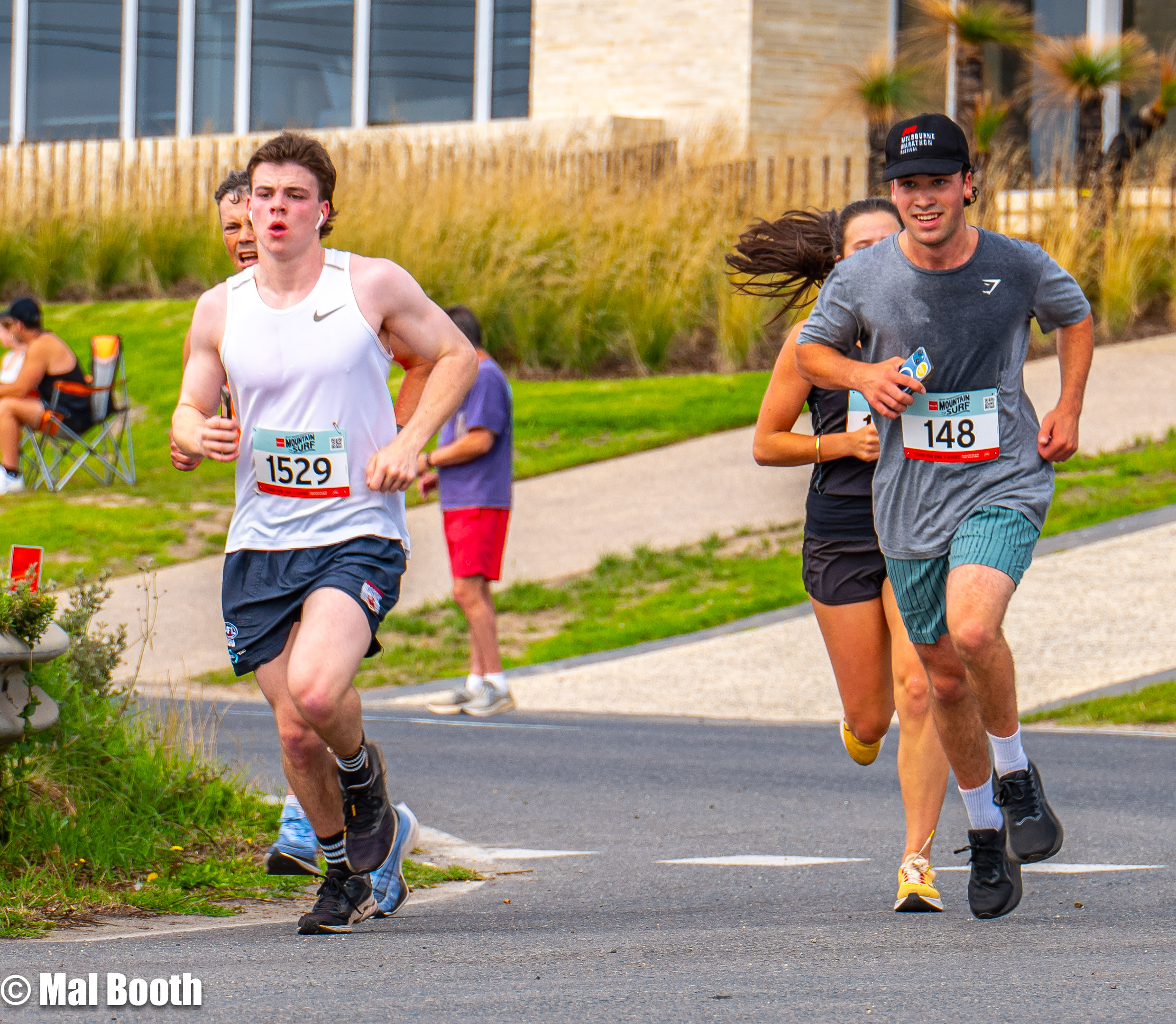
Photos from 2024 Lorne Mountain to Surf Fun Run









Season’s Greetings!

My year started with a visit from Gary so we could go to the 3rd cricket Test against South Africa at the SCG, with Judith and Steven. A day or two were rained out but we did see some play on the final day.
With the remedial work to stop water ingress finally completed, I was able to get all the carpet upstairs replaced, a new sofa bed was delivered, aircon was installed in the spare bedroom and I had a carpenter build in several new bookcases, replacing tired old free-standing bookcases.
I continued my long standing subscription to the ACO with Gregor and we enjoyed the season. I also managed to visit Gregor up in Belmont and we toured the coastal areas up there, north and south of Newcastle, that he knows so well, while also catching up with (cousin) Helen and Terry for lunch on Lake Macquarie. Gregor and I regularly lunched together in Alexandria (when he was not overseas) as he volunteers with the Railway Historical Society nearby.
Henry from our swim squad/gang took me to see my Hawks play his Swans at the SCG early in the AFL season. Hopefully I saw some future grand final champs. Later in the year Henry, Louise and I went to the disastrous The Brian Jonestown Massacre concert in Enmore: a whole ‘nother story!
Easter was with sister Mez, her husband Phil, Jan, Brian and Gregor came down from Newcastle.
I flew to Melbourne on the anniversary of Ken’s death in April so Gary would not be dealing with this in Lorne and Mary also came down for dinner with us which was a wonderful way to celebrate Ken’s life. After this, when Gary was up in Canberra, I drove down to catch up with him, Mary, Karen, Bruce and Georgie for a further celebration of the Kenny.
My big overseas trip was in May to Helsinki and Berlin (again, I know). I saw some wonderful exhibitions and buildings in both cities, took heaps of photographs and finally travelled down to Potsdam from Berlin. I lucked out with great Airbnbs and managed to swim regularly. Flights on Cathay Pacific and Finnair were great.
Soon after this the swim gang all went on an Ocean Swim Safari to Heron Island and this was fantastic. The sea life and swimming were brilliant each day and evenings were spent lingering after dinner together, with too many bottles of wine as there is no internet or TV on the island.
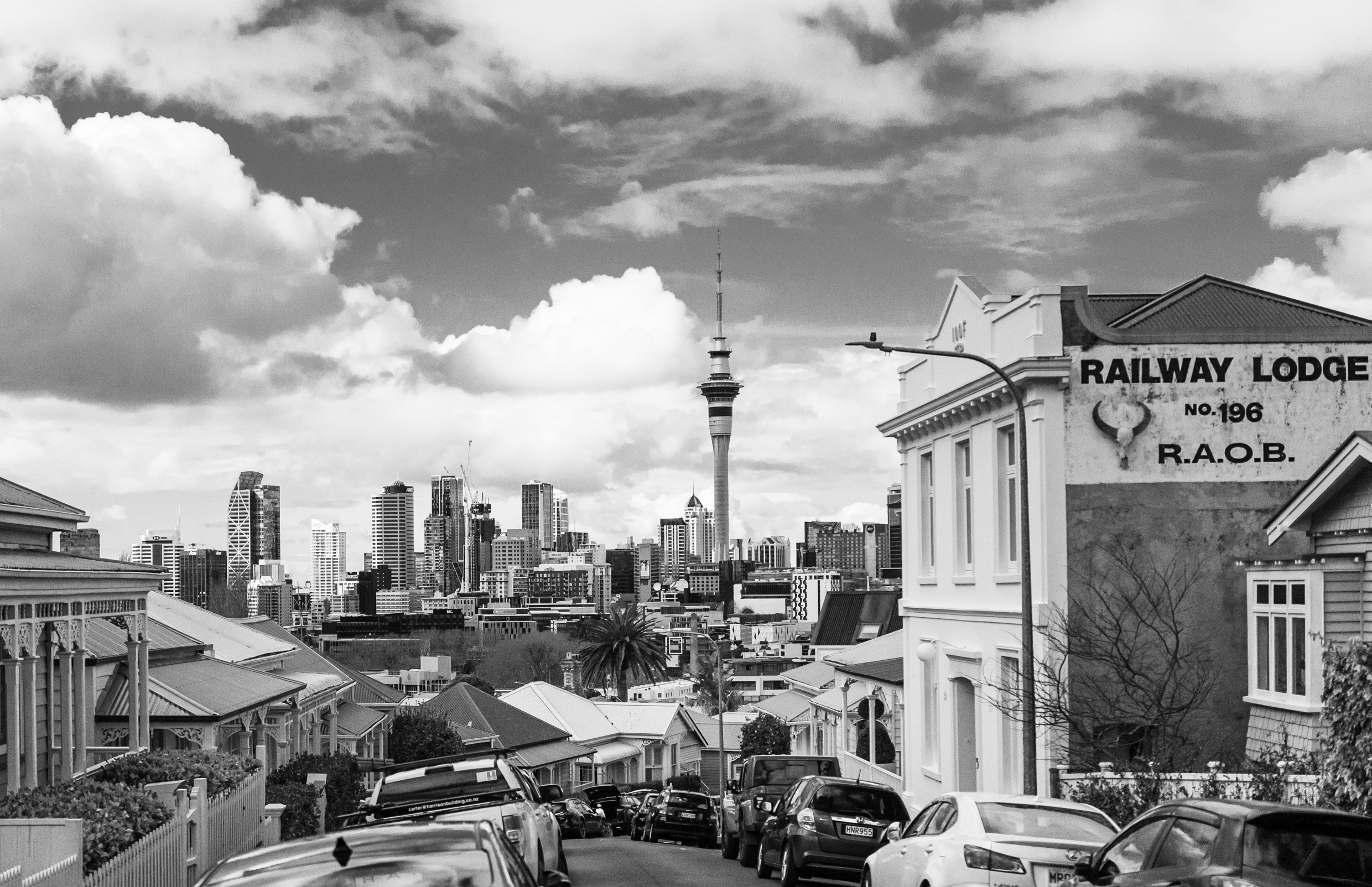
In August I spent a week or so in Auckland, including a few days with Mez & Phil and this was great. We ate well, travelled to Piha, out to Waiheke Island and around greater Auckland.
After this things settled into more regular programming with regular local pub trivia at the Carlisle Castle Hotel on Wednesday nights (in Aanya’s team and she is now an associate member of the swim gang) and drag trivia in Sydenham with the swim gang in November. Some of the swim gang continued our semi-regular Friday night drinks, mostly when Roger was back in town.
Jemima (who had moved to Melbourne for work) flew up in November for Sally’s retirement dinner that we had with Belinda – like old times! I had some catch-ups with Jenny, Ben and Leckie (including Kenny’s 50th) as well as the regular Christmas lunch at Tatts with Mez & Phil, Jan & Brian, Alan & Carole in December. There was also another pre-Xmas lunch on Lake Macquarie with cousins Helen & Terry, Phil & Ros plus Gregor.
In October I joined the Radio Community Chest choir and attended regular Monday night rehearsals in St Stephen’s church, Macquarie St, so I could participate in their 82nd annual presentation of Handel’s Messiah in Sydney Town Hall. (Fortunately this 400-strong choir does not hold auditions!) Virtually the whole swim gang plus Mez & Phil attended on the Saturday performance and Gregor, Marty and Mary attended on the Sunday. I really enjoyed this whole experience, so thanks to Ingrid for her gentle encouragement.
I will try to provide separate updates about my Kindle reading and podcast listening later as usual.
Mary Ex-Moose!
2023: My Year in Images

















 FromMelbin