
Category: Uncategorized
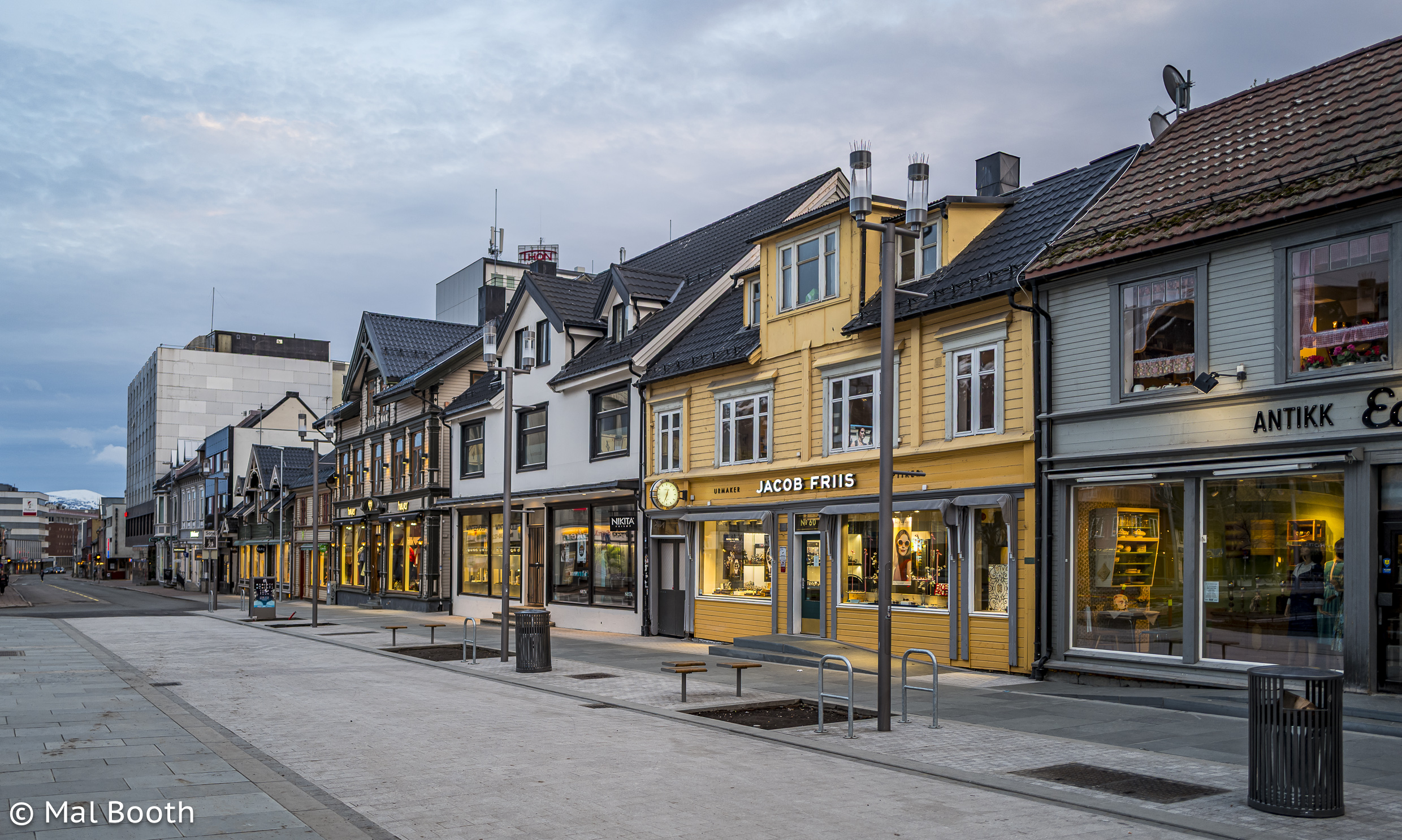
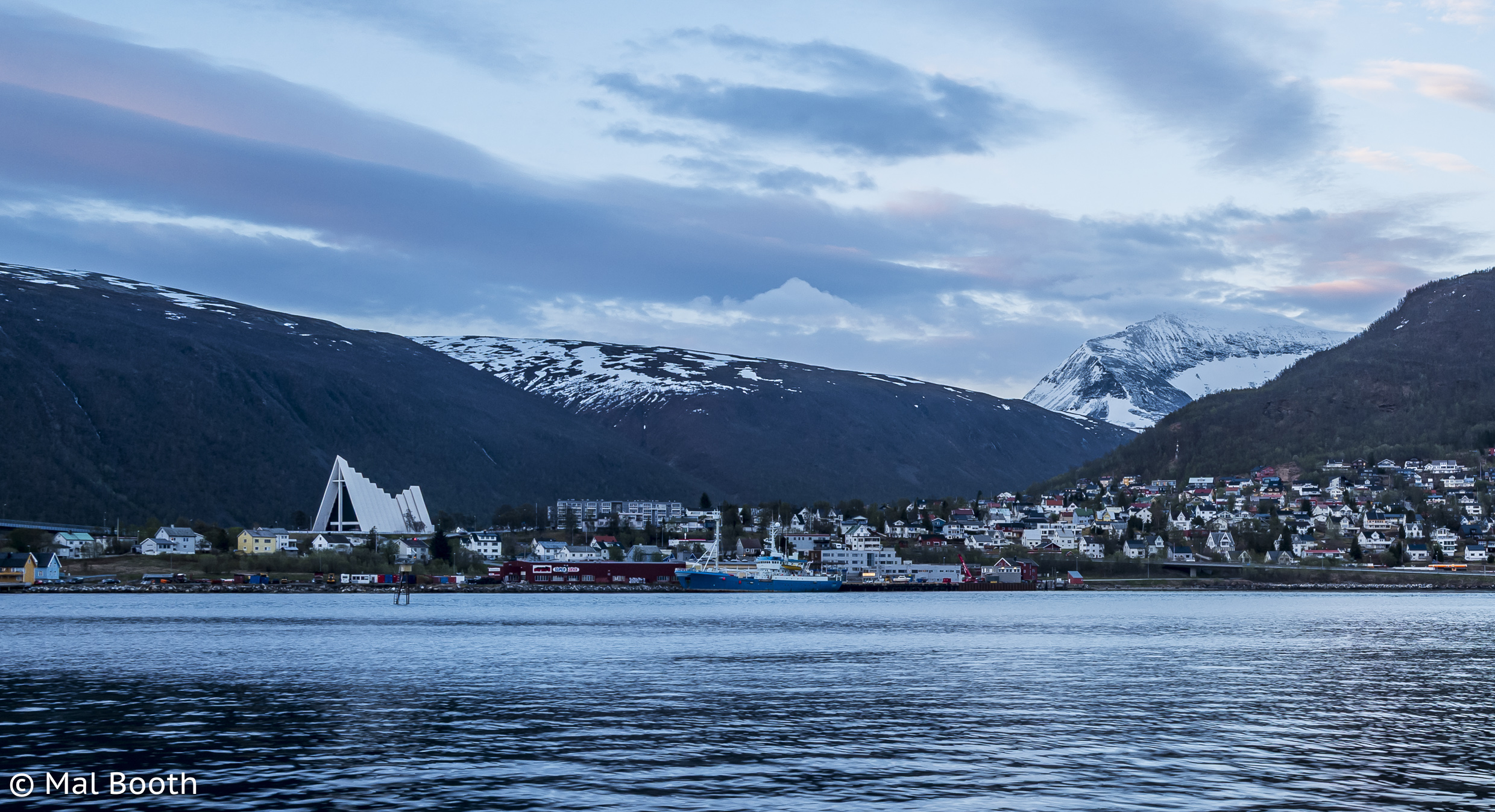
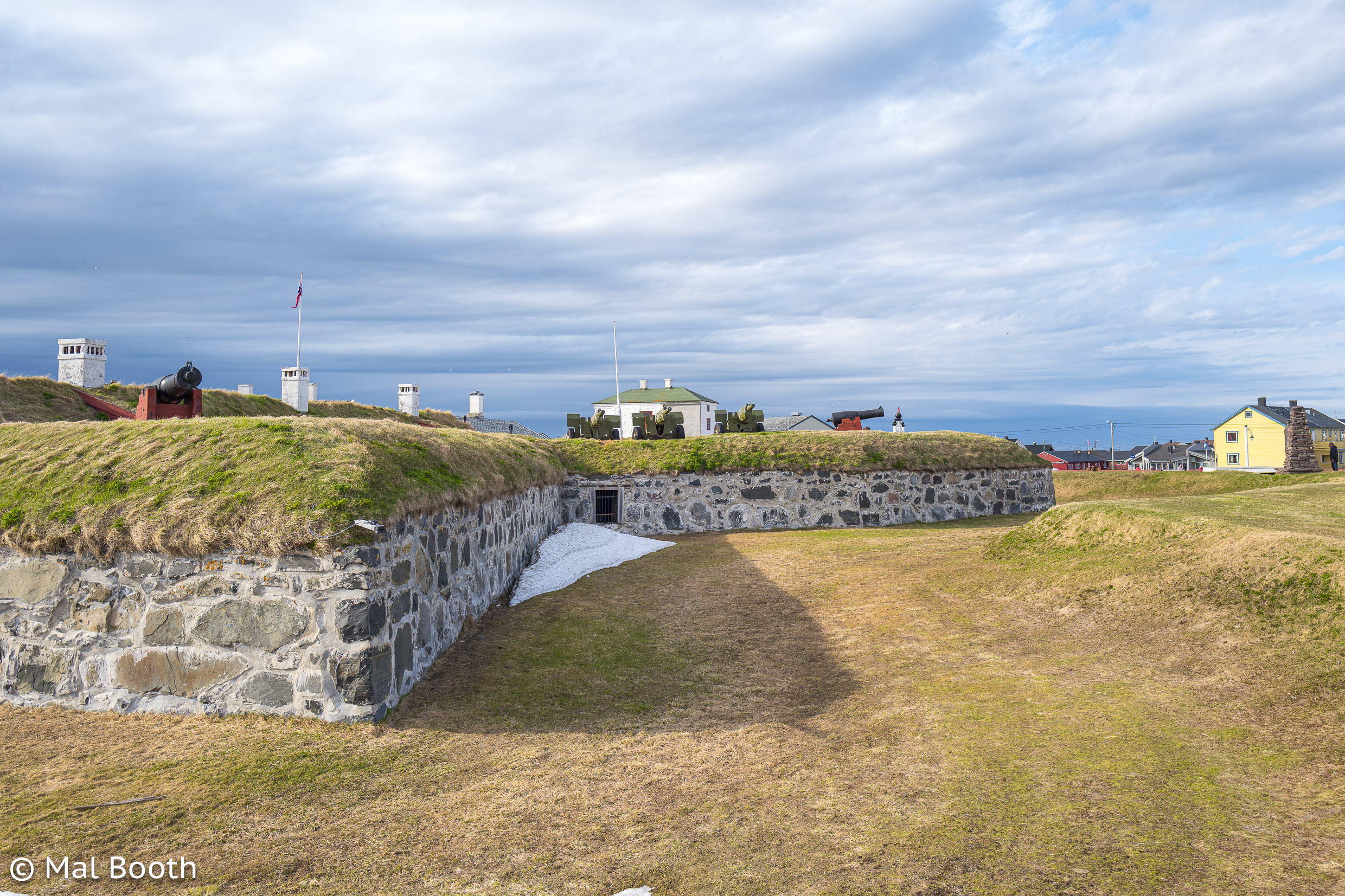
Norway 2018, Revisited
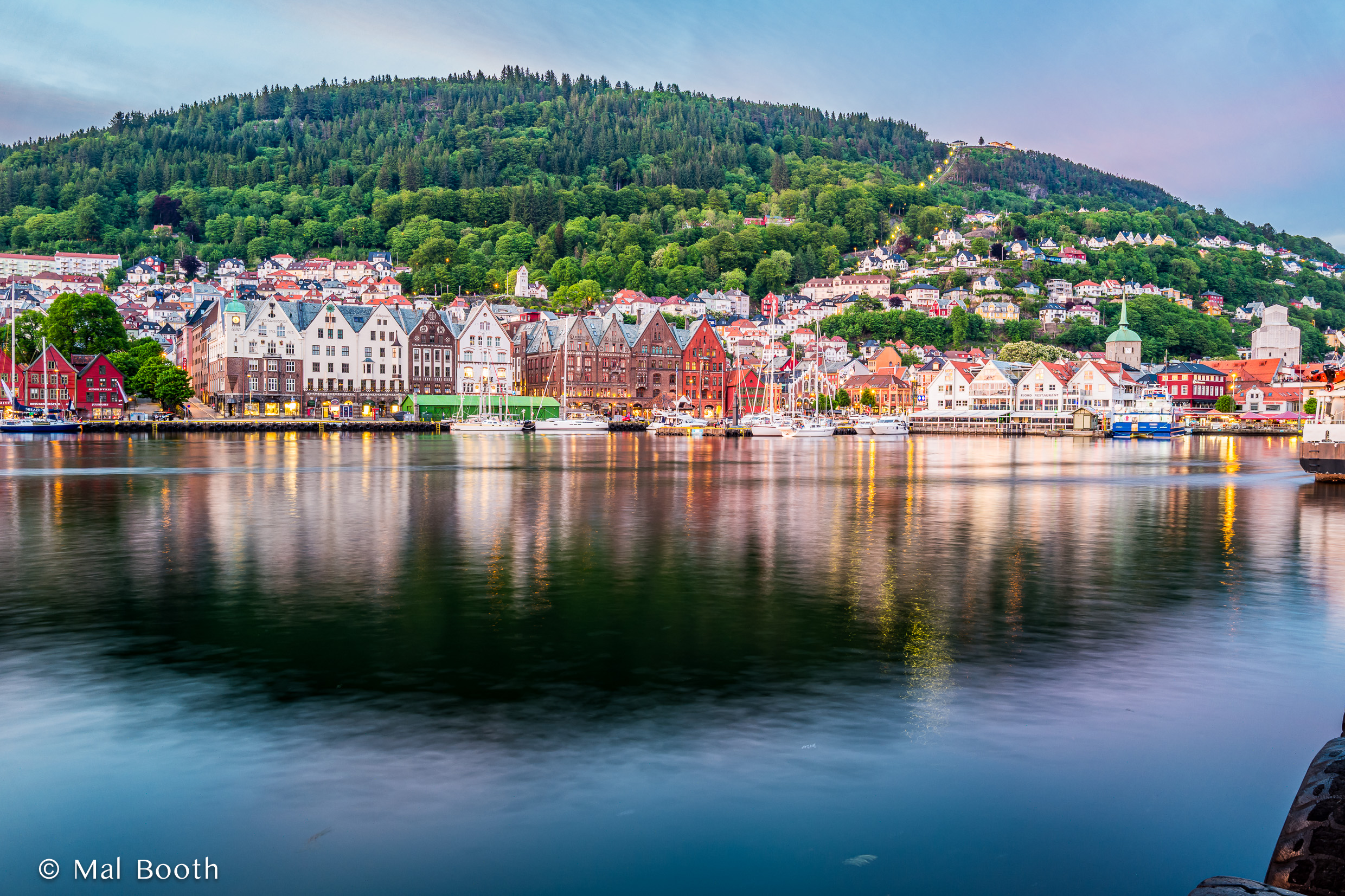
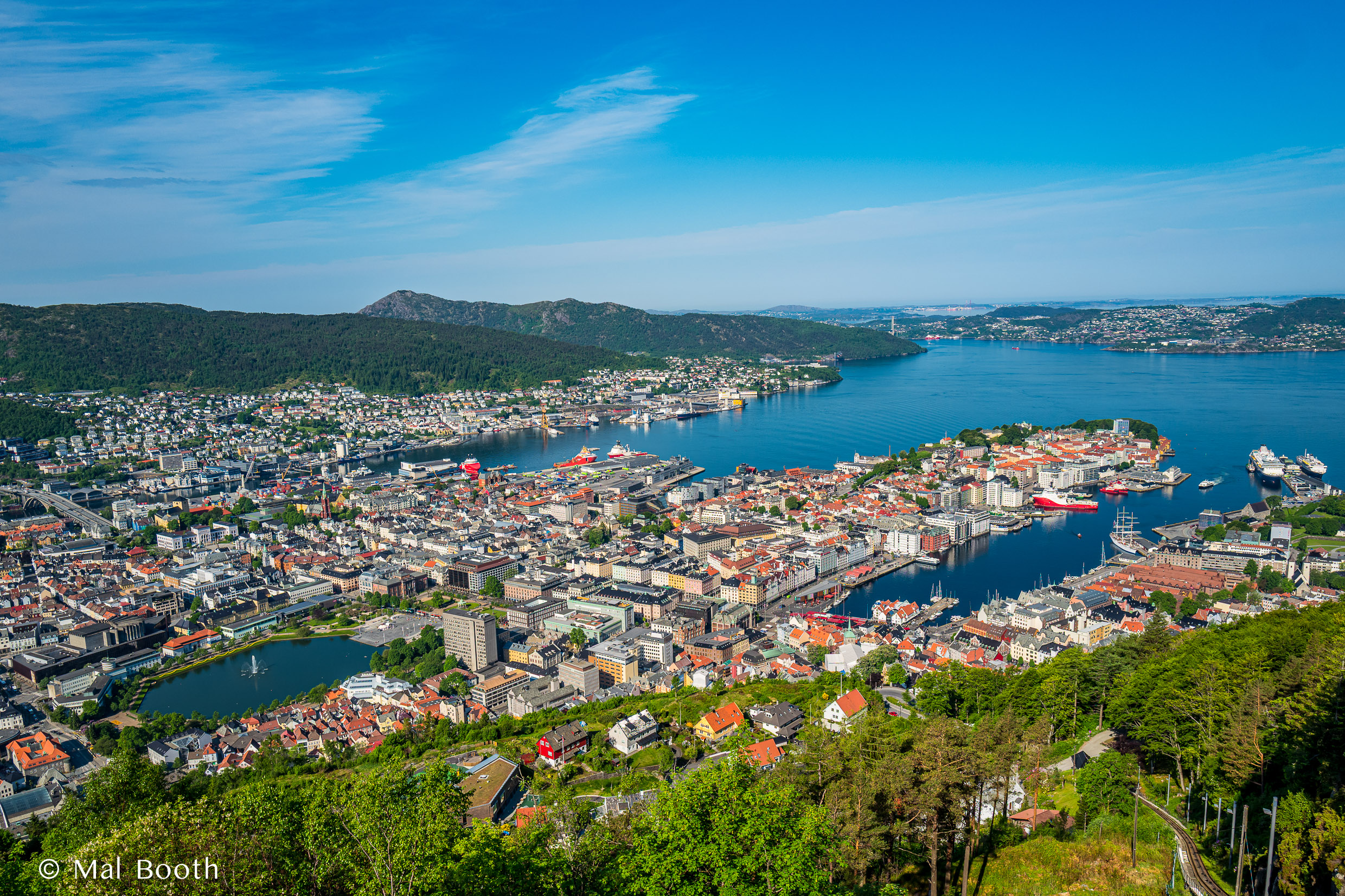
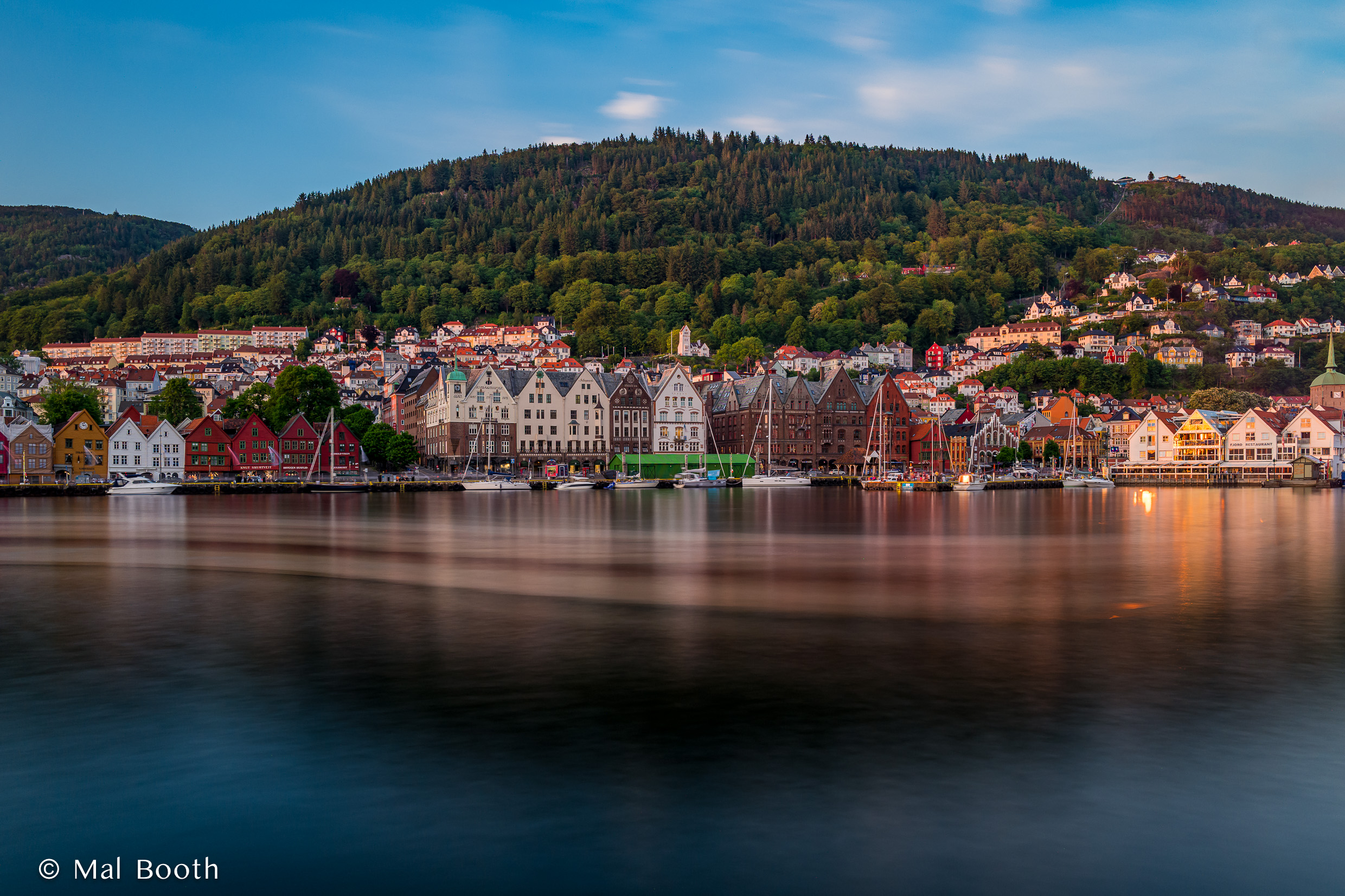
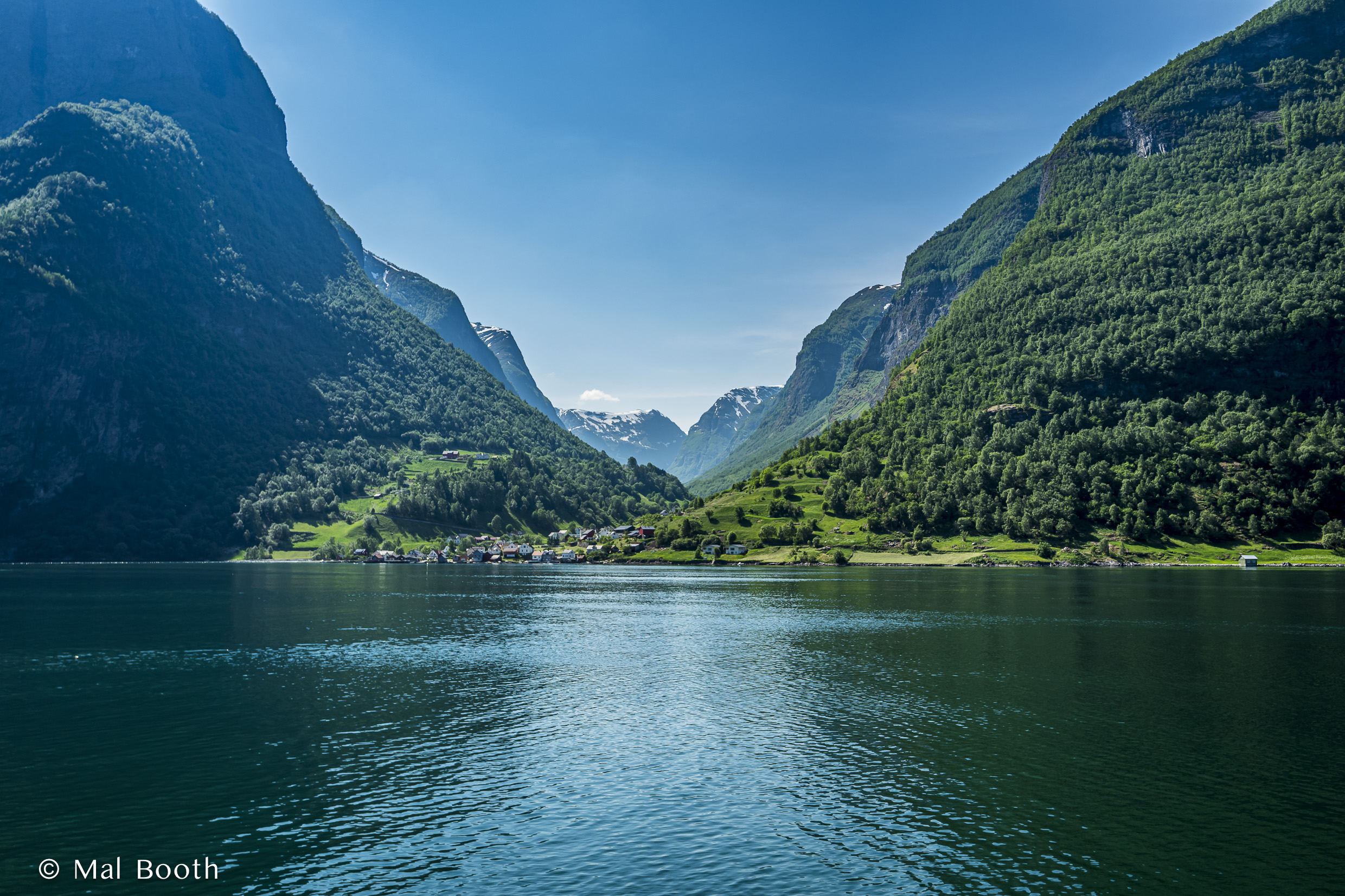
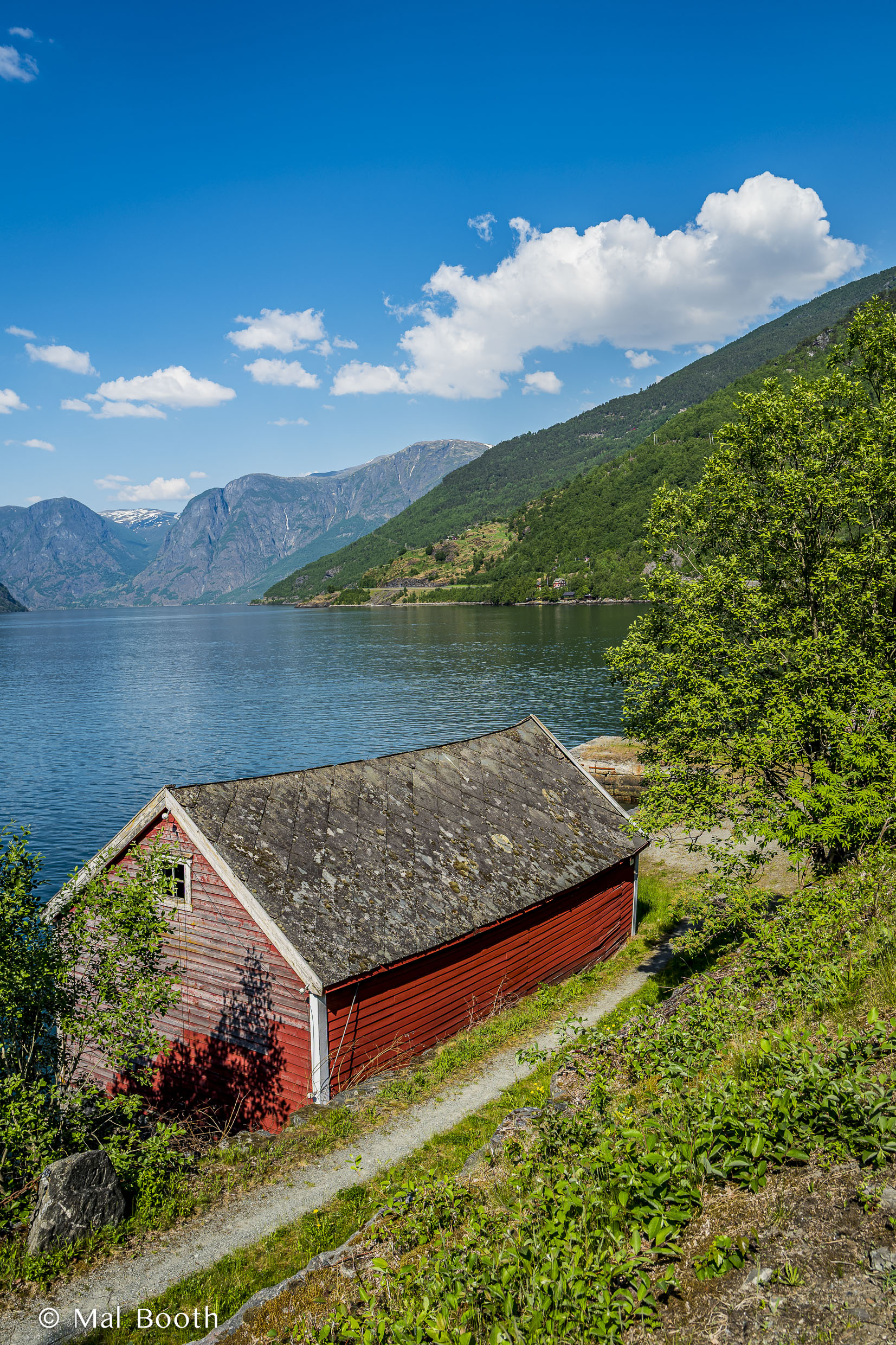
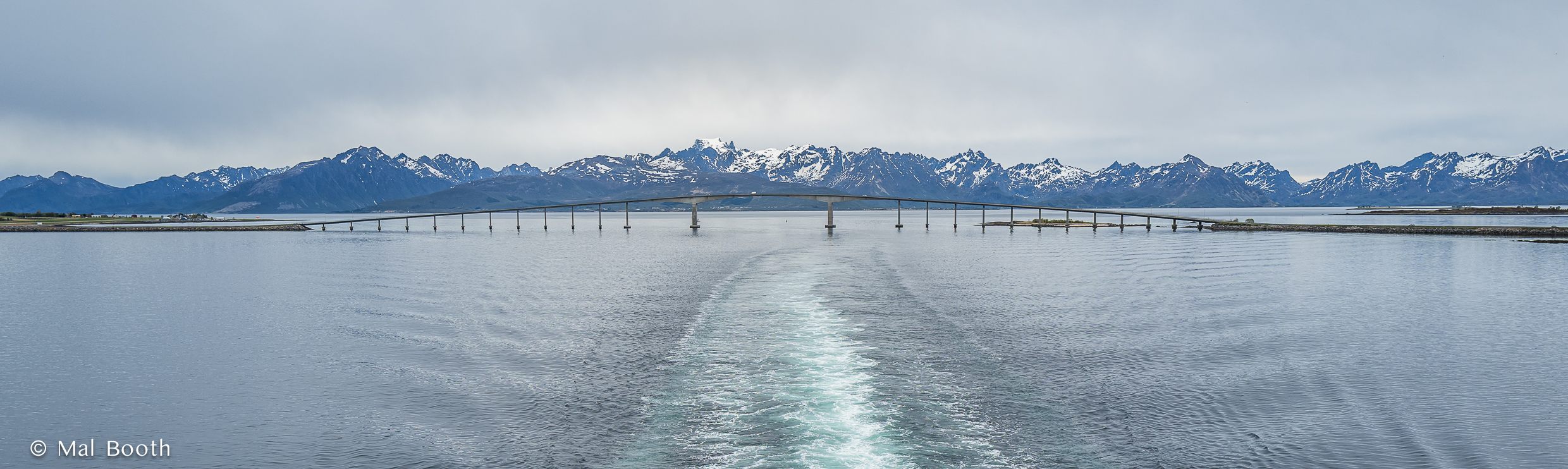
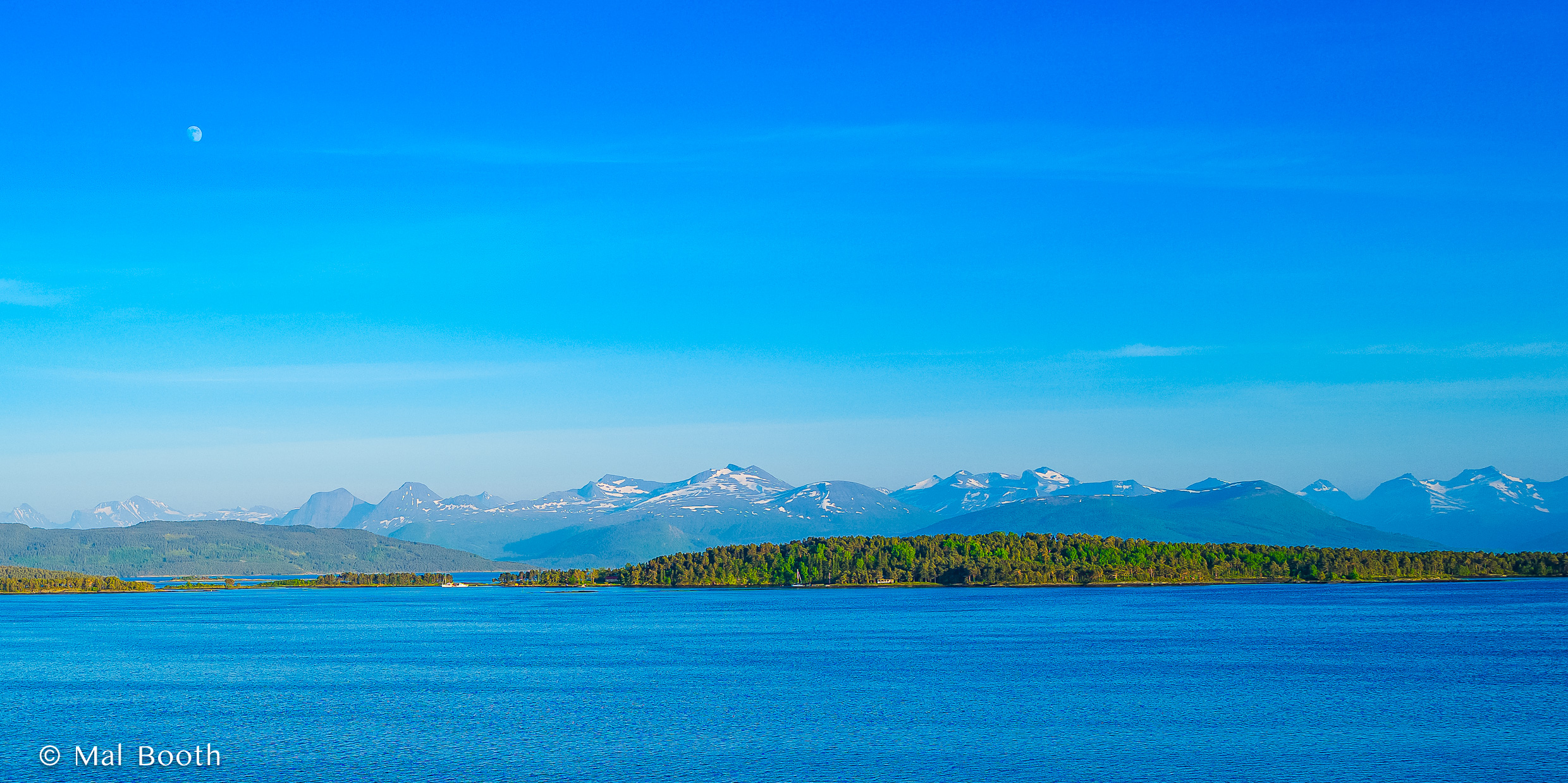
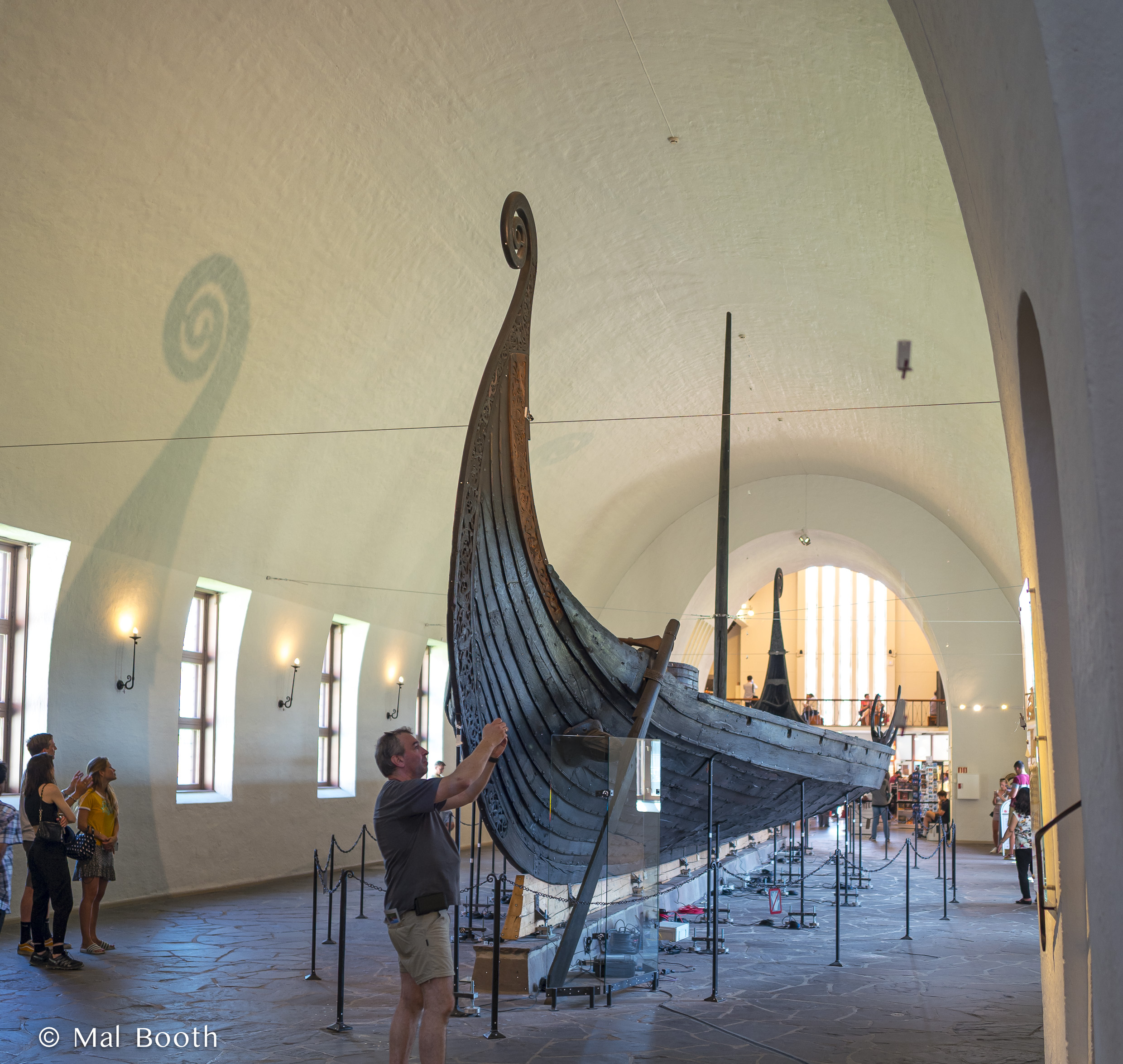
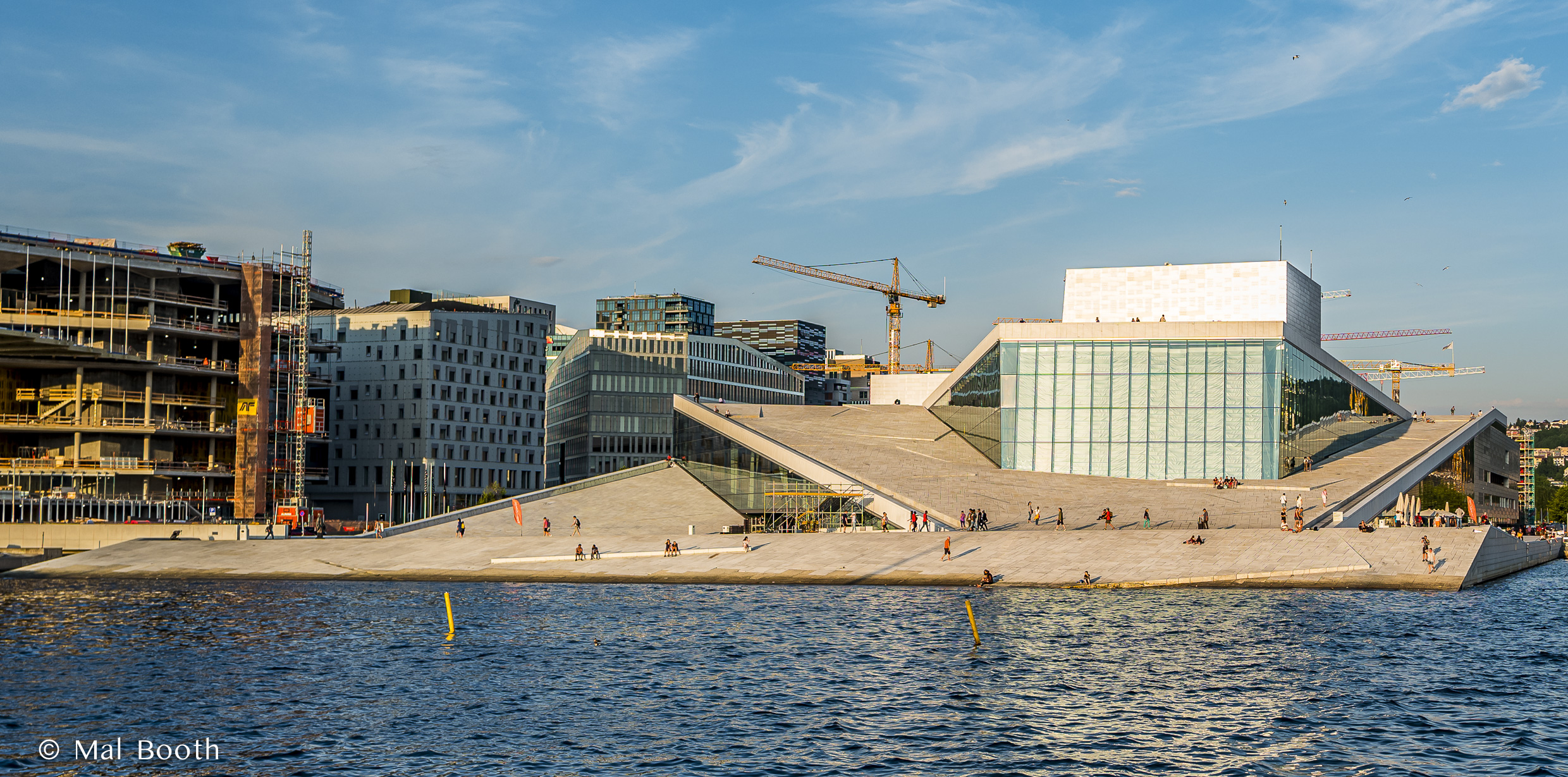
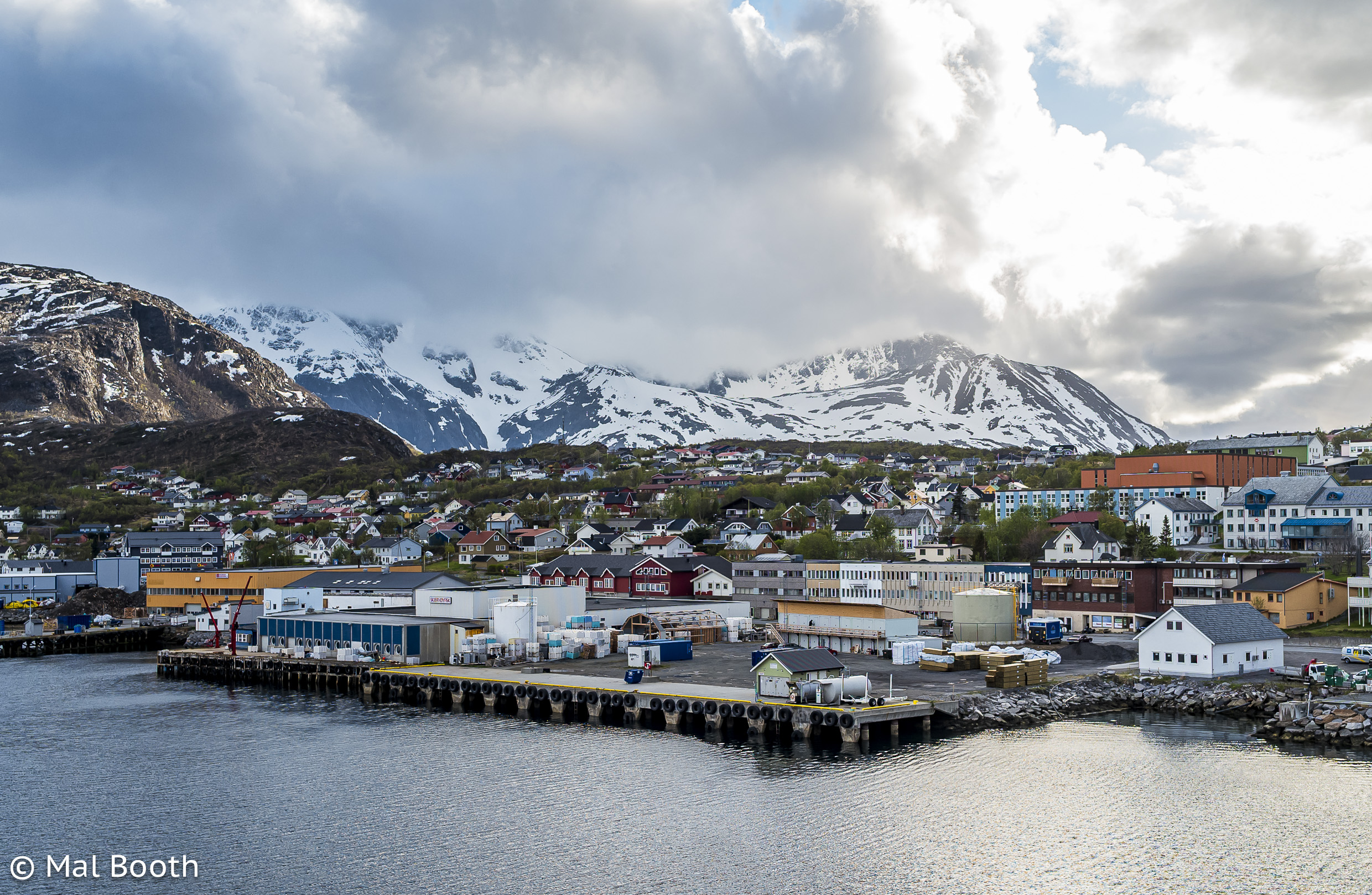
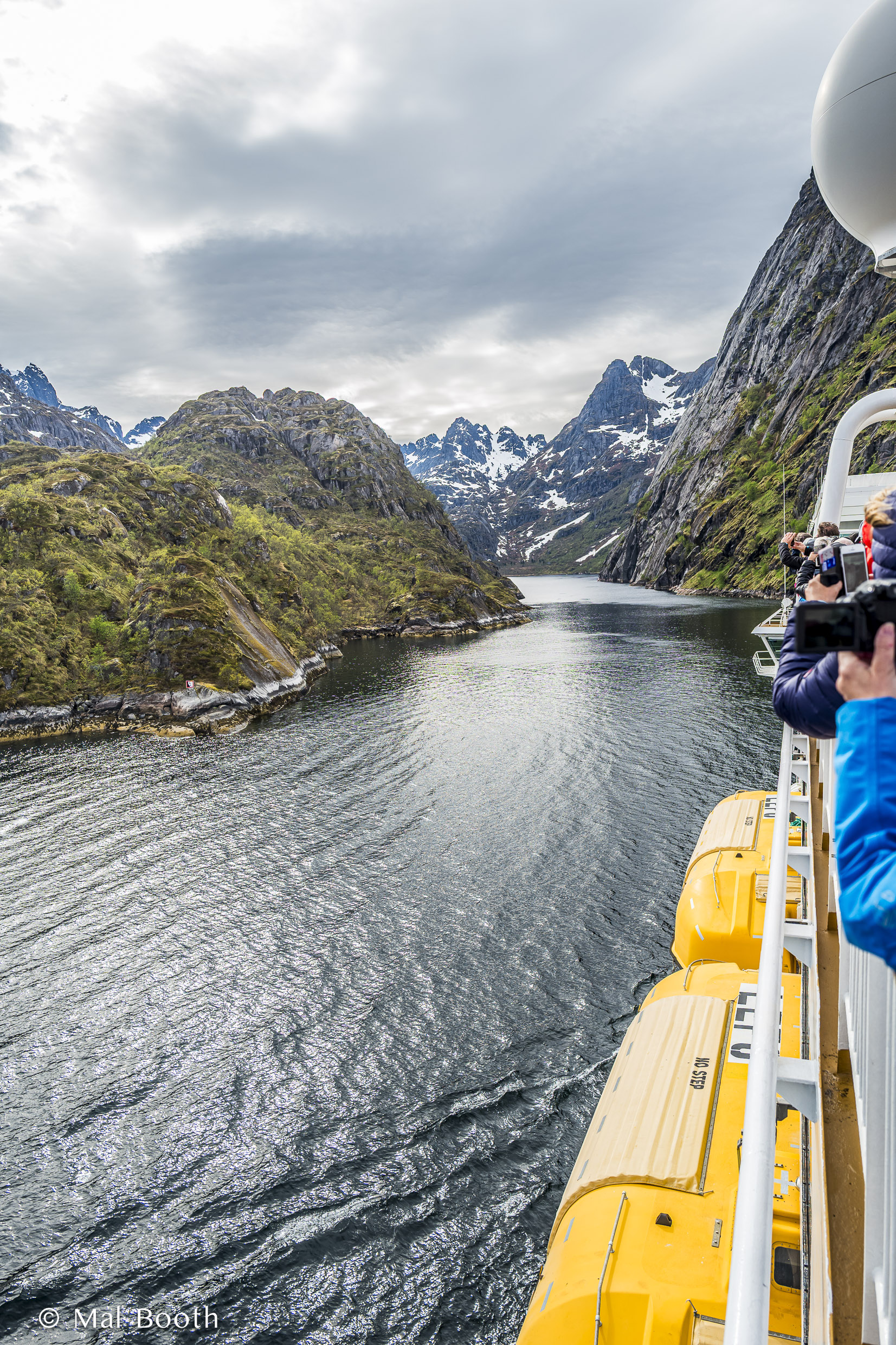
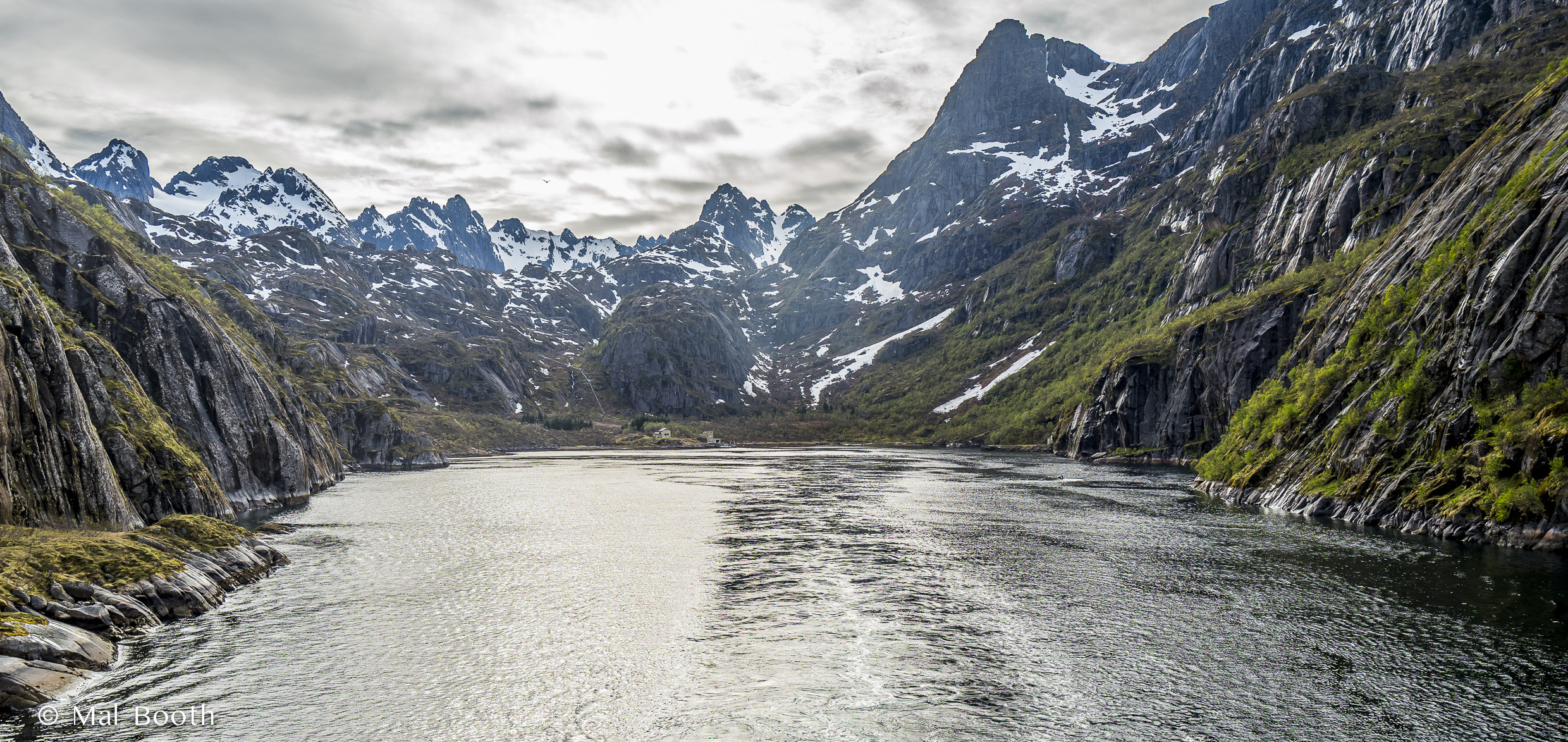
I went on a fantastic trip to Norway with a good friend, Greg. It was my first trip away with a Leica camera (a Q) and I took far too many images and then it all turned into a big muddle as I was editing and uploading on the run with an iPad mini and the whole batch was just a big mess when I got home. Sometime later all those images and their related metadata (locations, places names and edits) were stored on an external hard drive that became corrupted and all I was able to recover were the raw files.
It took me an age to get around to re-editing, re-locating and uploading a selection of several thousand images, but I did manage to complete this recently and about 250 are now on my Flickr account. The gallery below is a selection of those images.


























For ANZAC Day 2025 (some tenuous links)
Over the Easter break, I started watching The Narrow Road to the Deep North miniseries and I ordered Richard Flanagan’s 2014 Booker Prize winning novel that inspired it for my Kindle. I usually feel a bit of a connection to this kind of thing as I am named after my father’s older brother Malcolm who died as a PoW of the Japanese. He had been captured during the fall of Singapore and had served time in Changi and then on the infamous Burma-Thailand Railway, before being repatriated to Japan as slave labour on the Japanese cargo ship Rakuyō Maru. It was torpedoed in September 1944 by a US submarine in the South China Sea and my uncle lost his life along with 1,158 other Australian and British PoWs from that “hellship”.
On Easter Monday I normally try to catch the famous Stawell Gift handicapped pro footrace and after watching that I started to think about what to post for ANZAC Day, something I usually do for the people I swim with regularly in Sydney. After a great deal of thinking and a quick skim of Dr Peter Pedersen’s excellent book The Anzacs: Gallipoli to the Western Front I thought that maybe I could try to come up with a post linking Gallipoli (Day 1), the Stawell Gift (or at least Stawell, the city), PoWs of the Japanese and my family at war. So here we go, mind the step …
It all starts with Captain Joseph Peter “Puss-in-Boots” Lalor who landed at Gallipoli with the 12th Battalion in the second wave on 25 April 1915. A grandson of Peter Lalor of Eureka Stockade fame he had also served in the Royal Navy, the French Foreign Legion and had helped out in a South American revolution before joining the Australian Military. After wading ashore with the family sword, he and his men had dug in just short of the Nek. The 12th Battalion was in reserve.
Elements of the 11th and 12th Battalions had been sent to occupy Baby 700, consolidating there until resuming the advance, but under Lt. Col Mustafa Kemal the Turks who had initially fled the Anzac landing assault, reorganised and started counter-attacking. Baby 700 was regarded as strategically important by both sides and the Australians and then some New Zealand troops made several charges against it during the day, forced back by the Turks each time.
Captain Lalor eventually sent some exhausted troops to the rear and led the remaining 12th Battalion troops forward for the Nek. He came across Captain Leslie Morshead with a platoon of the 2nd Battalion and asked them to join him. Leading a charge, Captain Lalor stood up and was sniped. Captain Morshead survived the first day at Gallipoli and months later he fought at Lone Pine as a Major.

Leslie Morshead is pictured above standing on the right, in a captured Lone Pine trench after the battle in August 1915 with Private James Brown (Jim) Bryant of the 8th Battalion (also standing, facing the camera). Private Bryant from Stawell, Victoria would be awarded the Military Medal in 1918 as a Company Quartermaster Sergeant in the 60th Battalion for “conspicuous gallantry and devotion to duty”. There is another photo of Private Bryant here, on 26 April 1915, also taken with his own camera, by an unknown mate. He re-enlisted as a Lieutenant the 2nd AIF in 1941 and would then survive three years as a PoW in Changi Prison after being captured. He provides a rather tenuous link to the Stawell Gift and also to prisoners of the Japanese. Over 22,000 Australians became prisoners of the Japanese during the Second World War, including Jim Bryant and my uncle Malcolm.
After the Gallipoli campaign, Leslie Morshead was promoted to Lieutenant Colonel and commanded the 33rd Battalion in France from November 1916. He led the battalion successfully through Messines and the Passchendaele campaign of late-1917, was awarded the Distinguished Service Order, and continued to command through the battles at Villers-Bretonneux and Amiens in 1918. His service also continued in the Second World War, initially as a Major General commanding the 9th Australian Division (photo below) during the seige of Tobruk (April-November 1941) and again, as a Lieutenant General (commanding the 2nd AIF and the 9th Division) during both battles of El Alamein in 1942. He was known to his troops at “Ming the Merciless”. Later in the war he would command the Australian I and II Corps in the South West Pacific.

Leslie Morshead and veterans of the 9th Division that he commanded at Tobruk and El Alamein provide the final tenuous link to my family, this time with regard to my father … Robert John Booth (aka Dad) enlisted in the RAAF in early 1944 and served as a Flight Sergeant Navigator in the Pacific at the ripe old age of 19. He would not say much about his war service, but on the odd occasion when he did I remember him telling us of at least one of his pilots being a 9th Division veteran. This man had seen enough of the army during his service at Tobruk and El Alamein, so on return to Australia he transferred to the RAAF and retrained as a pilot. Dad said he was both fearless and as mad as a cut snake. As a young boy I remember Dad taking me to visit a couple of friends and distant relatives for whom he had enormous respect. They were Rats of Tobruk.
Not the Lonely Planet Guide to Tokyo …
I’ve just returned from a couple of weeks in Japan in which I visited Tokyo, Kyoto and Nara. I had plenty of friends who gave me some advice and I bought the latest Lonely Planet guide book to read before departing. I was progressively uploading photos to Flickr during my visit and a couple of people asked me for any tips and recommendations that I had for those about to visit, so I started writing a few notes on things I had found important, fantastic to see/visit and useful for travellers not familiar with Japan.

Before you leave:
Get hold of a recent Lonely Planet or other guide book for Japan and read up on general advice for travellers and their recommendations for the cities or regions you will visit. I thought the latest edition was far too heavy to take with me so just took photos of the pages on the three cities I was visiting and uploaded them to the photos app on my laptop. That, or take some written notes with you.
Download the Google Maps app and learn how to use it “on the run” before you go. It is an absolute necessity. Using it with some bluetooth ear phones is probably wise so you don’t annoy others when you are being guided on a trip.
Download the Google Translate app and learn how to use that too. It is really useful in Japan as people want to help, but often don’t have enough English.
Download some e-sim apps and compare their coverage and data plans. I used FLEXIROAM and found their e-sim had good coverage in Tokyo, Kyoto and Nara. It was also incredibly cheap: about A$28 for 10GB of data over 30 days!
Start using WhatsApp as that will allow you to make phone calls with your e-sim plan and when on wifi, rather than paying for a more expensive (and in my experience less reliable) calls and data sim package.
Get a Revolut (Visa) card and use that for purchases in a foreign currency. It saves on transaction charges and you get the conversion rate on the day of your purchases. You just upload your own A$ to it from your savings and it operates everywhere as a debit card. You can also use it to withdraw some cash (yen) that you will need in some places (train stations, temples, shrines and other tourist attractions that only accept cash).
If you can afford it, line up a local guide for a day or half-day on your first full day as they will help to familiarise you with a few key attractions and the best ways to get around (principally the metro in Tokyo). I used a great one-on-one guide from https://www.toursbylocals.com who was a photographer and he was fantastic in both Tokyo and Kyoto. I noticed that quite a few are booked well in advance. For me these two days were well worth the money. You can search on the expertise of the guides and also on the tours they give.
Find yourself a small and light day-pack for your daily carry items (camera, sunscreen, passport, wallet, ear phones, phone, sun hat, mask, anti-bacterial wipes, etc.). This seems rather obvious, but I forgot to pack mine when travelling to Europe last year and had to buy one in Helsinki.
Get some comfortable sturdy walking shoes. In Japan I was using the metro (subway) and buses extensively and still walking up to 23k steps some days when walking around certain interesting districts, between temples in Kyoto and within parks. I recommend trail running shoes by Karhu (Ikoni Trail) and Salomon (Ultra Glide) because they are both comfortable and have very durable soles.
If you are flying into Tokyo, both airports (Haneda and Nareda) are a long way from the city centre and there are a few options to travel from them to your accomodation. Once you know where you are staying, search for the best option to get to/from the airport and note the closest metro station and the line it is on. Write it all down. A taxi or Uber-taxi will cost upwards of $70. Using the metro or monorail may involve a change of trains, or as I did you may find you are on the right line, but it is a limited express train that does not stop at your closest station (oops!). Be prepared in advance as you may well be tired after a long flight. The staff at the airport train station are very helpful.
When you are there:
Yen coins and notes are really handy, especially for a quick train ticket and at some venues. A little coin purse is handy so they do not spill everywhere.
In Tokyo when using the metro for a whole day the (JR) Value Pass will usually be best and cheapest option, but make sure you collect it when passing through the ticket gates (a one-way ticket is swallowed by the gate). Some private lines are not covered by the metro, so be aware you may need another ticket or pass with broader coverage. If you plan your trip using Google Maps, it will give you a reliable indication of the one-way fare, so get used to looking for it before you depart.
On the metro trains there is a really useful screen above the doors on the inside of the train that updates your progress, hopefully towards and not away from your destination. It flashes in both Japanese and English and stations are also numbered. On some screens it gives you a very accurate indication of the time remaining to get there.
The metro subways are great, but make sure you note the recommended exit and then look for it when you get out at your destination.
If you get off the train and your ticket will not work or you realise that you made a mistake with your fare, look for a “Fare Adjustment Machine” that will usually be either side of the exit gates. You just put your ticket in and it tells you how much more you need to pay. Easy as pie.
Be prepared for crowds or plan to avoid them if possible. I think Tokyo has more than 30 million people in an area smaller than Sydney or Melbourne. It is, however, really efficient at moving them all around. Just remember you’re not the only person on the planet and you’ll be OK. Eventually you’ll find a seat on your train or get to the front of the line.
Convenience stores, drug stores and grocery stores are all over the place. Just search for them. I found 7-11 a better option than Family Mart in convenience stores. You can also easily search for decent cafes and bakeries. Eating options are literally everywhere and at all levels of cost. I didn’t have any bad experiences and a couple of times I had no idea what I was eating.
Uber-taxis are a good option at the end of a long day or when you are tired. Booking it on Uber means you don’t need to hail a taxi and then stuff around with payment transactions at the end of the trip.
Museums are mostly all closed on Mondays, so plan on doing something else, e.g. (gardens and parks, shopping, temples and shrines).
If you plan on shopping or you are one of those people who simply cannot resist a surprise purchase should the opportunity arise, keep your passport with you. (I didn’t as I was scared of losing it!) Some Tokyo stores actually deduct the tax on a machine in their store if you have your passport or even a photo of the main page. I think that can save you around 10% on big purchases.
Some recommendations for things to see and do in Tokyo:
The Tokyo Photographic Art Museum is brilliant and puts on really stimulating and very well curated exhibitions. I saw three there on my visit. It was well worth it and one of the highlights of my whole trip.

The National Museum of Modern Art (MOMAT) has a great permanent collection and usually a wonderful exhibition. I enjoyed a great lunch there in its restaurant. It is very close to both the Imperial Palace and its grounds and famous bridges and the Science Museum (if that is of interest). From there you could easily wander back towards Maranouchi Square and the main Tokyo Station.
Depending on where you are staying it could be worth finding the historic Nihombashi Bridge and then having lunch or getting some food from the nearby Nihombashi Mitsukoshi Main department store.
The Museum of Western Art in Ueno Park has a great permanent collection and I saw a fabulous illuminated manuscript exhibition there too. Nearby you’ll also find the Tokyo Metropolitan Art Museum, the Tokyo National Museum, the National Museum of Nature and Science and the Ueno Royal Museum.
Take a long stroll through Ginza and stop by: Ginza SIX (fabulous shopping mall with boutiques and stores for all and a great rooftop garden): the multi-floor Itoya stationery store; the huge Muji flagship store; and department stores like Mitsukoshi.

Kakimori stationery store in Taito City (perhaps on your way to or from Senso-ji?) that makes its own ink, pens, nibs and provides specialist papers and you can even design your own notebook.
Walk up the busy Nakamise-dori Street to the Senso-ji Shrine & Pagoda and surrounds.
A quick visit to the Tsukiji Hongwan-ji Temple, then walk on to the Tsukiji Outer fish markets and on to the beautiful Hamarikyu Gardens.
Walk the Omotesando Hills shopping strip and walk to and around the Meiji Jingu Shrine park. This could be combined with a visit to the Nezu Museum if you start at the Shrine. The Shibuya Scramble Crossing is not that far away and should not be missed – either afternoon or early evening.
I visited the National Art Centre Tokyo in Roppongi and while the building itself is interesting, I did not enjoy the art exhibitions at all.

The Tokyo Metropolitan Government Building Observation Towers (south or north – free) offer outstanding and 360 degree views high over all of Tokyo and to Mount Fuji on a clear day. You can also wander by the very attractive Mode Gakuen Cocoon Tower (nearby) wander around Shinjuku itself.
Other options, depending on your tastes and what is on include the Sumida Hokusai Museum and the Museum of Contemporary Art, Tokyo, but I ran out of time.
Anzac Day 2024
So for the last little while I’ve been putting together a bit of information about Anzac Day and who we commemorate for the people I swim with several times a week. Sometimes I read it out between sets on the day, but this year we are only swimming on the days before and after Anzac Day, so I distributed this as reading. I don’t know why I selected some Boy Anzacs and a Dame, it just came to me when browsing the Australian War Memorial’s website. There is also part of a famous poem by Rupert Brooke which I believe says it all, particularly regarding those Boy Anzacs.
Private James Charles Martin

James Martin was born on 3 January 1901 in Tocumwal, NSW. He was successful on his second enlistment attempt at 14 years and 3 months, departing from Melbourne in June 1915 with the 21st Infantry Battalion. Deployed with reinforcements for Gallipoli from Egypt, his transport ship was torpedoed by a German submarine and he spent several hours in the water before being rescued. He eventually landed on Gallipoli on 7 September.
Although battle casualties were slight in the time he was there, front-line work, short rations, sickness, flies, lice and mosquitoes took their toll on his unit. He contracted typhoid fever in late October and was evacuated to a hospital ship, having lost half his weight. He died of heart failure only two hours later, three months short of his 15th birthday. He was buried at sea and is commemorated on the Lone Pine Memorial on Gallipoli. He is thought to have been the youngest Australian to have died on active service in the First World War.
Private Kenneth Norman McNamee, M.M.

Private Kenneth McNamee, M.M. (4258, 14th Battalion) was born in Ballarat, Victoria. He was working as a printer with “The Sporting World” and not yet 16 years old when he enlisted in July 1915. Kenneth was awarded a Military Medal for his “daring and coolness” while running messages and maintaining communication between Company and Battalion headquarters during the battle of Mouquet Farm in August 1916. Kenneth was wounded on 11 April 1917 during the battle of Bullecourt and was last seen being bandaged by two German Red Cross men. This was reported after the war by a fellow prisoner of war, who said that Kenneth had been badly wounded by a bullet just above his heart and was unlikely to live long. Kenneth is commemorated on the Villers-Bretonneux Memorial, Villers-Bretonneux, France. He was 17 years 9 months of age.
Private Roy Henderson Robertson

Private Roy Robertson (1765, 20th Battalion) was a shop assistant from Scarborough, NSW. He enlisted in June 1915, claiming to be 18 years old. Roy was killed in action at Russell’s Top, Gallipoli, on 7 November. His name is recorded on a memorial at Walker’s Ridge Cemetery, Gallipoli.
After the war his brother, James L. Robertson, who served with the 45th Battalion, wrote that Roy was 16 years 4 months when he died.
Private Ernest Arthur Deane
Private Ernest Arthur Deane (NX52899, 2/2nd Machine Gun Battalion), from Campbelltown, NSW died on active service in Egypt on 19 August 1941 when his dugout collapsed on him. He is commemorated on the El Alamein War Cemetery in Egypt. His service record file shows his birthdate on enlistment as 26 January 1920 but subsequent letters from his family post-war show his real birth date as 26 January 1925. This was somewhat common with those who looked and sounded old enough to enlist. He would have been 16 years and six months when he was killed accidentally.
Private Thomas Arthur Jiggins

Private Thomas Arthur Jiggins (NX36926, 2/19th Infantry Battalion), from Barallan, NSW enlisted under his brother Frederick’s name, using his date of birth, 1 May 1920. He changed his name to his correct name in August 1941 in Malaya and did so by Statuary Declaration, without any mention of his correct birth date, 1 February 1925.
His service record shows him as missing believed wounded on 22 January 1942 and he was later officially presumed to be dead. (He was not recorded as a PoW.) The AWM Roll of Honour circular shows that he was only 16 years and 11 months when he died.
Dame Emma Maud McCarthy, GBE, RRC & Bar, DStJ

Dame Maud McCarthy was born in Paddington, Sydney in 1859 and saw service as a nursing sister and army matron-in-chief in the Boer War and the First World War. Known as the nurses’ general, she was one of the most highly decorated women’s leaders of the First World War.
She had moved from Australia to England by 1891 and began general nursing training at London Hospital, Whitechapel, becoming a sister in early 1894. She was selected by Princess Alexandra to go to the Boer War with five others as her own “military” nursing sisters and served with distinction from 1899-1902.
On return to England she was matron at a succession of military hospitals and became principal matron at the War Office in 1910. On the outbreak of war she served as Matron-in-Chief of the British Expeditionary Force in France and Flanders from 1914 to 1919, sailing on the first troop ship to leave England. By the time of Armistice there were over 6,000 in her charge and she had been responsible for the nursing of hundreds of thousands of casualties in the years 1914-1918. She retired in 1925 and died at home in Chelsea, London in 1949.
THE DEAD (IV) extract
Rupert Brooke, 1914

These hearts were woven of human joys and cares,
  Washed marvellously with sorrow, swift to mirth.
The years had given them kindness. Dawn was theirs,
  And sunset, and the colours of the earth.

These had seen movement, and heard music; known
  Slumber and waking; loved; gone proudly friended;
Felt the quick stir of wonder; sat alone;
  Touched furs and flowers and cheeks. All this is ended.
Sources:
https://www.naa.gov.au/explore-collection/defence-and-war-service-records
Other Men’s Flowers. An Anthology of Poetry Compiled by A. P. Wavell, 1981 reprint
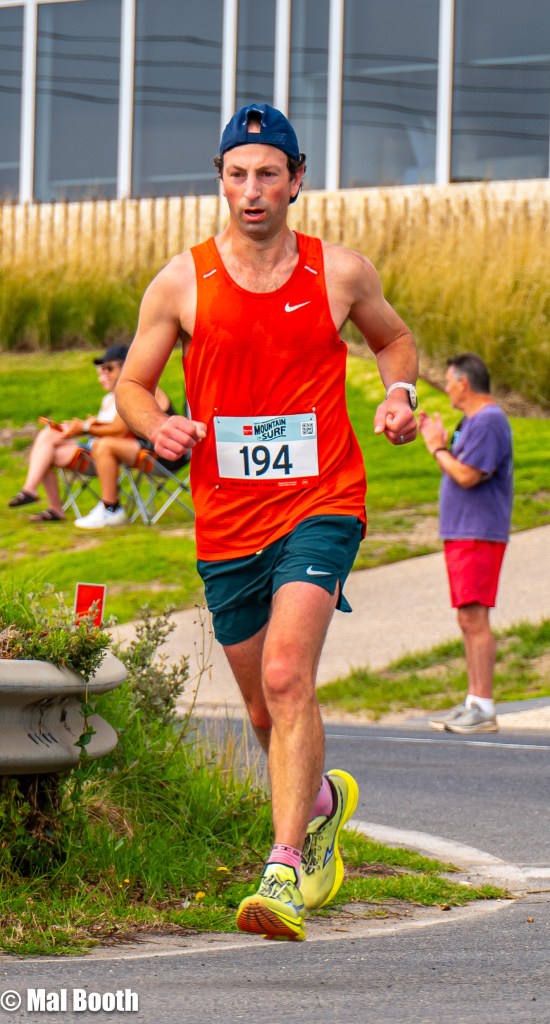
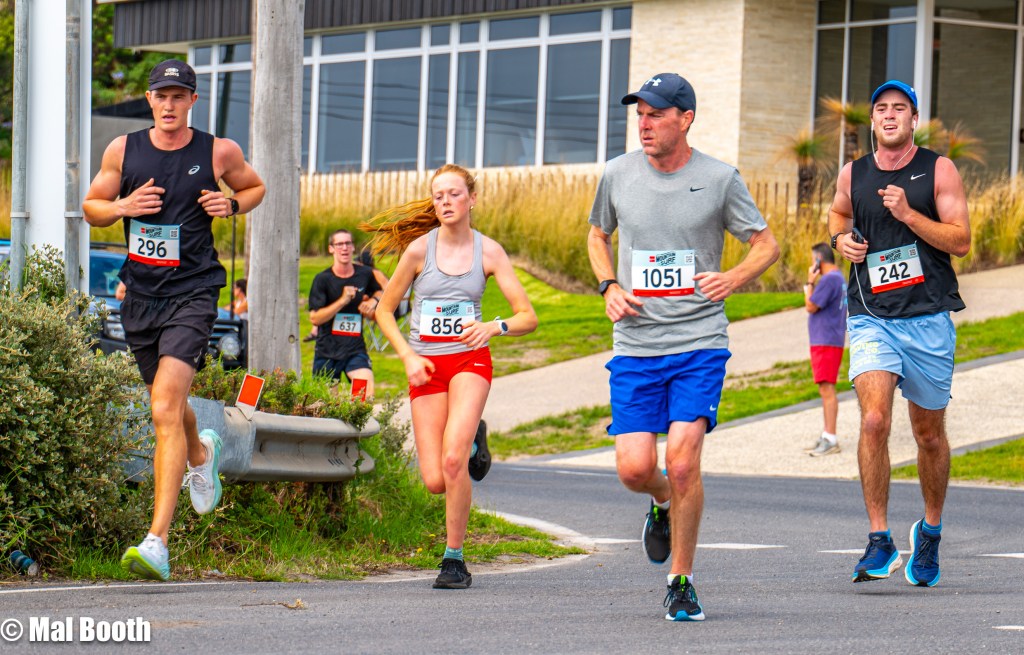
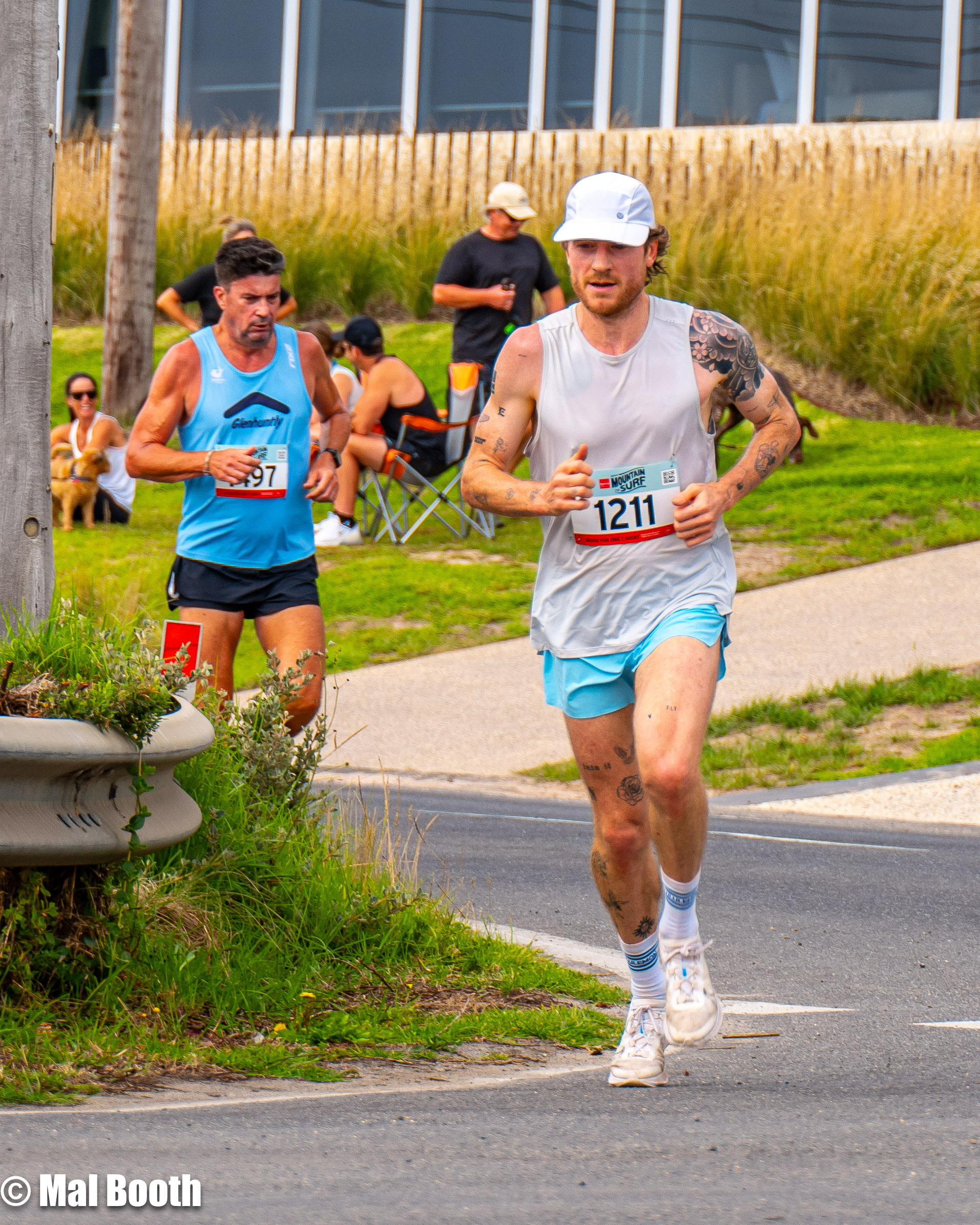
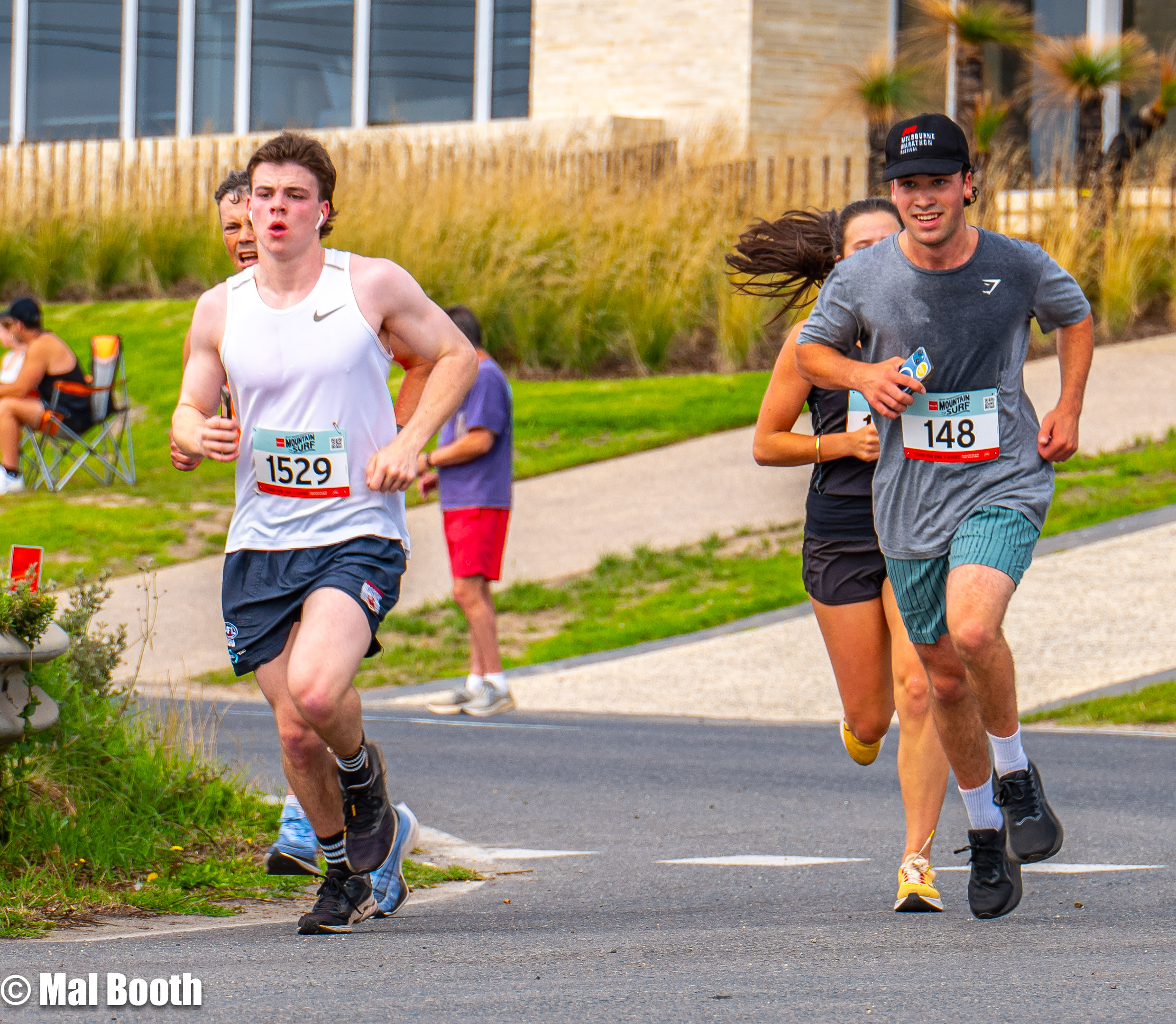
Photos from 2024 Lorne Mountain to Surf Fun Run









Remembrance Day 2023 – Sydney’s Inner West Pt. 2
The Horror in France (cont’d)
Sgt. Lionel Frank Elliot, 56th Infantry Battalion. Compositor of Marrickville. Service record is not yet available, possibly relating to a court martial? RTA 13/12/18 aged 29, but later died as a result of his war service on 18/2/20.
Letter on Fromelles*, 3/8/16:
we heard a wounded chap crying out, he was in ‘No Mans Land’ . . . I said ‘Who’s coming over’ another chap said ‘I’m on’ so over the parapet we crawled and out to the wounded man, we got to him without anything happening, but as soon as we lifted him to bring him in ‘ping’ a bullet went through the top of my hat** barely touching the scalp, so we had to lie low for awhile, when we started off again three shots were fired, so I thought it best to leave him until night. A Machine Gun had got him in the legs (4 wounds). He said he would be O.K. if he could get some water, and he wanted a smoke bad, so I gave him cigarettes and matches and promised him water and food, and then we run and crawled back to safety. The water and food went out as soon as we got back. I was a bit narked at not getting him in, but it would have been suicidal to attempt any further.
* Fromelles was possibly the most tragic event in Australian history, in which almost over 5,500 Australians became casualties with almost 2,000 killed in 24 hours.
** During the battle Australians in the later attacking waves had worn slouch hats rather than steel helmets, the only important occasion in France when this was so.
Pte. Erle Oakley Neaves, 20th Infantry Battalion. Cashier of Glebe Point. He enlisted in May 1916 and served in action in Belgium. He was killed in his dugout during an enemy barrage on Broodseinde Ridge, Ypres Sector in Belgium on 6/11/17 aged 26.
Letter, 15/2/17:
All my pals . . . I came over with are gone, but 7 out of 150 remain, its simply scientific murder, not war at all. As for seeing Germans its all lies you never get close enough to do that, unless in a charge. I keep smiling, but I tell you it takes some doing . . . the premonition I had when leaving Sydney, that I would never see home again still hangs about me—one would be unnatural to go through uninjured, if I get out of it with a leg and arm off I’ll be perfectly satisfied, so you will understand what it is like .. . so don’t get married till after the war.
Humanity
Capt. Robert James Henderson MC & Bar, 13th Infantry Battalion. Electrical engineer of Drummoyne. He enlisted aged 29 in June 1915. Served at Anzac, then in France in 1916 until receiving a gunshot wound in the thigh (9/16). He was wounded again in Belgium in June 1917, but returned to his unit later the same month! He was awarded the MC for coolness and courage on two occasions in August 1917 after his company had been caught in the open under a heavy barrage. He sustained a third MG wound in the thigh in front of Villers-Bretonneux on 30/4/18 and died of wounds on 13/5/18 at Etaples, aged 32. He was awarded posthumously, a Bar to his MC in September 1918 for conspicuous gallantry under heavy fire during the action that resulted in his fatal wounding.
Letter, 13/6/17:
There are a whole lot of Germans buried in a cellar at Messines we heard them tapping and started to dig for them until they [the German artillery] started shelling like the devil we then dropped a message over their line by aeroplane telling him we were trying to release his men at Messines if he did not shell it however he must have thought we were pulling his foot for he continued to shell so that those poor beggars will just have to die of starvation etc.
The Ugliness and the Ending
Pte. Thomas Joseph Cleary, 17th Infantry Battalion, then 2nd Pioneer Battalion. Electrician of Annandale. He enlisted aged 39 in October 1915. Served on active duty in France. RTA 20/5/19.
Diary, 24/1/18:
at Flers the 27th Battalion had 7 German prisoners … [A lieutenant] shot all of them. He tried to shoot one of them with an automatic but the prisoner gripped his hand and the auto missed. He then shot the prisoner and all the rest with his service Revolver. The Cpl … had previously refused to do this.
& on the Armistice, Diary, 11/11/18:
The day of days … We had two victories today. we won the War and defeated the 5th Field Coy @ Soccer. The news of the Armistice was taken very coolly … nobody seemed to be able to realise it.
Pte. Marshall Burrows, 4th Pioneer Battalion. Tram driver of Enmore. Served at Anzac with 1st Light Horse Regiment and suffered from dysentery. He was wounded in France and taken as a PoW on 18/1/18. RTA, 5/3/19. Died of Tuberculosis and heart failure at Boddington Red Cross Sanatorium, Wentworth Falls on 24/8/19 aged 35.
Letter, 10/2/17:
I saw a battallion of 1000 men going up to go in . . . and within half an hour there was only 300 left . . . every where you would look you could see pieces of men dead and moaning, it was terrible I will never forget [it]. . . I expect if I go back I will see a bit more but I might be lucky enough not to see it l hope 1 do [not] because 1 have done my share and I dont want to see any more of it
Pte. Granville Bennett, 8th Machine Gun Company. Engineer’s ironmonger said to be of Drummoyne, but I believe he was from Crows Nest. He enlisted aged 18 in November 1915. He died of gun shot wounds to the head, back, hand and face received in France, on 16/10/17 aged 20.
Diary, 12/10/16:
[T]he anniversary of Nurse Cavell’s* death, we sent gas over and at 7.30 p.m. . . . made a successful raid on the German trench . . . Many of our men left cards with “Remember Nurse Cavell” on in the Hun trenches. We also sent gas over later
* Nurse Edith Cavell was executed by the Germans in October 1915 for helping 200 Allied soldiers escape and return to their units in occupied Belgium.
Lt. Joseph Maxwell VC, MC & Bar, DCM, 18th Infantry Battalion. Boilermaker’s apprentice of Marrickville. Often said to be the second most decorated Australian soldier in the First World War. He enlisted in February 1915 and served at Anzac before heading to France in March 1916. He won a DCM at the 3rd battle of Ypres leading his platoon after his officer was killed. He was commissioned in the field and in March 1918 he was awarded the MC for a successful attack on a german position near Ploegsteert, Belgium. He was awarded a Bar to his MC in August 1918, leading his company (as the only surviving officer) and rescuing a tank crew in an offensive near Rainecourt, Northern France. His VC came in October 1918 after an attack on the Beaurevoir-Fonsomme line in France. He took charge of his company again, captured an enemy MG, silenced another MG and encouraged about 20 Germans to surrender, being briefly captured himself! He escaped with his men under heavy fire then re-organised his troops and captured that position. RTA 1/5/19. He died in 1967 aged 81.
From Bill Gammage’s The Broken Years (p230): Early in 1919 two Australian lieutenants stood in a line of men at Buckingham Palace, waiting to meet the King. The King had been delayed, and the two Australians were restless. ‘George is late on parade,’ one finally declared, ‘we’ll have to “crime” him.’ He was Joe Maxwell, come to receive the Victoria Cross. His mate was E. W. Mattner, [Lt & later Senator Mattner, MC, DCM, MM] and after the King had given him his third decoration for bravery in the field, the two chatted for a few minutes, while the King recalled his visit to Australia. In a busy Palace routine a discussion of that length was unusual, and when Lieutenant Mattner left the King the Lord Chamberlain*, heading a clutch of titled officials, pressed towards him, asking excitedly, ‘What did he say? What did he say?’ ‘Well,’ the young officer told them, ‘he said, “I’m sick of this turnout. Let’s go down to the corner pub and have a couple of beers.” ’ The Lord Chamberlain, shocked to the marrow, ‘dressed him down’.
* The Lord Chamberlain was William Mansfield, 1st Viscount Sandhurst who served briefly with the Coldstream Guards as a Lt in the 1870s. He was regarded by his brother officers as ‘incurably dense’ and by other officials as almost illiterate.
Other sources: https://www.awm.gov.au/
https://www.naa.gov.au/explore-collection/defence-and-war-service-records
Open source copy of The Broken Years (for downloading): https://openresearch-repository.anu.edu.au/handle/1885/114783
Remembrance Day 2023 – Sydney’s Inner West Pt. 1
I live in Sydney’s Inner West and swim regularly with a group of people at Victoria Park Pool. On Anzac and Remembrance Days I usually provide a bit of history just to reinforce the fact that these days are not all about flags, medals, bands, marching and wind-bag politicians mouthing platitudes. Today I provided readings about some fellows who served in the First World War from the local area. I found their names and places of association from Bill Gammage’s book The Broken Years in which he quotes extracts from their letters and diaries.
Recruitment & fate
L/Cpl Charles Lee, 1st Infantry Battalion. Horse Driver of Newtown. He was killed in a charge on the German Officer’s trench at Anzac on 5 June 1915. 50 men went with Capt. E. E. L. Lloyd to destroy a machine gun in that trench. The MG was destroyed but 27 men were wounded and five killed including L/Cpl Lee, aged 22.
Diary, 17/8/14:
Left home early in the morning* and went to Victoria Barracks … had to wait outside the gates with about 1,000 or more other recruits for about an hour. When the gates opened there was a big rush of men to get in. We were then drafted into two batches one body composed of those who had done soldiering before and those that had not
* Probably on 11 August 1914 when recruiting began – his service number was 100.
Capt. Duncan Victor Mulholland, 1st Machine Gun Battalion. Bank clerk of Ashfield. He enlisted in February 1915. Initially he served with the 1st Light Horse Regiment at Anzac from 29/8/15. After some hospitalisation for illness, he was seconded for duty with the 1st MG Coy on 1/4/16, serving in France. In September 1917 he transferred to the 3rd MG Coy (redesignated 1st MG Battalion on 1/4/18) as its commander. He was wounded in action with that company on 31/5/18 (multiple shell wounds), dying of those wounds on the same day east of Ebblinghem, France, aged 27
Letter, 8/8/15:
We are all looking forward to showing the world what we are made of and I, for one, have not the slightest fear of what there probably is in store for me (loss of limbs, a mortal wound, loss of memory, deafness, etc.) but I have impressed upon my mind our return to Australia, covered with glory and this vision I can’t get away from.
& Letter, 17/7/17:
Prisoners we are not troubled with now for we kill every bosche at sight.
Excited Anticipation, the Landing, Brotherhood and Horror at Anzac
Sgt William Echlin Turnley, 1st Field (Engineer) Company. Telephone mechanic of Sydney & later Shellharbour. Enlisted in August 1914 and was wounded in action at Anzac in July 1915. He was again hospitalised suffering some serious kidney and heart illnesses and was discharged on return to Australia on 10/6/16 aged 27.
Diary re 25/4/15:
… How we wish they would fire —- or that we could land …! The suspense is nerve-racking. … The thought comes to me that we are the unfortunate ones to sacrificed in drawing the enemy’s fire. … Oh, why the dickens don’t they fire at us! … Crack! Swish! Ping! At last we breathe a sigh of relief, the suspense is over! … some get ashore safely, some are hit slightly, others are drowned in only a couple of feet of water because in the excitement no one notices their plight … [One] … he … looks at us dazedly, leaning forward on his rifle. A sailor … touches him on the arm, and the soldier falls forward in to the bottom of the boat, dead.
& later that day on the exposed Anzac hillsides, Diary, 25/4/15:
One of our fellows goes out three times to bring in wounded comrades … The third time he is shot through the head and pitches forward on his face within a few feet of his goal.
Pte. Alfred Terah Elwood, 2nd Infantry Battalion. Carpenter of Glebe. Enlisted 24/8/14. Died of bomb wounds received in action on Anzac, 17/5/15 aged 25.
Letter, 30/4/15:
I am slightly wounded … but am leaving tomorrow for the front again and very pleased I will be I want to get my own back I got hit in the head and right arm. last Sunday it happened it has not healed up yet but I am quite fit to go back again.
Capt. William Henry Sheppard, 17th Infantry Battalion. Insurance surveyor of Potts Point. Enlisting in August 1914, he was wounded at Anzac by a bomb in September 1915 and was evacuated, then returned to Australia on 17/3/16. He returned to serve in France again with the same battalion in late December 1916. He eventually returned to Australia on 10/3/18 aged 30.
Letter, 28/8/15:
My word war is a horror alright, until one comes right into it & sees the real thing he has no idea of what it means, glorious charges, magnificent defences, heroic efforts in this or that direction all boil down to the one thing, the pitting of human beings against the most scientific machinery & the result can be seen in the papers
Sgt. Harry Melville Jackson, 13th Infantry Battalion. Builder’s clerk, born in Petersham. He served at Anzac and sustained a bomb wound in the knee. Later, he was initially reported “missing” and then he was recorded as having died whilst a German PoW, of wounds received in action in France, 15/8/16 aged 23.
Letter from Anzac, 21/8/15:
We charged three hills that night [6-7/8/15]. On the first hill I bayoneted a Turk who was feigning death, with a few extra thrusts. He was an oldish man & on the first thrust which did not go right home he tried to get his revolver out at me, but failed … coming up the third hill, a gigantic Turk … grabbed me around the chest … he was a veritable Samson … [and] slowly began to crush the life out of me. I was almost gone when a mate of mine called Tippen came up and bayoneted him … We made sure of him and then continued up the hill. Poor Tippen got shot just in front of their trench in the stomach with two bullets. he died groaning horribly. I killed his assailant however by giving him five rounds in the head. I … let him have it full in the face. It was unrecognisable.
2Lt. Joseph Henry Dietze (aka Sandoe), 45th Infantry Battalion. Engineer of Marrickville. He enlisted aged 20 on 22/8/14. He was wounded in action on Anzac in May and August 1915. He was commissioned as an officer in August 1918 and was killed by shellfire in an advance in France on 18/9/18 aged 24.
letter from Anzac, 19/9/15, on Lone Pine:
The dead were 4 & 5 deep & we had to walk over them: it was just like walking on a cushion … I daresay you will be surprised how callous a man becomes: a man may have a very close chum well if someone tells him his chum is killed all he says is — “poor chap” —& he forgets all about him
The Horror in France
Lt. Leslie James Martin, 1st Machine Gun Battalion. Warehouseman of Dulwich Hill. He enlisted in August 1915. Sustained a gunshot wound to the leg in July 1916 and multiple ‘dangerous’ gunshot wounds in France in May 1918. These wounds resulted in the amputation of his right arm in November 1918. He returned to Australia 28/8/19, aged 30.
Letter on the battle of Fromelles* 31/7/16:
we had to get up as close to the parapet as possible anybody who did not do this was simply courting death for shells were falling all round . . . there were dead and wounded everywhere . . . I had to sit on top of a dead man as there was no picking and choosing . . . I saw a shell lob about twelve yards away and it . . . lifted [two men] clean up in the air for about 6 feet and they simply dropped back dead . . . one or two of the chaps got shell shock and others got really frightened it was piteous to see them . . . One great big chap got away as soon as he reached the firing line and could not be found . . . I saw him in the morning in a dug out he was white with fear and shaking like a leaf. One of our Lieuts. got shell shock and he literally cried like a child, some that / saw carried down out of the firing line were struggling and calling out for their mother, while others were blabbering sentences one could not make out . . . [a] badly wounded [chap] . . . had his body partly in a small hole that had a good deal of wood work about it, this somehow got alight and all I could see was the lower parts of his legs and a piece of his face, all the rest was burned
* Fromelles was possibly the most tragic event in Australian history, in which almost over 5,500 Australians became casualties with almost 2,000 killed in 24 hours.
Swimming in Sydney during COVID Lockdowns Part 3b: Clovelly & beyond

We swam at Clovelly for a month from mid-July to mid-August and in the last couple of weeks when conditions and time permitted we ventured out of Clovelly, at first into Gordons Bay and finally to Coogee and back.

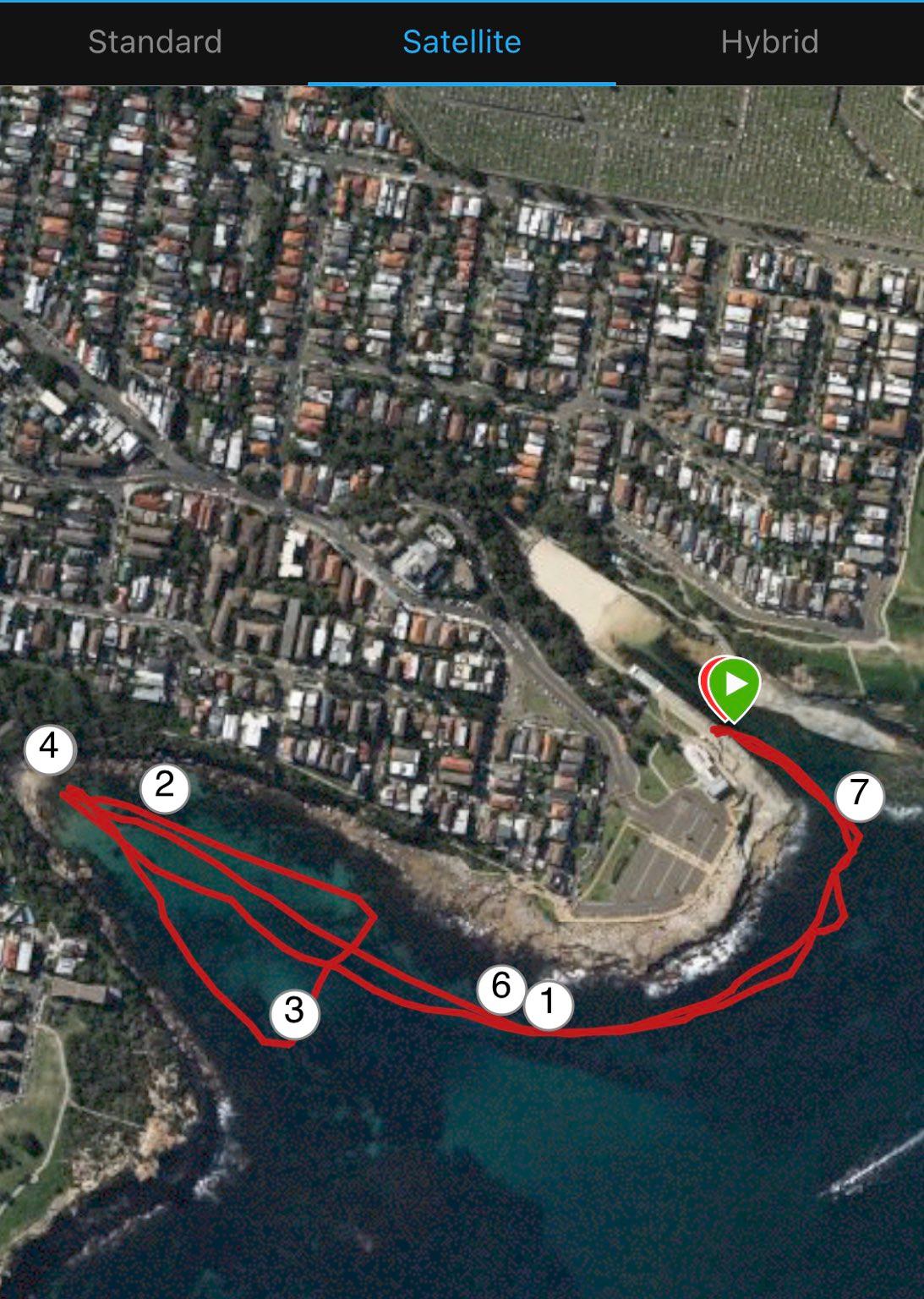

Once we were comfortable swimming to and within Gordons Bay we did it whenever sea conditions getting out of Clovelly and around the headland were favourable and once when swimming within Clovelly was just about impossible (and dangerous). I was shredded on the rocks when getting out at Gordons, but the swim itself was fantastic.

At Clovelly we really noticed a fair bit of sea life in the clear waters. There are a few different types of fish in Clovelly itself, including quite a few Blue Gropers and in Gordons Bay we saw a few generally harmless Port Jackson Sharks and probably a couple of small Grey Nurse Sharks too. They did not seem that interested in us. Nevertheless, I usually wore a Sharkbanz anklet.


It is pretty open going around the headland and heading south towards Gordons Bay, so there was some risk involved. I think the cold waters probably kept one of our big fears away (the nastier Noahs).
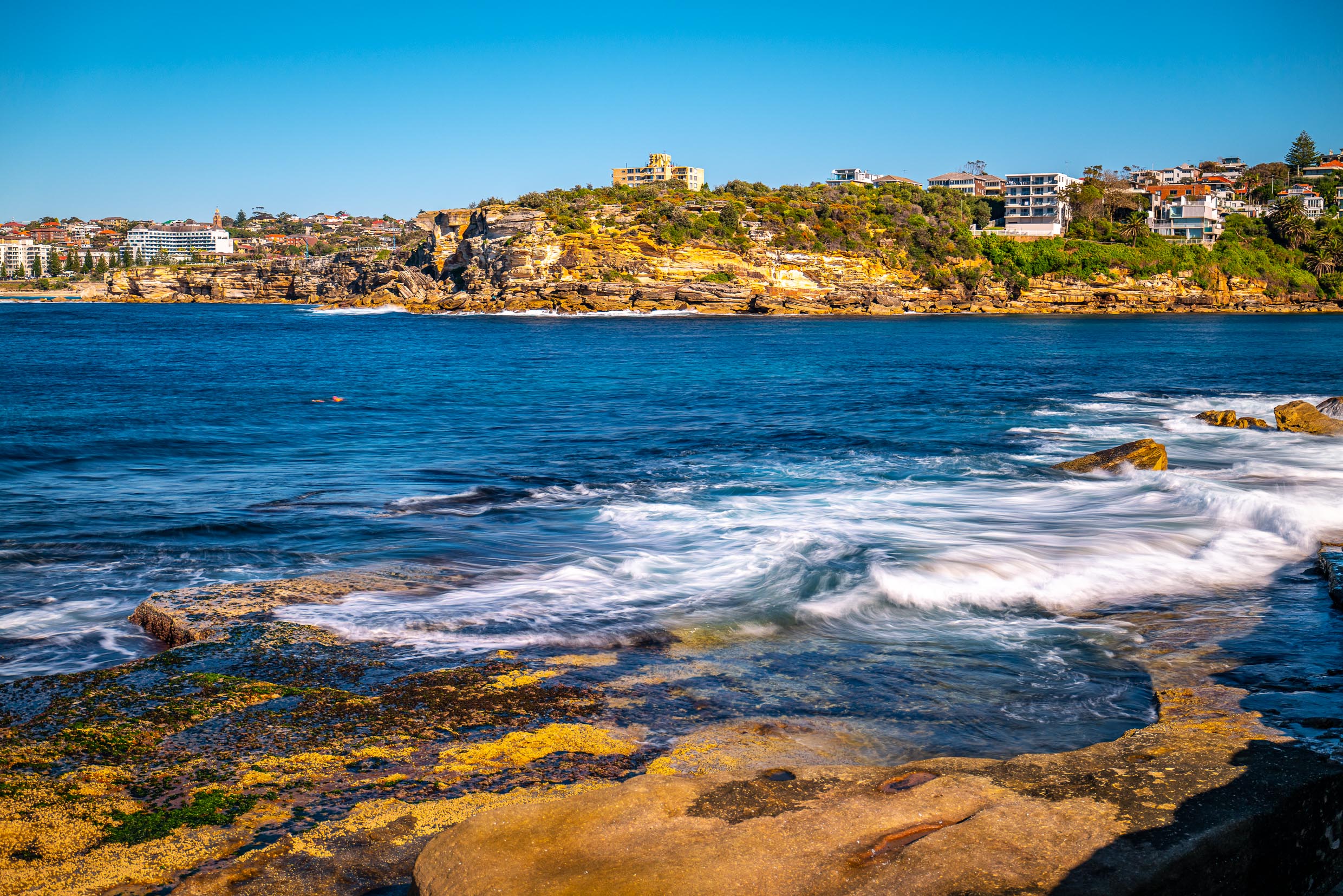

As COVID cases started to rise we started to wonder whether a tighter restriction would be imposed thus limiting our access to Clovelly and other open water swimming areas. So in our fourth week we began squeezing in more swims and we wondered whether we should push a swim to Coogee Beach and back. On what was to be our final Sunday swim at Clovelly conditions looked great and so off we went. It was truly memorable and really enjoyable.


Sadly, this did prove to be our final Clovelly swim and the last swim of the 10km from home period. On the way to Coogee we encountered a couple of surfers and also a couple of other swimmers doing a similar route. As we approached Coogee Beach we almost ran into a small group coming out. We all stopped and as I had a light blue swim cap on I asked them for their identity documents in my best authoritarian voice. They said they were only swimming in pairs, so I said I would let them off this one time and we swam away laughing our heads off.
Next up: where to swim after the 5km from home restrictions kicked in. Any guesses?
Film Review: “Call Me By Your Name” #SydFilmFest 2017
Call Me By Your Name is a gay romance set in Italy. It is gently paced and beautifully set, but I think it runs far too long.
In the clip above you get a good feel for what is not so great and what is great about this film. Armie Hammer first talks about his own reaction to portraying male-to-male sex and then his younger less experienced partner in the film, Timothée Chalamet, really gets to the heart of what makes this film of the celebration of love special – the complete “lack of a violent oppressor or deterrent to this love”. Armie’s character in the film is ultimately uncomfortable with himself, but I think his portrayal also lacks the multiple dimensions that Timothée brought to his role.
I agree with Jordan Hoffman from The Guardian who highlighted the very supportive father-to-son exchange towards the end of the film. It is a wonderful moment and reinforces what Timothée says of the film above. Beautiful, but a little long. 3.5/5
Film Review: “Wind River” #SydFilmFest 2017
Wind River is a very well-made and intelligent crime drama from the US that is filled with action and violence. It has a very strong cast with the two leads being Jeremy Renner and Elizabeth Olsen. Renner plays a wildlife officer and hunter who finds the dead body of a young Native American in the frozen Wyoming wilderness and he assists Olsen, who plays a rookie FBI agent, to track down the killer(s). Renner and Olsen are both convincing, but I was particularly impressed by Olsen’s acting which covered such diverse aspects such as authority, cockiness, nervousness, fear, anxiety, vulnerability, empathy and curiosity.
There is plenty of action and a big shoot-em-up towards the end, but there are also many sensitive and amusing scenes touching on the lives of Native Americans and others living in such harsh climates. It is also beautifully shot in what must be very trying conditions for film makers. Very entertaining. 4/5
 FromMelbin