
Category: photography
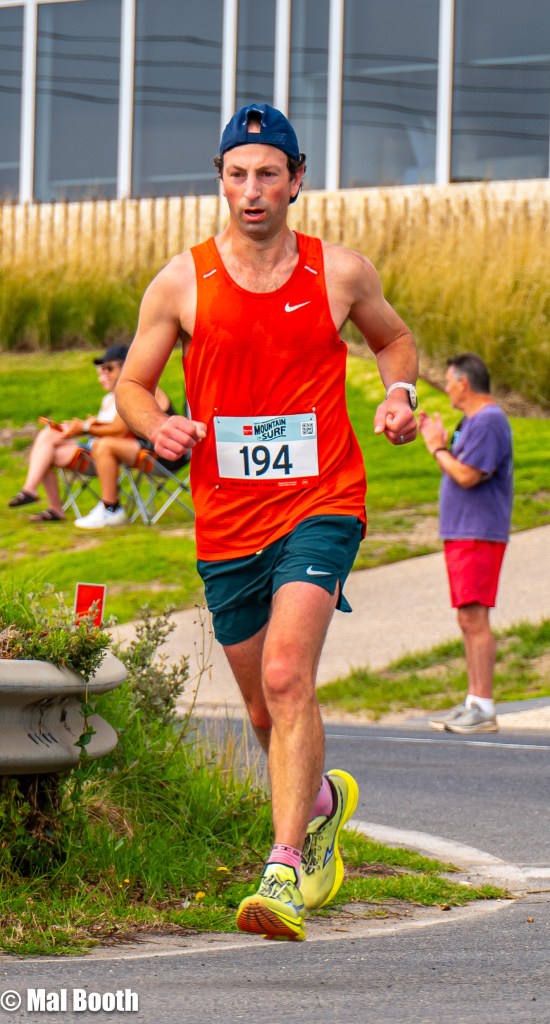
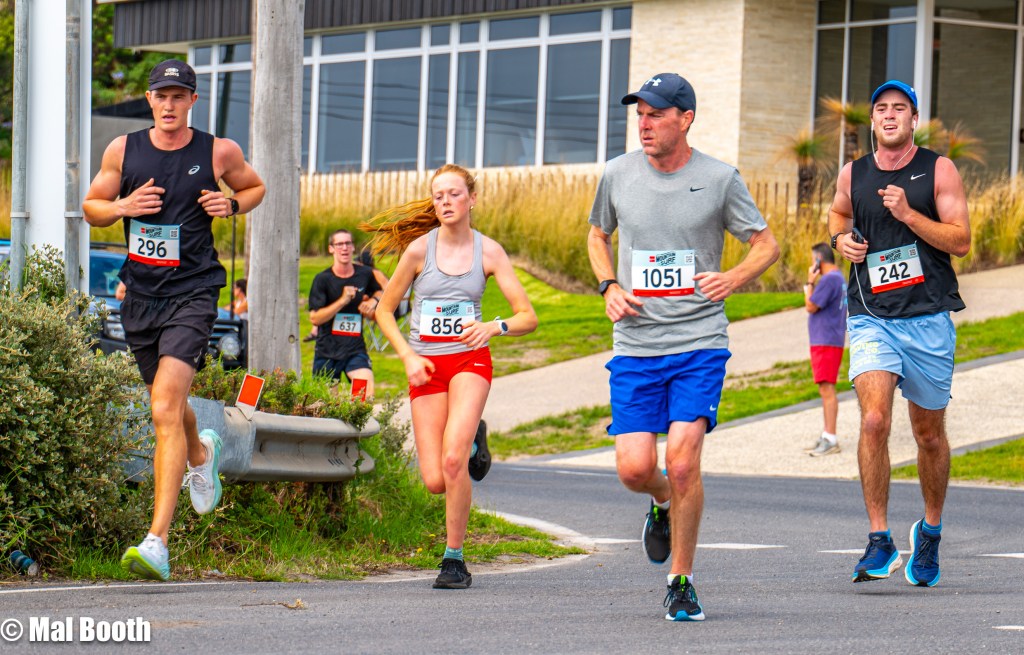
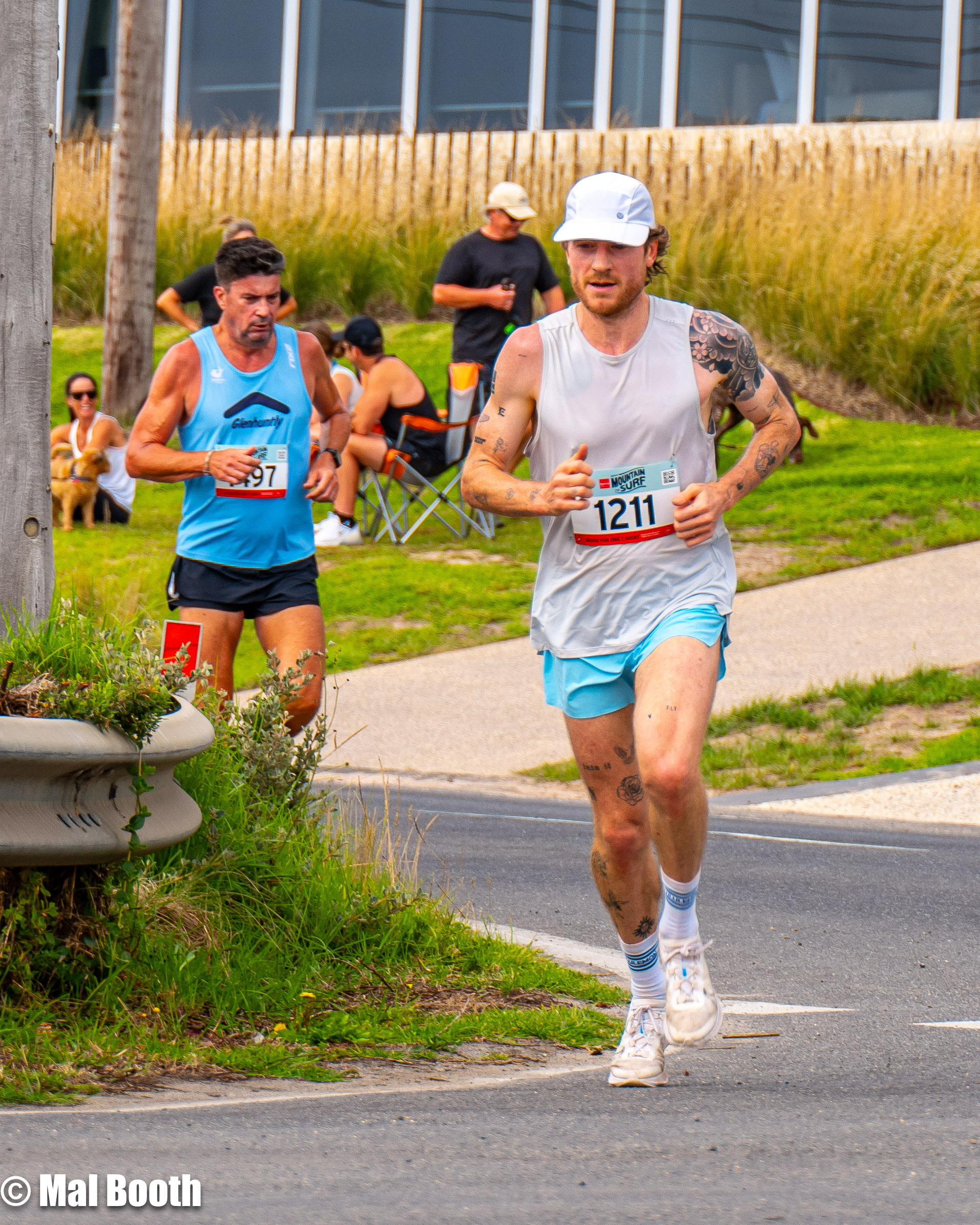
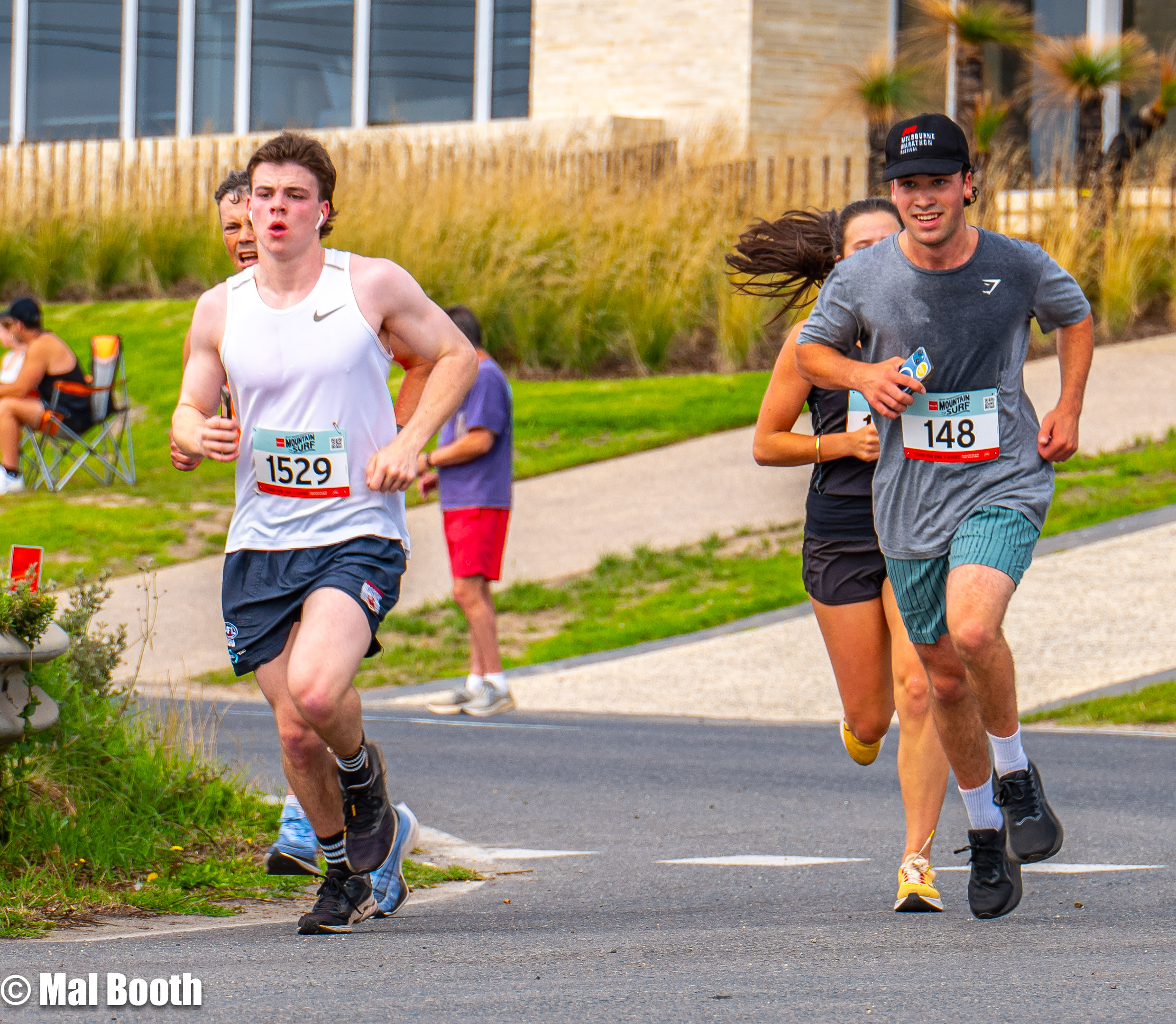
Photos from 2024 Lorne Mountain to Surf Fun Run









Season’s Greetings!

My year started with a visit from Gary so we could go to the 3rd cricket Test against South Africa at the SCG, with Judith and Steven. A day or two were rained out but we did see some play on the final day.
With the remedial work to stop water ingress finally completed, I was able to get all the carpet upstairs replaced, a new sofa bed was delivered, aircon was installed in the spare bedroom and I had a carpenter build in several new bookcases, replacing tired old free-standing bookcases.
I continued my long standing subscription to the ACO with Gregor and we enjoyed the season. I also managed to visit Gregor up in Belmont and we toured the coastal areas up there, north and south of Newcastle, that he knows so well, while also catching up with (cousin) Helen and Terry for lunch on Lake Macquarie. Gregor and I regularly lunched together in Alexandria (when he was not overseas) as he volunteers with the Railway Historical Society nearby.
Henry from our swim squad/gang took me to see my Hawks play his Swans at the SCG early in the AFL season. Hopefully I saw some future grand final champs. Later in the year Henry, Louise and I went to the disastrous The Brian Jonestown Massacre concert in Enmore: a whole ‘nother story!
Easter was with sister Mez, her husband Phil, Jan, Brian and Gregor came down from Newcastle.
I flew to Melbourne on the anniversary of Ken’s death in April so Gary would not be dealing with this in Lorne and Mary also came down for dinner with us which was a wonderful way to celebrate Ken’s life. After this, when Gary was up in Canberra, I drove down to catch up with him, Mary, Karen, Bruce and Georgie for a further celebration of the Kenny.
My big overseas trip was in May to Helsinki and Berlin (again, I know). I saw some wonderful exhibitions and buildings in both cities, took heaps of photographs and finally travelled down to Potsdam from Berlin. I lucked out with great Airbnbs and managed to swim regularly. Flights on Cathay Pacific and Finnair were great.
Soon after this the swim gang all went on an Ocean Swim Safari to Heron Island and this was fantastic. The sea life and swimming were brilliant each day and evenings were spent lingering after dinner together, with too many bottles of wine as there is no internet or TV on the island.
In August I spent a week or so in Auckland, including a few days with Mez & Phil and this was great. We ate well, travelled to Piha, out to Waiheke Island and around greater Auckland.
After this things settled into more regular programming with regular local pub trivia at the Carlisle Castle Hotel on Wednesday nights (in Aanya’s team and she is now an associate member of the swim gang) and drag trivia in Sydenham with the swim gang in November. Some of the swim gang continued our semi-regular Friday night drinks, mostly when Roger was back in town.
Jemima (who had moved to Melbourne for work) flew up in November for Sally’s retirement dinner that we had with Belinda – like old times! I had some catch-ups with Jenny, Ben and Leckie (including Kenny’s 50th) as well as the regular Christmas lunch at Tatts with Mez & Phil, Jan & Brian, Alan & Carole in December. There was also another pre-Xmas lunch on Lake Macquarie with cousins Helen & Terry, Phil & Ros plus Gregor.
In October I joined the Radio Community Chest choir and attended regular Monday night rehearsals in St Stephen’s church, Macquarie St, so I could participate in their 82nd annual presentation of Handel’s Messiah in Sydney Town Hall. (Fortunately this 400-strong choir does not hold auditions!) Virtually the whole swim gang plus Mez & Phil attended on the Saturday performance and Gregor, Marty and Mary attended on the Sunday. I really enjoyed this whole experience, so thanks to Ingrid for her gentle encouragement.
I will try to provide separate updates about my Kindle reading and podcast listening later as usual.
Mary Ex-Moose!
2023: My Year in Images


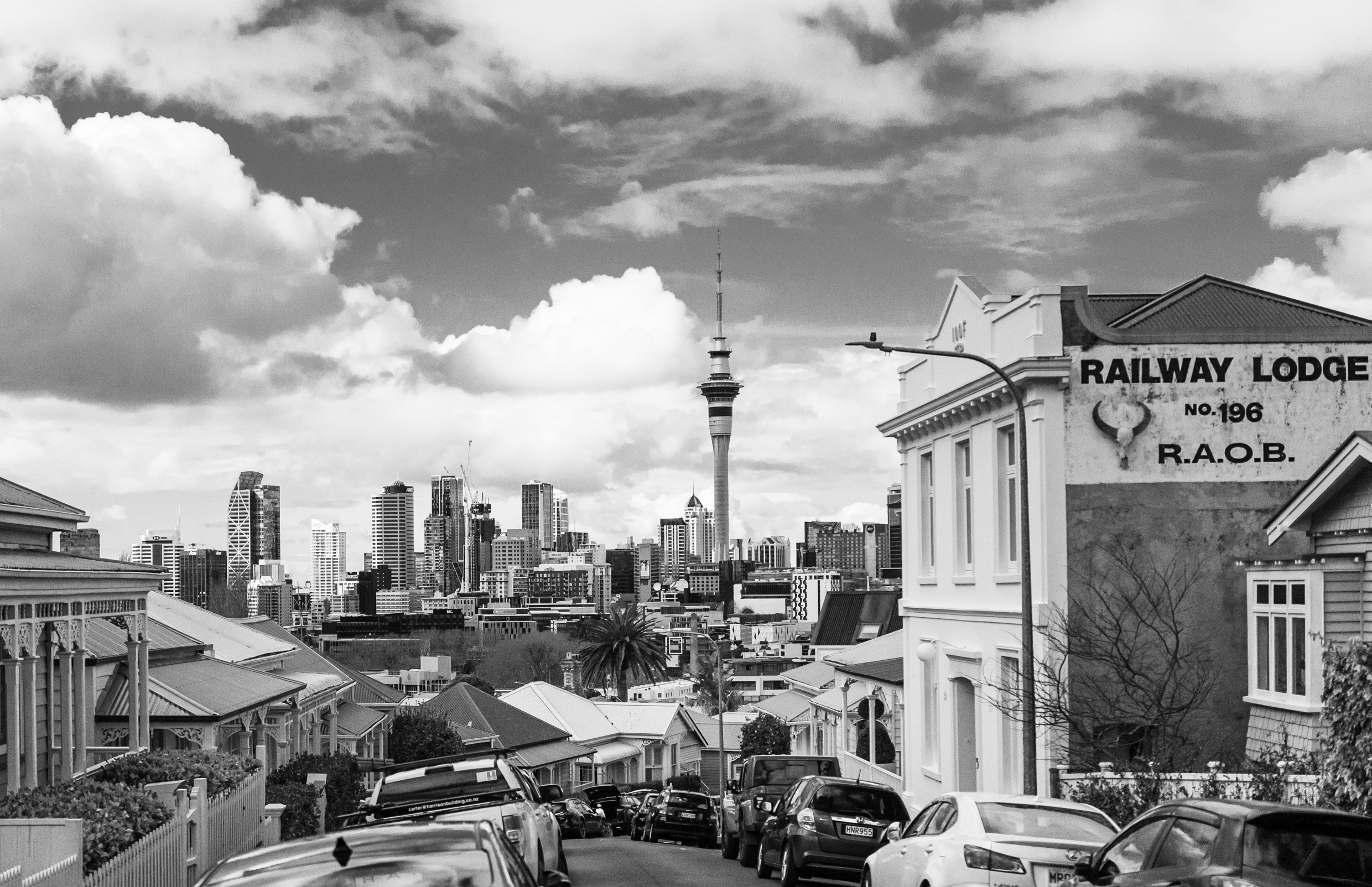


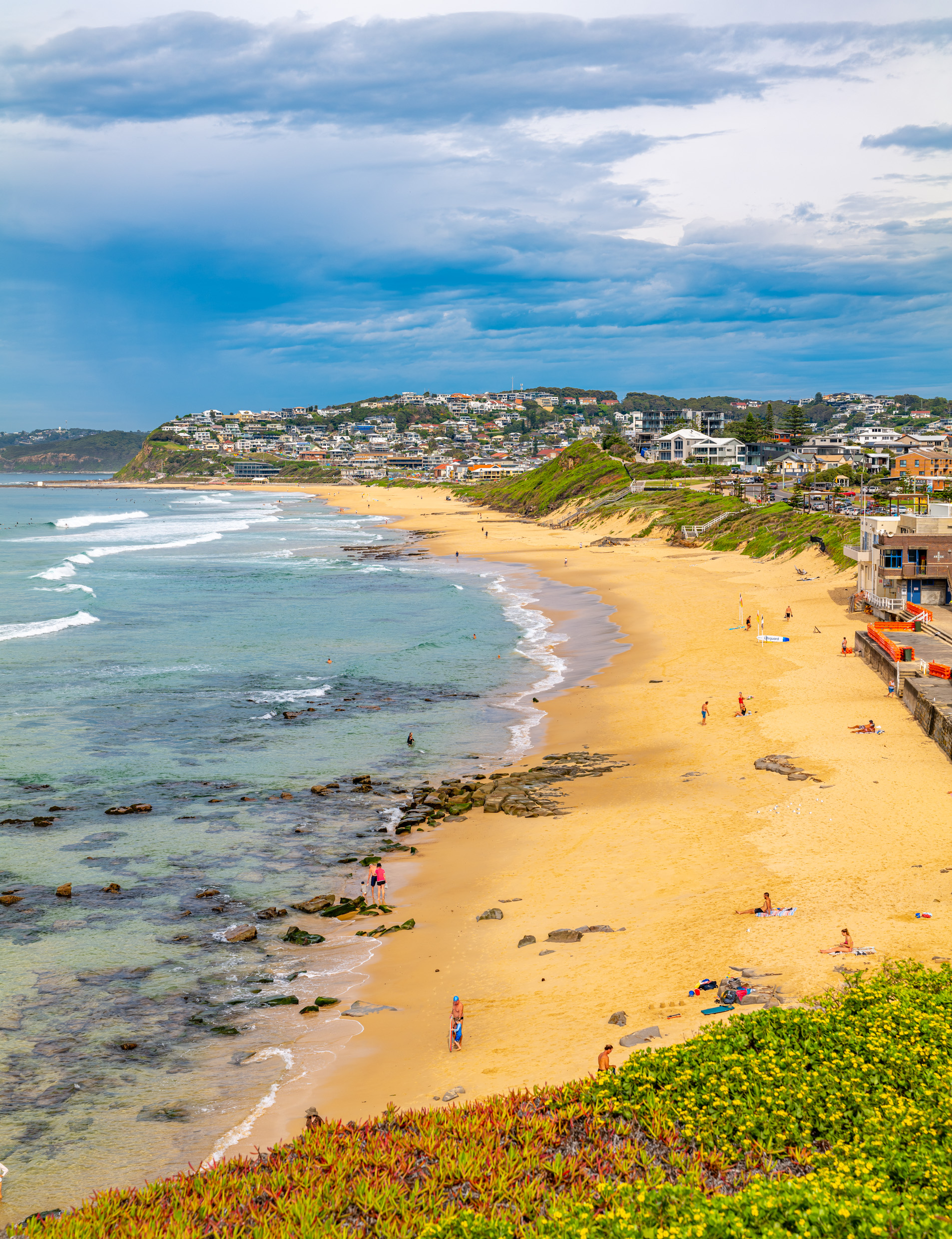


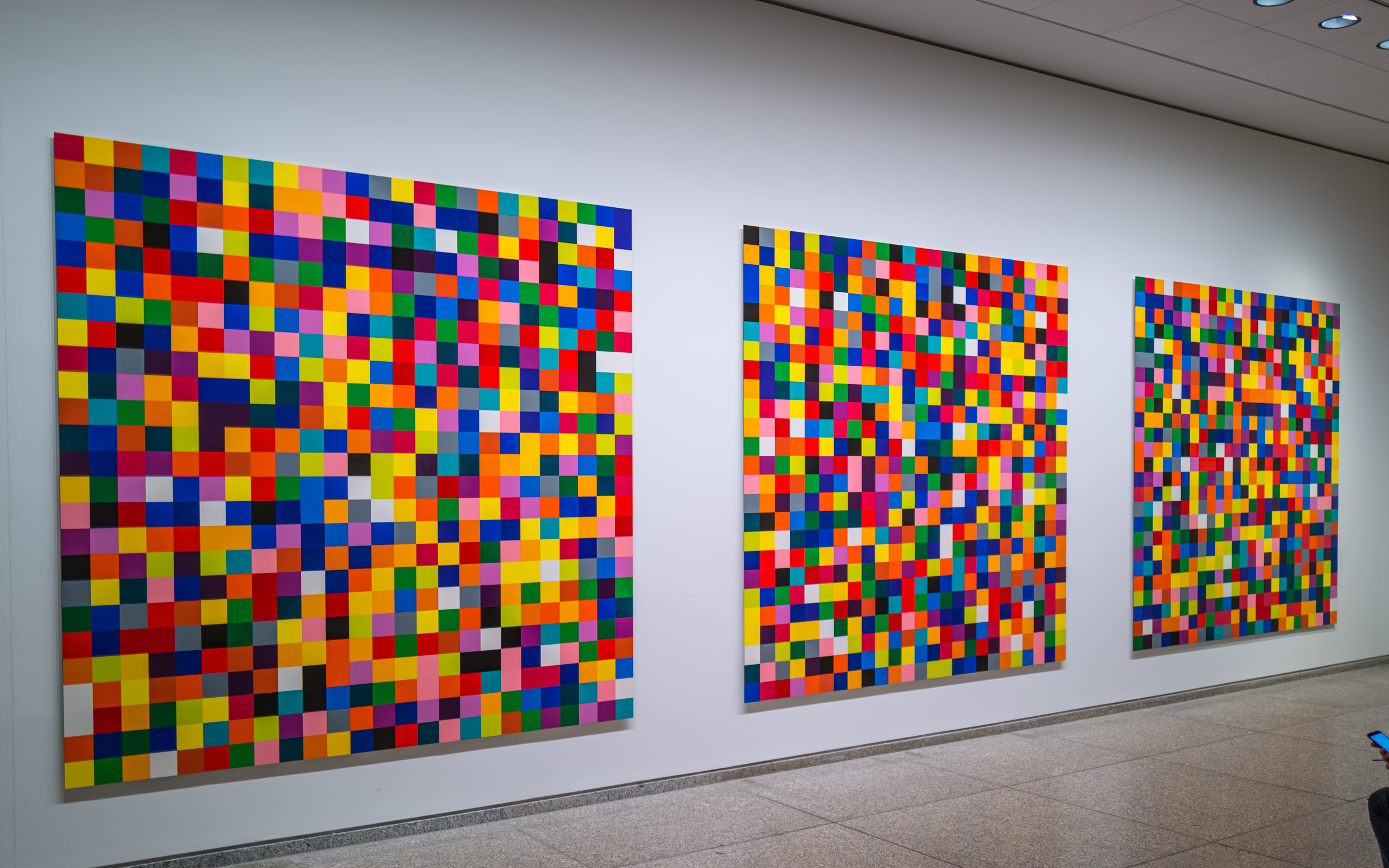


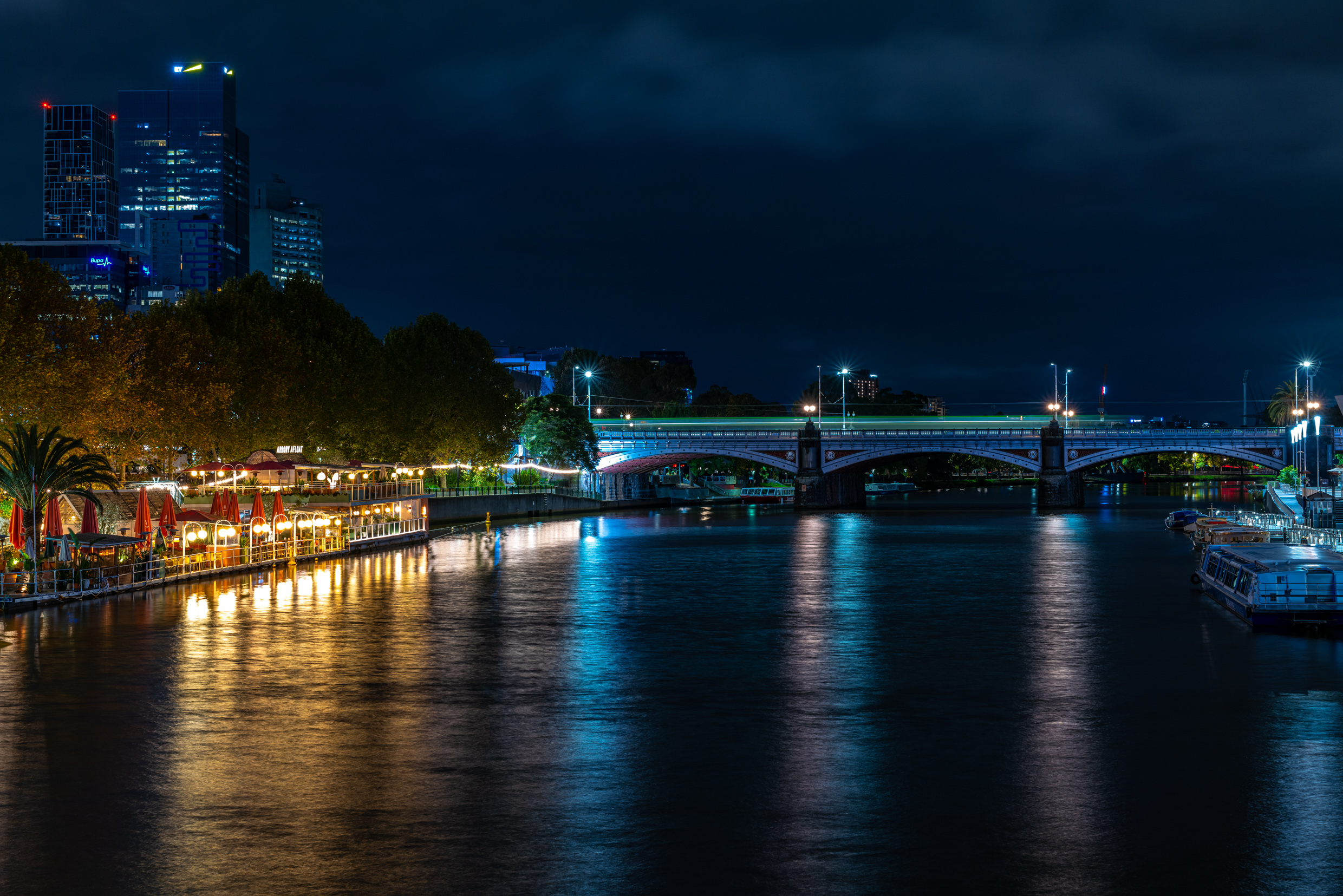


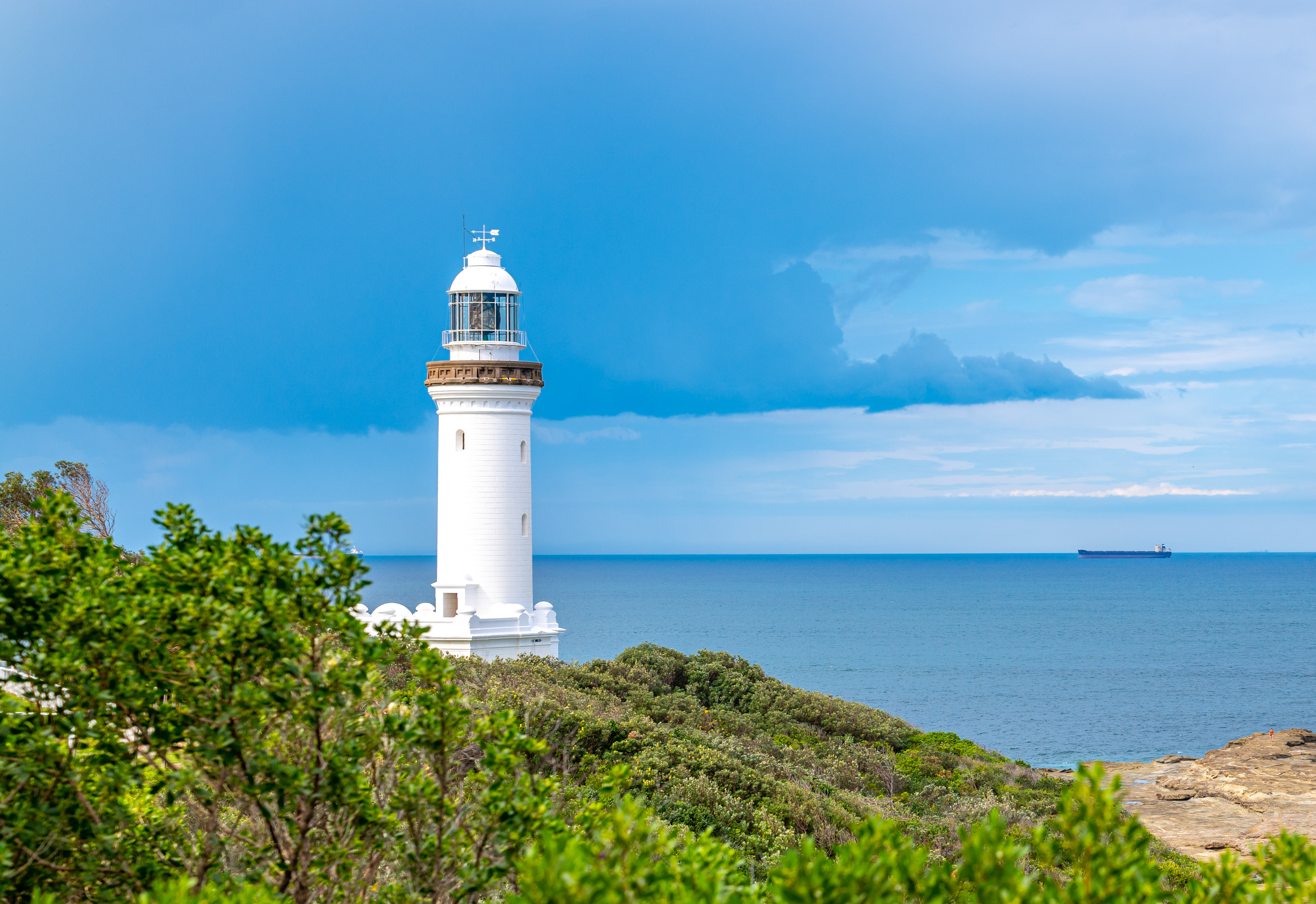
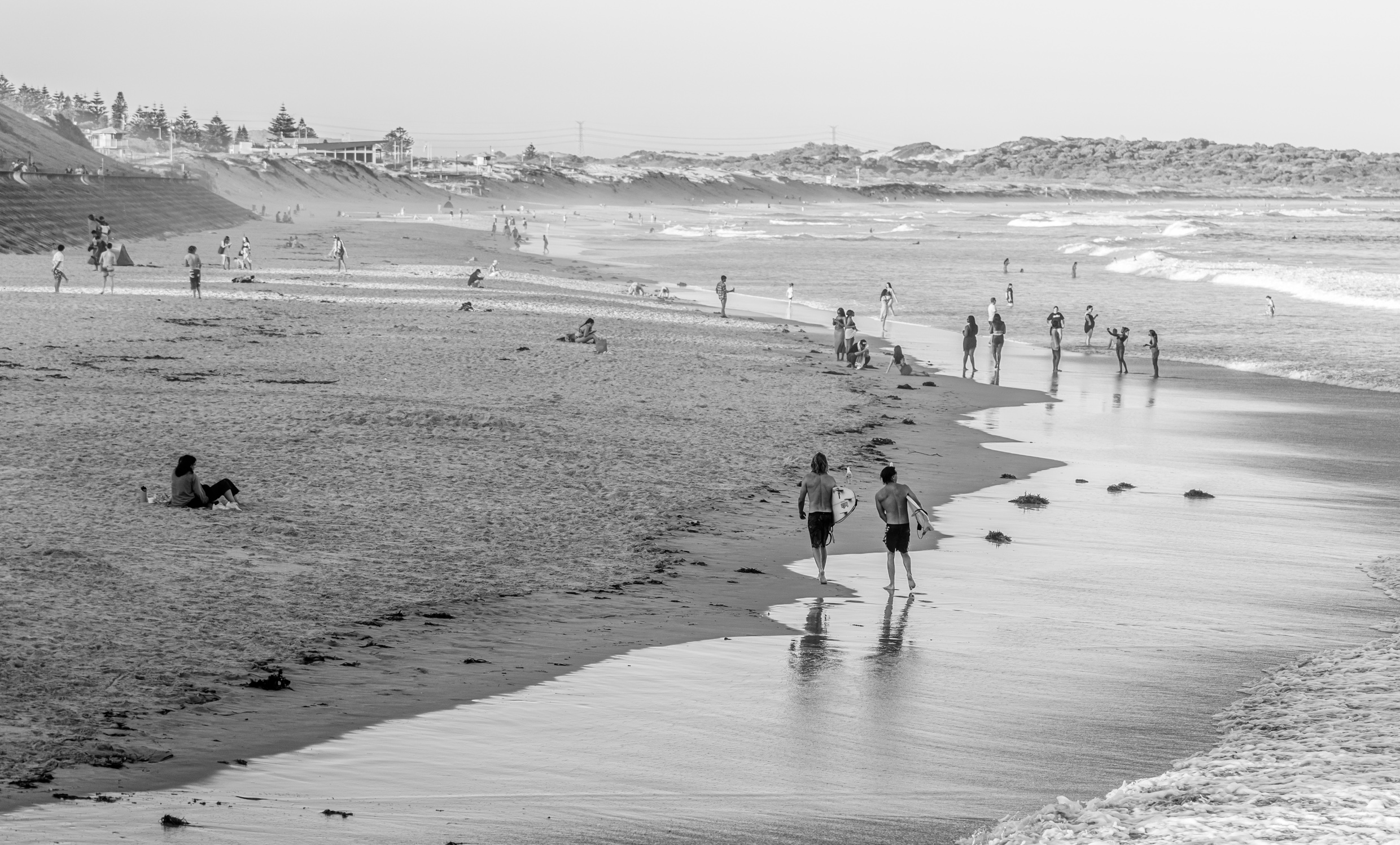



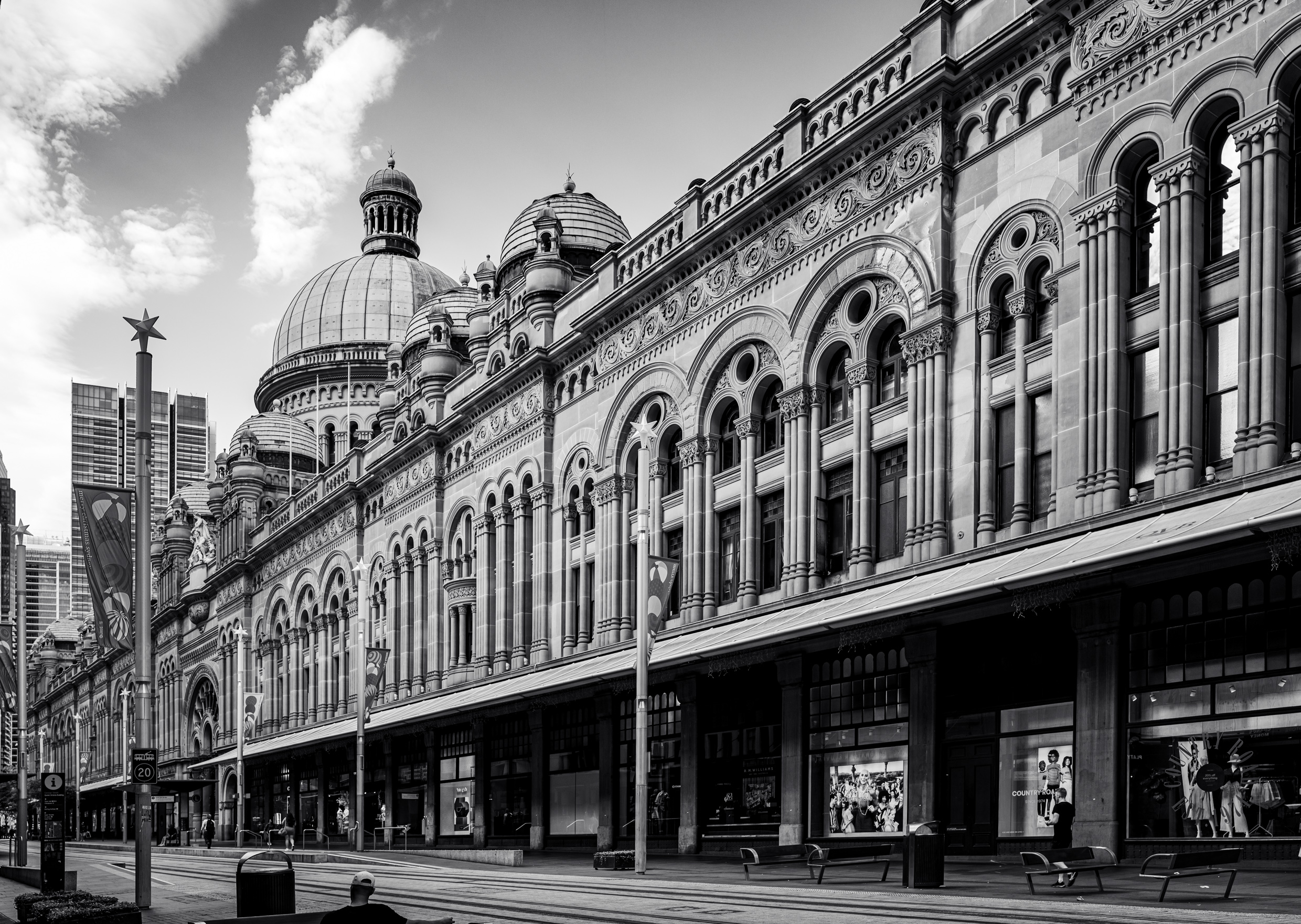


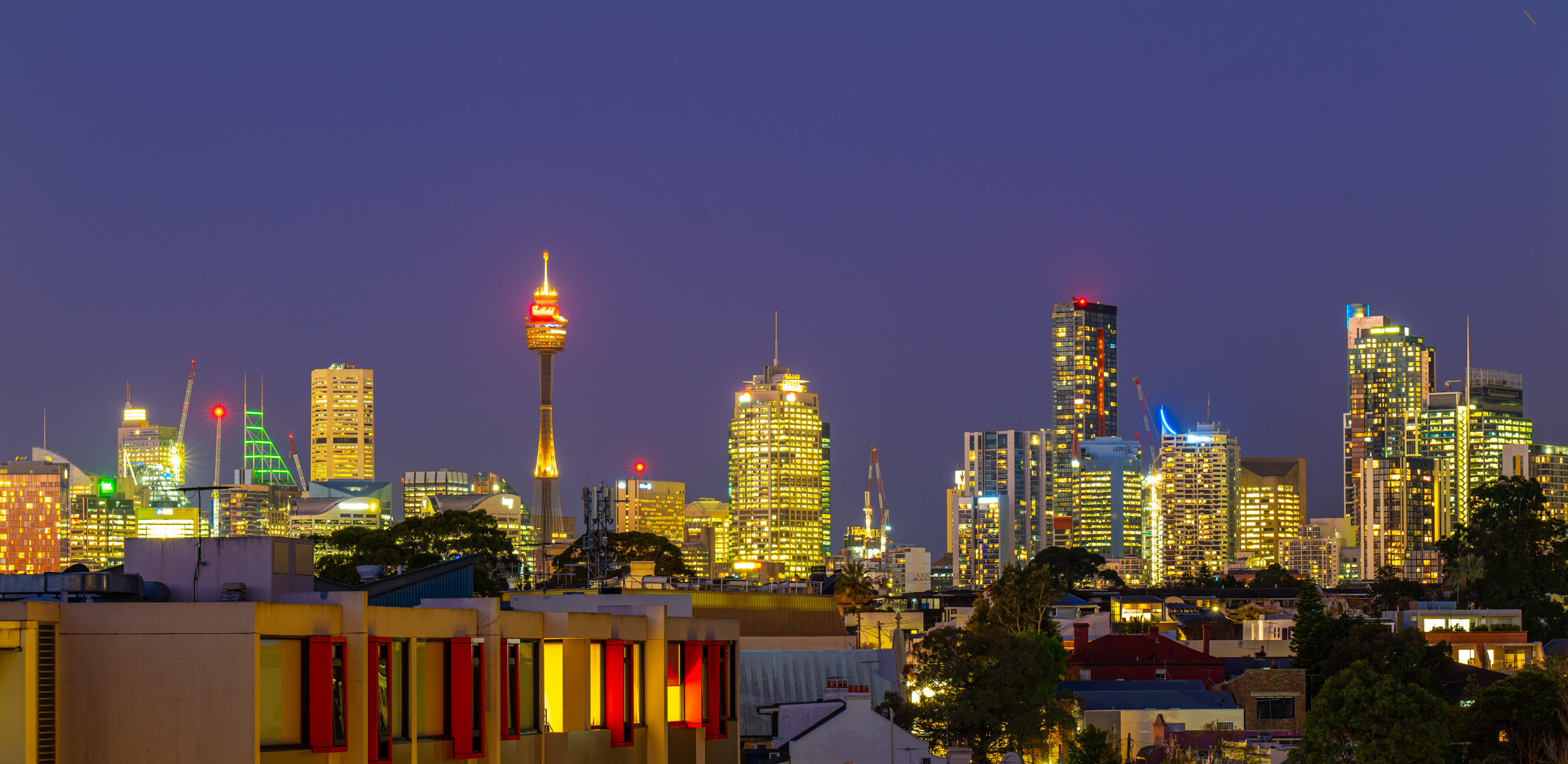


Seasons Greetings

My 2022 highlights:
Remedial work on both balconies and re-cladding on some external panels at home continued and is now mostly completed. Hopefully I’ll regain access to the balconies soon. Then, I’ll replace the carpet that regularly flooded in the spare bedroom and buy a new sofa bed for guests. All up this has only taken twice as long as building the Golden Gate Bridge.
With air fares remaining ridiculous, I stayed here in Oz and spent more money on Leica camera gear. My first trip away (by car) was to Lorne via Albury in March. While down there I also visited Port Campbell with Gary and friends (Judith & Stephen) to see the Twelve Apostles, Loch Ard Gorge, the Bay of Islands and the Californian Redwood plantation in the Great Otway National Park. Judith is another keen photographer, so we had a great time together as there was so much to see and capture. Gary and I also had what was to be our last meal with my former partner Kenneth at Coda Lorne. Sadly, Kenneth was to take his life soon after this in April. As an artist, he really was a victim of the pandemic as so many doors closed for him.
Various visits to my dentist continued when home again for two crowns and an implant. Ugh.
On a happier note, our swim group was socially more active with regular Friday afternoon drinks and several nights out for trivia and bingo at various venues. We also had a great time at Howard’s 70th in October.
I made a brief visit to Canberra mid-year to attend a small wake with some close friends of Kenneth (Mary, Karen & Bruce) and to see Catherine Rogers’ brilliant photographic survey at ANU Drill Hall Gallery. I also caught up with Paulie and Ness a couple of times. Catherine has generously and patiently provided me with a great deal of advice regarding fine art photography printing and I’m finally getting the hang of it, thanks to actually following her advice.
My year as a Hawthorn FC member was full of more losses than wins, but I did enjoy a couple of trips to Wollongong in September to see and photograph the ITT and Men’s Elite Road Race in the UCI Road World Championships. (You can view many photos in previous posts.)
I rounded out the year with another trip down to Lorne, not just to swim in the really cold southern waters, but to help Gary clean out Kenneth’s car. That was pretty hard emotionally. On return to Sydney I was able to safely send Kenneth’s laptop to Tommi in Switzerland, as he wished, and that was a relief.
I subscribed again to the Australian Chamber Orchestra for 2023, having enjoyed the 2022 season. I must be well into my third decade of subscribing now, having started in Canberra many years ago.
Greg and I managed to catch up a couple of times with my cousins Philip & Ros and Helen & Terry at the Patonga Boathouse.
Other than all of that, my mad obsession with listening to podcasts continued and I may do a short post reviewing my annual listening soon. I also continued reading each day (on my Kindle) and that will be the subject another post coming soon. Hopefully I can find some affordable overseas air fares to jazz up 2023!
Best, Mal
2022, My Year in Images


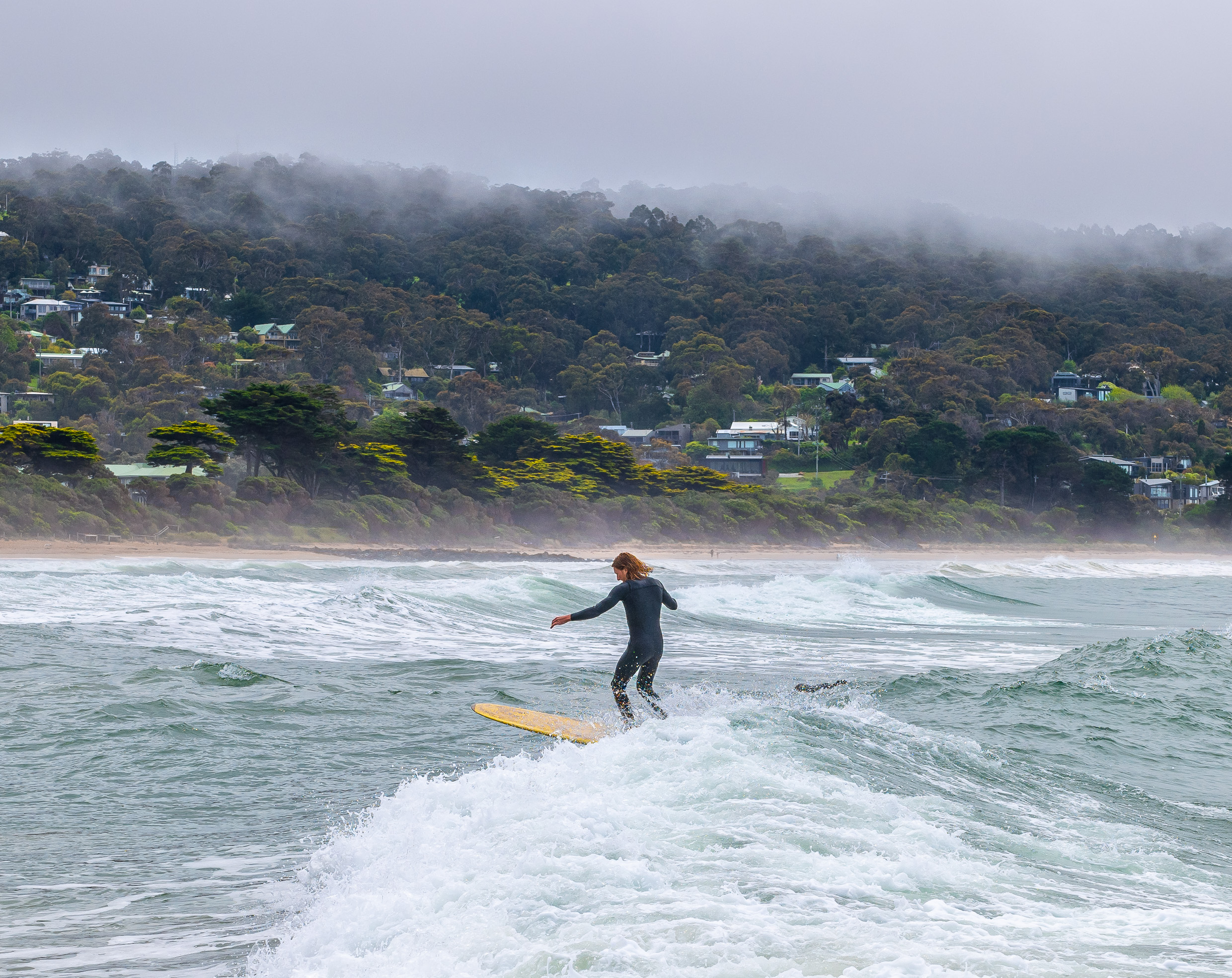


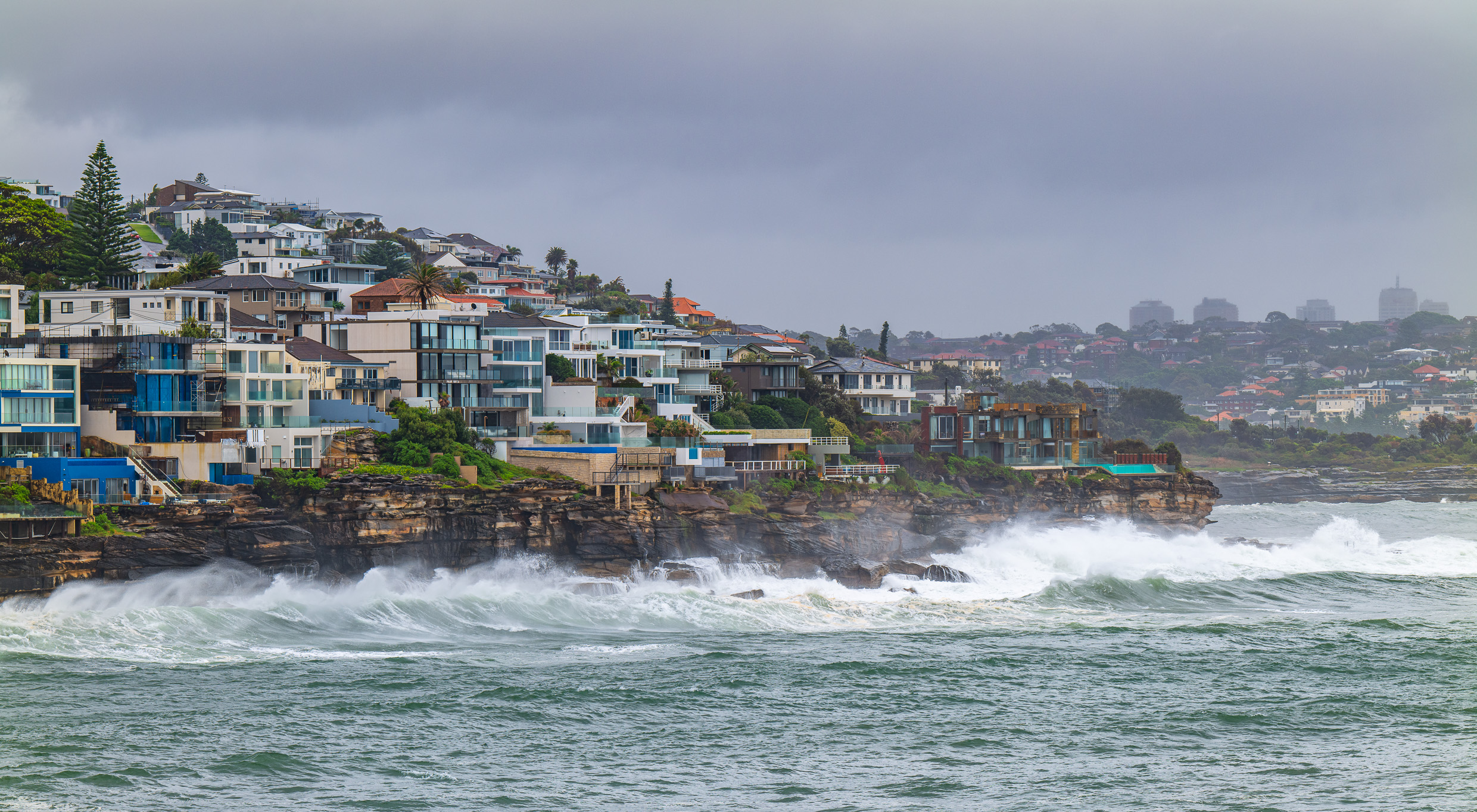


Images from the 2022 UCI Road World Championships, Wollongong – Men Elite Road Race


My recent Holiday in Lorne, Victoria


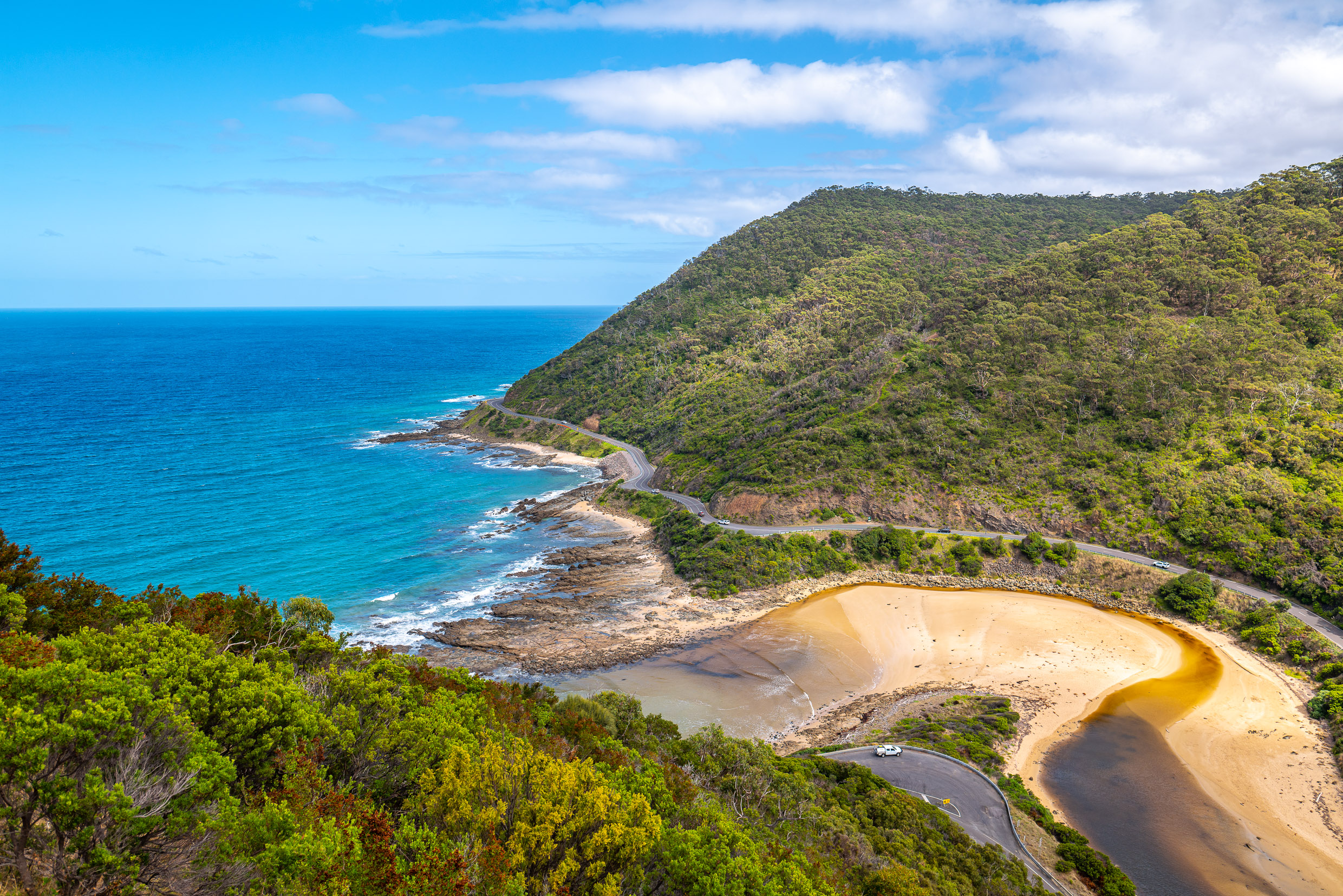


Selected images from Albury, Aireys Inlet, Lorne and the Port Campbell area.

Photographing Fireworks with a Leica SL2

I have a relatively new camera and lens and set out last night to photograph the NYE fireworks in Sydney, from a distance. I have changed from the Canon DSLR system to a Leica mirrorless camera, the SL2. The approach is quite different. So for those as inexperienced as I am with the SL2 and fireworks, I provide the following notes for future reference. Please feel free to jump in and correct anything I’ve done wrong!
I used a newly purchased Leica APO-Vario-Elmarit-SL 90-280 f/2.8-4 lens and prefer to give fireworks a 4-8 second exposure so it was all done on a tripod. The Peak Design carbon travel tripod was perfect for me as I lugged all this up the hill to the lawn in front of Sydney Uni. I set up the SL2 camera before leaving home, based mostly on the advice from more experienced Leica users in the Leica Forum.
So here we go then:
- switch to Manual Focus (my photos were all framed at about 170-200mm focal length and I believe I used the fine focus ring on the lens plus the little joystick on the back of the camera to lock my focal in before the fireworks started using a nearby building – I wasn’t too concerned because I was using f/8.0 aperture);
- set exposure mode to Manual and then roll the rear dial through the shutter time settings to ‘B’ (for Bulb);
- turn long exposure noise reduction off (or you cannot keep shooting);
- use mechanical (not electronic) shutter type; and
- switch off image stabilisation (because tripod), however I forgot to do this on the night as usual (doh!).
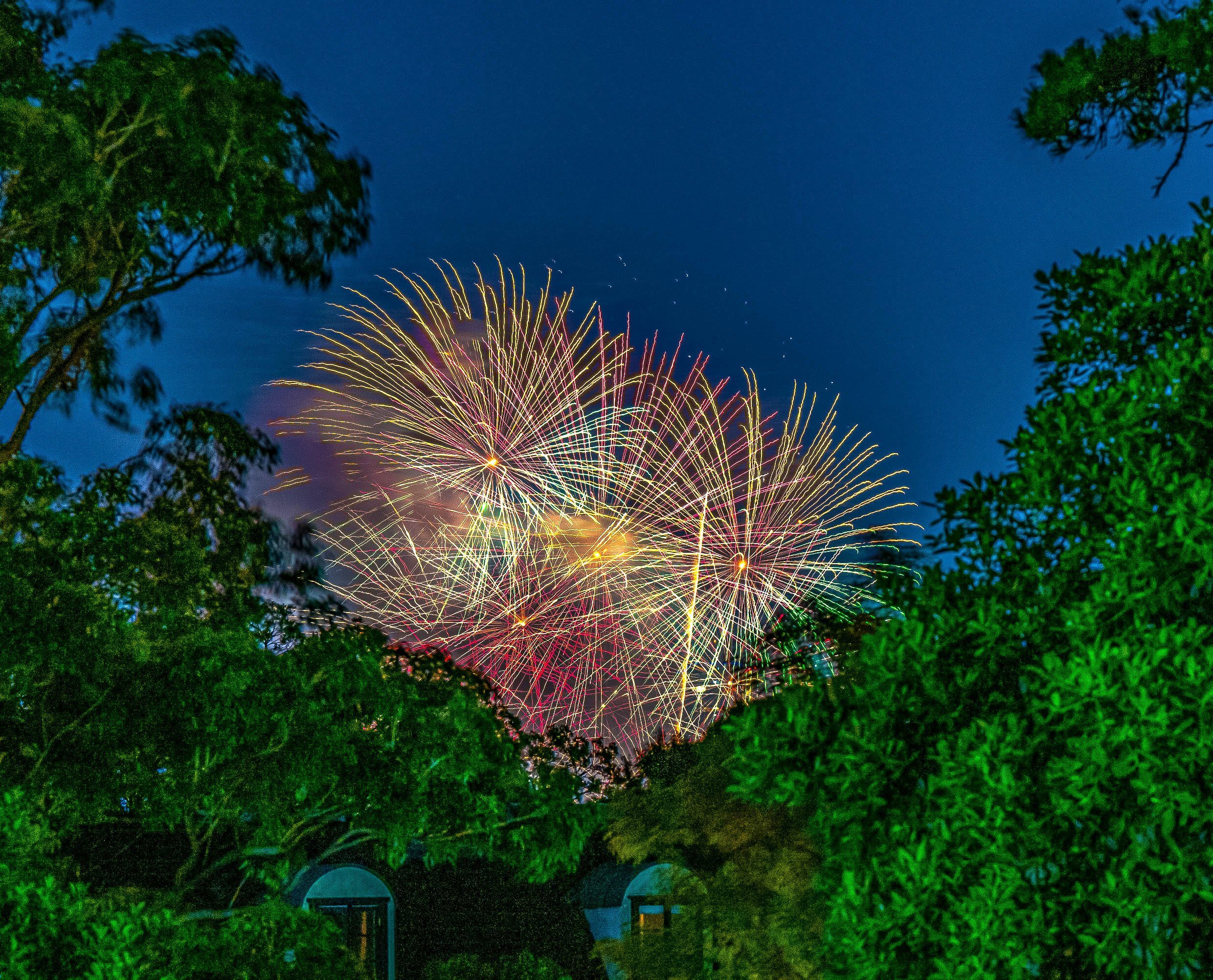
I also used a Leica cable release to control my exposure time manually without touching the camera. And below are a couple more examples from last night. More can be seen here: https://flic.kr/s/aHBqjzwTBM


The Broken Years

Image source: https://www.awm.gov.au/collection/P04604.016
Dr Bill Gammage AM, FASSA is an academic historian who wrote The Broken Years based on his PhD thesis at the ANU. First published in 1974 it tells the story of Australia’s involvement in the First World War through the private records created by a thousand Australian soldiers in their diaries and letters home.
At that time Bill was still able to correspond with some veterans of the Great War and he also skilfully selected records that were mostly collected by the Australian War Memorial (AWM) in the 1920s and 1930s and ties them together to form a chronological story from 1914-1918, covering campaigns in Gallipoli (ANZAC), Egypt, Palestine and France.
I first read this book back in the late 1970s whilst training at RMC Duntroon and studying military history. It had an enormous impact on my attitude to war and made me fully aware of the awful realities, well beyond what I had heard from veterans, or seen in movies or on TV. I think the power of this book comes from the voices of those who served, who tell their own stories so powerfully. As the cover of the book notes, it is both a horrifying and emotionally moving account. What Bill Gammage does in The Broken Years is demonstrate the enormous importance and power of those archival collections at the AWM and he also highlights the vision of the historians, librarians, and archivists who created them so many years ago.
It is also worth noting that Bill Gammage is a highly respected historian and that he revived the tradition of Dr C.E.W. Bean, the official Australian historian of the First World War who focussed his story on the experiences of those who served rather than the battlefield strategies. Bean was also the founder of the AWM. Bill was later employed by Peter Weir as the military advisor for the film Gallipoli.
Bill’s book also seems to have had a not insignificant influence on at least part of my working life. I did not spend that long in the Army after graduating from Duntroon. I had a number of career changes and then somehow managed to wind up at the AWM as Head of their Research Centre (library and archive) in 2001. I was privileged to be responsible for the collections that this book was based upon and also for managing the addition of names to our Roll of Honour as we were again at war in the Middle East.
The critical thing with archival collections is that one must not just concentrate on preserving, cataloguing and exhibiting or providing access to what is already there. Those collections need to be developed as time marches on. With my curatorial colleagues at the AWM in the early 2000s, we soon realised that we faced new challenges in order to do what the AWM had done in the 1920s and 1930s to collect contemporary records of war – in the form of both official accounts (like unit war diaries) and private records in the digital age. We soon began asking to make curatorial visits to war zones to see what was being created for ourselves and to tag or collect what the AWM would need for future exhibitions and research into the conflicts that were still being waged. This started to happen from about 2007-2008. A colleague visited Iraq to mark and collect military technology and paraphernalia and then in late 2008 I was sent to Iraq (Baghdad) and out to sea with the RAN in the Northern Arabian Gulf to collect war records before our forces withdrew from Iraq. I was able to mark or tag some items such as map collections and official records, find out how people were corresponding or keeping diaries, made many photographs and recorded oral histories for the AWM collections. I left the AWM for UTS Library in 2009, but those AWM curatorial visits to war zones have continued in places such as Afghanistan ever since.
The Broken Years will be part of our featured book display at UTS Library for ANZAC Day 2017. I am not aware of any volume like this that has been written about any conflict after the First World War, so it is still unique. As a librarian, curator and collection manager I think it reminds us of the important and continuing role of archives and collecting institutions to preserve public knowledge, even as formats change.
Books, eBooks and Preserving Public Knowledge
Here is a link to a recent radio interview that I did with 2ser 107.3 on a range of topics concerning libraries. At nine minutes it is not that long and the wonderful producer Jake Morcom has edited out all of my incoherent mumblings and ramblings.
http://www.2ser.com/component/k2/item/25657-books-vs-ebooks-making-libraries-more-sustainable
And here is a totally irrelevant image that I took on the weekend, just because I can:

 FromMelbin